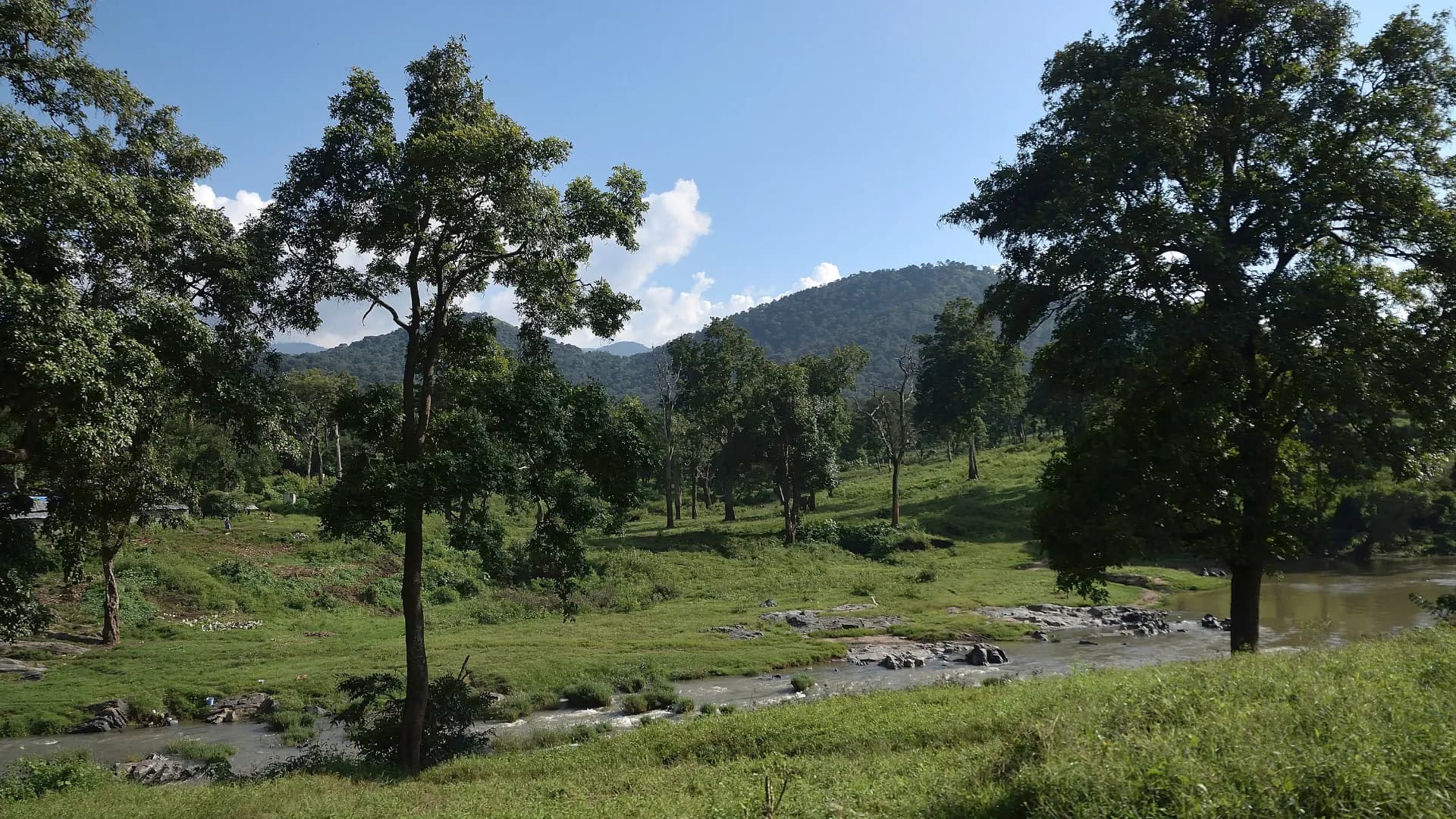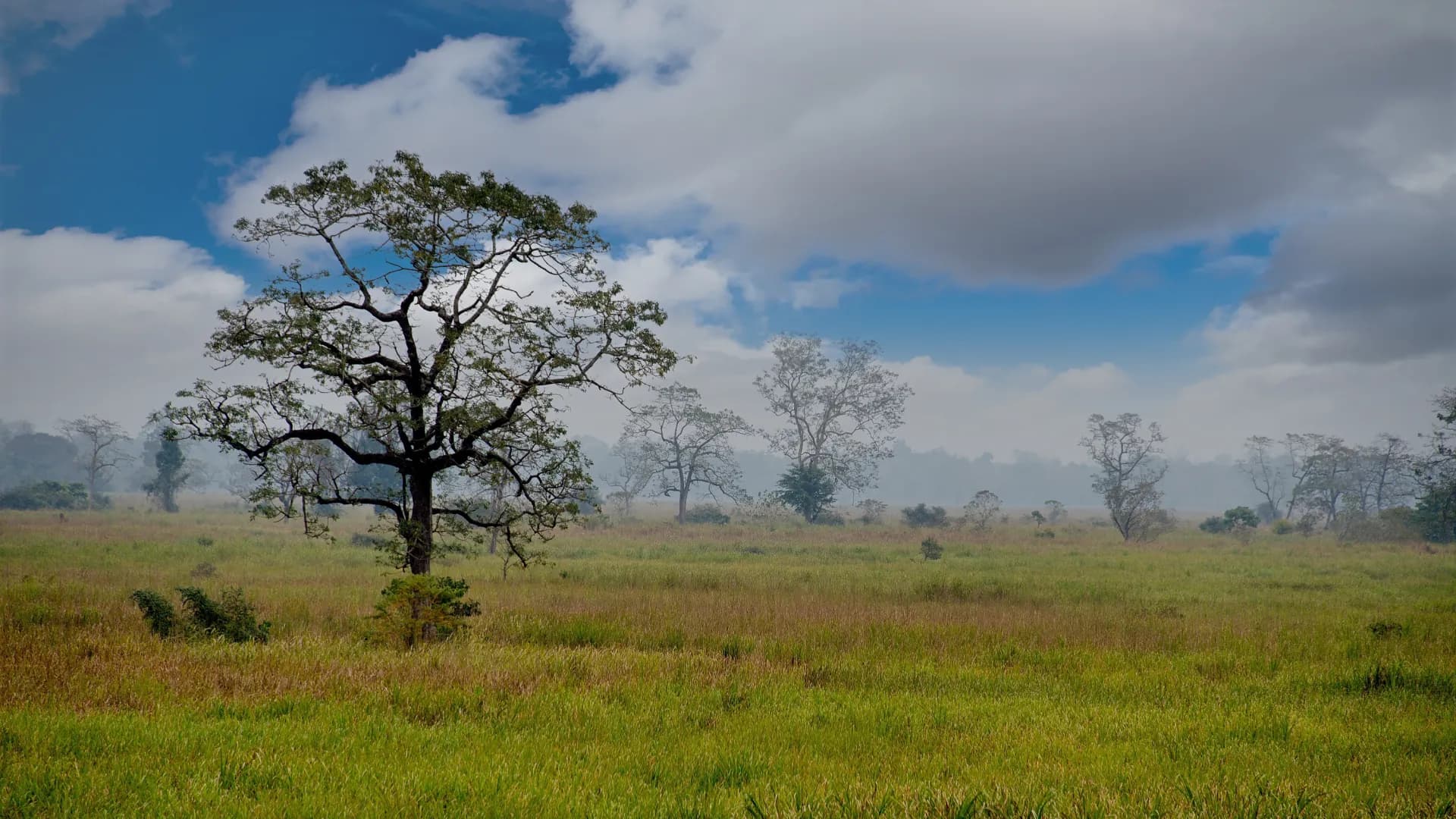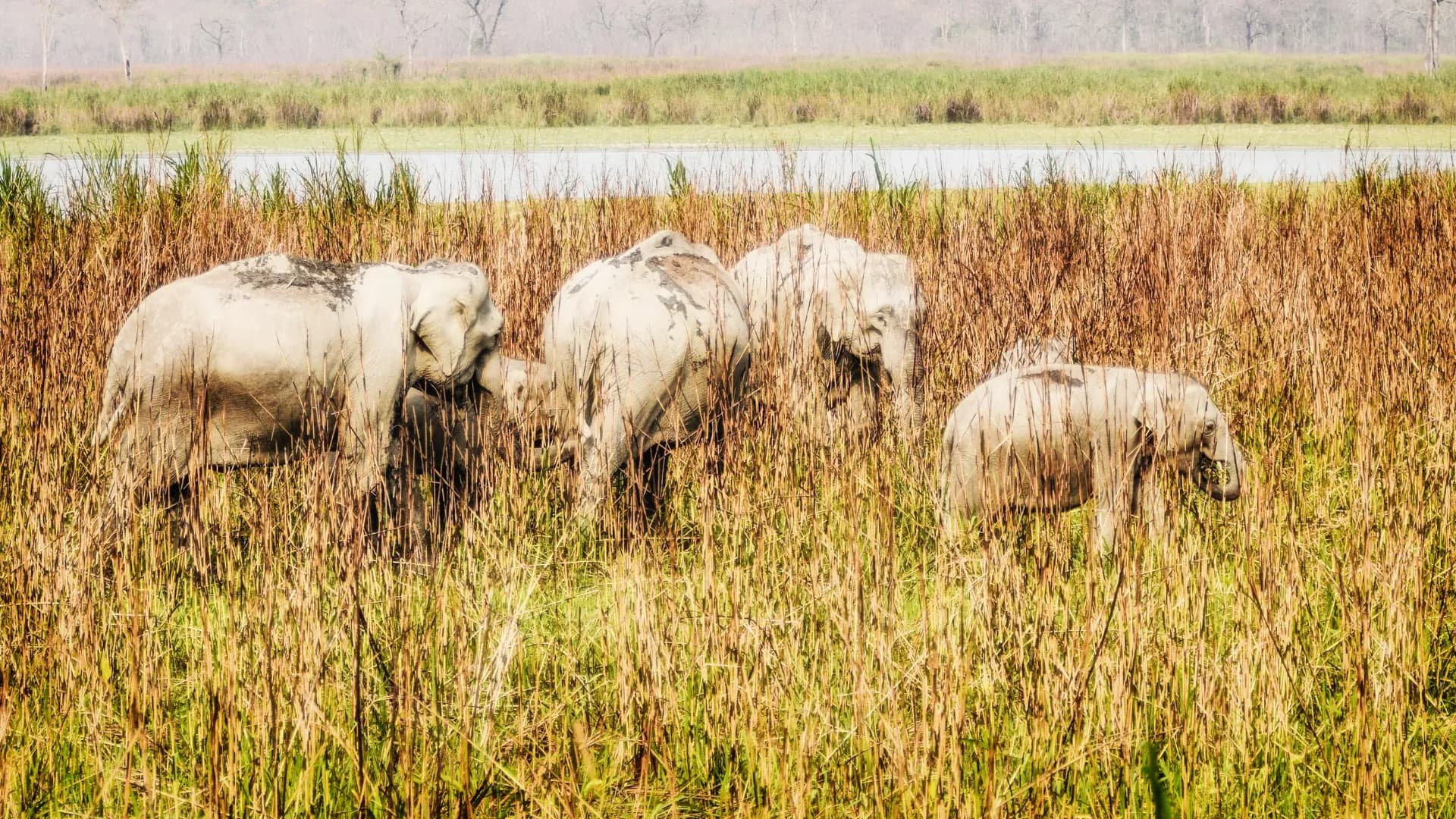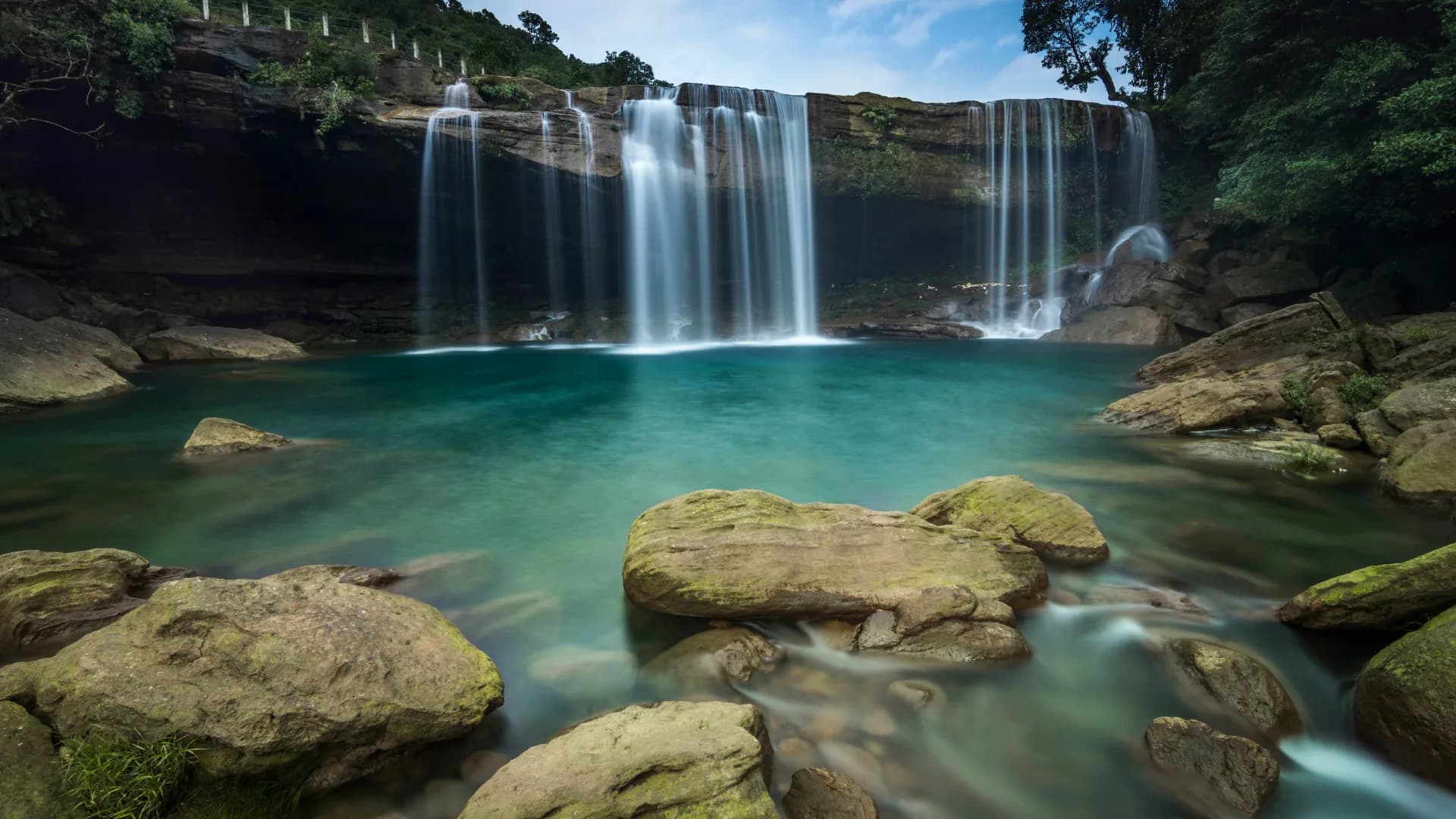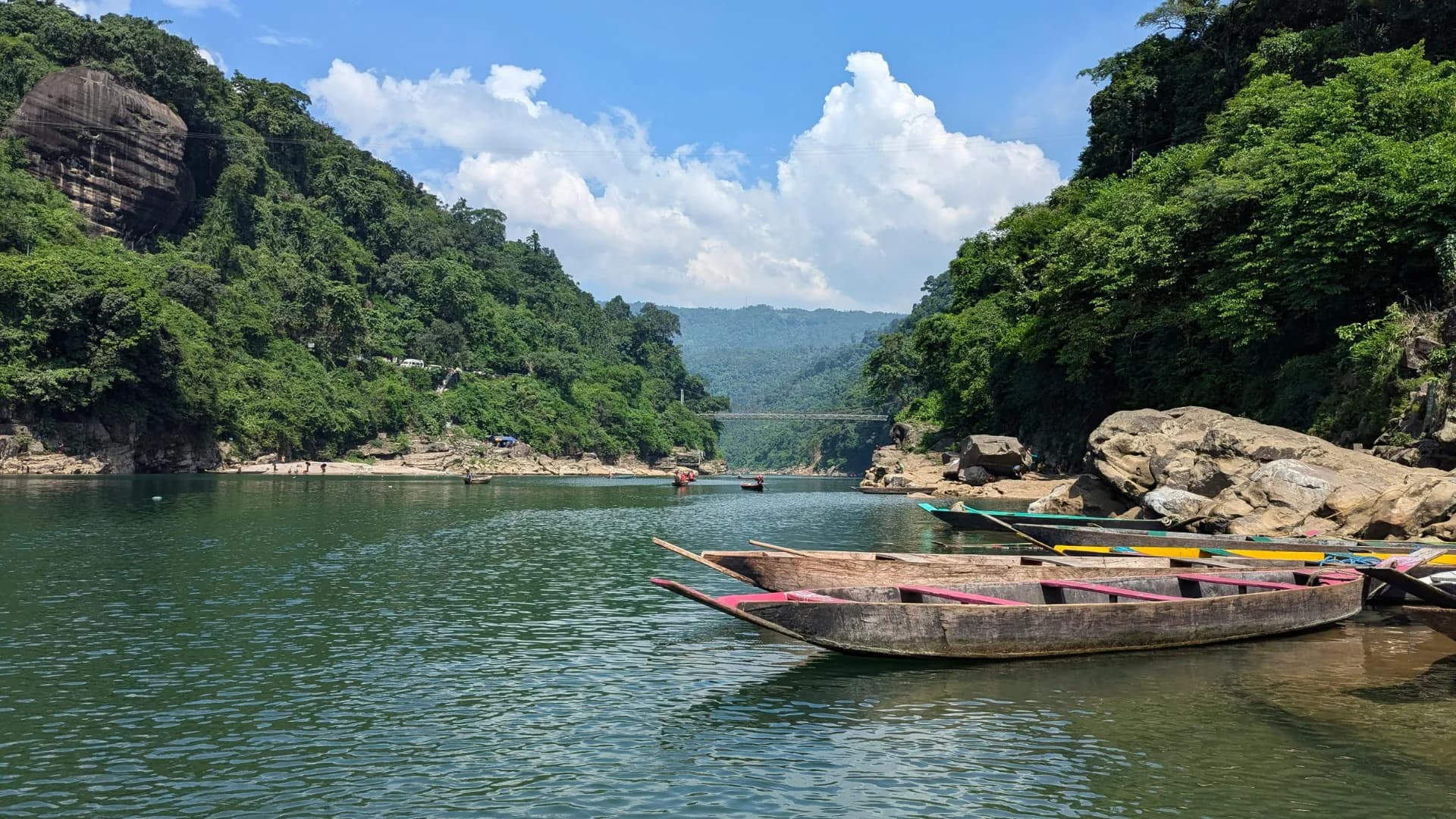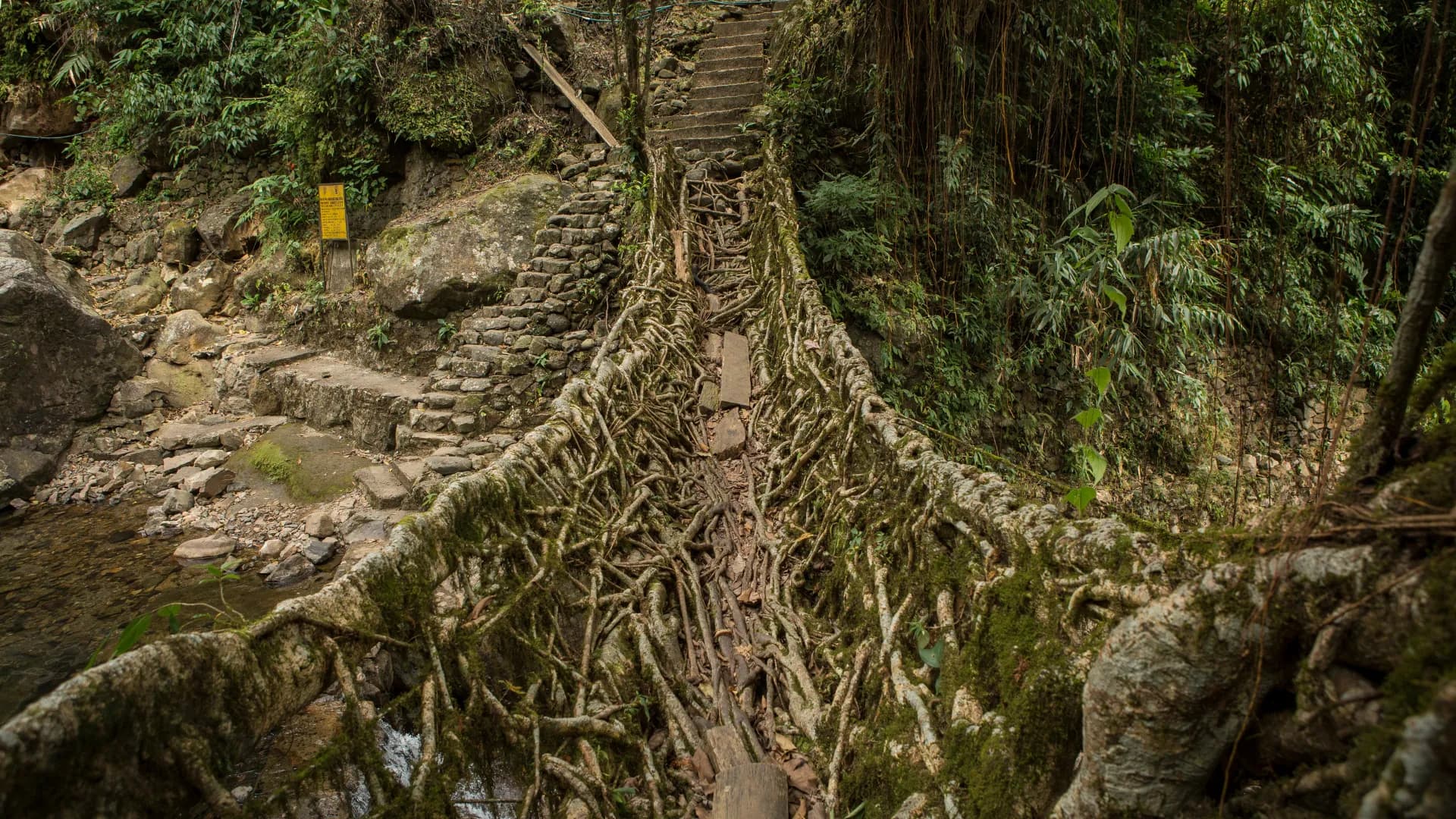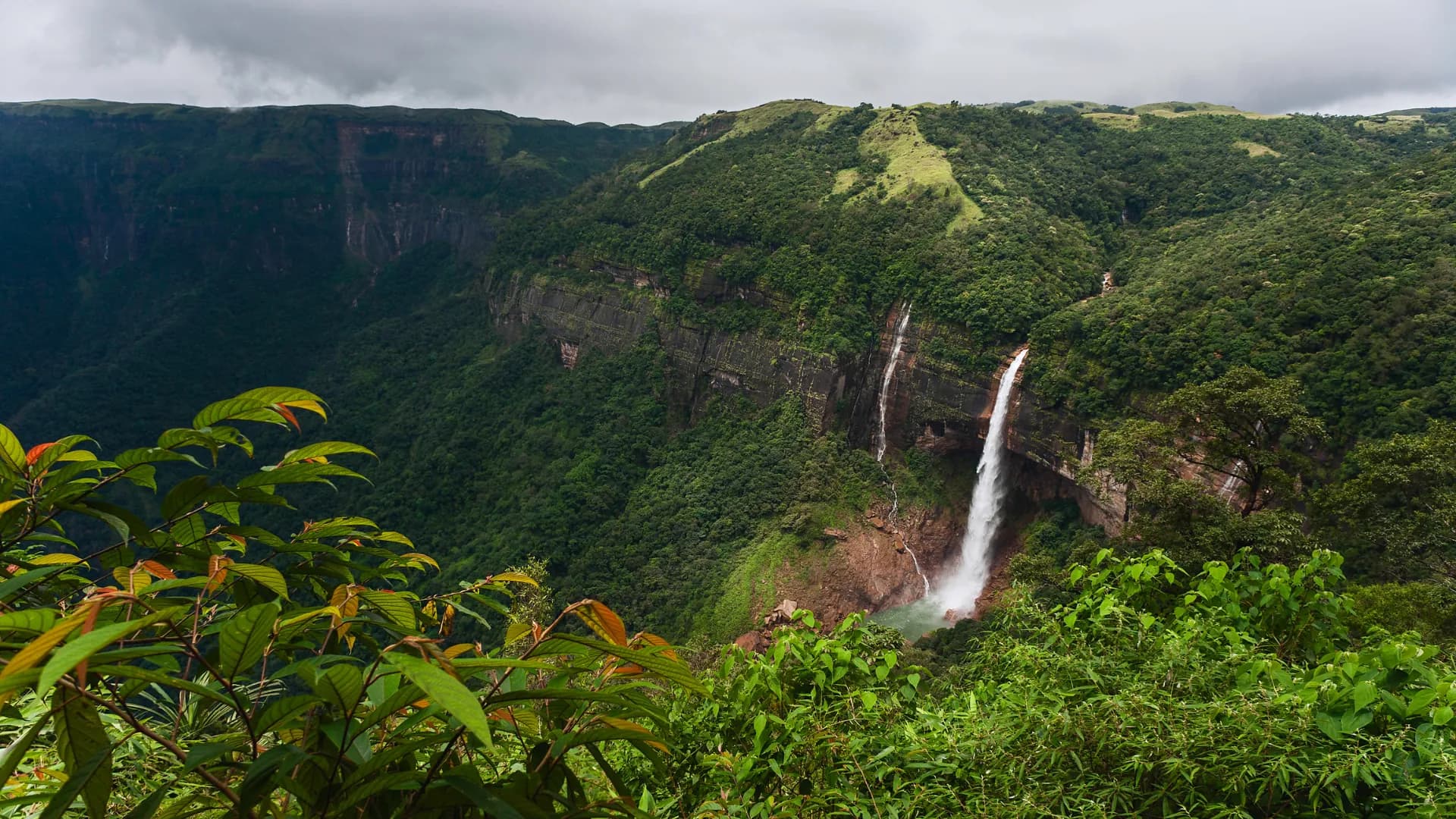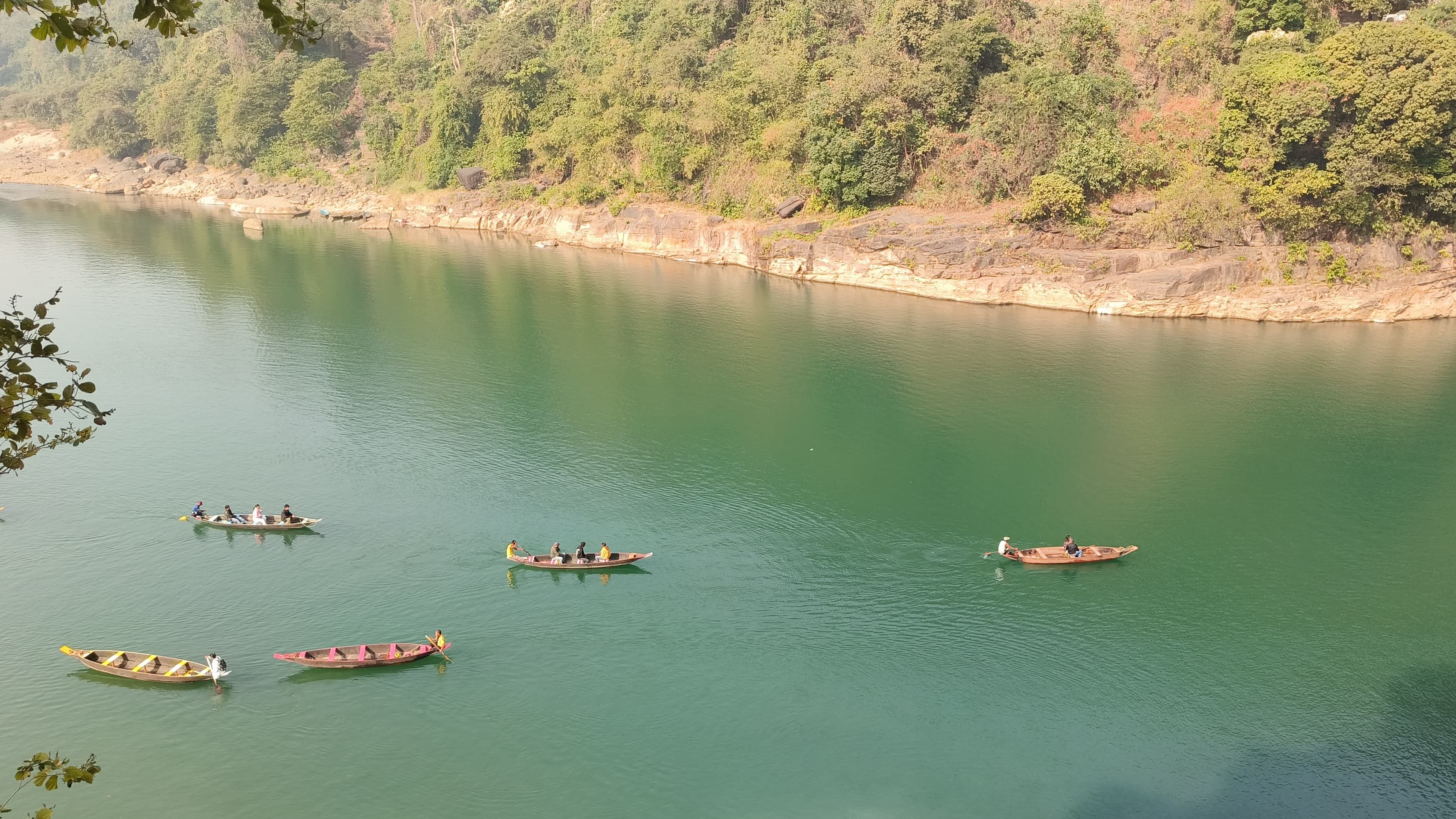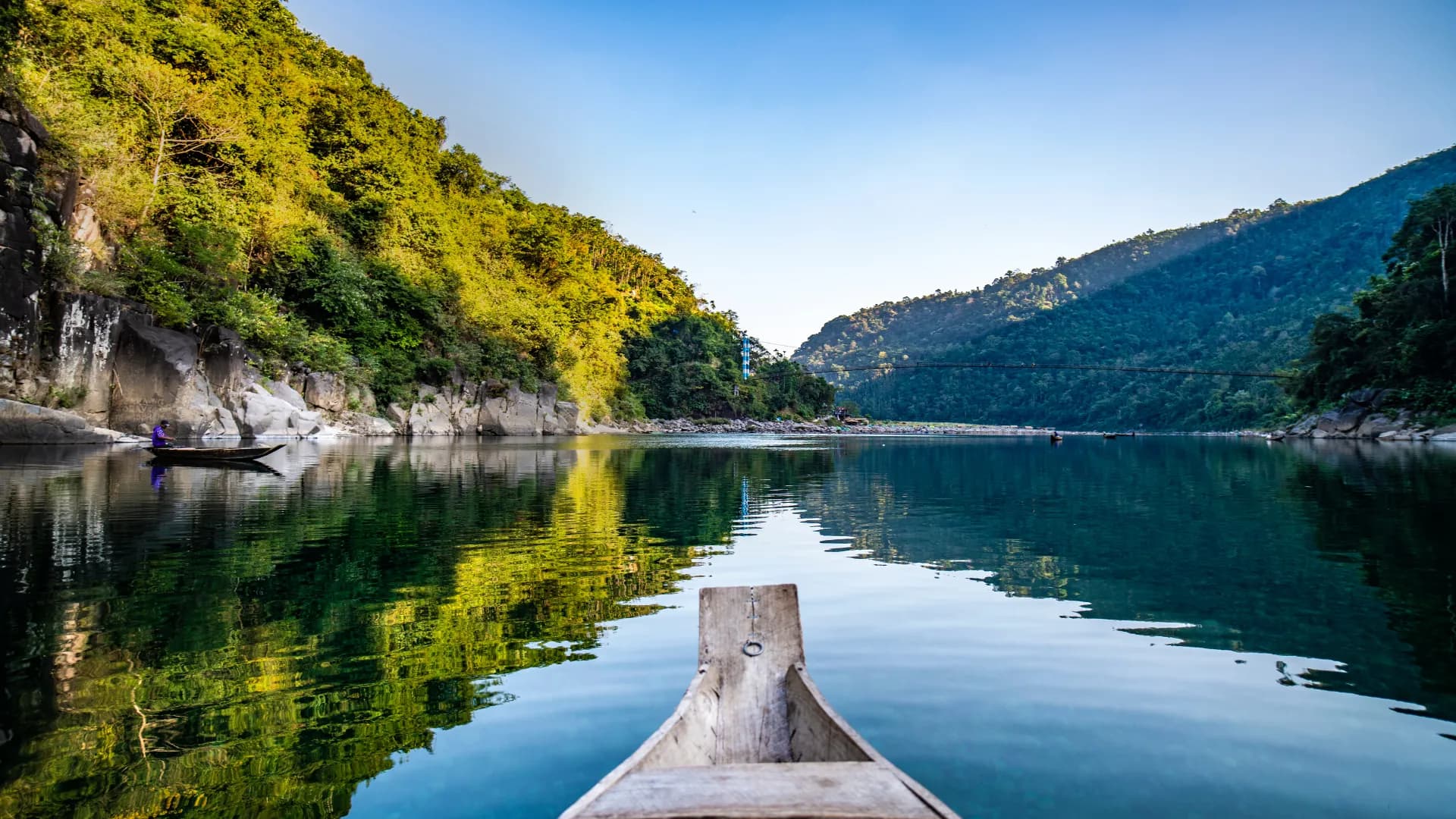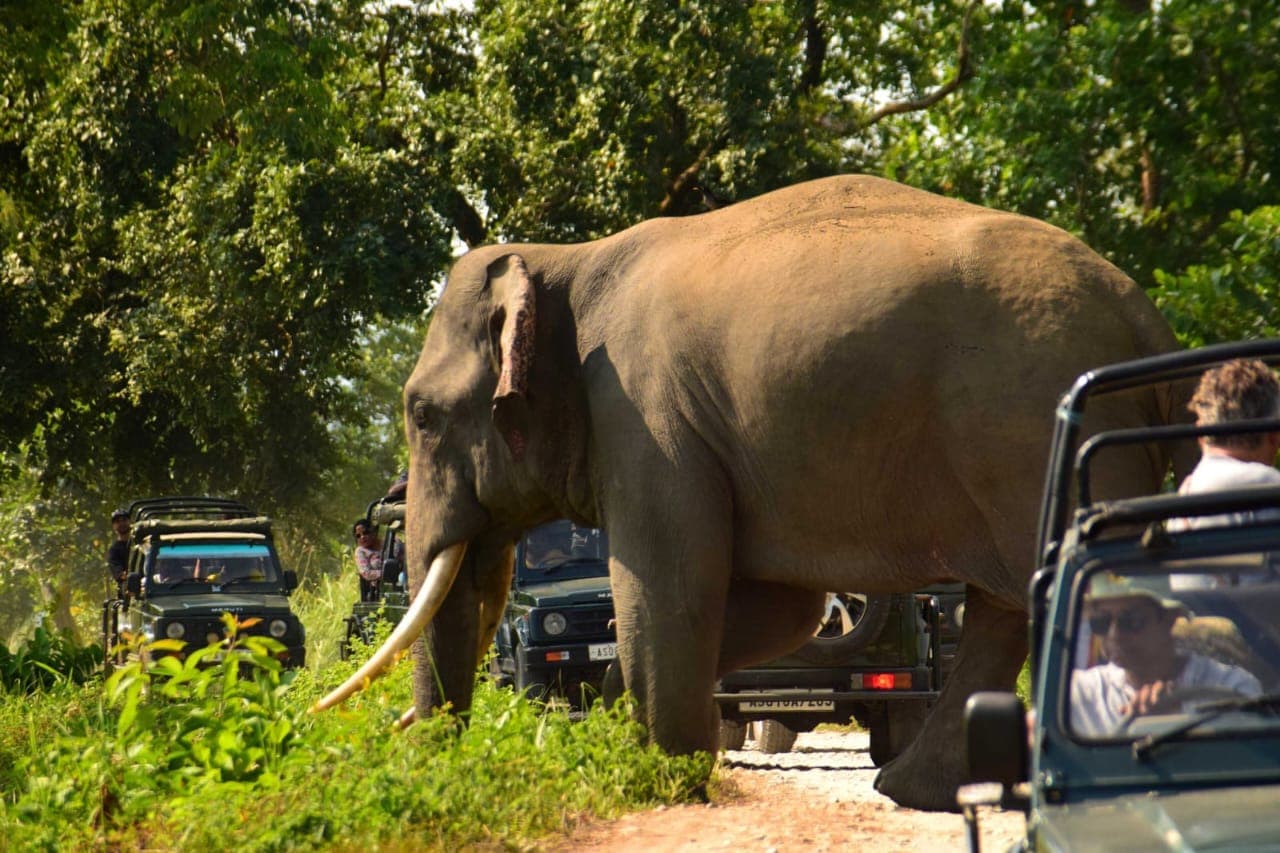
There are places you visit, and there are places that quietly become a part of you. Manas National Park belongs to the second kind. Hidden in the foothills of the Eastern Himalayas, where the lush landscapes of Assam meet the forests of Bhutan, Manas is one of India's last truly wild frontiers. It is a destination where nature still follows its own rhythm, untouched by the rush of modern life. Here, mornings begin with mist rising from the Manas River, birdsong echoing through ancient forests, and golden sunlight slowly illuminating endless grasslands. Unlike many wildlife destinations that revolve around crowded safaris and hurried sightseeing, Manas offers something increasingly rare—space, silence, and the freedom to experience nature at its own pace. Every journey into the park feels different. One day you may witness a herd of wild elephants crossing a river, while another morning rewards you with the sight of a Great Hornbill soaring above towering Sal trees or a family of deer disappearing into the tall grass. Recognised as a UNESCO World Heritage Site, Project Tiger Reserve, Elephant Reserve, and Biosphere Reserve, Manas National Park is among the most ecologically significant protected areas in Asia. Its forests shelter an extraordinary diversity of wildlife, including the Royal Bengal Tiger, Asian Elephant, Golden Langur, Wild Water Buffalo, Pygmy Hog, and more than 500 species of birds. Yet the true magic of Manas cannot be explained by numbers alone. It is found in the stillness of the forest before sunrise. It is the crystal-clear river flowing down from Bhutan. It is the warmth of the indigenous Bodo community whose traditions have remained deeply connected with this landscape for generations. It is the feeling of disconnecting from the noise of everyday life and reconnecting with nature in its purest form. Whether you are a wildlife photographer searching for the perfect frame, a birdwatcher chasing rare species, a family looking for a meaningful holiday, or a traveller seeking an authentic wilderness experience, Manas offers memories that stay with you long after the journey ends. This comprehensive travel guide has been created to help you discover every aspect of Manas National Park—from its fascinating history and incredible biodiversity to safari experiences, accommodation options, travel tips, seasonal highlights, and carefully planned itineraries. If you are planning a wildlife holiday in Northeast India, there are few places that can match the beauty, serenity, and ecological richness of Manas National Park.
Why Visit Manas National Park?
India is home to more than one hundred national parks, each offering its own unique experience. However, very few combine forests, rivers, grasslands, Himalayan landscapes, and globally significant wildlife into a single destination.
Manas National Park stands apart because it is not defined by a single attraction. Instead, it offers a complete wilderness experience.
Here, crystal-clear rivers wind through dense forests before opening into vast alluvial grasslands. Ancient Sal trees provide shelter to elusive predators, while wetlands attract hundreds of migratory and resident birds throughout the year. Every landscape supports a different ecosystem, creating one of the richest biodiversity hotspots in South Asia.
Unlike heavily commercialised wildlife destinations, Manas retains a sense of tranquillity. Safari routes remain relatively uncrowded, allowing visitors to enjoy nature without constant vehicle traffic or noise. This peaceful atmosphere makes wildlife sightings feel more natural and photography significantly more rewarding.
Beyond its remarkable biodiversity, Manas also offers meaningful cultural experiences through the indigenous Bodo communities, whose traditions, hospitality, and sustainable way of life add another dimension to every journey.
A visit to Manas is not simply about spotting wildlife. It is about experiencing one of India's last great wilderness landscapes in its most authentic form.
Why Manas National Park Should Be on Every Nature Lover's Bucket List
Some destinations are famous because they attract millions of visitors every year. Others remain unforgettable because they offer something far more valuable—an authentic connection with nature. Manas National Park belongs to the second category.
Nestled along the foothills of the Eastern Himalayas, Manas is one of the few places in India where forests, rivers, grasslands, and wildlife still exist in remarkable harmony. Unlike heavily commercialised wildlife destinations, Manas offers a quieter and more immersive experience, allowing visitors to appreciate the wilderness without overwhelming crowds.
What truly sets Manas apart is its extraordinary ecological diversity. Within a single protected landscape, travellers can explore dense Sal forests, crystal-clear rivers, vast alluvial grasslands, wetlands, and bamboo groves. These varied habitats support an incredible range of wildlife, making every safari unique and unpredictable.
Manas is also one of the rare protected areas in the world to hold multiple prestigious conservation recognitions. It is a UNESCO World Heritage Site, a Project Tiger Reserve, an Elephant Reserve, a Biosphere Reserve, and an Important Bird Area (IBA). These honours reflect the park's outstanding global significance and its role in protecting endangered species and fragile ecosystems.
Beyond its wildlife, Manas offers experiences that cannot be measured by animal sightings alone. Watching the sunrise over mist-covered grasslands, listening to the calls of hornbills echo through ancient forests, relaxing beside the pristine Manas River, and interacting with the indigenous Bodo community create memories that remain long after the journey ends.
Top 10 Reasons to Visit Manas National Park
1. A UNESCO World Heritage Site – Internationally recognised for exceptional natural beauty and outstanding biodiversity. 2. One of India's Richest Wildlife Destinations – Home to the Royal Bengal Tiger, Asian Elephant, Indian One-Horned Rhinoceros, Golden Langur, Wild Water Buffalo, Gaur, Pygmy Hog, and more. 3. Incredible Birdwatching Opportunities – Over 500 recorded bird species, making it one of the finest birdwatching destinations in Northeast India. 4. Peaceful and Less Crowded Safaris – Enjoy nature in a relaxed and authentic way with fewer tourist vehicles. 5. Stunning Natural Landscapes – Dense Sal forests, lush grasslands, crystal-clear rivers, and Himalayan foothills. 6. A Paradise for Wildlife Photography – Diverse habitats, golden natural light, and rich wildlife. 7. Rich Bodo Culture and Local Hospitality – Vibrant traditions, cuisine, music, and warm hospitality. 8. Exciting Jeep Safari Adventures – Unpredictable and thrilling drives through the forest. 9. Perfect for Every Type of Traveller – Families, couples, solo travellers, birdwatchers, and photographers. 10. An Authentic Wilderness Experience – Reconnect with nature away from the fast pace of everyday life.
Flora & Conservation History of Manas
Flora of Manas National Park – The Green Heart of Assam's Wilderness
The extraordinary biodiversity of Manas National Park begins with its forests. Before visitors encounter tigers, elephants, or hornbills, they are welcomed by a landscape of towering trees, lush grasslands, bamboo groves, and crystal-clear rivers.
Tropical Semi-Evergreen & Moist Deciduous Forests: Large sections are covered by tropical semi-evergreen forests and moist deciduous forests dominated by Sal (Shorea robusta) trees. Other common trees include Simul, Gamari, Khair, Sissoo, Teak, Silk Cotton Tree, and Indian Laurel.
Vast Alluvial Grasslands: Extensive alluvial grasslands are vital for the survival of endangered species like the Indian One-Horned Rhinoceros, Wild Water Buffalo, Hog Deer, and the critically endangered Pygmy Hog.
Bamboo Groves & Riverine Forests: Bamboo forests provide habitats for elephants and primates, while the Manas River nourishes rich riverine forests and wetlands supporting migratory birds, otters, and freshwater turtles.
Every Great Forest Has a Story. Manas Has One Worth Experiencing.
The park takes its name from the Manas River, originating in Bhutan and believed to be named after Goddess Manasa.
The Evolution & Conservation Journey: Declared a Wildlife Sanctuary in 1928, upgraded to Manas National Park in 1990. In 1985, UNESCO declared it a World Heritage Site. Manas forms a continuous natural landscape with Royal Manas National Park in Bhutan, creating an international wildlife corridor.
A Story of Recovery: Despite severe challenges in the 1980s and 1990s, anti-poaching measures, community participation, and habitat restoration successfully revived the park, reintroducing rhinos and protecting endangered species.
The Bodo Community: The indigenous Bodo community continues to play a vital role in protecting this landscape. Community-based tourism empowers local residents while ensuring long-term conservation.
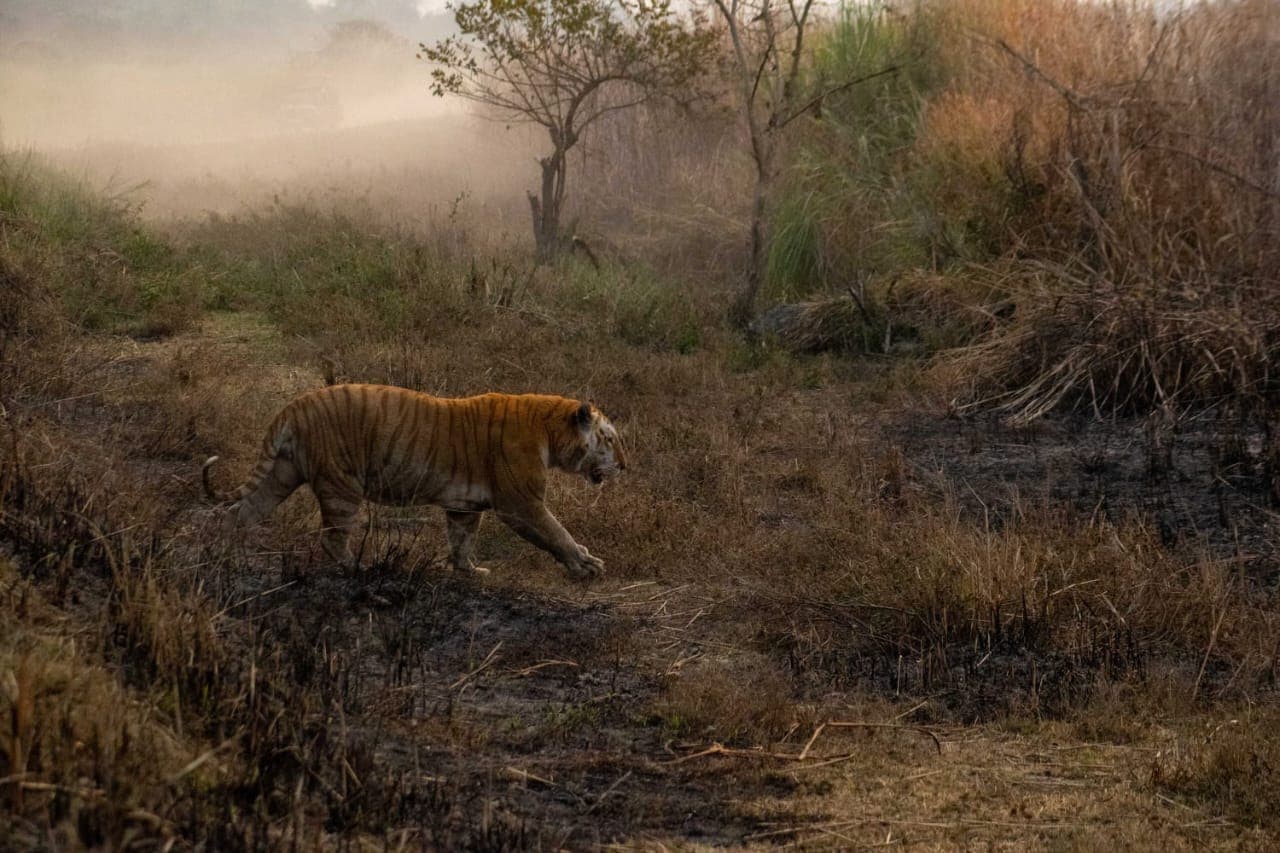
Wildlife of Manas: Mammals, Birds, Reptiles & Photography
Wildlife of Manas National Park
Manas is home to over 60 species of mammals, 500+ species of birds, numerous reptiles, and thousands of plant species.
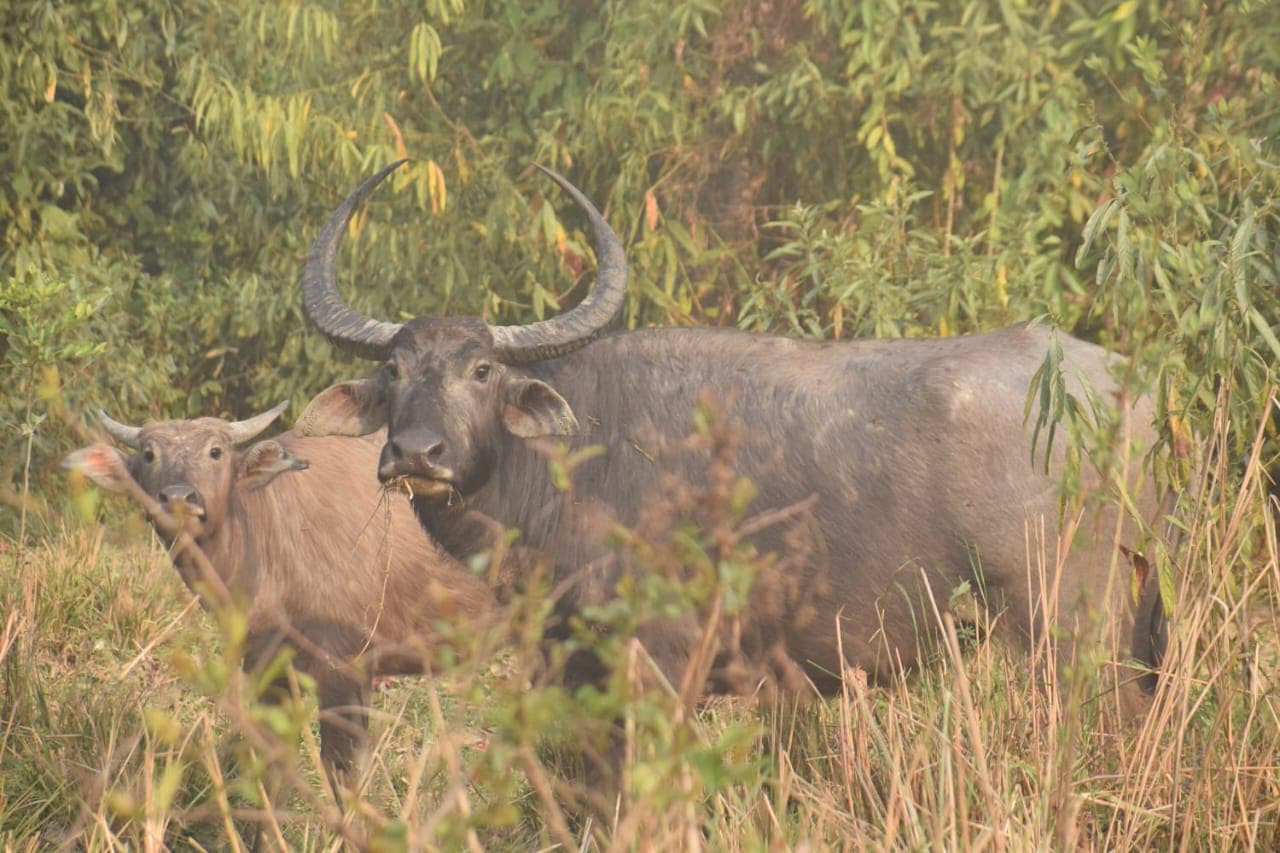
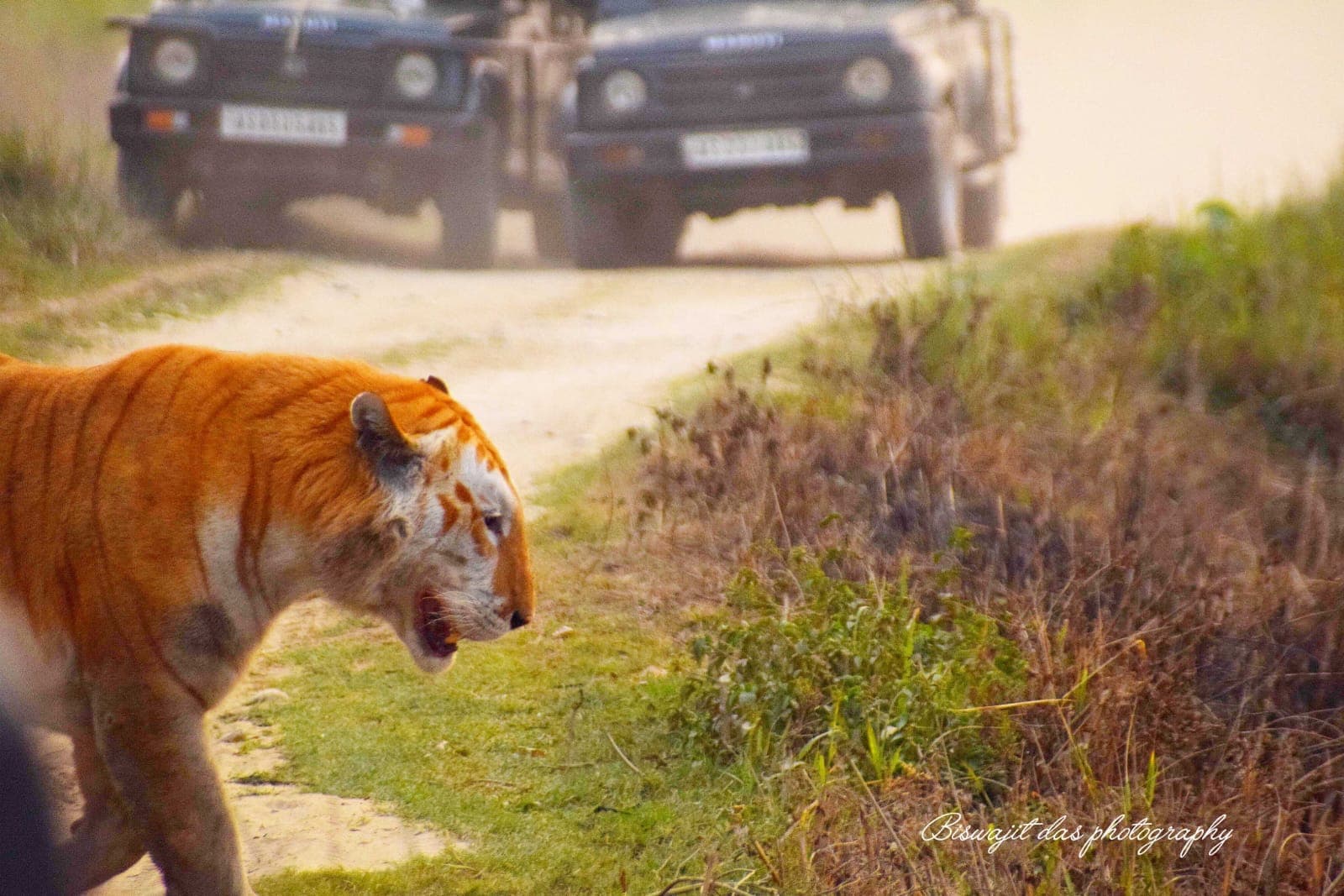
Mammals of Manas National Park: - Royal Bengal Tiger: Apex predator roaming freely across forests and grasslands. - Asian Elephant: Large herds frequently moving through forests and crossing rivers. - Wild Water Buffalo: Healthy population of one of the rarest wild bovines in the world. - Golden Langur: Endemic primate with a striking golden coat, found in Assam and Bhutan. - Pygmy Hog: The world's smallest and rarest wild pig, surviving thanks to dedicated conservation programs. - Other Mammals: Indian Gaur, Sambar Deer, Hog Deer, Barking Deer, Leopard, Clouded Leopard, Leopard Cat, Jungle Cat, Smooth-coated Otter, Himalayan Black Bear, Wild Boar, Capped Langur, Assamese Macaque, and Fishing Cat.
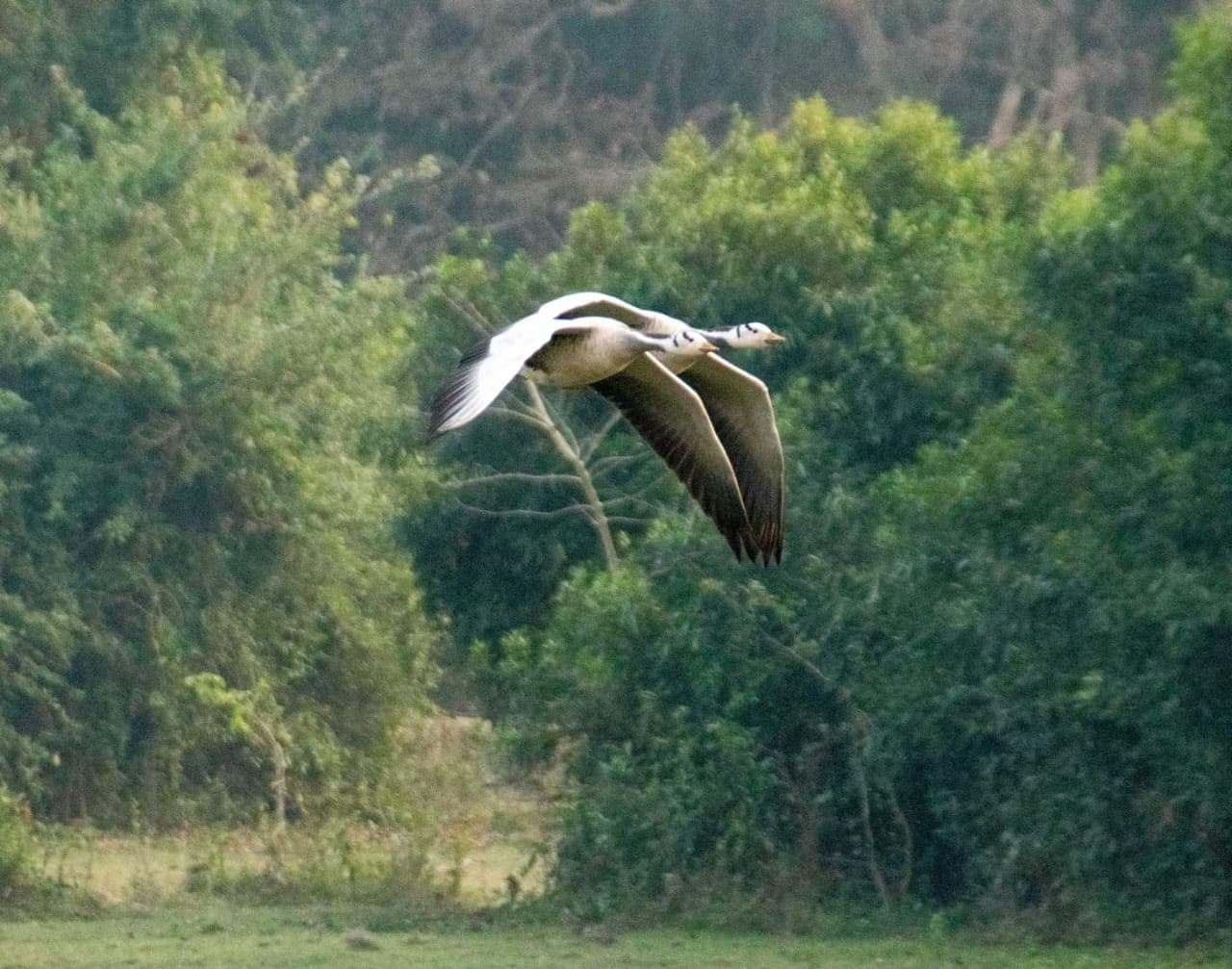
Birdwatcher's Paradise: Notable species include Great Hornbill, Wreathed Hornbill, Rufous-necked Hornbill, Bengal Florican, Lesser Adjutant Stork, Black-necked Stork, Crested Serpent Eagle, Pallas's Fish Eagle, White-winged Duck, Green Pigeon, Scarlet Minivet, Oriental Pied Hornbill, Kingfishers, Woodpeckers, Barbets, Drongos, Bee-eaters, and Parakeets. Winter brings numerous migratory birds.
Reptiles & Aquatic Life: Indian Python, King Cobra, Monitor Lizard, Assam Roofed Turtle, freshwater turtles, and vibrant butterflies and dragonflies.
Wildlife Photography: Soft morning light, uncrowded safari trails, and vast open grasslands make Manas a dream destination for wildlife photographers.
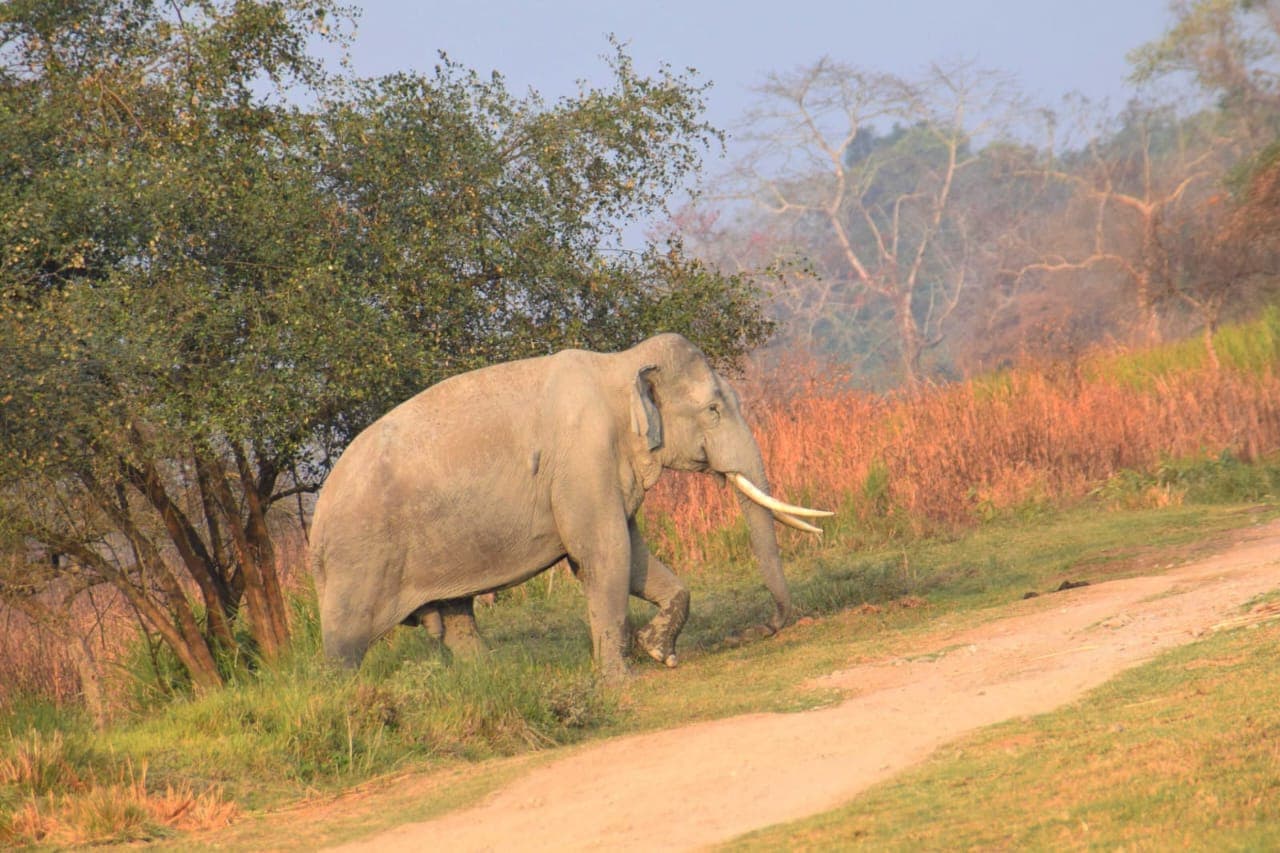
Safari Experience & Safari Zones (Bansbari, Bhuyanpara, Panbari)
Manas National Park Safari Experience & Safari Zones
A jeep safari in Manas is an authentic wilderness adventure guided by professional forest experts.
Safari Timings: - Morning Safari: Approximately 6:00 AM – 9:00 AM - Afternoon Safari: Approximately 2:00 PM – 5:00 PM
Safari Zones Breakdown:
1. Bansbari Range – The Most Popular Safari Zone: Main tourism entry point with a mix of forests, grasslands, and riverbanks. Gateway to Mathanguri overlooking the Manas River and Bhutan hills. Ideal for first-time visitors and families. Common sightings include Elephants, Wild Buffalo, Deer, Golden Langur, and Gaur.
2. Bhuyanpara Range – A Paradise for Wildlife Enthusiasts: Peaceful zone with extensive grasslands and riverine forests. Fewer vehicles, high chances of tiger, wild buffalo, elephant, and Bengal Florican sightings. Preferred by wildlife photographers.
3. Panbari Range – A Birdwatcher's Paradise: Dense forests and exceptional birdlife. Home to hornbills, woodpeckers, barbets, minivets, and golden langurs.
Book Your Manas National Park Safari
Experience the thrill of exploring the wild with our hassle-free safari booking services. Whether you prefer an exciting Jeep Safari or the unique experience of an Elephant Safari (subject to availability and Forest Department regulations), NEexplore NOW helps you plan a seamless wildlife adventure.
Reserve your safari in advance and experience the incredible wildlife of Manas National Park with NEexplore NOW.
Book Your Manas National Park Safari
Experience the thrill of exploring the wild with our hassle-free safari booking services. Whether you prefer an exciting Jeep Safari or the unique experience of an Elephant Safari (subject to availability and Forest Department regulations), NEexplore NOW helps you plan a seamless wildlife adventure.
- Jeep Safari Booking - Elephant Safari Booking - Private Manas Tour Packages - Customised Wildlife Tours - Assam Tour Package
Reserve your safari in advance and experience the incredible wildlife of Manas National Park with NEexplore NOW.
Responsible Safari Guidelines: Maintain silence, stay inside vehicles, never feed or disturb wildlife, carry back trash, and follow guide instructions.
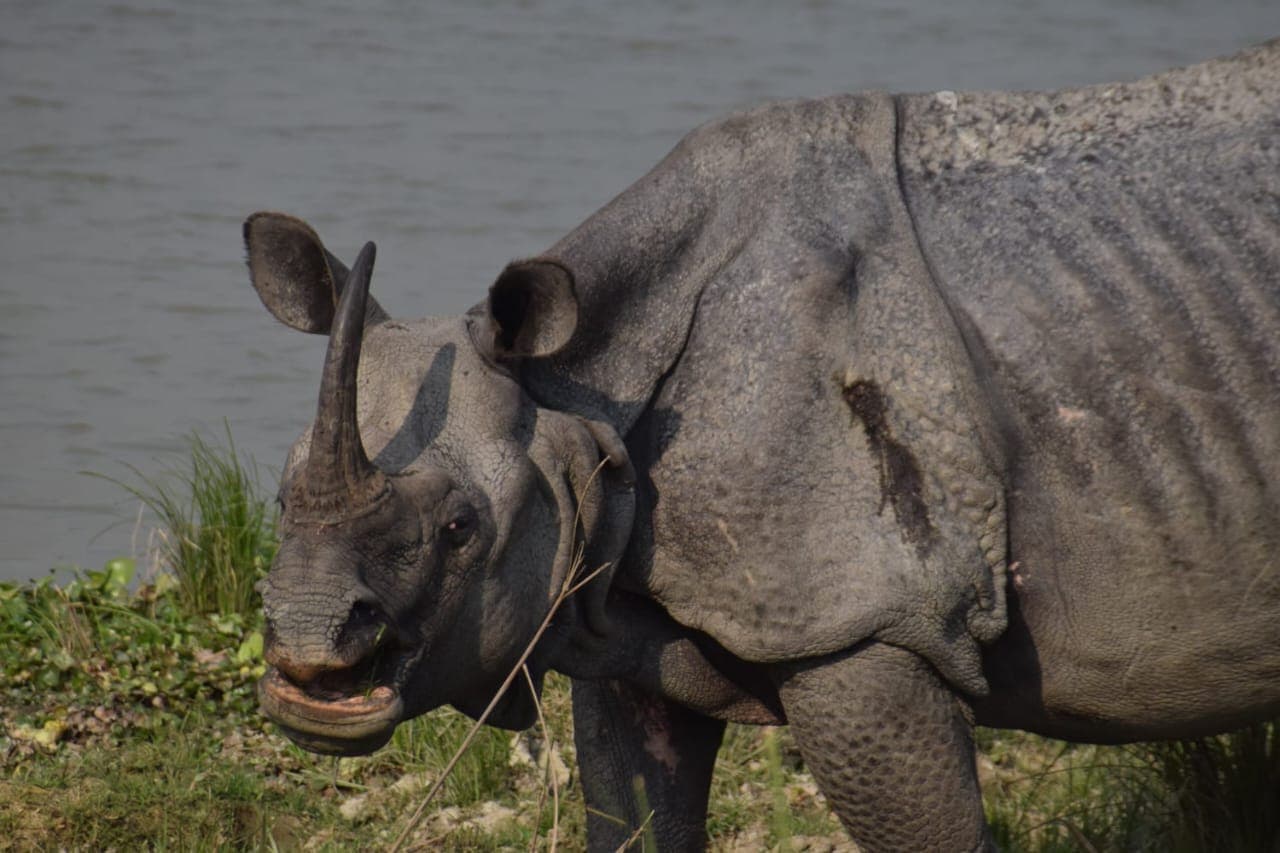
Travel Planning, Stay, Cuisine, Itineraries & Responsible Tourism
Planning Your Journey to Manas National Park
How to Reach: - By Air: Lokpriya Gopinath Bordoloi International Airport, Guwahati (180 km / 4.5–5 hours by road). - By Train: Barpeta Road Railway Station (22 km / 30–40 mins by road) or Guwahati Railway Station. - By Road: Guwahati – 180 km (4.5–5 hours), Barpeta Road – 22 km, Bongaigaon – 50 km, Kokrajhar – 90 km.
Where to Stay: - Luxury Jungle Resorts: Spacious air-conditioned rooms, private balconies, fine local dining, nature walks, and bonfires. - Mid-Range Resorts: Clean rooms, warm hospitality, authentic Assamese meals, easy safari access. - Budget Homestays & Eco Camps: Community-run homestays offering authentic Bodo culture and home-cooked food.
Local Assamese & Bodo Cuisine: Traditional Assamese Thali, Fresh River Fish Curry, Bamboo Shoot Preparations, Smoked Meat Specialties, Black Rice Dessert, Pitha, and Local Herbal Tea.
Suggested 2 Days / 1 Night Itinerary: Day 1: Arrival, check-in, afternoon Jeep Safari, sunset by Manas River, dinner. Day 2: Early morning Jeep Safari, birdwatching, breakfast, departure.
Suggested 3 Days / 2 Nights Itinerary: Day 1: Arrival, check-in, evening nature walk. Day 2: Morning Jeep Safari, village visit, afternoon safari, bonfire. Day 3: Sunrise photography, breakfast, departure.
Family & Solo Travel Tips: - Family: Safe jeep safaris, morning drives, comfortable resorts, binoculars for kids. - Solo Travel: Ideal between November and April for peaceful safaris, meeting photographers, and slow exploration.
Responsible Tourism: Respect wildlife, stay on designated tracks, support local Bodo homestays and guides, avoid plastic waste, and preserve Manas for future generations.
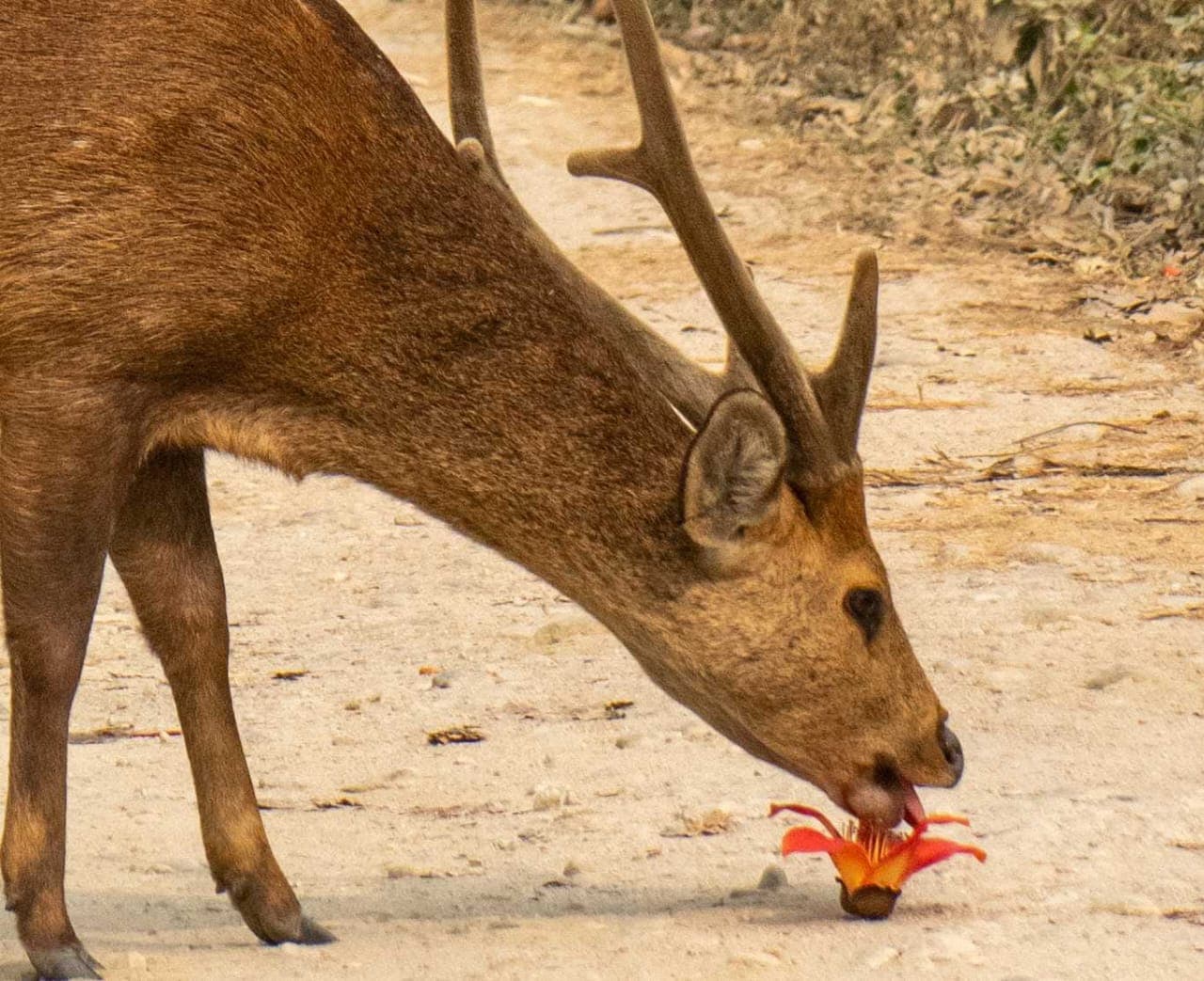
Budget Breakdown, Nearby Attractions & Common Travel Mistakes
Budget Breakdown for a Manas National Park Trip
One of the biggest advantages of visiting Manas National Park is that it offers memorable wildlife experiences for every budget. Whether you're a backpacker, a family, a couple, or a luxury traveller, you can easily plan a trip that matches your preferences and budget.
The overall cost depends on factors such as the duration of your stay, type of accommodation, transportation, safari bookings, and travel season.
Estimated Budget (Per Person): - Budget Trip (2 Days / 1 Night): ₹4,500 – ₹7,000 - Standard Trip (2 Nights / 3 Days): ₹8,000 – ₹12,000 - Premium Trip (2 Nights / 3 Days): ₹13,000 – ₹20,000+
What's Usually Included? - Comfortable accommodation - Private or shared transportation - Jeep Safari - Breakfast - Experienced driver - Local sightseeing - Travel assistance
Additional Expenses: - National park entry fees - Forest guide charges - Camera fees (if applicable) - Lunch and dinner - Personal shopping - Tips and gratuities
Money-Saving Tips: - Visit with family or friends to share transportation costs. - Book your accommodation and safari in advance during the peak season. - Choose a complete tour package for better value and hassle-free planning. - Travel during the shoulder season (October or April) for attractive hotel rates and fewer crowds.
Is Manas National Park Worth the Cost?
Absolutely. Considering its UNESCO World Heritage status, incredible biodiversity, peaceful safari experience, and breathtaking natural landscapes, Manas National Park offers exceptional value for money.
Nearby Attractions to Visit Around Manas National Park
- Mathanguri: Located inside the park near the India–Bhutan border, Mathanguri is one of the most scenic spots in Manas, offering breathtaking views of the Manas River, surrounding forests, and Bhutan hills. - Manas River: Flowing through the heart of the national park, crystal-clear and ideal for nature lovers and photographers. - Bodo Villages: Experience the rich culture of the indigenous Bodo community through traditional food, handicrafts, folk music, and warm hospitality. - Royal Manas National Park (Bhutan Border View): Enjoy spectacular views of the continuous forest corridor into Bhutan. - Barpeta: Historic town known for Vaishnavite culture and the historic Barpeta Satra.
Common Travel Mistakes to Avoid When Visiting Manas National Park
- Booking safari permits at the last minute during the peak season. - Planning only a one-day visit instead of staying for at least 2–3 days. - Wearing bright-coloured clothing that may disturb wildlife. - Expecting guaranteed tiger sightings instead of enjoying the complete forest experience. - Making loud noises or playing music during jeep safaris. - Forgetting to carry binoculars, a camera, or extra batteries. - Ignoring weather forecasts and packing unsuitable clothing. - Littering or using single-use plastics inside the park. - Not carrying enough cash for local purchases. - Booking with unverified operators instead of choosing experienced travel companies.
Manas vs Kaziranga Comparison & Booking with NEexplore NOW
Why Book Your Manas National Park Tour with NEexplore NOW?
A great destination deserves equally great travel planning. At NEexplore NOW, we design personalised itineraries that allow travellers to experience the true beauty of Manas National Park with comfortable stays, private transportation, and hassle-free safari bookings.
Manas National Park vs Kaziranga National Park – Which Wildlife Destination is Right for You?
Assam is home to two of India's most extraordinary wildlife destinations—Manas National Park and Kaziranga National Park. Both are internationally recognised as UNESCO World Heritage Sites, yet they offer completely different experiences.
At a Glance Comparison: - UNESCO World Heritage Site: Manas (Yes) | Kaziranga (Yes) - Landscape: Manas (Himalayan foothills, rivers, tropical forests & grasslands) | Kaziranga (Vast floodplain grasslands, wetlands & forests) - Signature Wildlife: Manas (Golden Langur, Wild Water Buffalo, Pygmy Hog, Tiger, Elephant) | Kaziranga (Indian One-Horned Rhinoceros, Tiger, Elephant, Wild Buffalo) - Safari Experience: Manas (Quiet, scenic and less crowded) | Kaziranga (Popular, exciting and wildlife-focused) - Birdwatching: Manas (500+ species) | Kaziranga (490+ species) - Photography: Manas (Landscape & wildlife) | Kaziranga (Primarily wildlife) - Crowd Level: Manas (Low) | Kaziranga (High during peak season) - Best For: Manas (Nature lovers, photographers, birdwatchers & slow travellers) | Kaziranga (First-time safari visitors and wildlife enthusiasts)
Choose Manas National Park If: - You want to experience one of India's most pristine and peaceful forests. - You wish to explore diverse ecosystems of rivers, forests, wetlands, and grasslands. - You love photographing spectacular Himalayan landscapes alongside wildlife. - You want to observe rare species such as the Golden Langur and Pygmy Hog. - You enjoy birdwatching in one of Asia's richest avian habitats. - You want to experience authentic Bodo culture and community-based tourism.
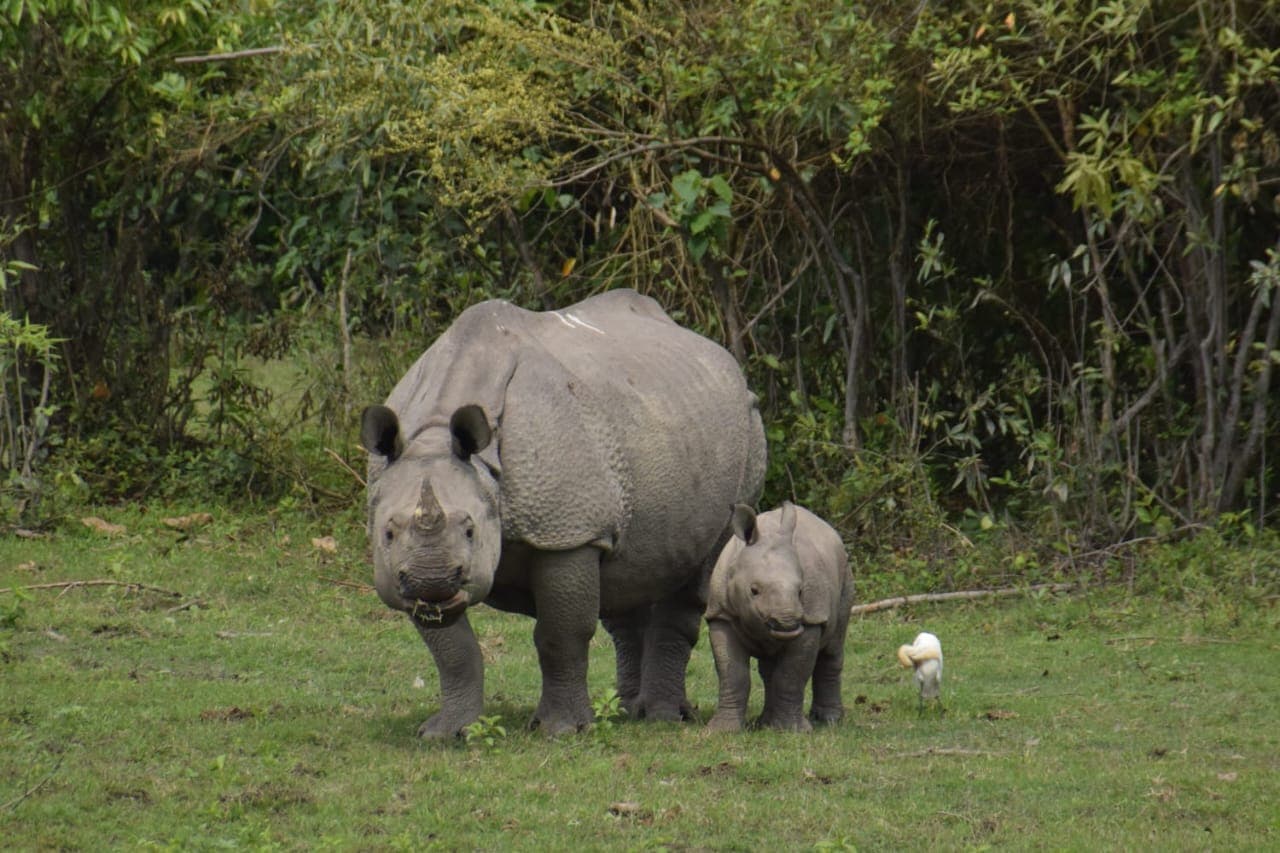
Choose Kaziranga National Park If: - You want to see the iconic Indian One-Horned Rhinoceros in the wild. - You want to maximise your chances of spotting large mammals. - You want to experience both Jeep Safari and Elephant Safari. - You want to visit one of India's most celebrated wildlife reserves.
Which Park is Better for Photography? Choose Manas if you love landscape photography, misty forests, river scenery, birds, rare mammals, and peaceful safari routes. Choose Kaziranga if you love close wildlife encounters, rhino photography, dramatic animal portraits, and high wildlife density.
Can You Visit Both in One Trip? Absolutely! Combining Manas National Park and Kaziranga National Park on a 6 to 8-day Assam Wildlife Tour allows travellers to experience two UNESCO World Heritage Sites, two completely different ecosystems, and some of India's finest wildlife within a single journey.
Final Verdict: If your dream is to witness the Indian One-Horned Rhinoceros, Kaziranga National Park is the ideal choice. If you prefer peaceful forests, breathtaking Himalayan landscapes, rare wildlife, and birdwatching, Manas National Park will capture your heart. If time allows, experience both!
Continue Your Journey Across Northeast India
Inspired by the beauty of Manas National Park? Discover more unforgettable destinations with NEexplore NOW:
- Assam Tour Packages - Northeast India Tour Packages - Kaziranga National Park - Meghalaya Tour Packages - Arunachal Pradesh Tour Packages - Customized Tour Package
Your next adventure begins here. Explore more with NEexplore NOW.
Frequently Asked Questions
Where is Manas National Park located?
Manas National Park is located in western Assam at the foothills of the Eastern Himalayas, bordering Bhutan, approximately 180 km from Guwahati.
What is Manas National Park famous for?
Manas is famous for being a UNESCO World Heritage Site, Project Tiger Reserve, Elephant Reserve, and Biosphere Reserve. It shelters rare species like the Royal Bengal Tiger, Asian Elephant, Golden Langur, Wild Water Buffalo, and Pygmy Hog.
What is the best time to visit Manas National Park?
The best time to visit is from November to April when weather is pleasant, safaris are fully operational, and wildlife sightings are at their peak.
How far is Manas from Guwahati?
Manas National Park is approximately 180 km from Guwahati, taking around 4.5 to 5 hours by road.
What safari options are available in Manas?
Jeep Safaris are the primary and most popular way to explore the different ranges (Bansbari, Bhuyanpara, Panbari) of Manas National Park.
What are the safari timings in Manas?
Morning safaris run from approx. 6:00 AM to 9:00 AM, and afternoon safaris run from approx. 2:00 PM to 5:00 PM.
Which safari zone in Manas is best?
Bansbari is best for first-time visitors and scenic river views; Bhuyanpara is best for open grasslands, photographers, and wildlife density; Panbari is best for dense forests and birdwatching.
How to reach Manas National Park by train or flight?
Fly to Guwahati Airport (180 km) or take a train to Barpeta Road Railway Station (22 km), then hire a private vehicle to the park.
Are there good places to stay near Manas?
Yes, options range from luxury jungle resorts and comfortable mid-range lodges to community-run Bodo homestays and eco-camps.
Why book your Manas National Park tour with NEexplore NOW?
NEexplore NOW offers curated wildlife itineraries, seamless safari bookings, reliable transportation, handpicked stays, and local Bodo community cultural experiences.
"Manas National Park is more than just a wildlife sanctuary—it is a living, breathing testament to successful conservation and untouched nature. Whether watching elephants cross the Manas River at sunset, listening to hornbills echo through ancient Sal forests, or experiencing the warm hospitality of the Bodo community, Manas offers an authentic wilderness experience that stays with you forever. Experience Manas beyond the ordinary with NEexplore NOW."