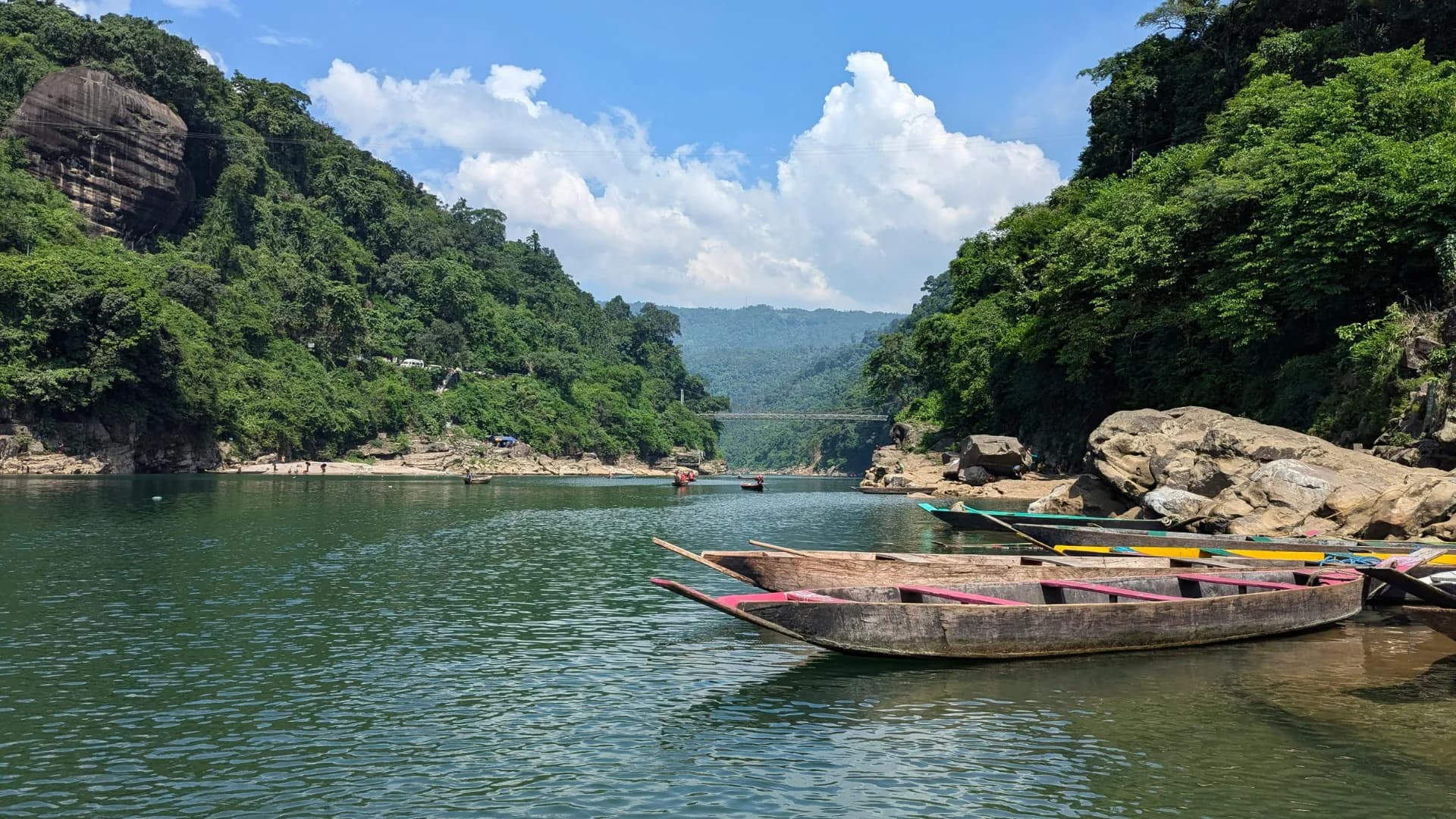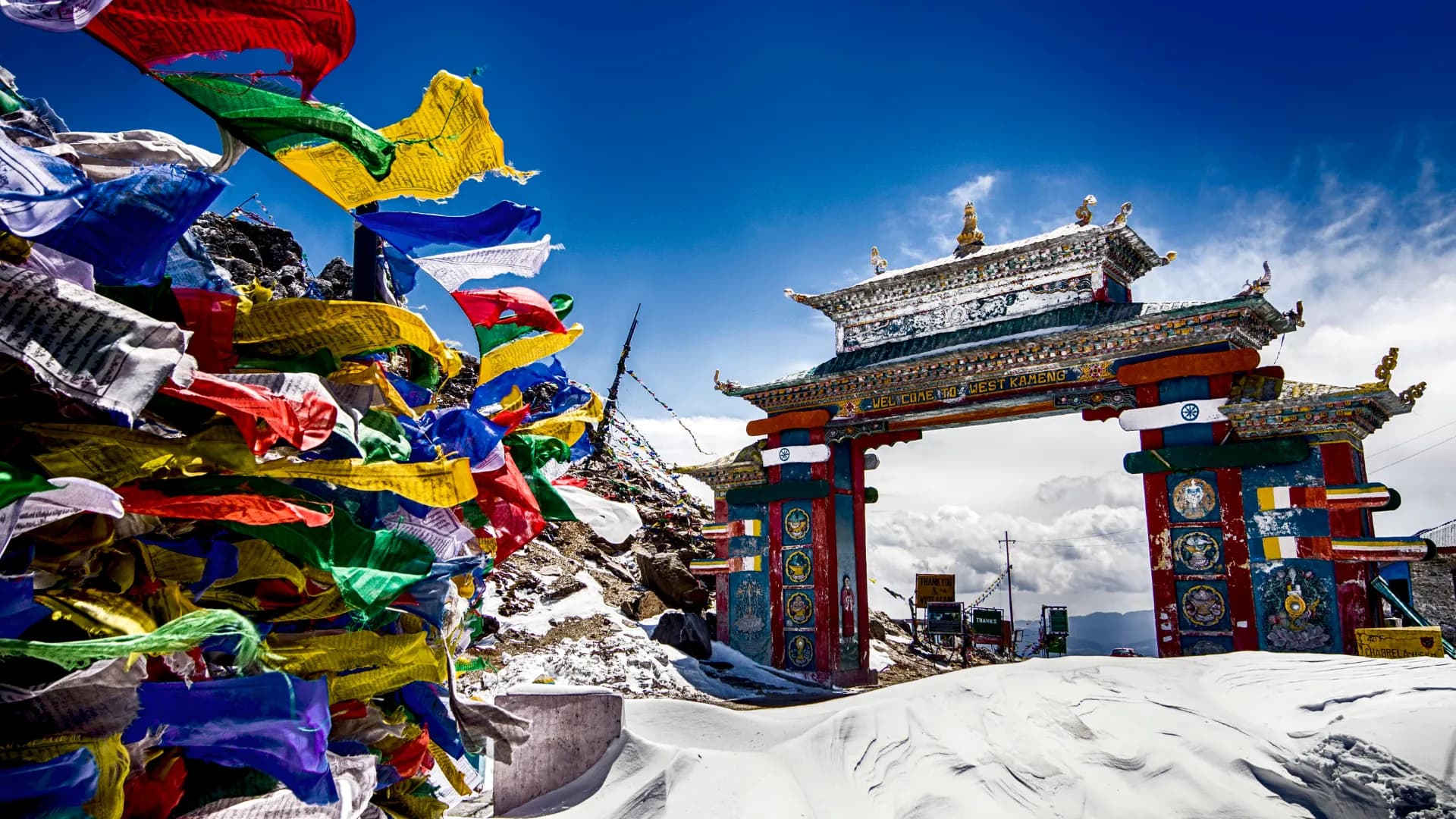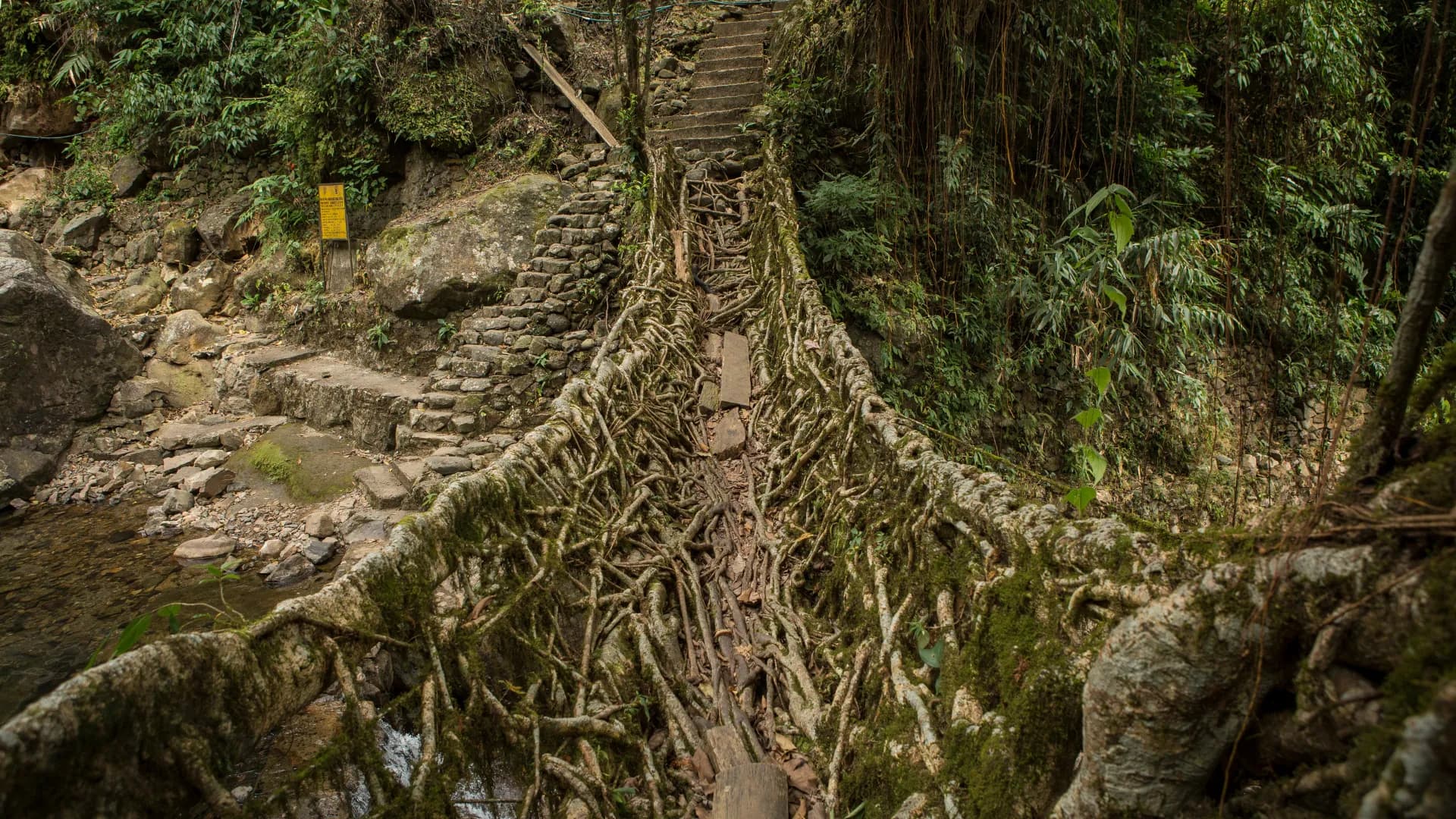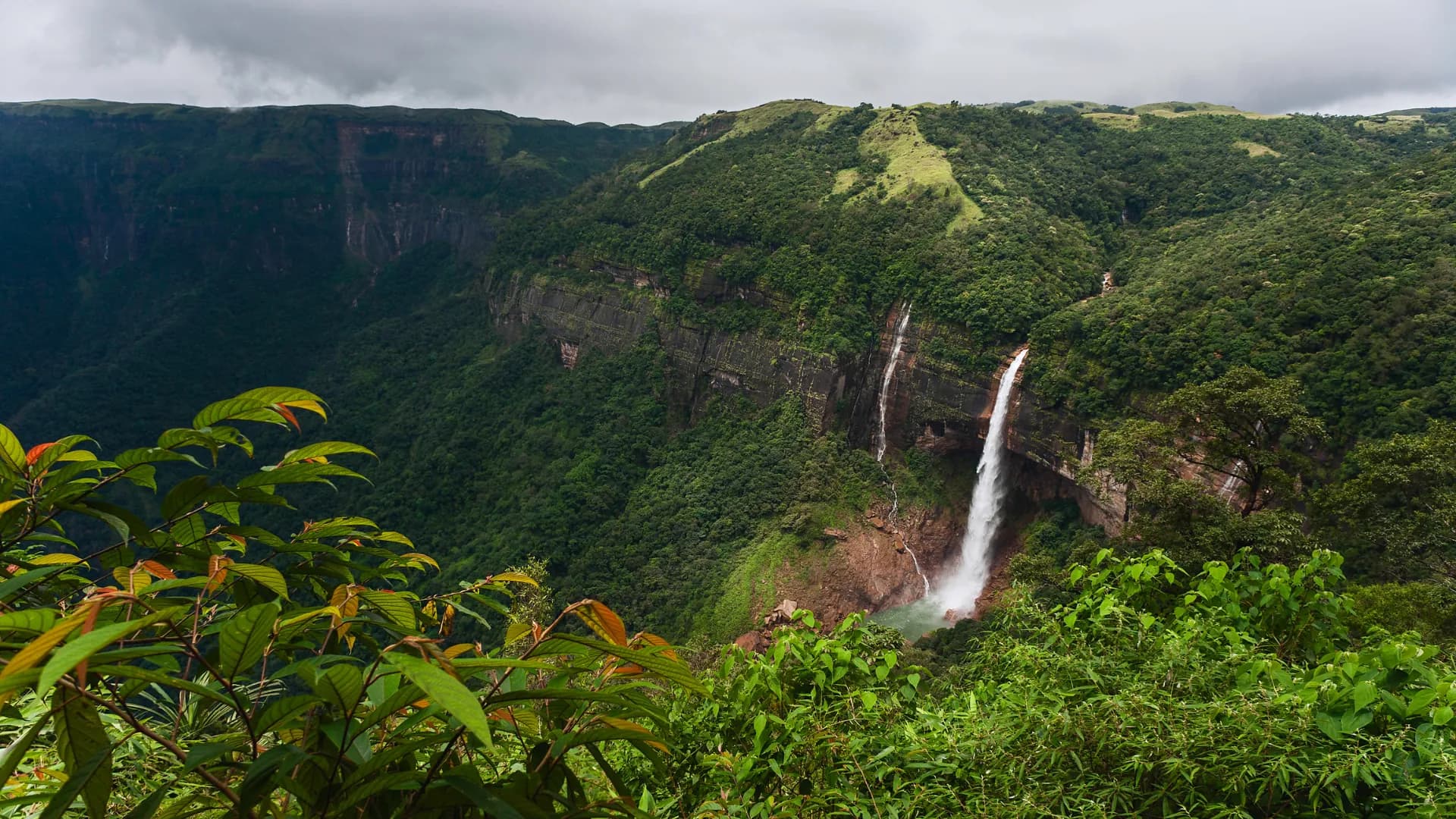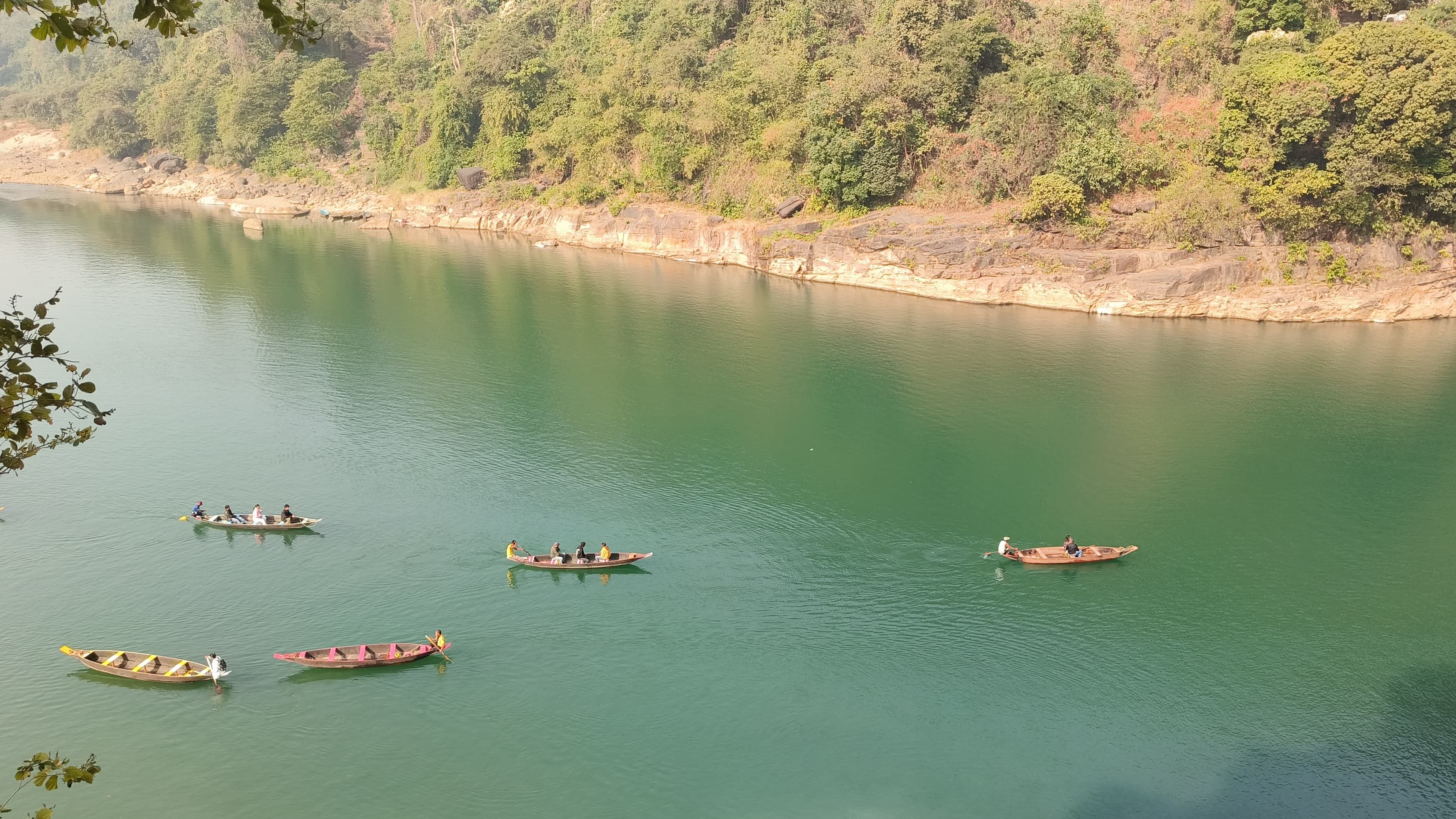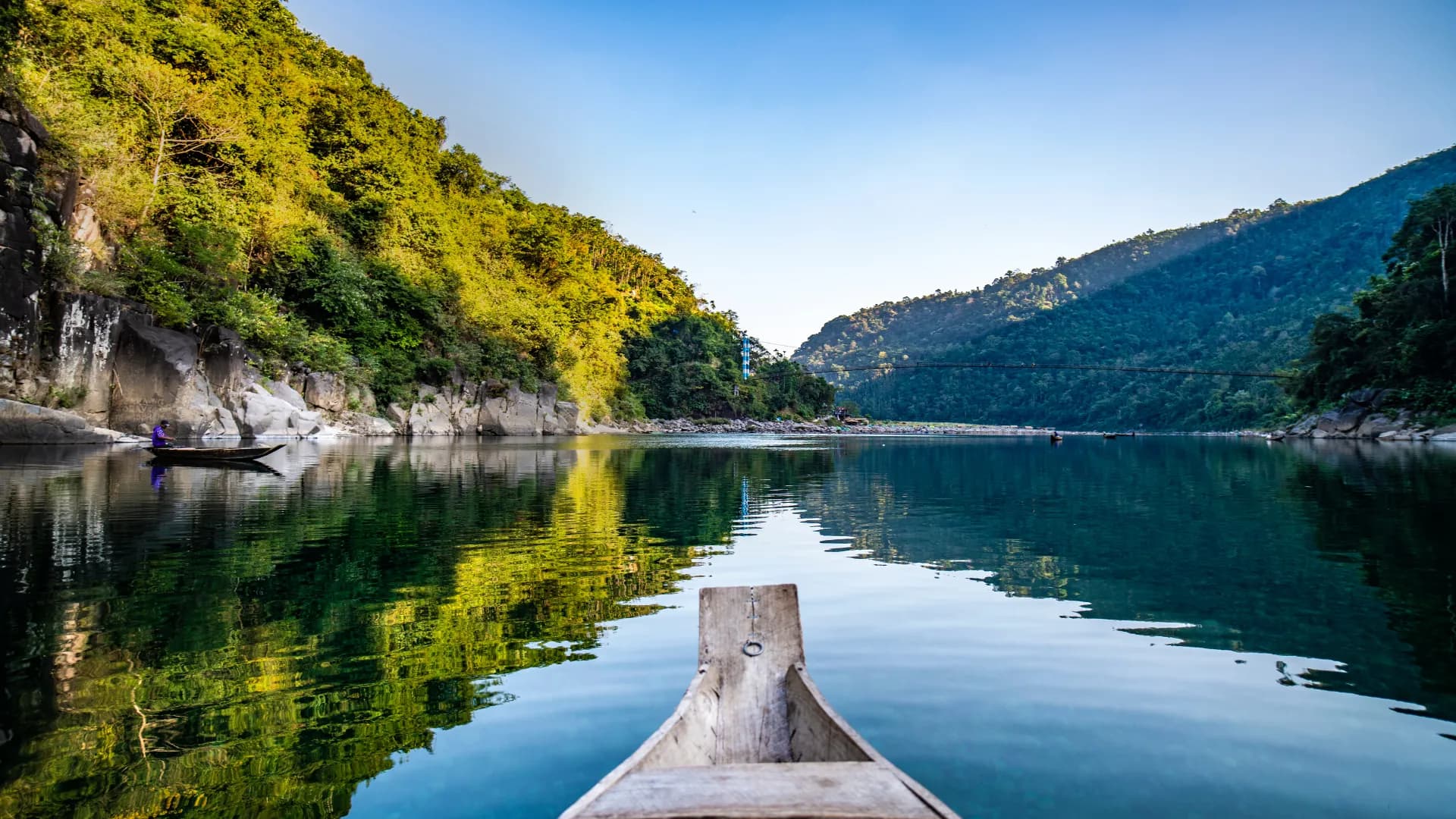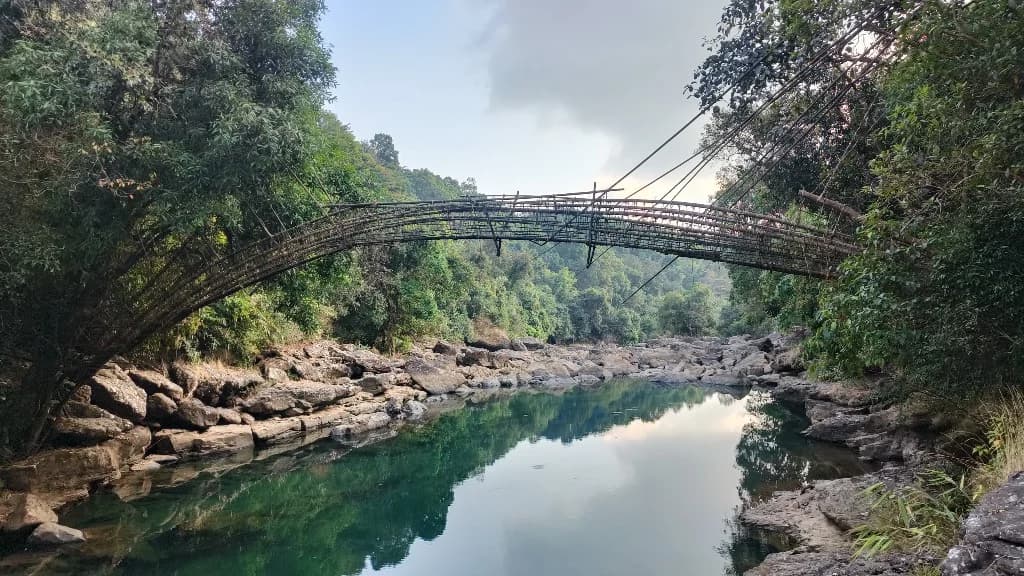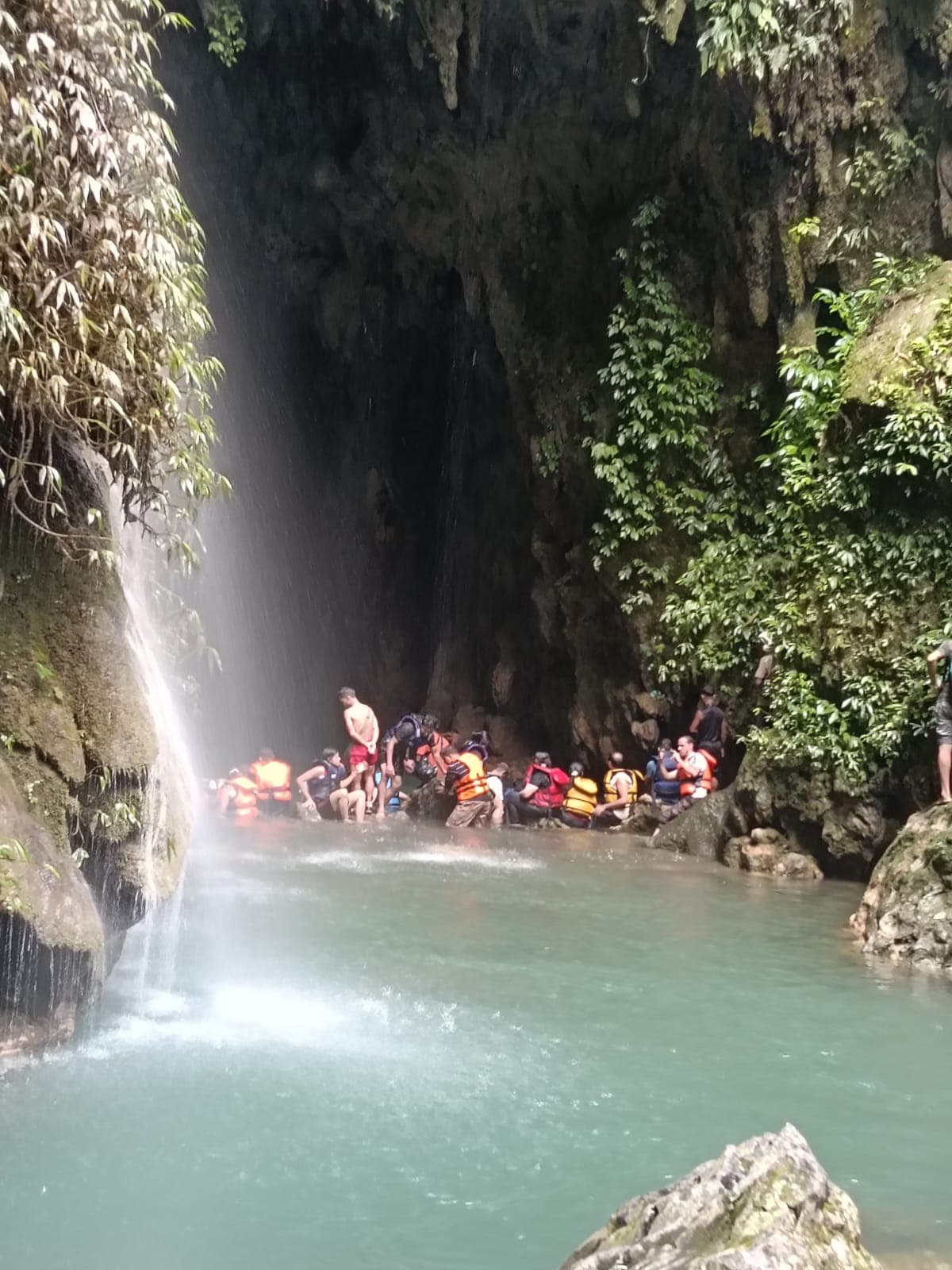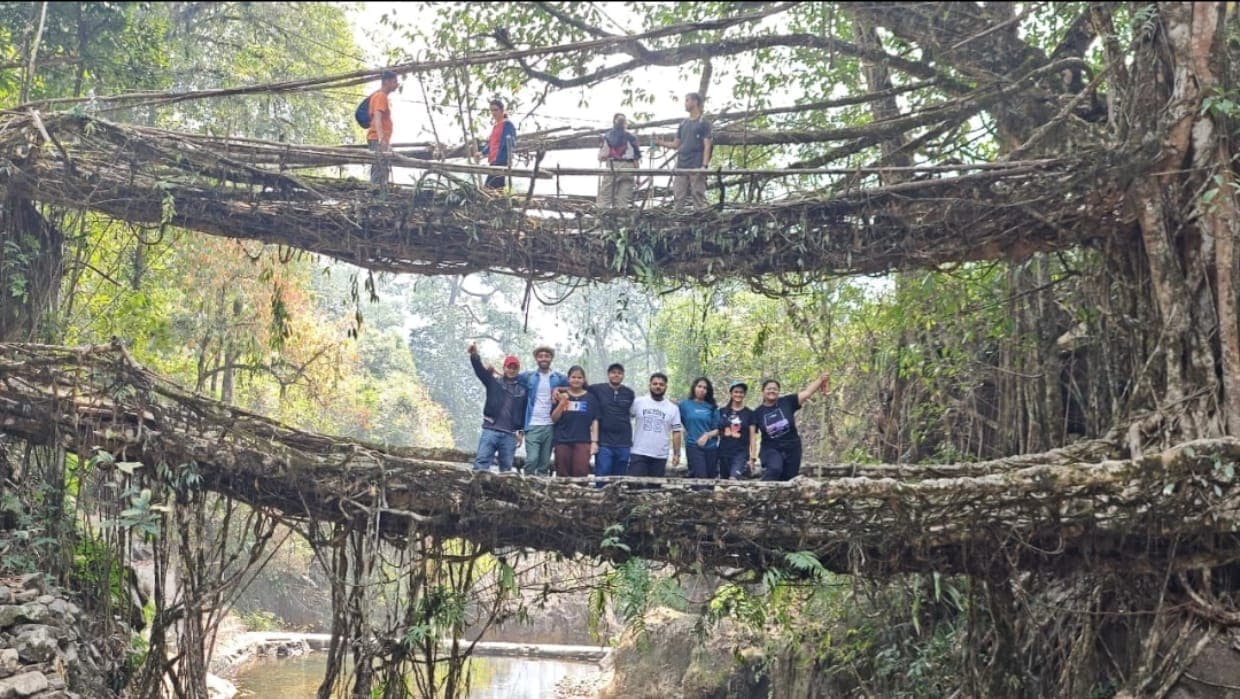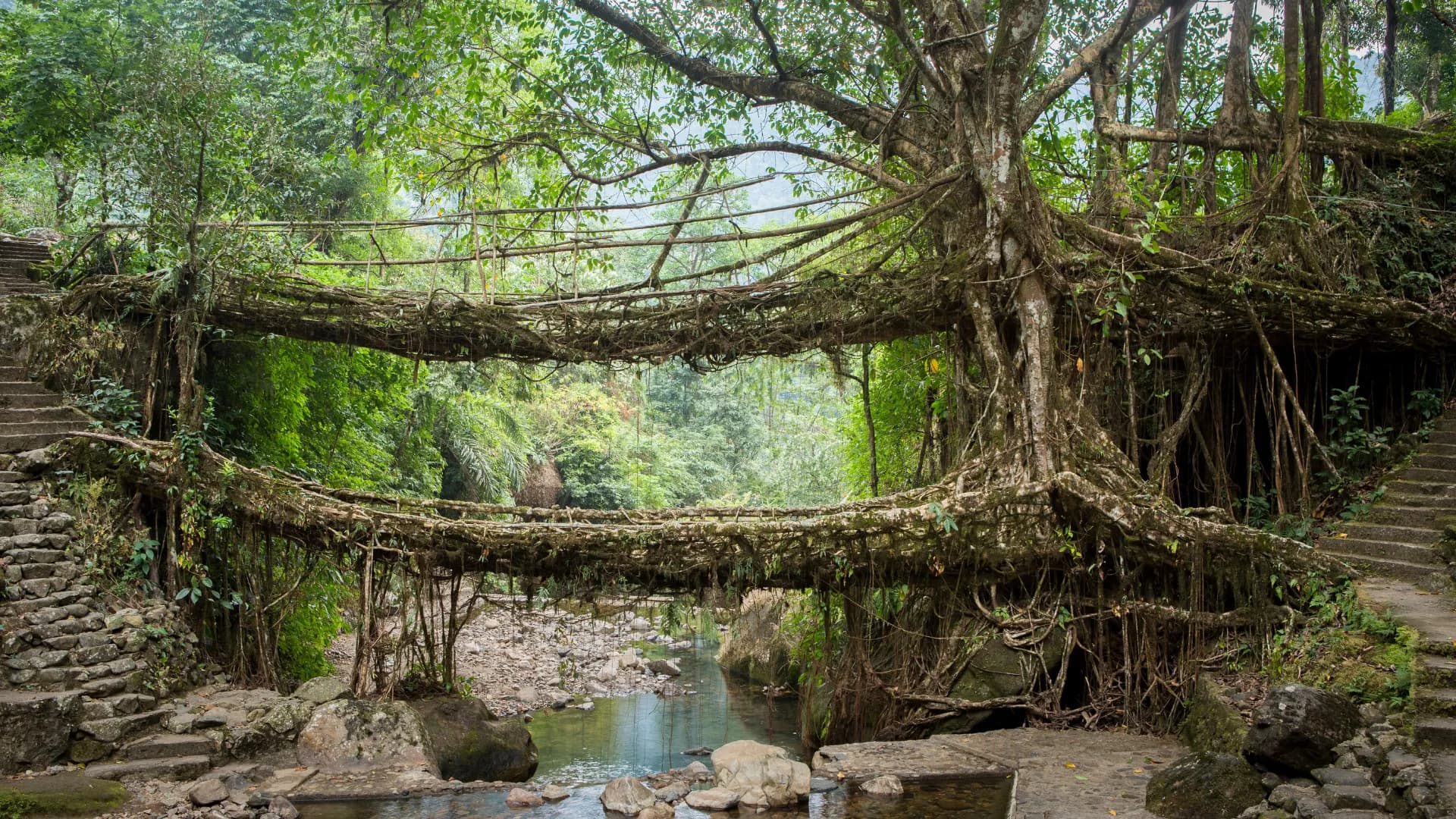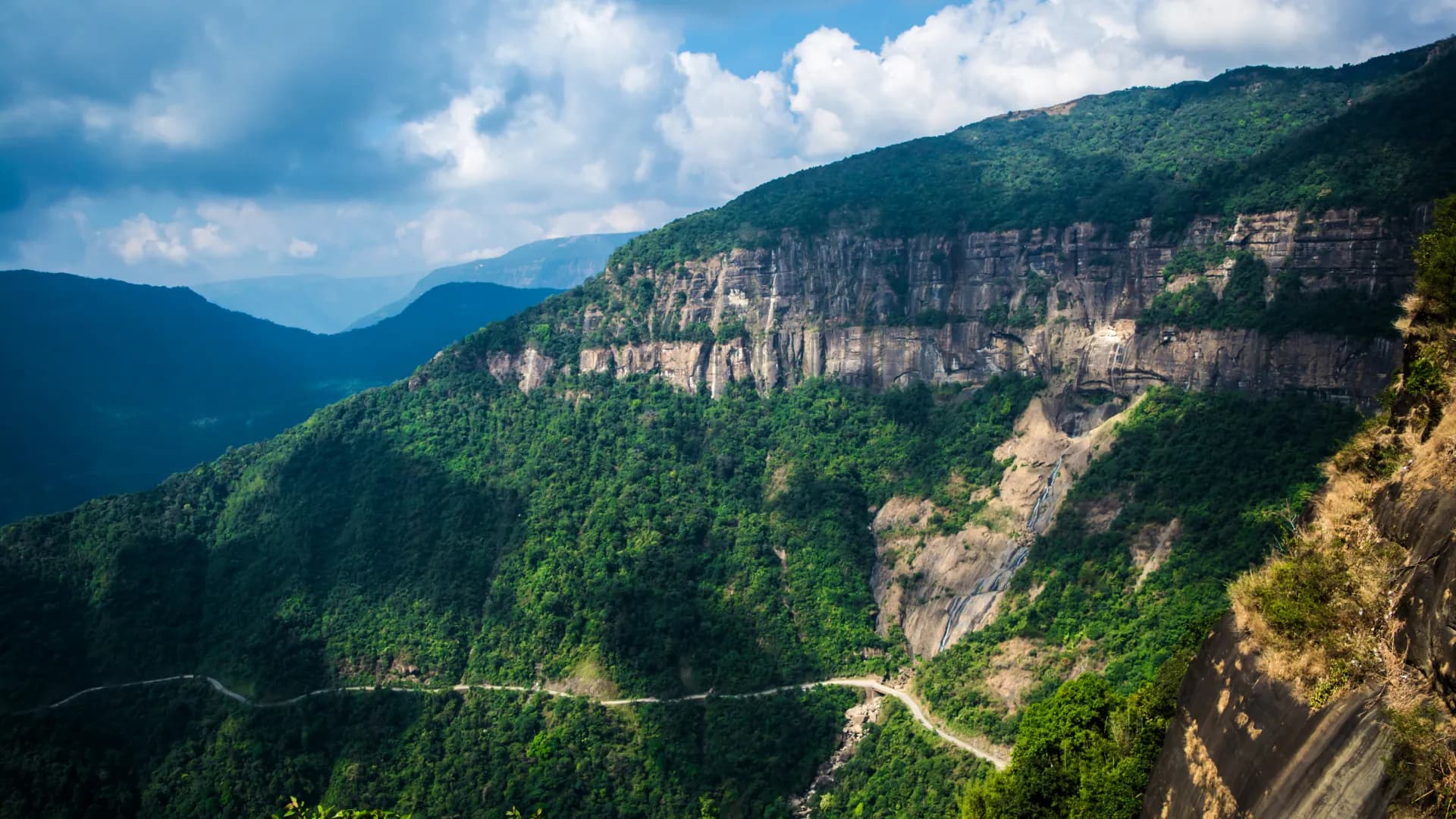
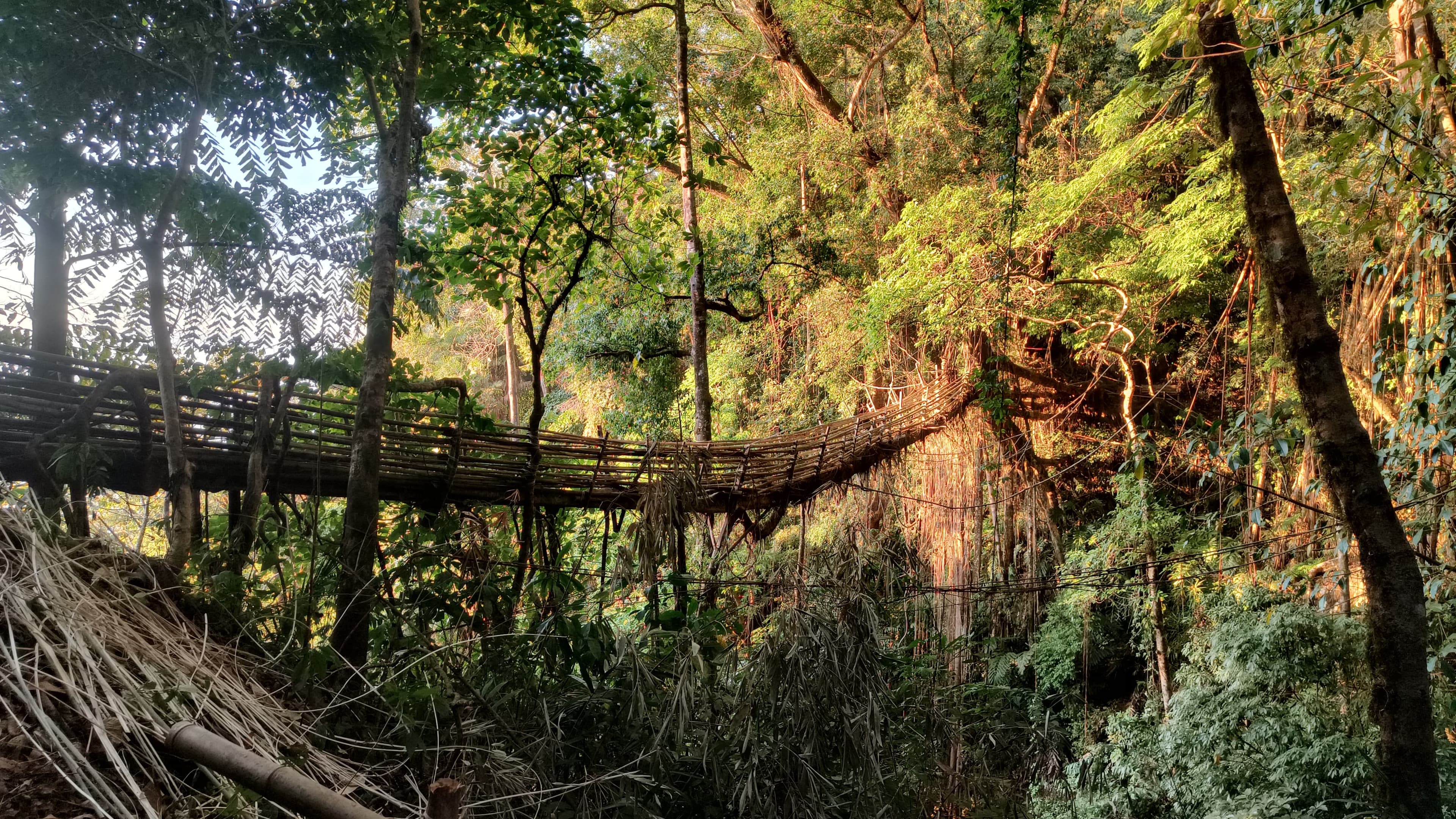
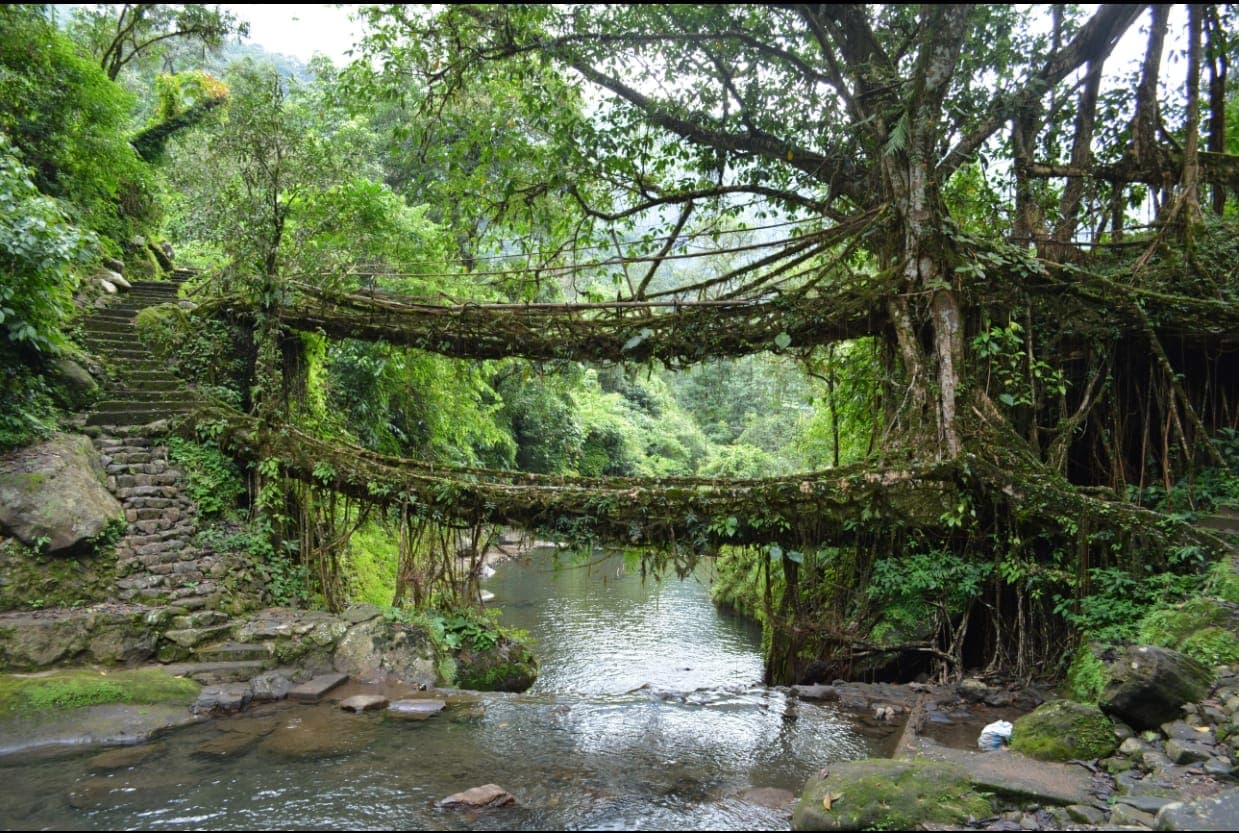
Deep inside the mist-covered mountains of Meghalaya lies a place where nature and human wisdom come together to create something truly extraordinary — the Double Decker Living Root Bridge. Unlike ordinary bridges built with concrete, iron, or modern technology, this incredible structure is grown from living tree roots. Hidden inside the dense tropical rainforest of the Khasi Hills, the bridge represents centuries of traditional knowledge passed down through generations of the Khasi community. Located in Nongriat Village near Cherrapunji (Sohra), the Double Decker Living Root Bridge is one of Meghalaya’s most unique travel experiences. Reaching this natural wonder is not just a sightseeing trip; it is an adventure through ancient forests, mountain trails, waterfalls, and peaceful Khasi villages. For travellers looking beyond crowded tourist destinations, Nongriat offers the perfect combination of: - Adventure trekking - Nature exploration - Indigenous culture - Rainforest experience - Slow travel The journey requires walking down thousands of stone steps, but every step takes you deeper into one of Meghalaya’s most beautiful hidden landscapes. Standing on the living root bridge surrounded by green forests and flowing streams feels like stepping into a different world — a world where nature has been carefully protected for hundreds of years.
What Makes Double Decker Living Root Bridge Special? & History
The Double Decker Living Root Bridge is not a man-made structure in the traditional sense. It is a living creation that continues to grow even today.
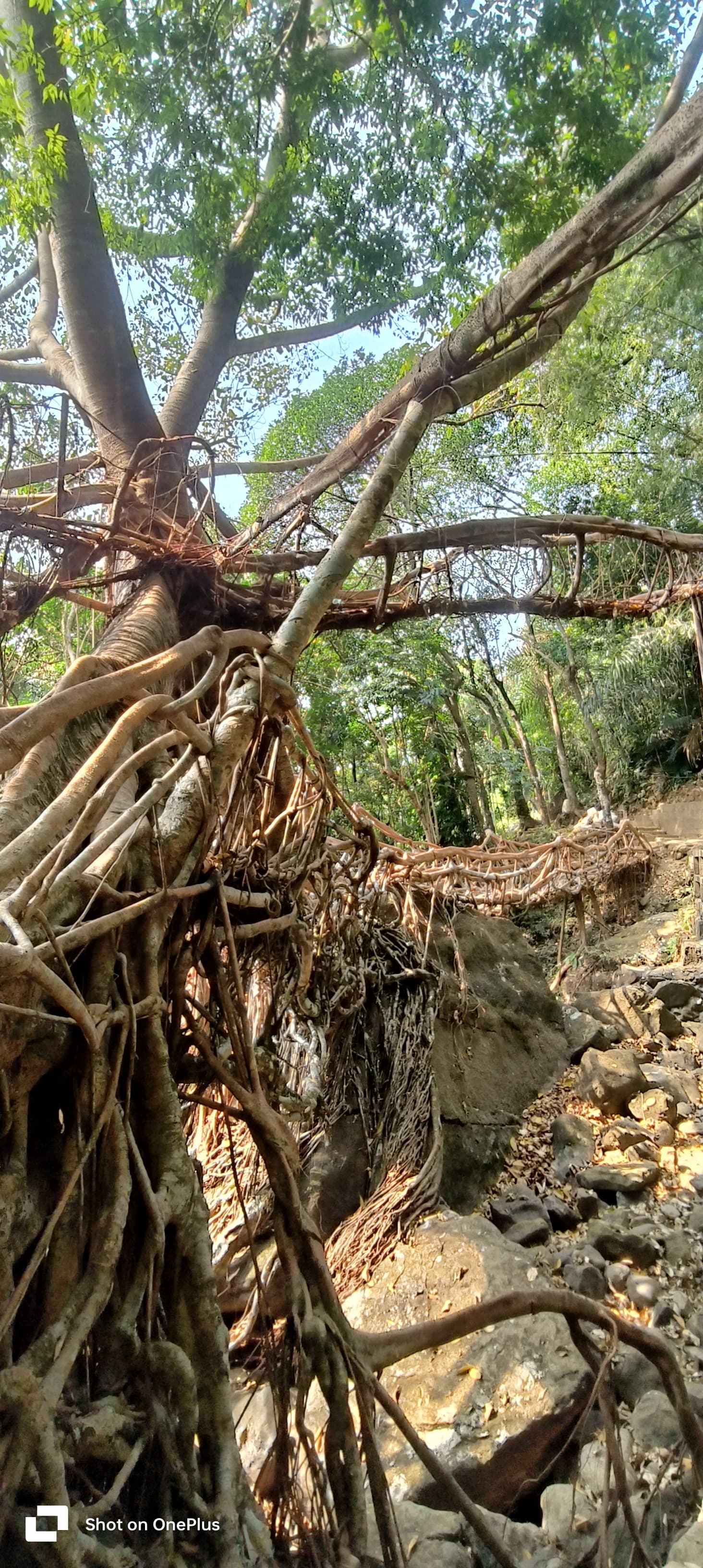
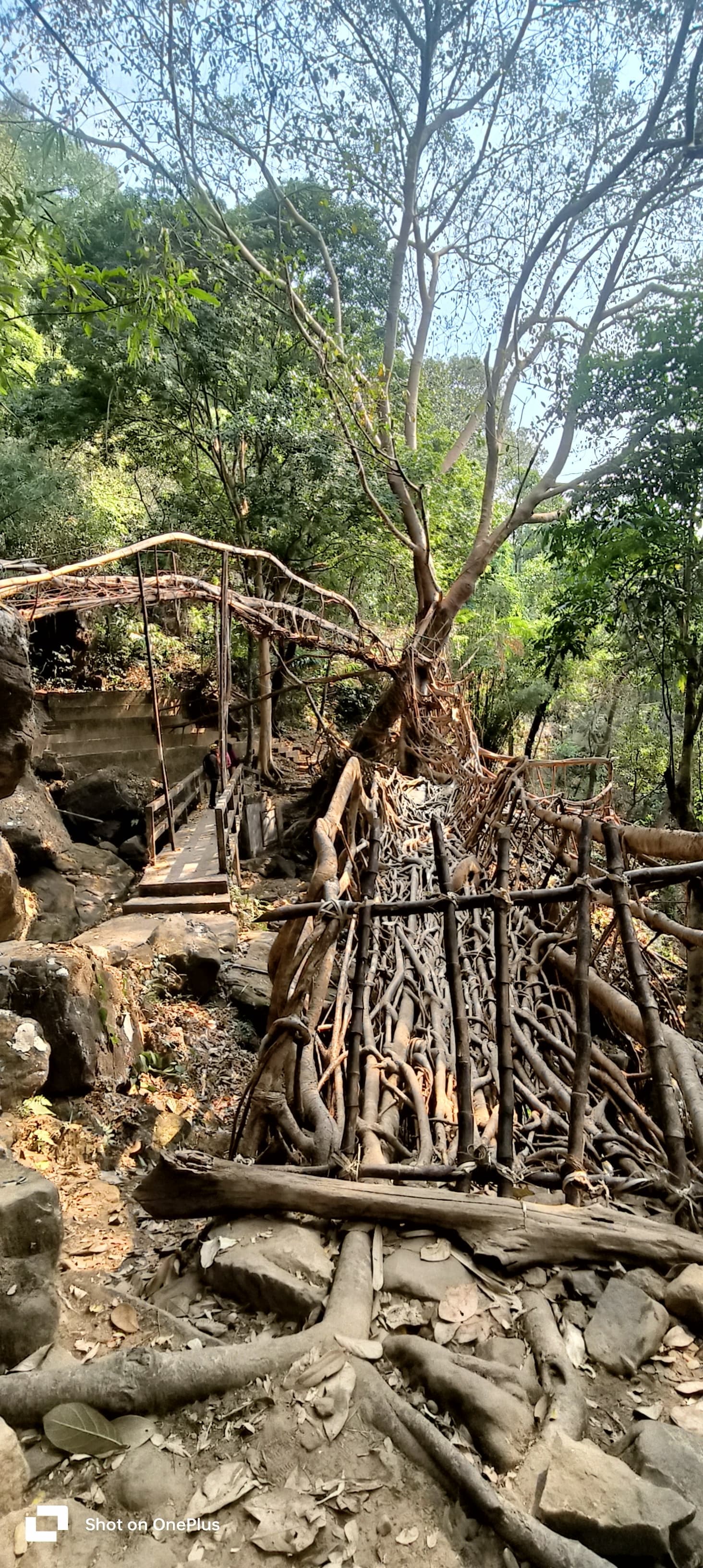
The Khasi people of Meghalaya developed a unique technique of growing bridges using the roots of the Indian Rubber Tree (Ficus elastica). Instead of cutting forests and changing nature, they worked together with the environment. The roots were carefully guided across rivers and streams using bamboo and wooden supports. Over many years, these roots became strong enough to support the weight of people walking across them.
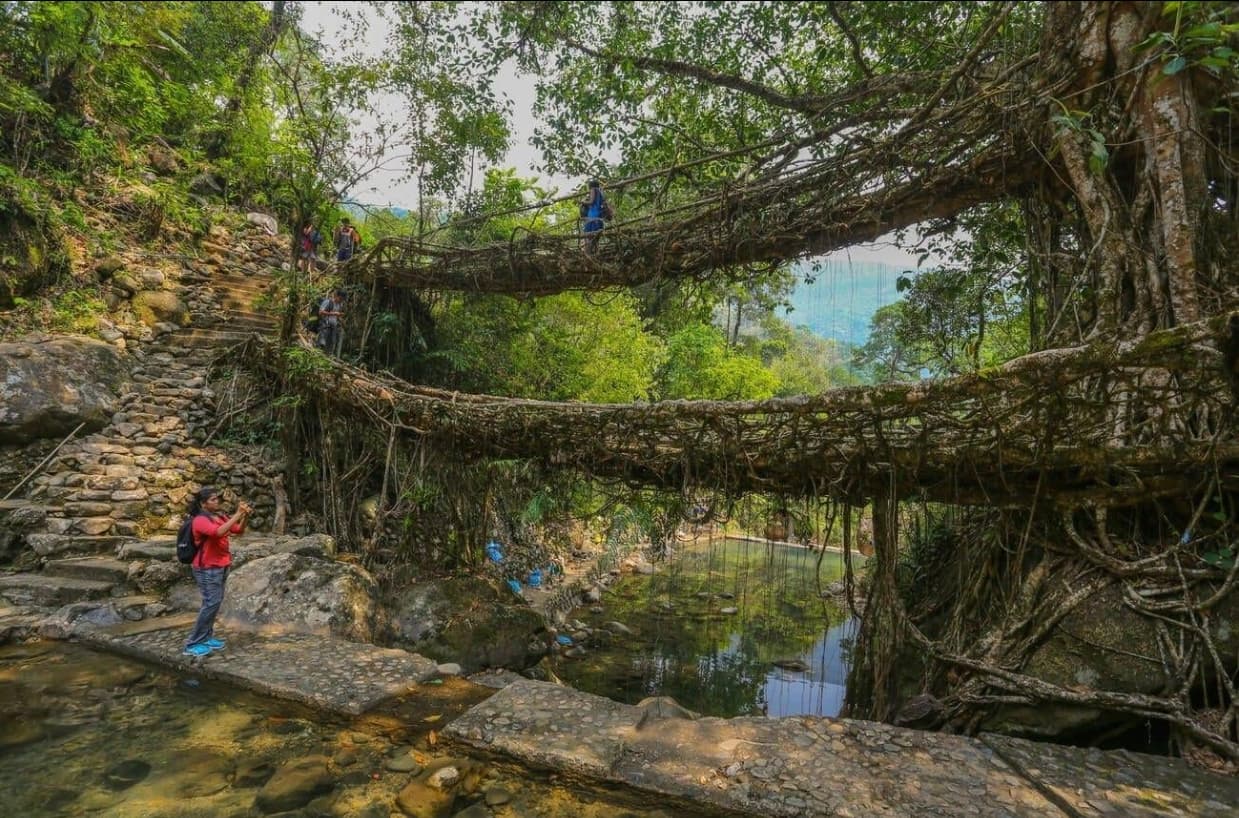
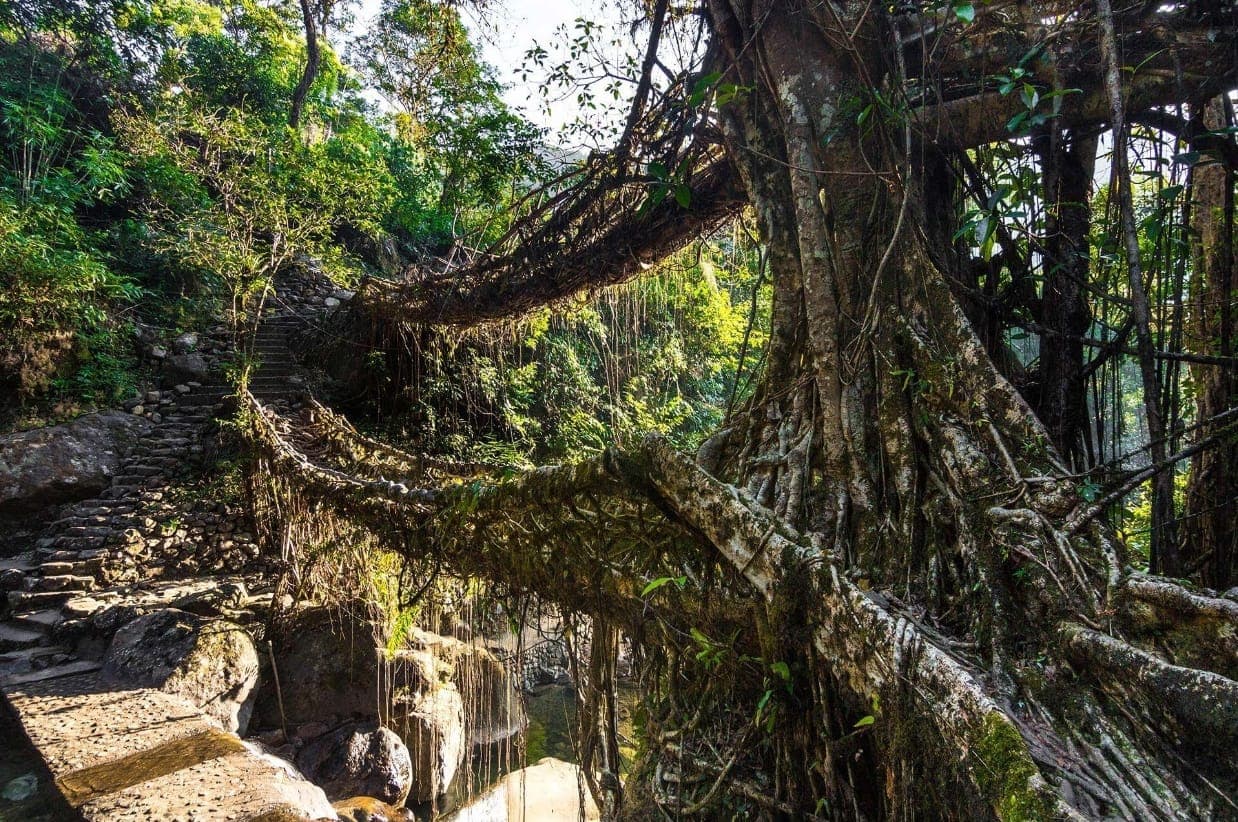
The most fascinating part is that these bridges become stronger as they grow older. The Double Decker Living Root Bridge is special because it has two levels: a lower root bridge pathway and an upper root bridge pathway. This rare design makes it one of the most famous living root bridges in the world.
History of Double Decker Living Root Bridge: The history of the living root bridges is deeply connected with the lifestyle of the Khasi people. Meghalaya receives extremely heavy rainfall, especially in the Khasi Hills region. During monsoon, rivers and streams become powerful, making transportation difficult for local communities. Many temporary wooden bridges could not survive the continuous rainfall and strong water currents.
To overcome this challenge, Khasi villagers created an innovative natural solution. They started training the roots of rubber trees to grow in specific directions. Using bamboo structures as temporary pathways, they slowly guided the roots across rivers and gaps. This process required decades of patience, maintained generation after generation. The result was a natural bridge that could survive Meghalaya’s harsh weather conditions and become stronger with time.
Nongriat Village: The Hidden Home of the Living Bridge & Location
The Double Decker Living Root Bridge is located in Nongriat Village, a beautiful Khasi village hidden inside the valleys of East Khasi Hills.
Unlike popular tourist places of Meghalaya, Nongriat does not have direct road access. The village remains peaceful because travellers must complete a trek to reach it. This isolation has helped preserve traditional Khasi lifestyle, natural surroundings, forest ecosystem, and local culture.
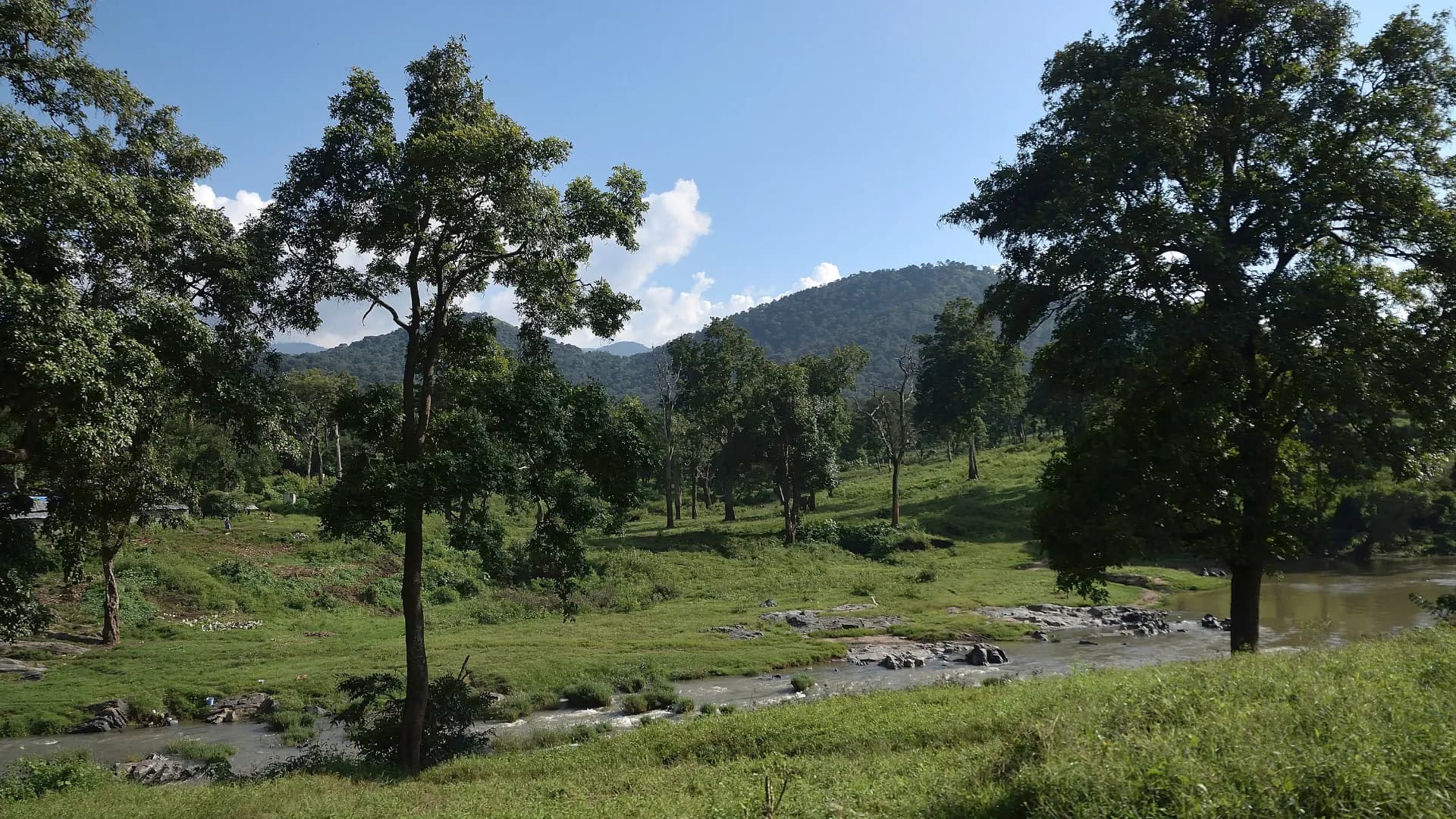
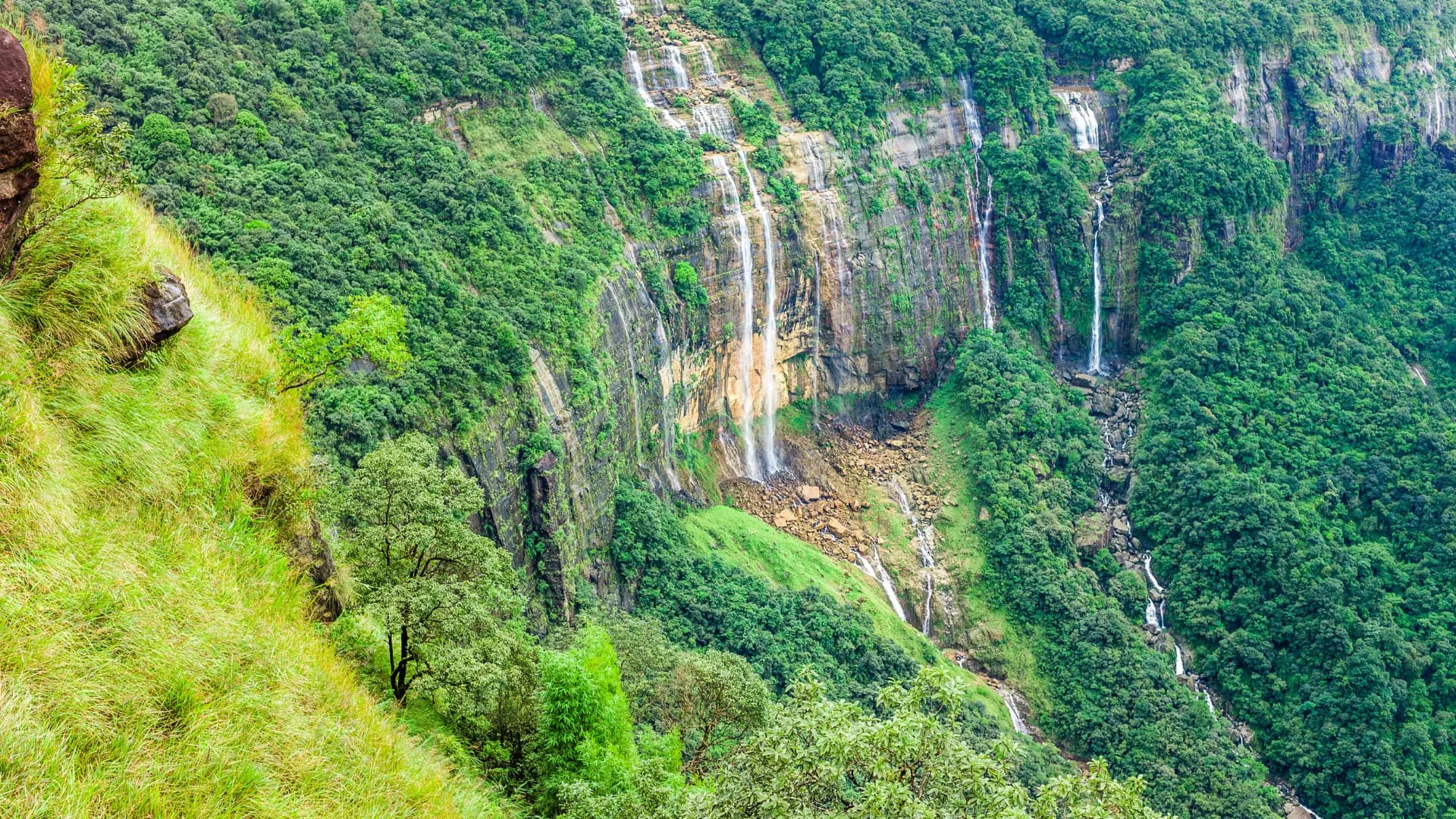
As you walk through the forest trail, you can see traditional Khasi houses, green mountain valleys, crystal-clear streams, tropical plants, and beautiful waterfalls.
Location Breakdown: - Destination: Double Decker Living Root Bridge - Village: Nongriat | District: East Khasi Hills | State: Meghalaya, India - Shillong to Nongriat: Approximately 65–70 km - Cherrapunji (Sohra) to Tyrna Village: Around 20 km - Trek Starting Point: Tyrna Village
The bridge is located deep inside a valley, so vehicles cannot reach directly. Travellers need to park at Tyrna Village and begin the famous Nongriat trek.
How to Reach Double Decker Living Root Bridge
Step 1: Reach Guwahati, Assam Guwahati is the main gateway to Meghalaya with airport, railway, and bus connectivity. From Guwahati, travellers can hire private vehicles or choose customized tour packages.
Step 2: Guwahati to Shillong The distance is around 100 km (3–4 hours drive). The route offers beautiful views of Assam plains, Meghalaya hills, pine forests, and mountain landscapes.
Step 3: Shillong to Cherrapunji (Sohra) One of the most scenic drives in Northeast India, passing Shillong Peak, Elephant Falls, Mawsmai area, and mountain viewpoints. Staying overnight in Cherrapunji before starting the trek is recommended.
Step 4: Cherrapunji to Tyrna Village Tyrna Village is the starting point of the trek. From here, vehicles cannot go further and the walk through the forest valley begins.
Related Travel Links: • Meghalaya Tour Packages • Cherrapunji Travel Guide 2026 • Meghalaya Offbeat Tour Packages • Northeast India Tour Packages • Assam Tour Packages
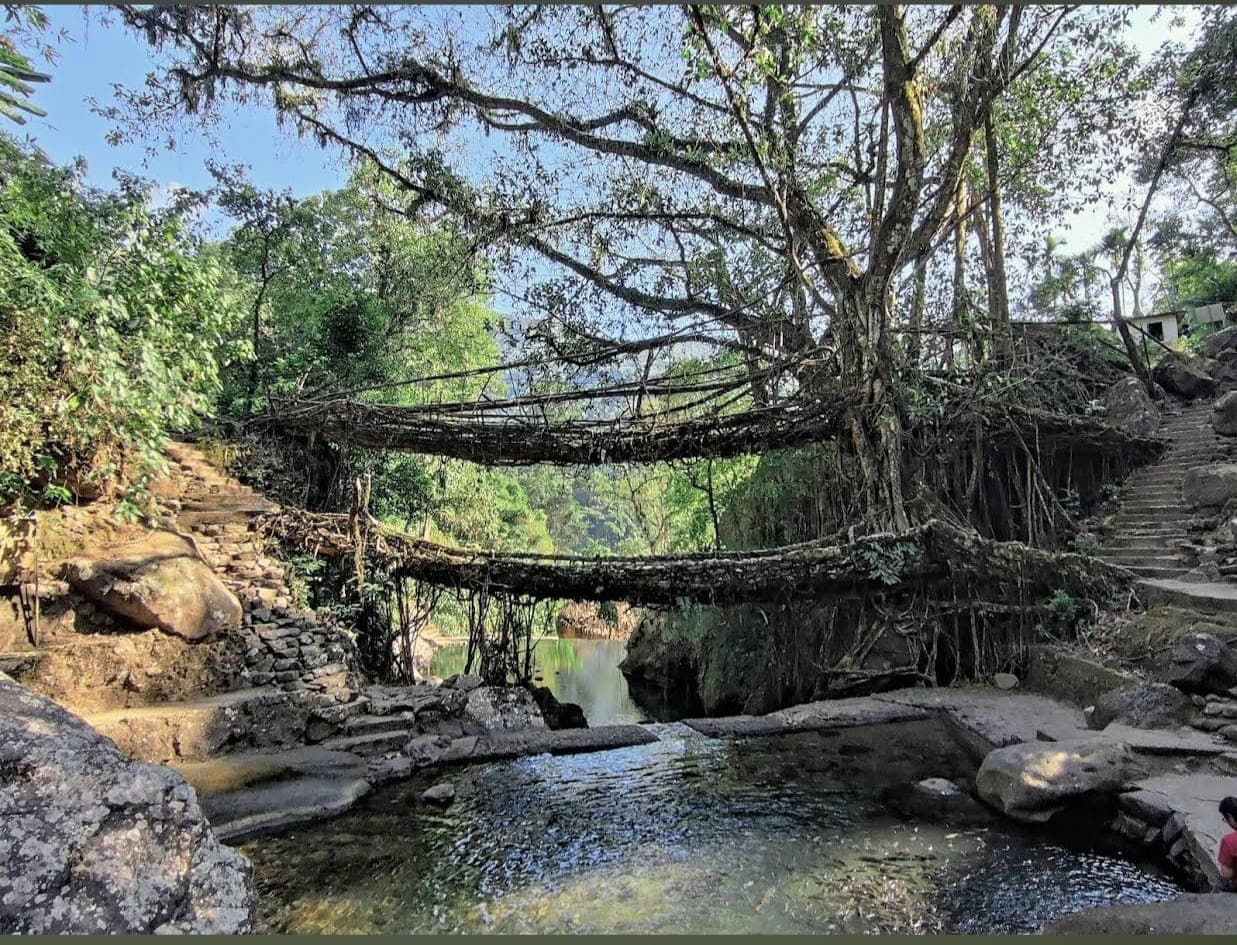
Double Decker Living Root Bridge Trek: The Journey Through Meghalaya’s Hidden Forest
The trek to the Double Decker Living Root Bridge is an unforgettable experience itself. Nongriat requires travellers to slow down and walk through the heart of Meghalaya’s rainforest.
The trek begins from Tyrna Village, a small Khasi village near Cherrapunji. From here, thousands of stone steps lead down into the valley, surrounded by dense forests, flowing streams, and breathtaking mountain views. Every turn of the trail reveals a new natural beauty — from small waterfalls hidden inside the forest to traditional Khasi homes built along the hillside.
Tyrna Village Trek Details: - Starting Point: Tyrna Village - Destination: Nongriat Village - Distance: Approximately 3–4 km one way - Total Steps: Around 3,000+ steps - Duration: 2–3 hours one way (depending on fitness level) - Difficulty: Moderate
Walking Through Stone Steps, Suspension Bridges & Nongriat Village
The first section of the trek involves descending through thousands of handmade stone steps. The trail passes through tropical forests, small streams, mountain cliffs, and green valleys. The sound of birds and flowing water creates a peaceful atmosphere far away from city life.
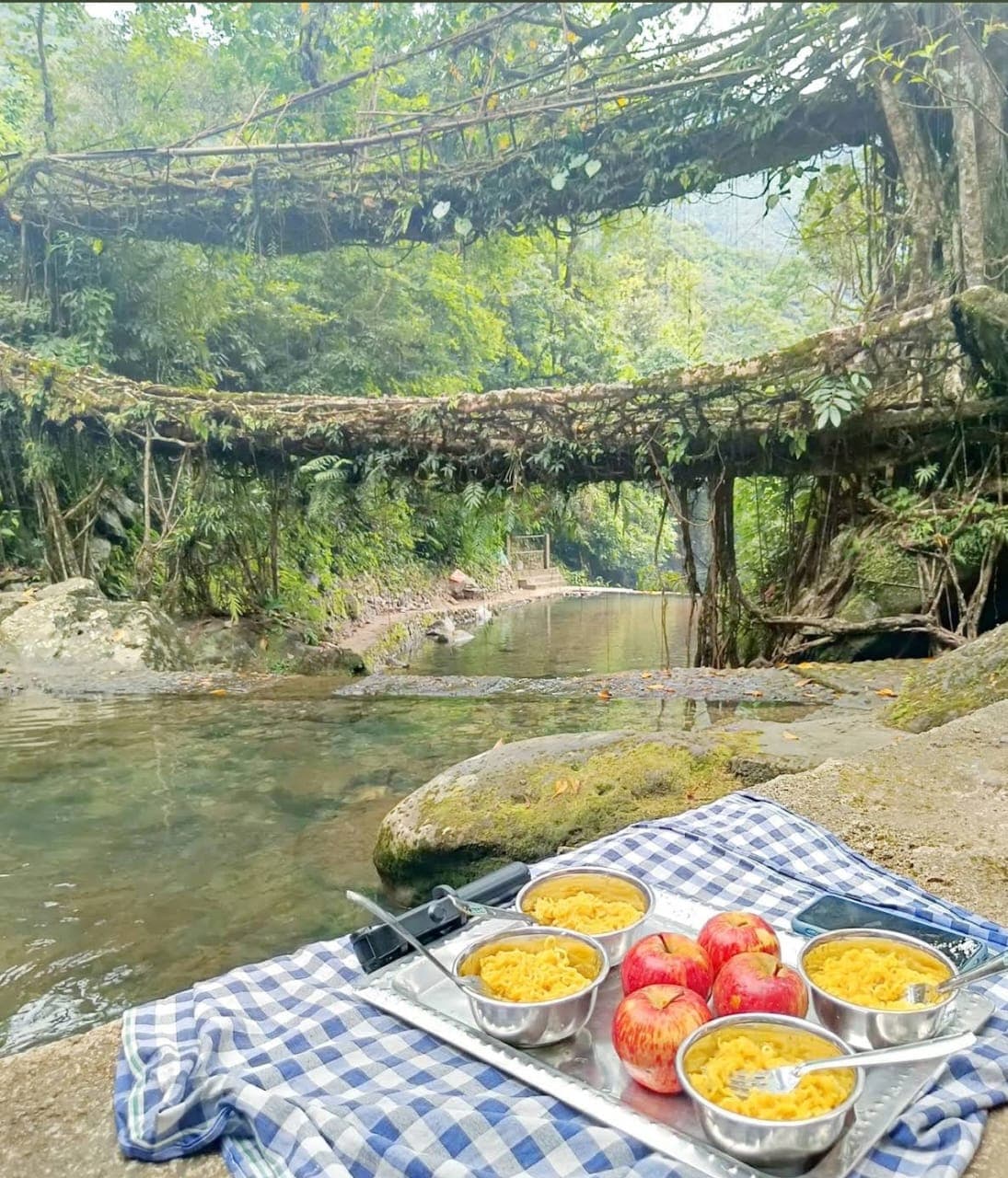
Crossing Natural & Suspension Bridges: One of the highlights of the trek is crossing beautiful natural and traditional bridges along the route. The Umshiang Double Decker Living Root Bridge is accompanied by several smaller bridges and streams. During the monsoon season, the streams become more powerful, making the landscape even more dramatic.
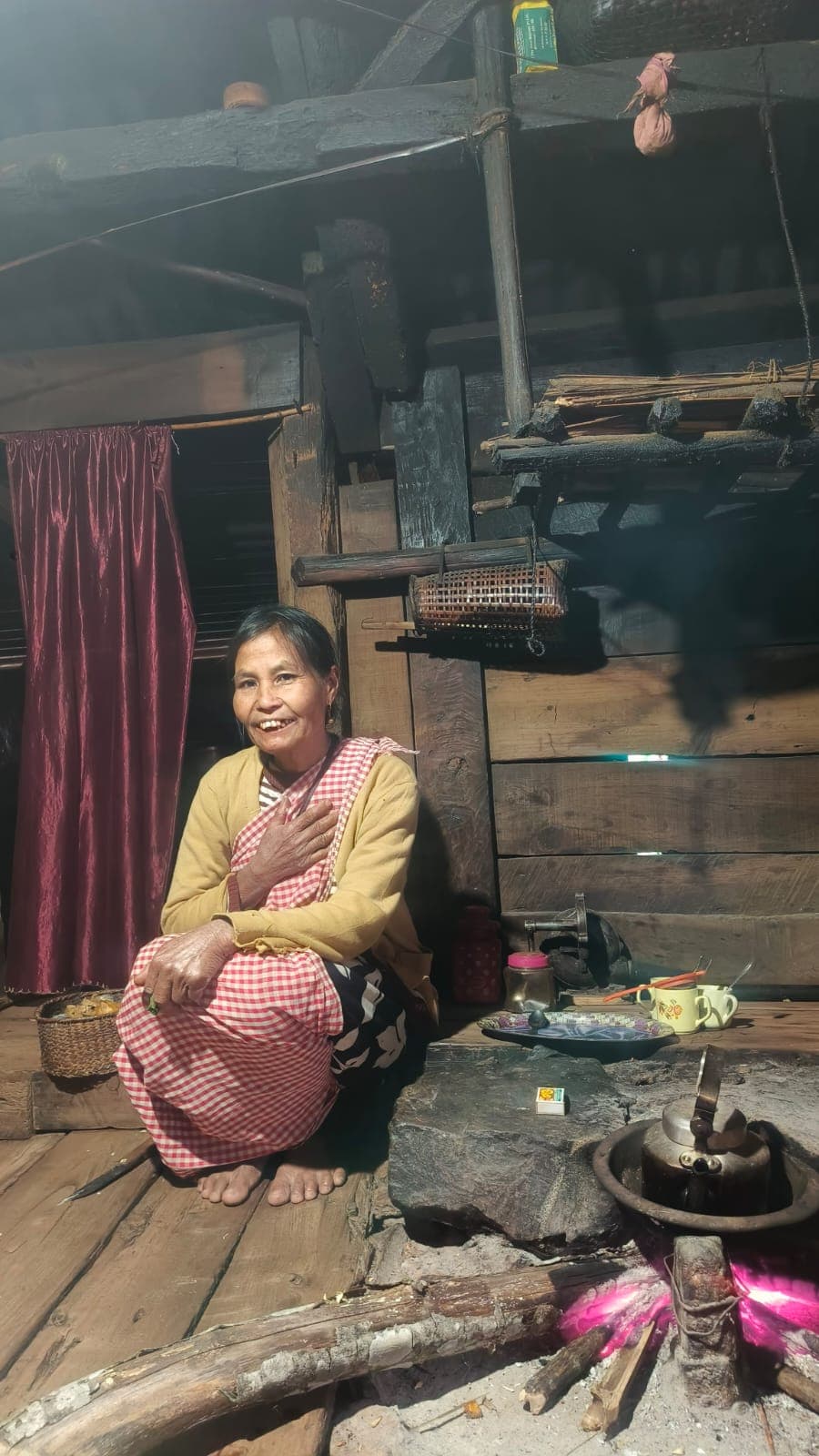
Nongriat Village Experience: After hours of trekking, travellers reach Nongriat Village. Surrounded by green mountains, waterfalls, dense forests, natural pools, and fresh mountain air, Nongriat allows visitors to experience the simple living and harmony with nature of the Khasi community. Staying overnight in Nongriat lets you enjoy the peaceful surroundings after day visitors leave.
Experiencing the Double Decker Living Root Bridge & Photography
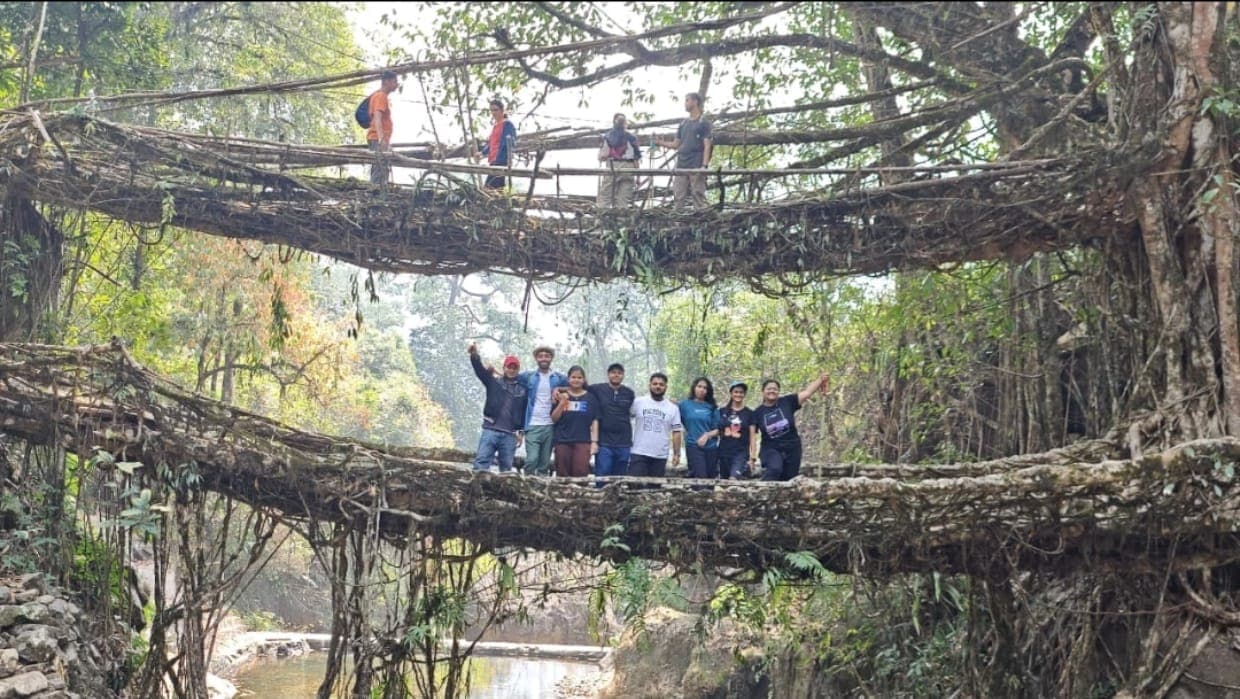
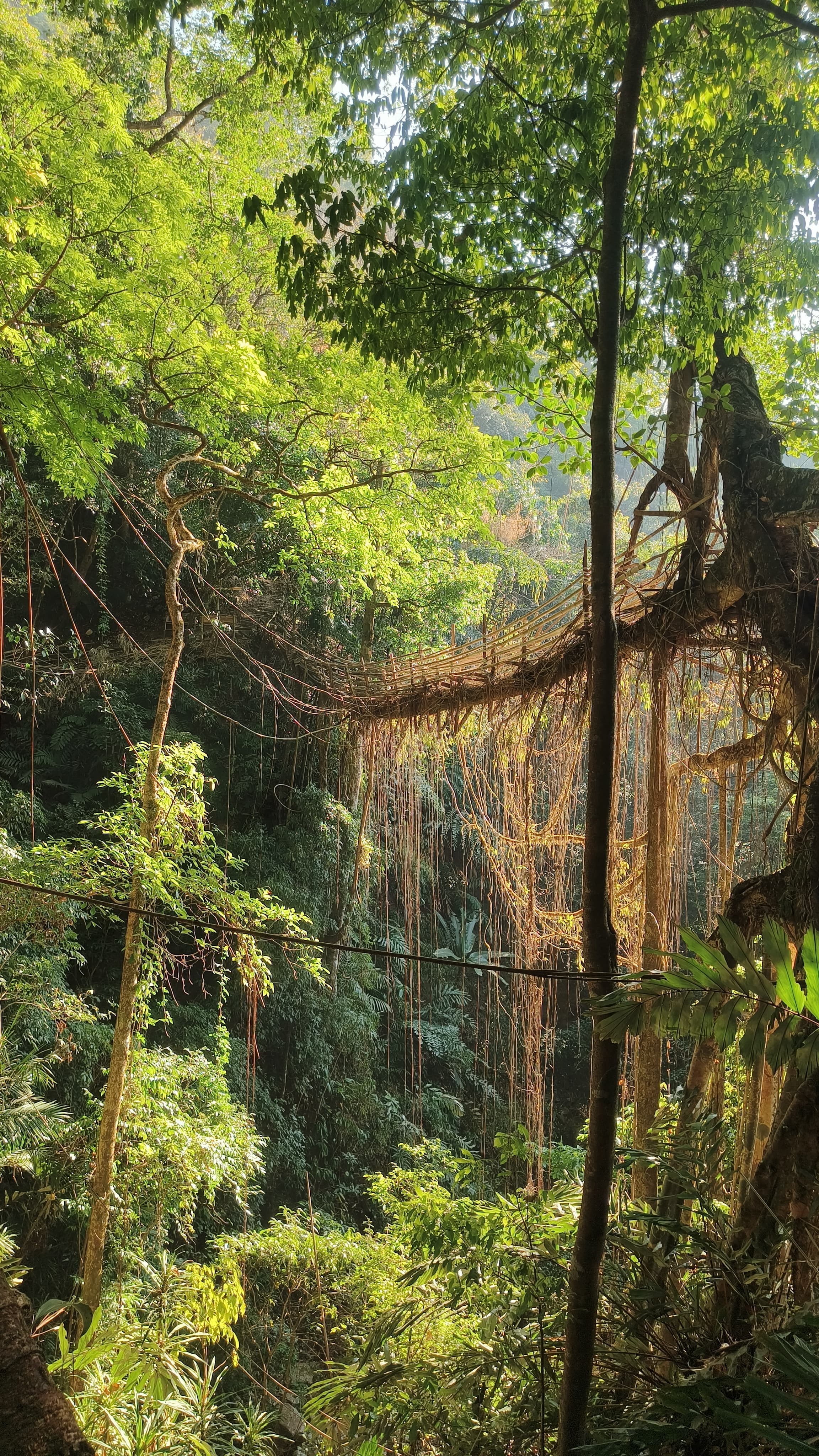
Standing in front of the Double Decker Living Root Bridge is a moment travellers remember forever. The bridge looks like a creation from a fantasy world growing between forests and rivers. The two-level design allows visitors to walk across living roots, take photographs, observe natural engineering, and enjoy the surrounding rainforest.
Photography Experience at Nongriat: - Living Root Bridge Photography: Capture the unique two-tiered structure surrounded by dense green forest. - Forest Trail Photography: Mist, sunlight filtering through trees, and stone mountain paths. - Village Life Photography: Traditional Khasi houses and authentic cultural moments. - Waterfall Photography: Powerful streams and turquoise natural pools.
Trekking Beyond: Rainbow Falls & Natural Swimming Pools
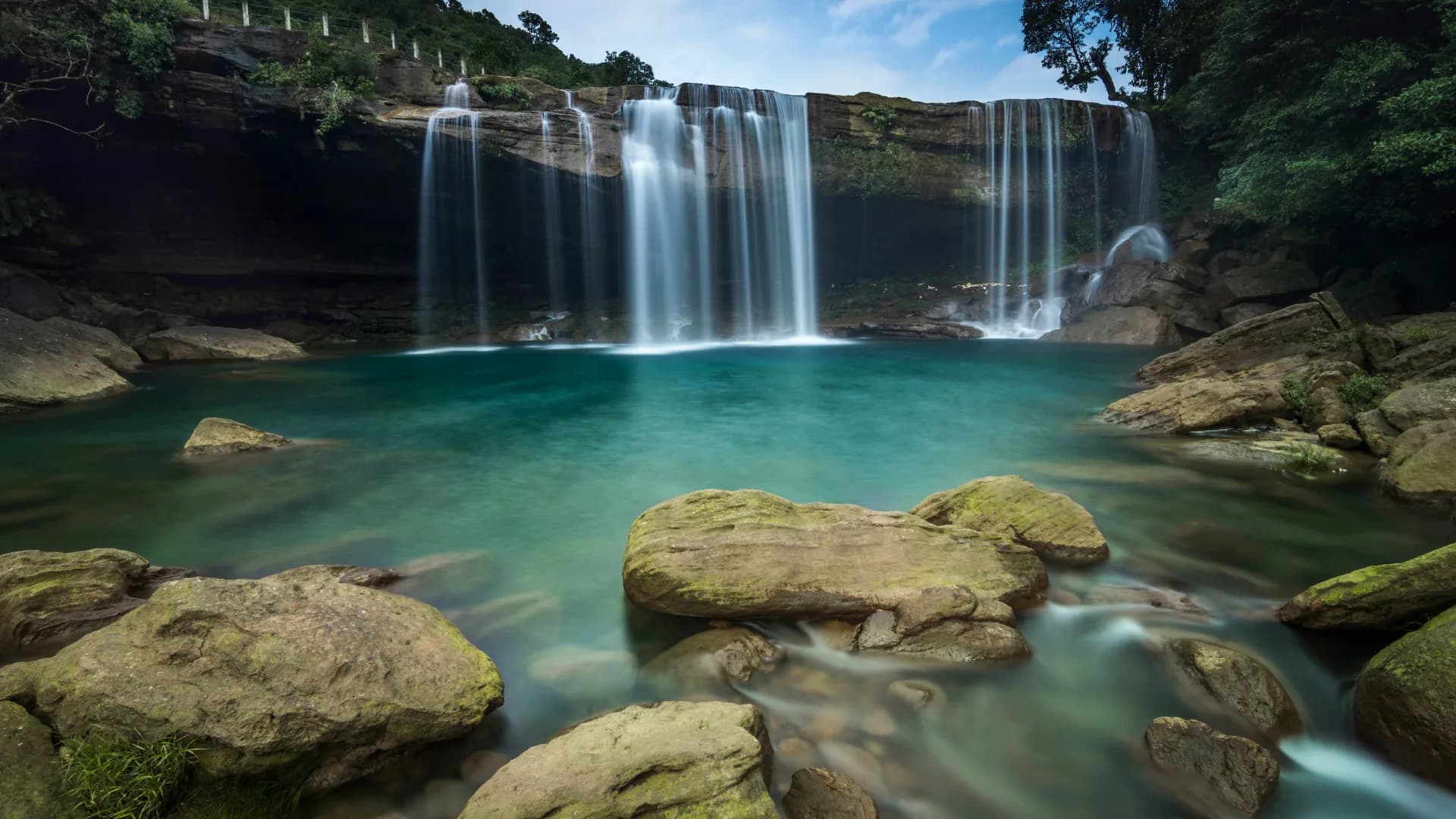
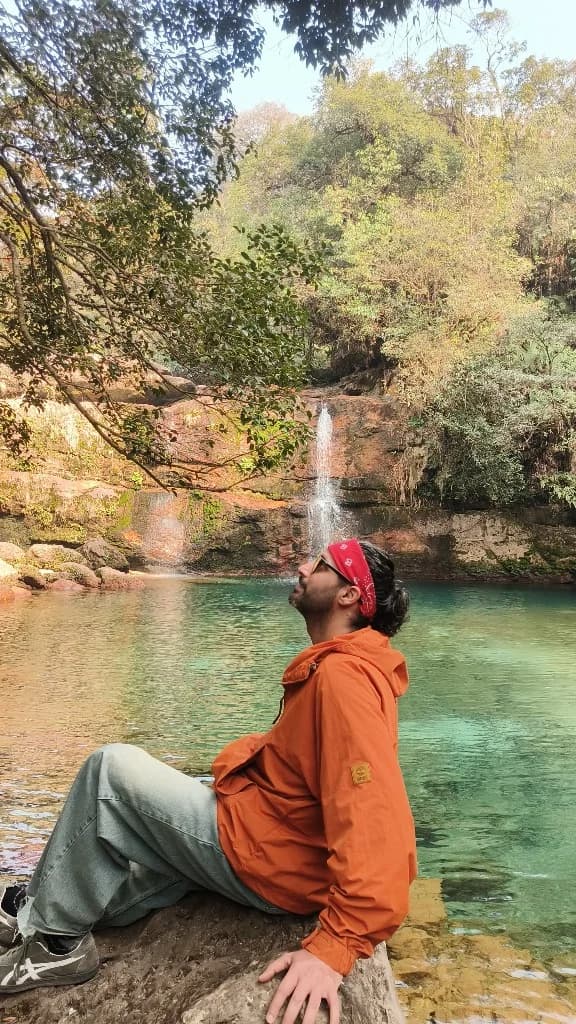
Many travellers continue beyond the bridge to visit Rainbow Falls, one of Meghalaya’s most beautiful hidden waterfalls. Located deeper inside the valley, Rainbow Falls is famous for crystal-clear blue water, natural swimming pools, and peaceful forest surroundings. On sunny days, sunlight creates a colorful rainbow effect over the cascading water.
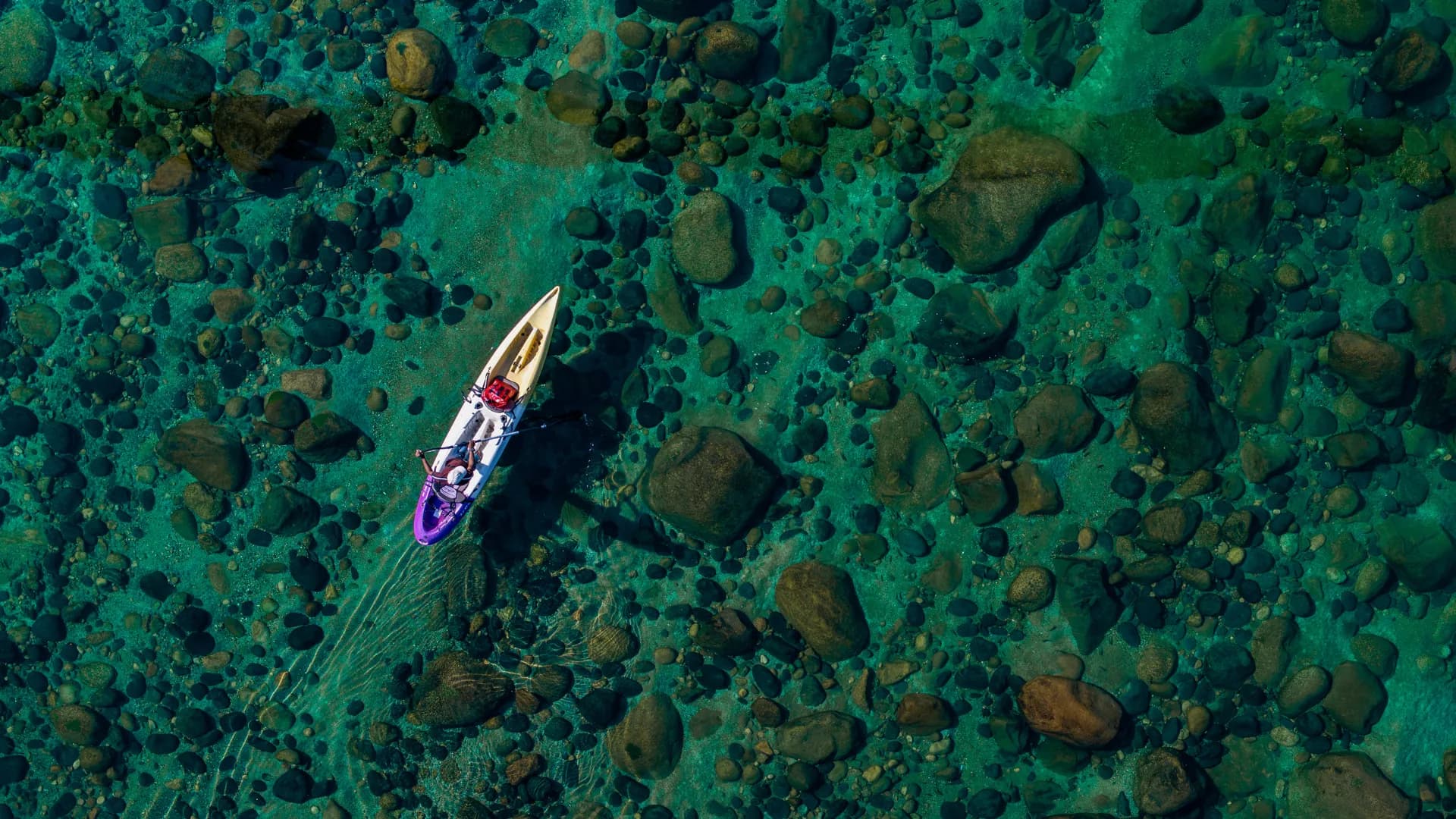
Natural Swimming Pools of Nongriat: The Nongriat area is blessed with several natural pools created by mountain streams. Surrounded by rocks, green forests, and flowing water, these pools offer a refreshing dip after trekking. Travellers should always follow safety precautions while entering natural water bodies.
Best Time to Visit Double Decker Living Root Bridge
October to April (Best Season for Trekking): Ideal time with pleasant weather, safer trekking trails, lower rainfall, clear mountain views, and excellent photography conditions. Forests remain green after the monsoon, and waterfalls continue flowing beautifully.
November to February (Winter Experience): Cooler morning temperatures make walking through the forest easier. Perfect for family travellers, first-time trekkers, photography lovers, and slow travel.
May to September (Monsoon Adventure): Meghalaya receives some of the highest rainfall in the world. Forests become extremely lush, waterfalls reach peak power, and streams turn dramatic. However, stone steps become slippery, requiring proper footwear and rain protection.
Nearby Attractions Around Double Decker Living Root Bridge
1. Rainbow Falls: Hidden blue paradise deeper inside the valley. 2. Natural Swimming Pools of Nongriat: Refreshing natural rock pools along mountain streams. 3. Nongriat Village Experience: Peaceful Khasi homestays, local cuisine, and nighttime rainforest sounds. 4. Cherrapunji (Sohra): Base town featuring Mawsmai Cave, Nohkalikai Falls, Seven Sisters Falls, Arwah Cave, and Dainthlen Falls. 5. Tyrna Village: Mountain village acting as the starting point of the Nongriat trek.
How Many Days Are Needed & Responsible Travel
How Many Days Are Needed? - 1 Day Minimum: Start from Cherrapunji, trek to Nongriat, visit bridge, return back (physically demanding). - 2 Days Recommended: Day 1 reach Nongriat, visit bridge & Rainbow Falls, stay overnight; Day 2 morning village walk & return trek. - 5–7 Days Ideal Package: Combine Nongriat with Shillong, Cherrapunji, Dawki, Mawlynnong, and hidden waterfalls.
Responsible Travel at Nongriat: - Do not throw plastic waste (carry all trash back). - Respect local Khasi traditions and villagers. - Avoid damaging living roots or plants. - Support local homestays and guides.
Explore Meghalaya Links: • Meghalaya Offbeat Tour Package • Cherrapunji Travel Guide 2026 • Meghalaya Tour Package from Guwahati • Northeast India Tour Packages • Arunachal Pradesh Tour Packages
Essential Travel Tips & Packing Guide for Nongriat Trek
Essential Travel Tips: 1. Start Your Trek Early: Avoid afternoon heat, enjoy photography, and return comfortably. 2. Wear Comfortable Trekking Shoes: Proper grip shoes are crucial for 3,000+ stone steps. 3. Carry Sufficient Water: Bring reusable water bottles to stay hydrated. 4. Travel Light: Carry only essential items in a light backpack. 5. Respect Local Khasi Culture: Ask permission before photographing people and maintain cleanliness.
Packing Checklist: - Trekking Shoes with good grip - Rain Jacket or Umbrella - Reusable Water Bottle - Lightweight Backpack - Camera or Smartphone & Power Bank - Sunscreen, Sunglasses & Basic First Aid Kit - Energy bars, dry fruits & light snacks
Safety Guide, Accommodation Options & Travel Style
Safety Guide: - Trek according to your fitness level; take regular breaks. - Be cautious on slippery stone steps during monsoon. - Keep emergency contacts and avoid trekking alone at night.
Accommodation Options: - Staying in Cherrapunji (Sohra): Convenient base with hotels, resorts, and restaurants. - Staying in Nongriat Village: Authentic local homestays offering simple rooms, home-cooked food, and peaceful village atmosphere.
Travel Guides Links: • Cherrapunji Travel Guide 2026 • Krem Chympe Cave Travel Guide 2026 • Assam Travel Guide 2026 • Kaziranga Travel Guide 2026
Double Decker Living Root Bridge Trek Budget Guide 2026
Approximate Budget (Per Person): - Budget Trip (Shared Travel): ₹2,500 – ₹4,000 (shared transport, basic homestay, local food) - Comfortable Trip: ₹5,000 – ₹8,000 (private/shared cab, comfortable stay, meals, guide) - Premium Experience: ₹10,000+ (private vehicle, premium hotel, custom itinerary, guide support)
Approximate Cost Breakdown: - Shillong to Cherrapunji Cab: ₹3,000 – ₹5,000 - Cherrapunji to Tyrna Transport: ₹1,000 – ₹2,000 - Nongriat Homestay: ₹800 – ₹1,500 per night - Food: ₹300 – ₹600 per day - Local Guide Charges: ₹1,000 – ₹2,000
Is a Guide Compulsory? Why Hiring a Local Guide Improves Experience
A local guide is not legally compulsory, but hiring a guide is highly recommended, especially for first-time visitors.
Why Hiring a Local Guide Improves Your Experience: - Ensures you follow the correct trekking route. - Shares local Khasi history, traditions, and stories of living root bridge creation. - Guides you safely to hidden spots like Rainbow Falls and natural pools. - Supports local community livelihoods through sustainable tourism.
Related Tour Packages: • Meghalaya Hidden Gems Tour • Cherrapunji Tour Package • Customized Tour Packages • Arunachal Pradesh Tour Packages
Why Choose NEexplore NOW?
At NEexplore NOW, we don't just plan tours—we craft meaningful journeys through the hidden landscapes, rich cultures, and breathtaking beauty of Northeast India.
Why Travellers Trust NEexplore NOW: - Local Destination Experts in Meghalaya, Assam, Arunachal & Nagaland - Tailor-Made & Offbeat Itineraries matching your style and budget - Handpicked Stays & Homestays selected for quality - Private & Comfortable Transport with experienced mountain drivers - Experienced Local Guides sharing cultural heritage - Transparent Pricing with no hidden charges - End-to-End Travel Support 24/7 - Responsible & Sustainable Travel supporting local communities
Trek Distance to the Double Decker Living Root Bridge: Everything You Need to Know
Trek Overview: - Starting Point: Tyrna Village, East Khasi Hills, Meghalaya - Destination: Double Decker Living Root Bridge (Umshiang), Nongriat - One-Way Distance: ~3.5 km | Round-Trip Distance: ~7 km - Total Stone Steps: 3,000–3,500 steps - Duration: 2–3 hours one way | 4–6 hours round trip - Difficulty Level: Moderate
Trek to Rainbow Falls: - Distance from Bridge: ~2.5 km one way | Additional Round-Trip: ~5 km - Total Trek Distance (incl. Rainbow Falls): ~12 km - Total Duration (incl. Rainbow Falls): 7–9 hours
Is the Trek Difficult? Although the route involves thousands of stone steps, it is suitable for most travellers with average fitness. Walking at a comfortable pace, taking regular breaks, and staying hydrated will make the trek enjoyable.
Frequently Asked Questions
Where is the Double Decker Living Root Bridge located?
The Double Decker Living Root Bridge is located in Nongriat Village, East Khasi Hills District, Meghalaya, near Cherrapunji (Sohra).
How can I reach Double Decker Living Root Bridge?
To reach the bridge, travellers need to reach Tyrna Village near Cherrapunji. From Tyrna, you have to trek through the forest trail for around 3–4 km to reach Nongriat Village.
How many steps are there in the Double Decker Living Root Bridge trek?
The trek involves approximately 3,000+ stone steps. The route is moderately challenging and requires a good level of fitness.
Is a guide compulsory for Double Decker Living Root Bridge trek?
A guide is not legally compulsory, but hiring a local guide is highly recommended, especially for first-time visitors. A guide helps with the route, local history, hidden waterfalls, and safety.
What is the best time to visit Double Decker Living Root Bridge?
The best time to visit is from October to April because the weather is pleasant and trekking conditions are more comfortable. Monsoon months offer a beautiful rainforest experience but require extra caution.
How much does a Double Decker Living Root Bridge trip cost?
The budget depends on your travel style. A basic trip may cost around ₹2,500–₹4,000 per person, while a comfortable or premium experience may cost ₹5,000–₹10,000+ per person.
Can senior citizens visit Double Decker Living Root Bridge?
Yes, but the trek can be physically demanding due to thousands of steps. Senior travellers should consider their fitness level and may require extra time and assistance.
Is Double Decker Living Root Bridge suitable for children?
Children can visit if they are comfortable with long walking and steep steps. Parents should take proper care during the trek.
How much time is required to complete the Nongriat trek?
Usually, it takes around 2–3 hours one way depending on walking speed, weather, and breaks. Exploring nearby attractions may require a full day.
Can I stay overnight near Double Decker Living Root Bridge?
Yes. Travellers can stay at local homestays in Nongriat Village or choose hotels and resorts in Cherrapunji.
Is photography allowed at Double Decker Living Root Bridge?
Yes, photography is allowed. The bridge, rainforest, waterfalls, and Khasi villages offer excellent photography opportunities.
What should I carry for the trek?
Important items include comfortable trekking shoes, water bottle, rain jacket, light backpack, snacks, camera, and basic medicines.
Is the Double Decker Living Root Bridge safe during monsoon?
The trek is possible during monsoon, but the steps and trails can become slippery. Travellers should wear proper shoes and trek carefully.
Why is it called a living root bridge?
It is called a living root bridge because it is created from living tree roots that continue growing and becoming stronger over time.
Why should I visit Double Decker Living Root Bridge?
The Double Decker Living Root Bridge offers a unique combination of adventure, Khasi culture, rainforest exploration, and sustainable natural engineering, making it one of Meghalaya’s most unforgettable experiences.
"Walk into Meghalaya’s living forest heritage. Experience the breathtaking Double Decker Living Root Bridge of Meghalaya — a rare natural wonder shaped by centuries of Khasi tradition. Trek through hidden rainforest trails, explore crystal-clear waterfalls, and discover the untouched beauty of Northeast India with NEexplore NOW."