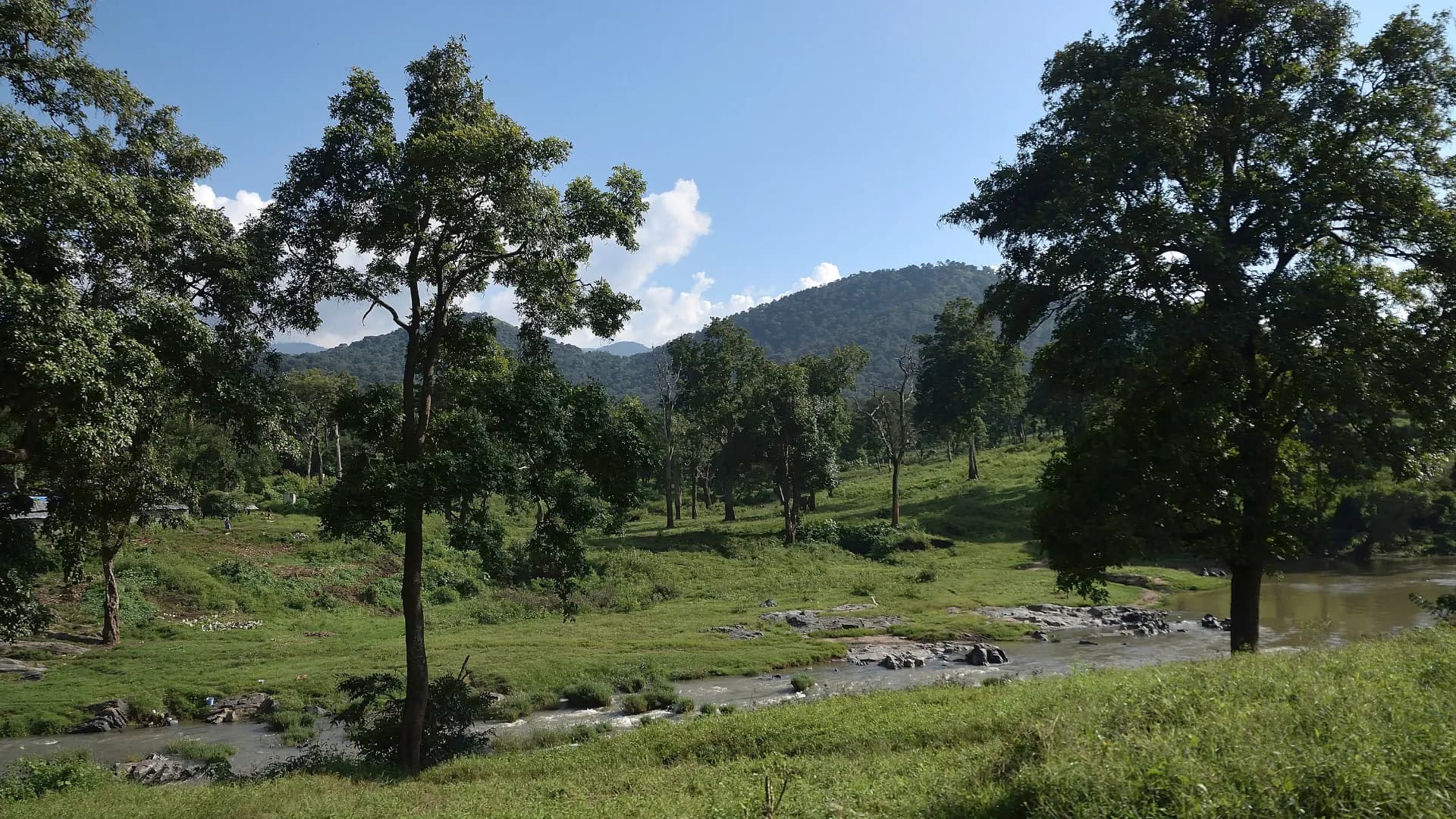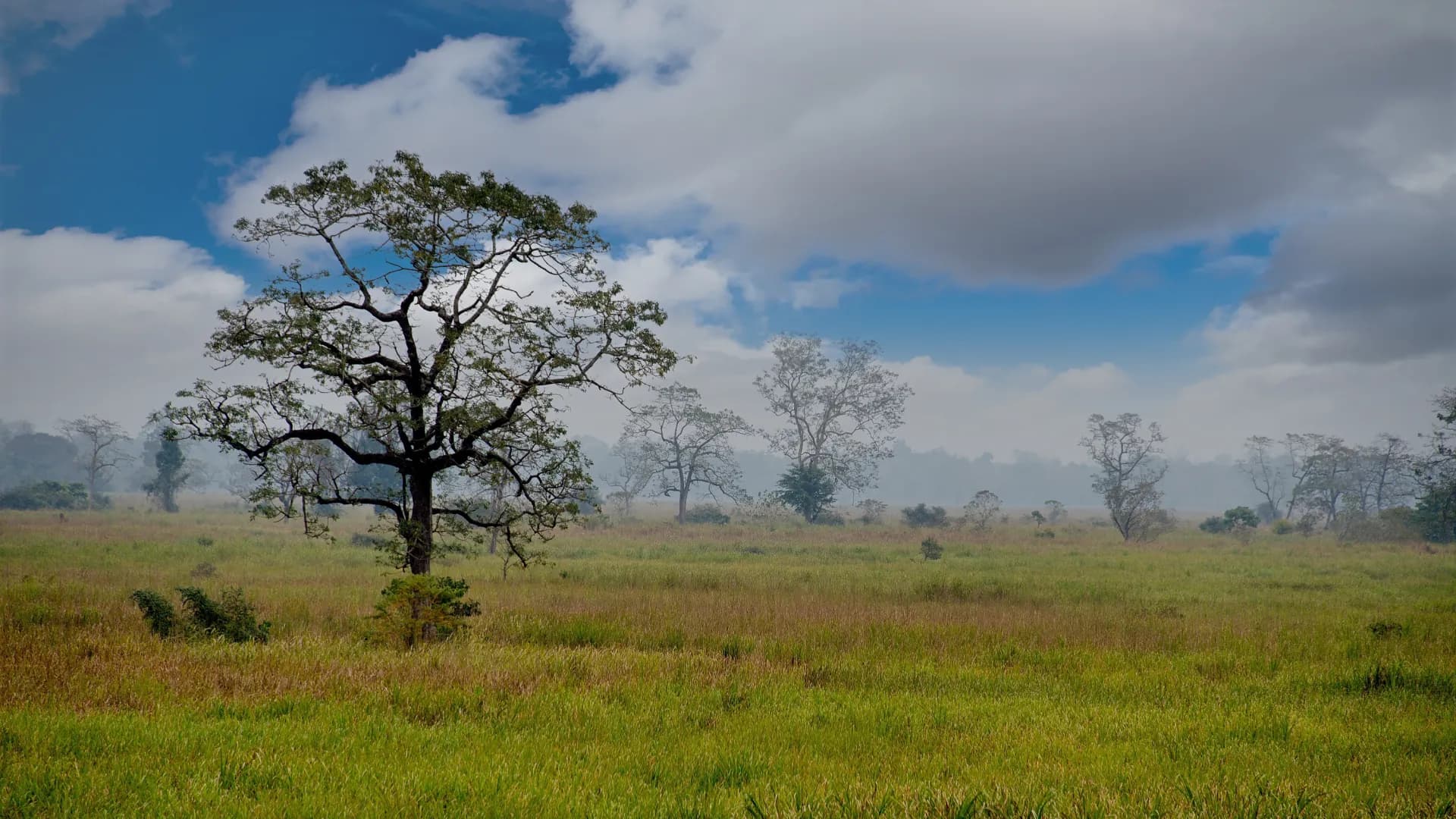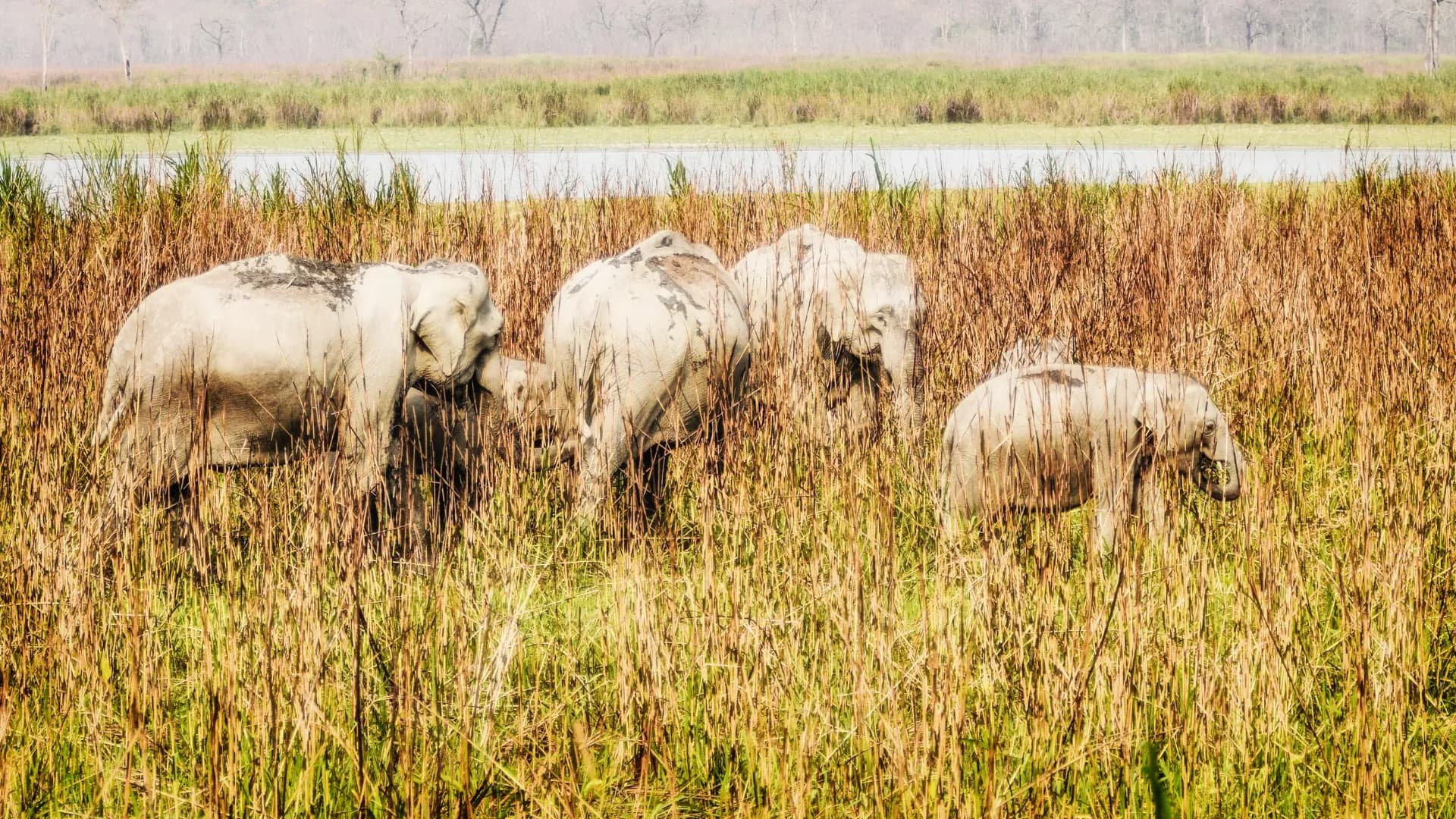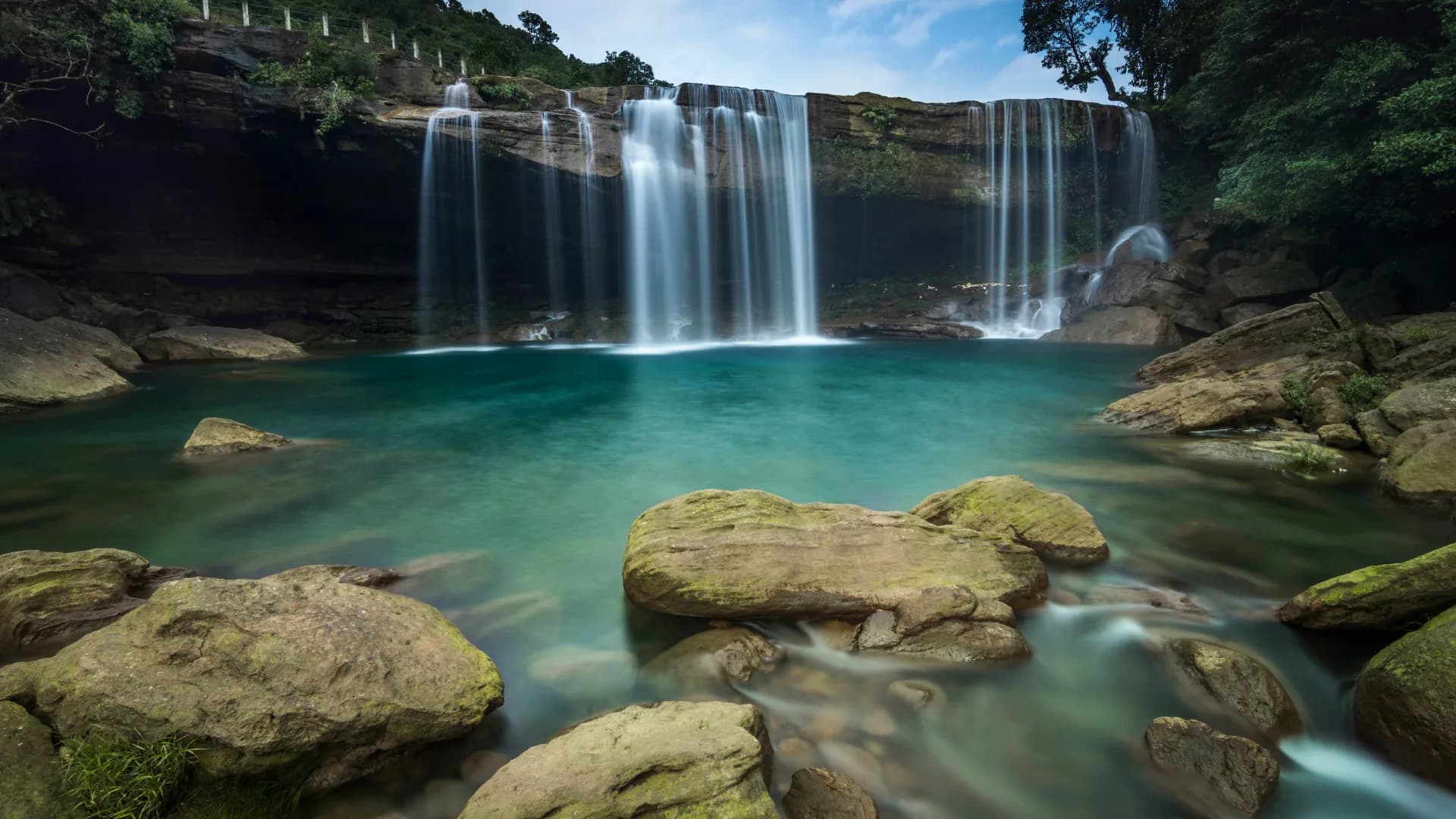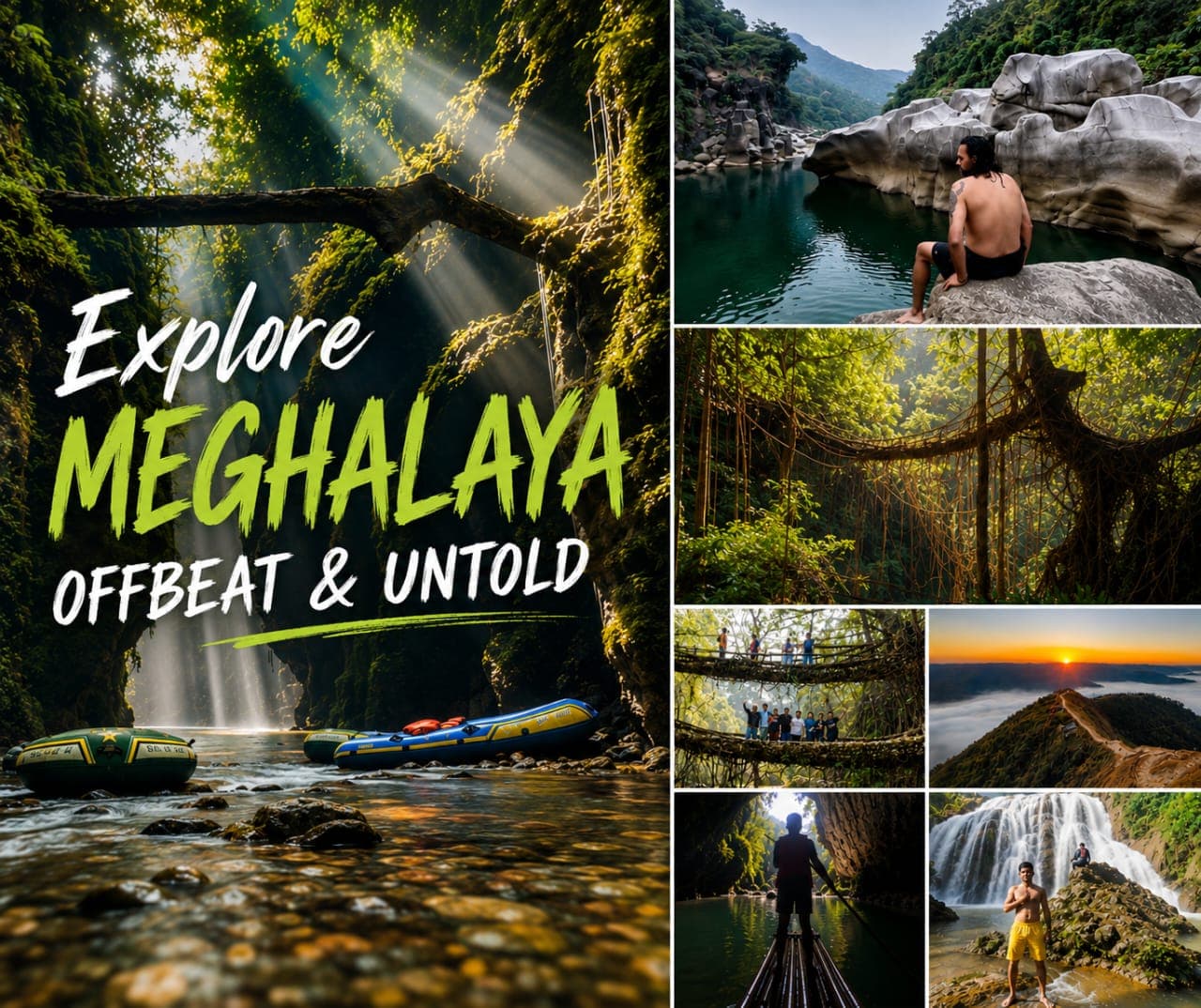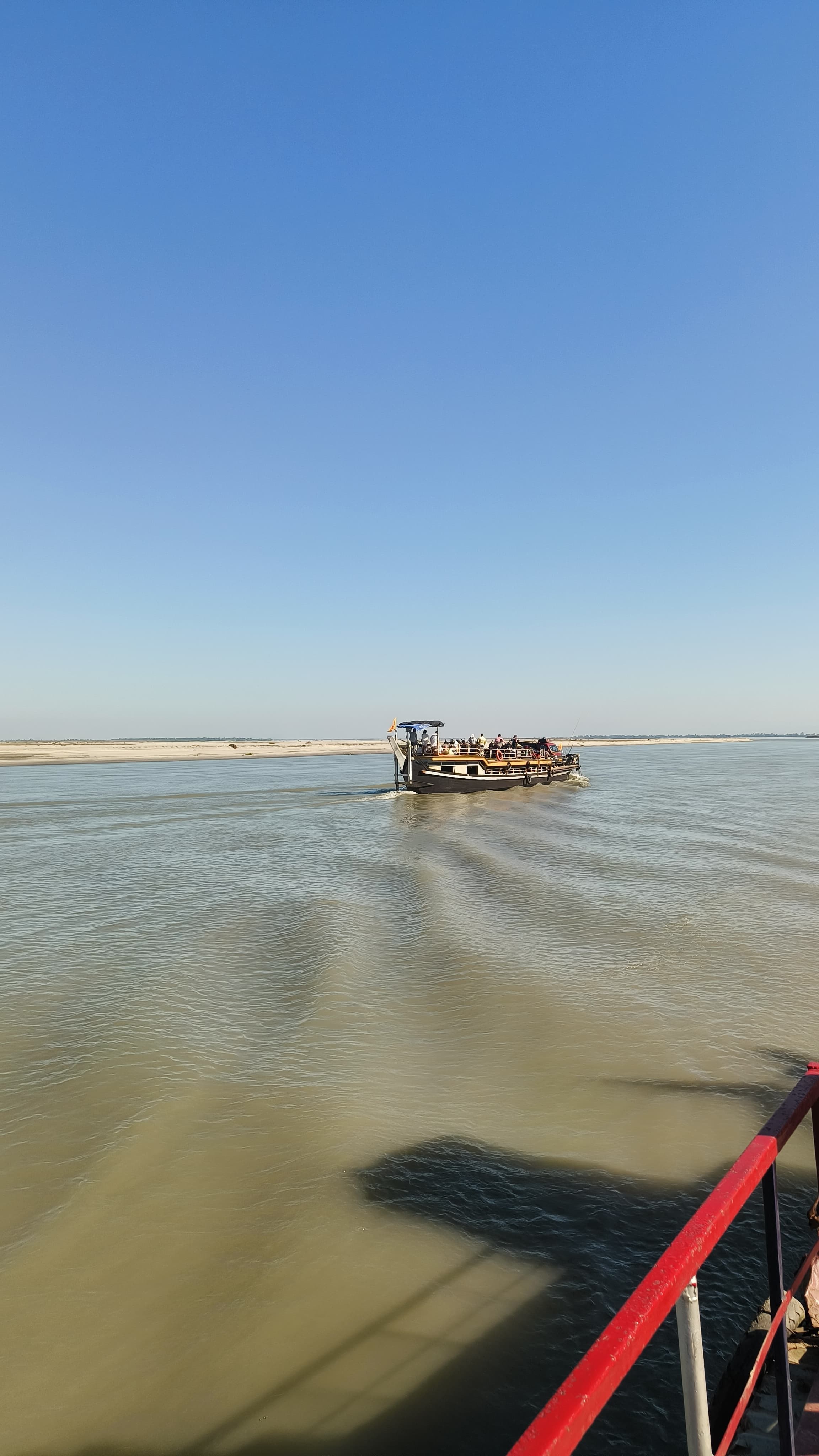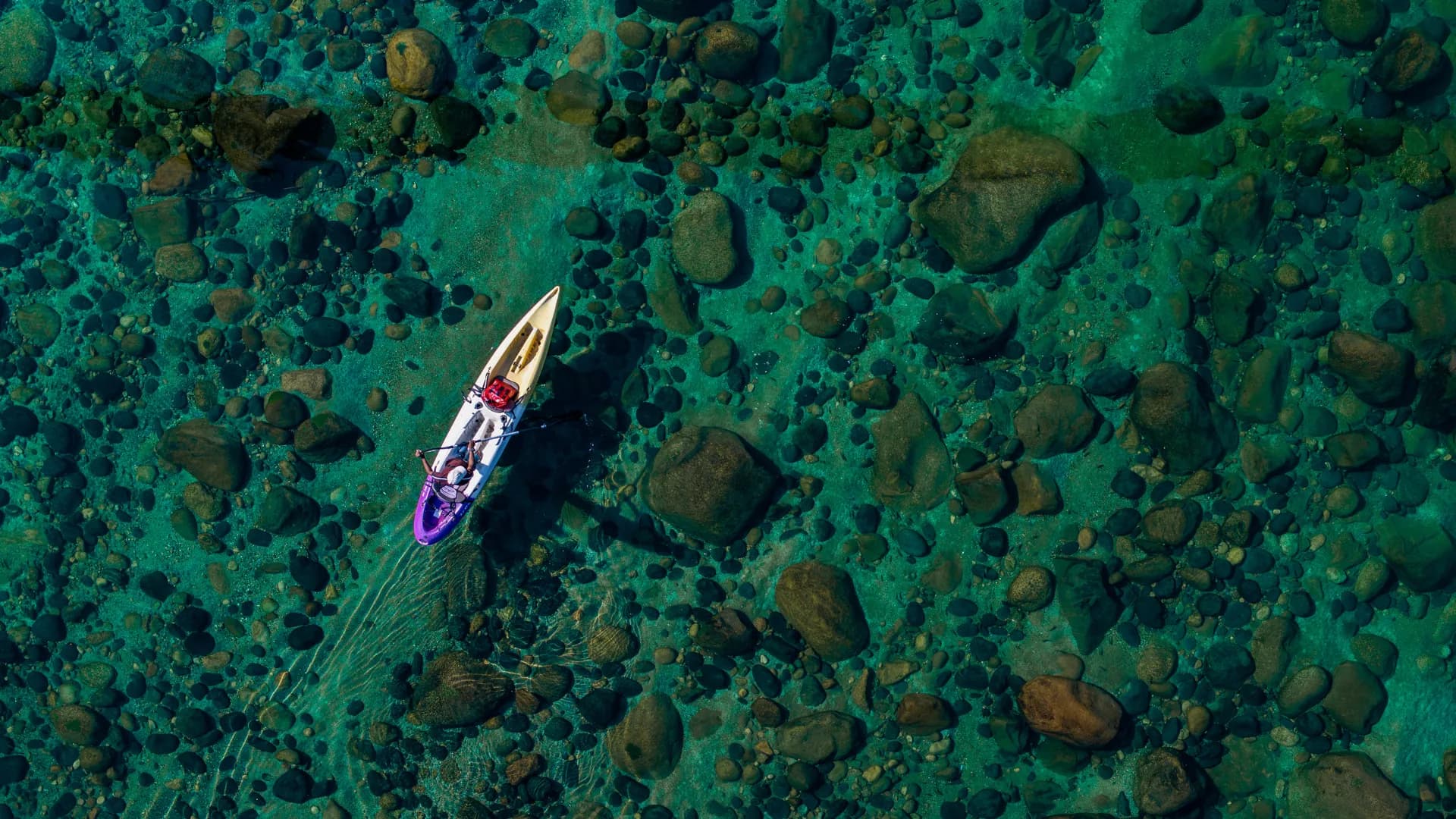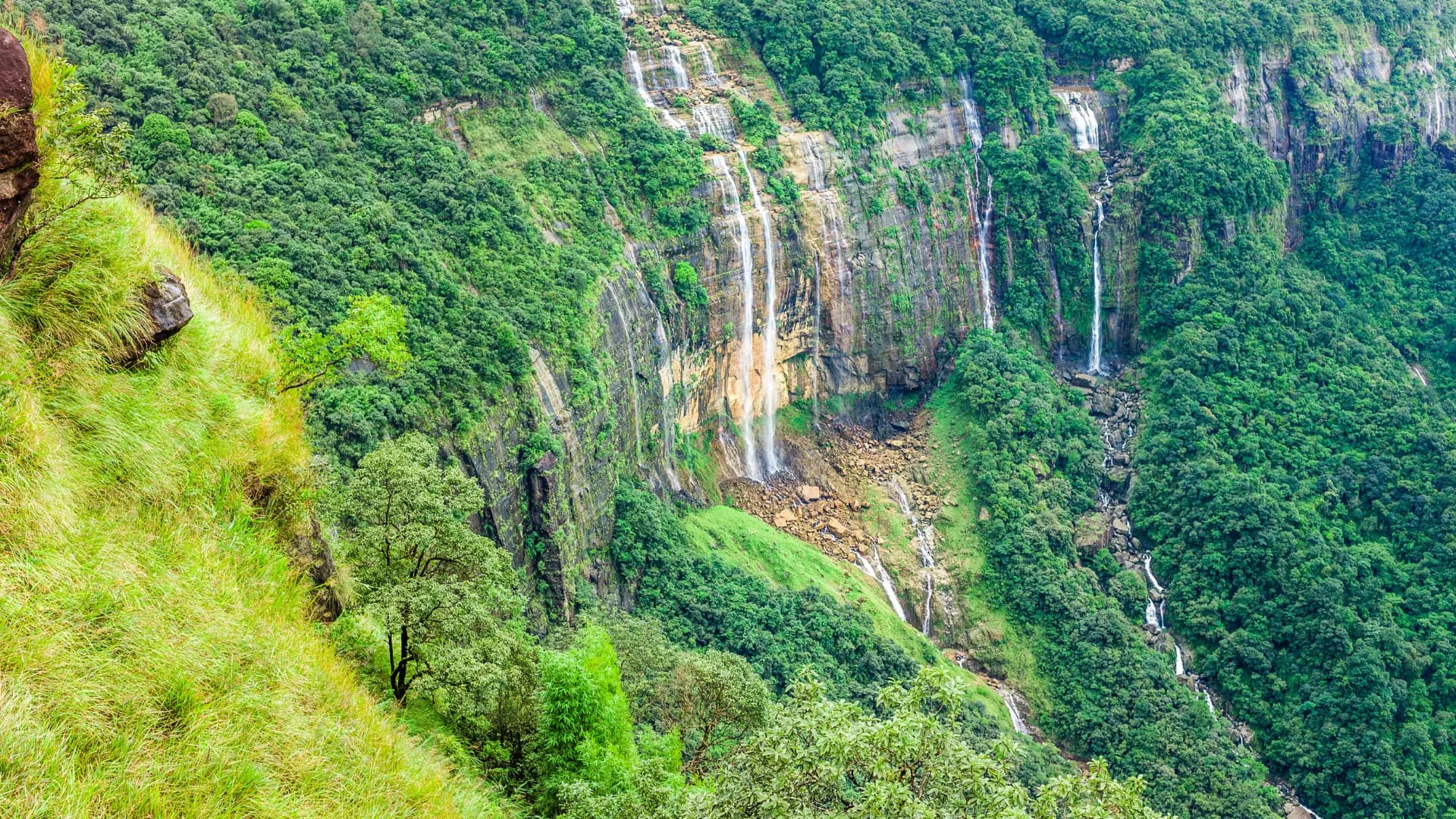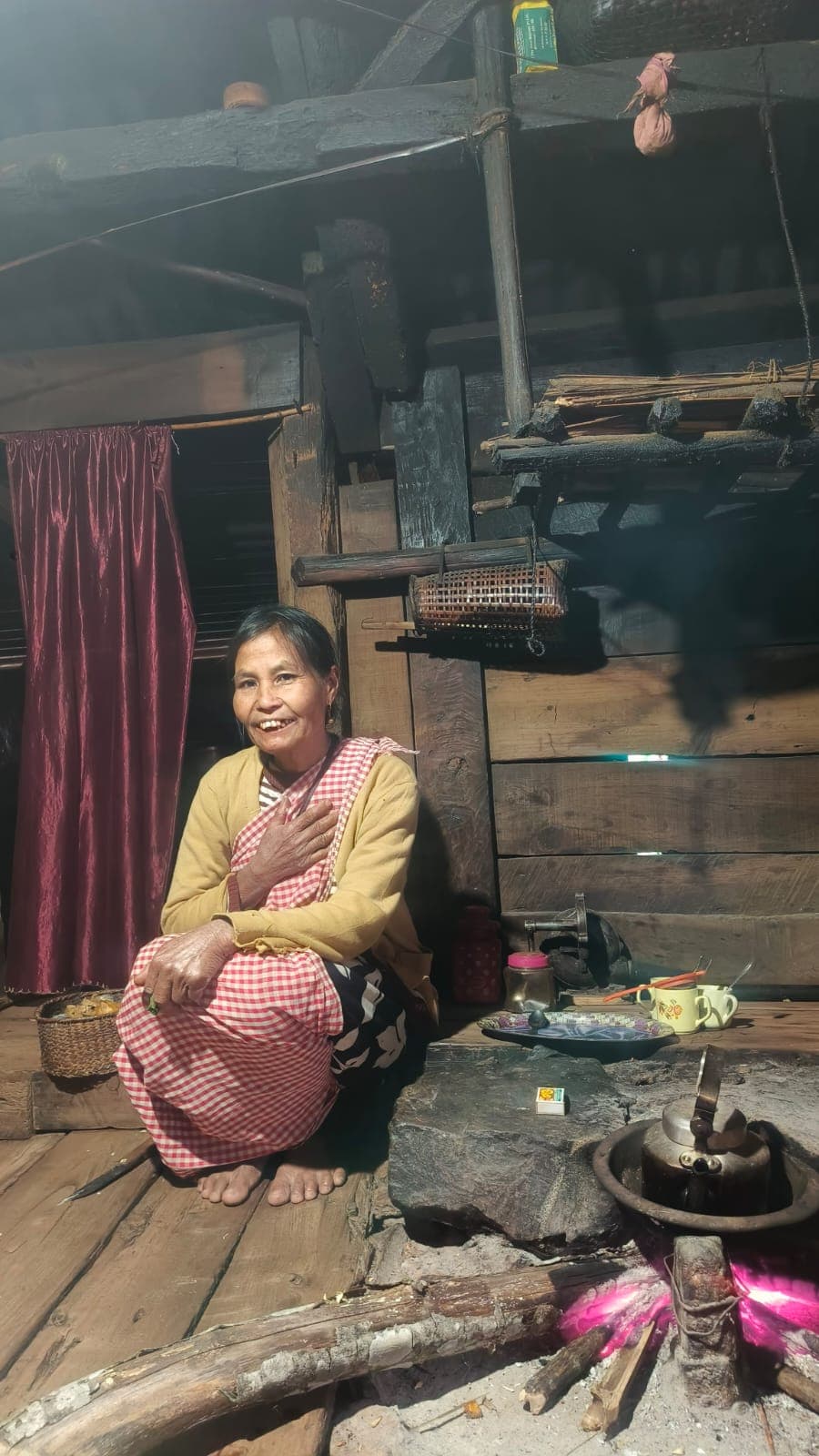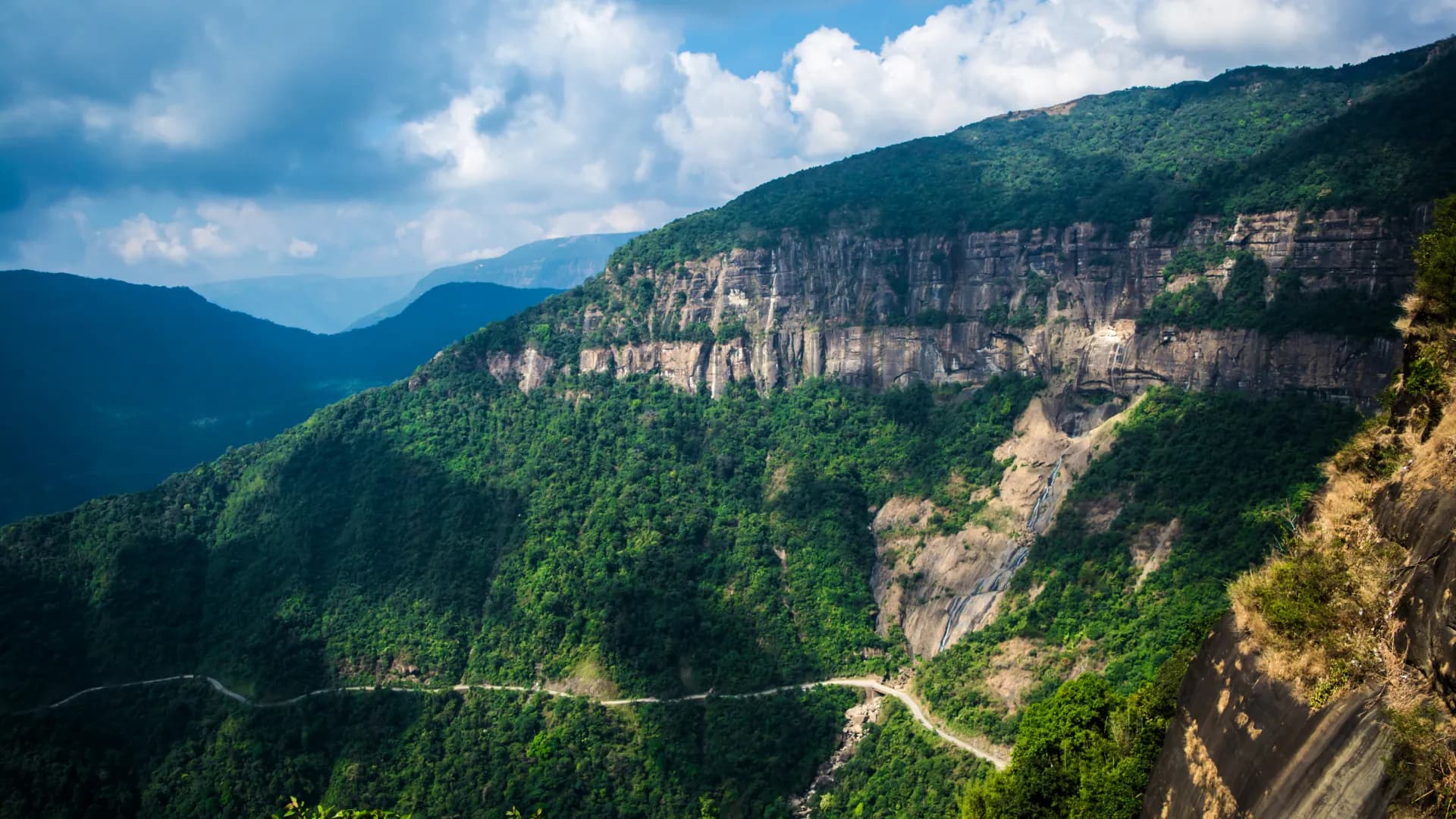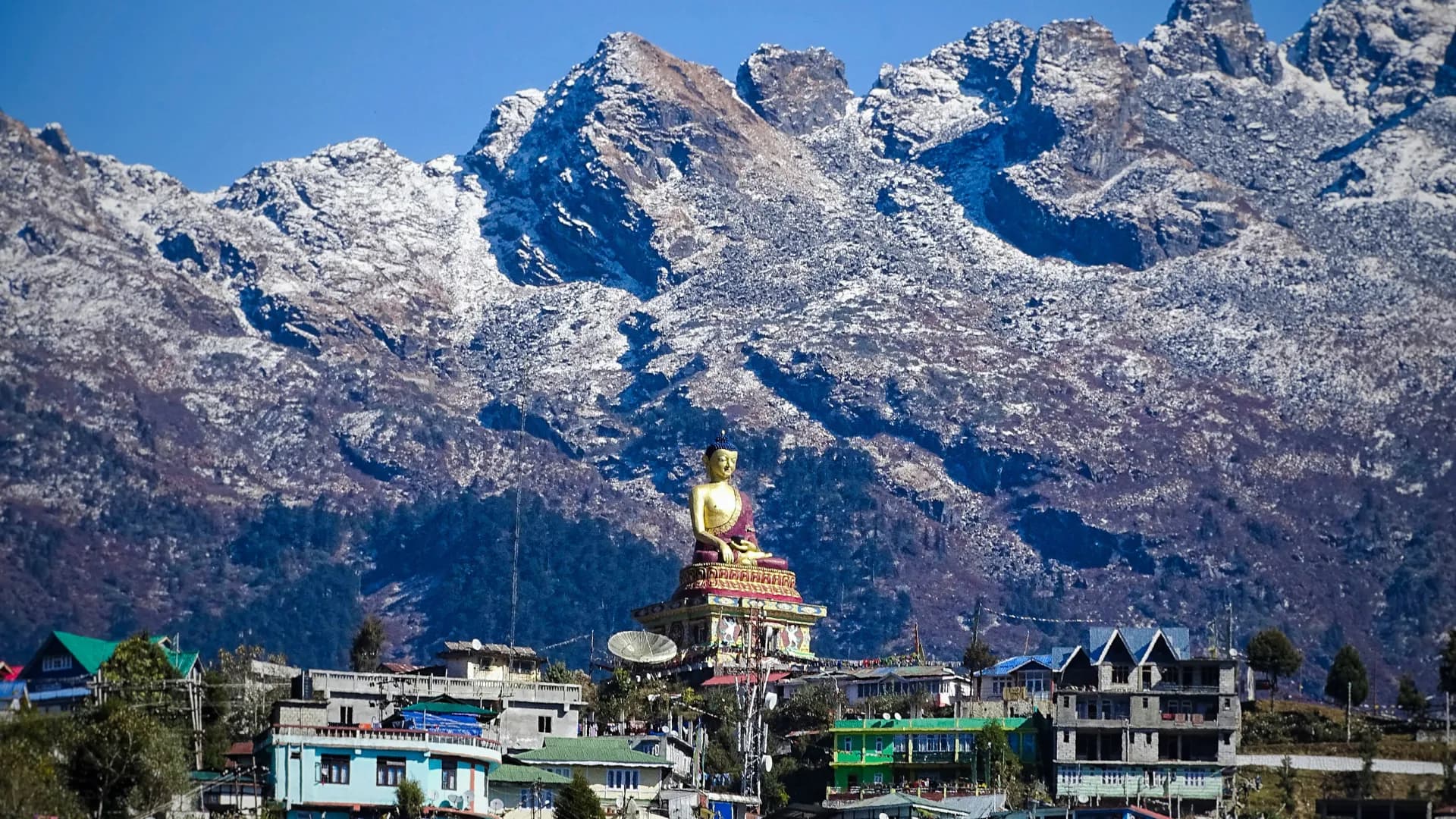
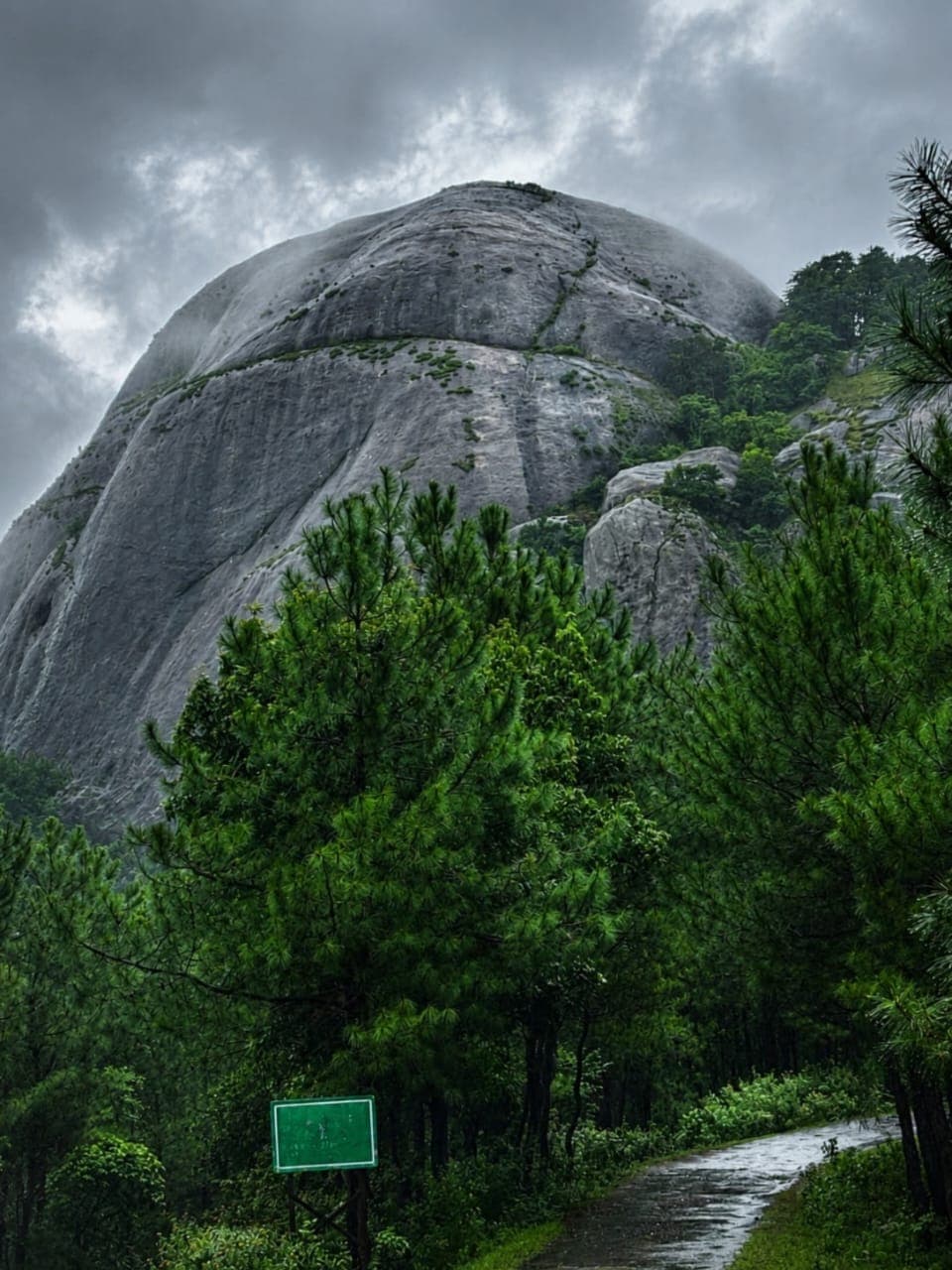
Some places are meant to be visited once, while others leave a mark on your heart forever. Meghalaya belongs to the second kind. Hidden in the lush green hills of Northeast India, Meghalaya is a destination where nature still feels untouched, rivers remain crystal clear, forests whisper with ancient stories, and clouds drift so close that they seem within reach. Every road reveals a new landscape, every village welcomes visitors with warmth, and every waterfall feels like a masterpiece created by nature itself. Known as the "Abode of Clouds," Meghalaya is far more than a tourist destination. It is a land of breathtaking waterfalls, mysterious caves, living root bridges, rolling green hills, sacred forests, charming villages, vibrant tribal traditions, and unforgettable adventures. Whether you dream of watching the sunrise above a sea of clouds, boating on the transparent waters of the Umngot River, trekking through dense rainforests, or discovering hidden canyons far from the crowds, Meghalaya offers experiences that remain with you long after your journey ends. Unlike many popular destinations that have become overcrowded, Meghalaya continues to preserve its authenticity. Here, travel is slower, quieter, and more meaningful. It is a place where you can disconnect from the noise of everyday life and reconnect with nature, culture, and yourself. This comprehensive guide has been carefully prepared for travellers planning a Meghalaya trip in 2026. Whether you are travelling as a couple, with family, a group of friends, or as a solo explorer, you will find everything you need to plan a memorable journey. Inside this guide, you will discover the best places to visit, ideal travel seasons, transportation options, suggested itineraries, estimated costs, accommodation choices, local food, cultural insights, safety tips, packing advice, and practical travel information based on real travel experiences. Rather than rushing from one sightseeing point to another, this guide encourages you to experience Meghalaya at a comfortable pace—spending time in local villages, exploring lesser-known destinations, interacting with local communities, and appreciating the remarkable beauty that makes this state one of India's most extraordinary travel destinations. If you are searching for a journey filled with waterfalls, mountains, forests, caves, rivers, adventure, culture, and unforgettable memories, Meghalaya deserves a place at the top of your travel list.
About Meghalaya
Meghalaya is one of the most beautiful states in Northeast India and is widely celebrated for its dramatic landscapes, rich biodiversity, pleasant climate, and unique indigenous culture.
The name Meghalaya literally means "The Abode of Clouds," a fitting description for a region where mist-covered hills, floating clouds, and endless greenery define the landscape throughout much of the year.
The state was officially formed on 21 January 1972 and shares its borders with Assam to the north and Bangladesh to the south. Although relatively small in size, Meghalaya offers an incredible diversity of landscapes within short driving distances.
Its capital city, Shillong, is often called the "Scotland of the East" because of its cool weather, rolling hills, colonial charm, and pine-covered surroundings. Shillong serves as the gateway to most journeys across the state.
Meghalaya is home to three major indigenous communities:
- Khasi - Jaintia - Garo
Each community has its own language, customs, festivals, music, food traditions, and way of life. One of the most fascinating aspects of Meghalaya's culture is its matrilineal society, where family lineage and inheritance traditionally pass through the women of the household. This centuries-old tradition makes Meghalaya socially unique within India.
The state receives some of the highest annual rainfall in the world. Places such as Cherrapunji (Sohra) and Mawsynram are internationally famous for their heavy rainfall, resulting in countless waterfalls, lush forests, fertile valleys, and spectacular landscapes.
Today, Meghalaya has become one of India's fastest-growing nature tourism destinations. Travellers visit not only for famous attractions but also for hidden waterfalls, offbeat villages, canyon adventures, river activities, cave exploration, camping experiences, and peaceful mountain stays.
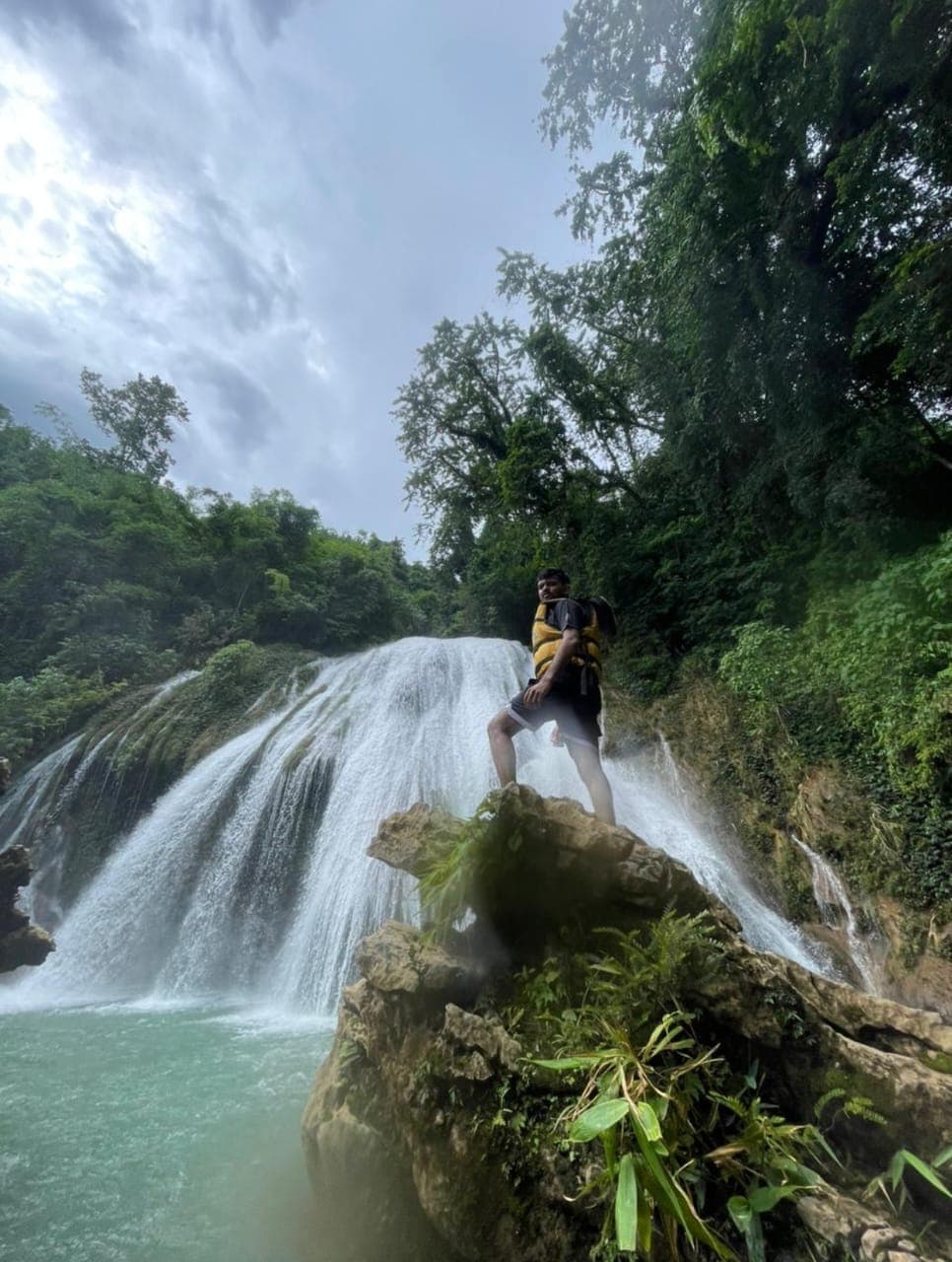
Why Visit Meghalaya?
Meghalaya continues to evolve as one of India's most rewarding travel destinations. Improved road connectivity, better accommodation options, community-based tourism, and responsible travel initiatives have made exploring the state easier while preserving its natural beauty.
1. Breathtaking Natural Beauty
Few places in India offer such incredible diversity within a single trip. In just a few days, travellers can experience waterfalls, caves, dense forests, transparent rivers, mountain viewpoints, bamboo bridges, rolling grasslands, and picturesque villages.
2. Crystal Clear Rivers
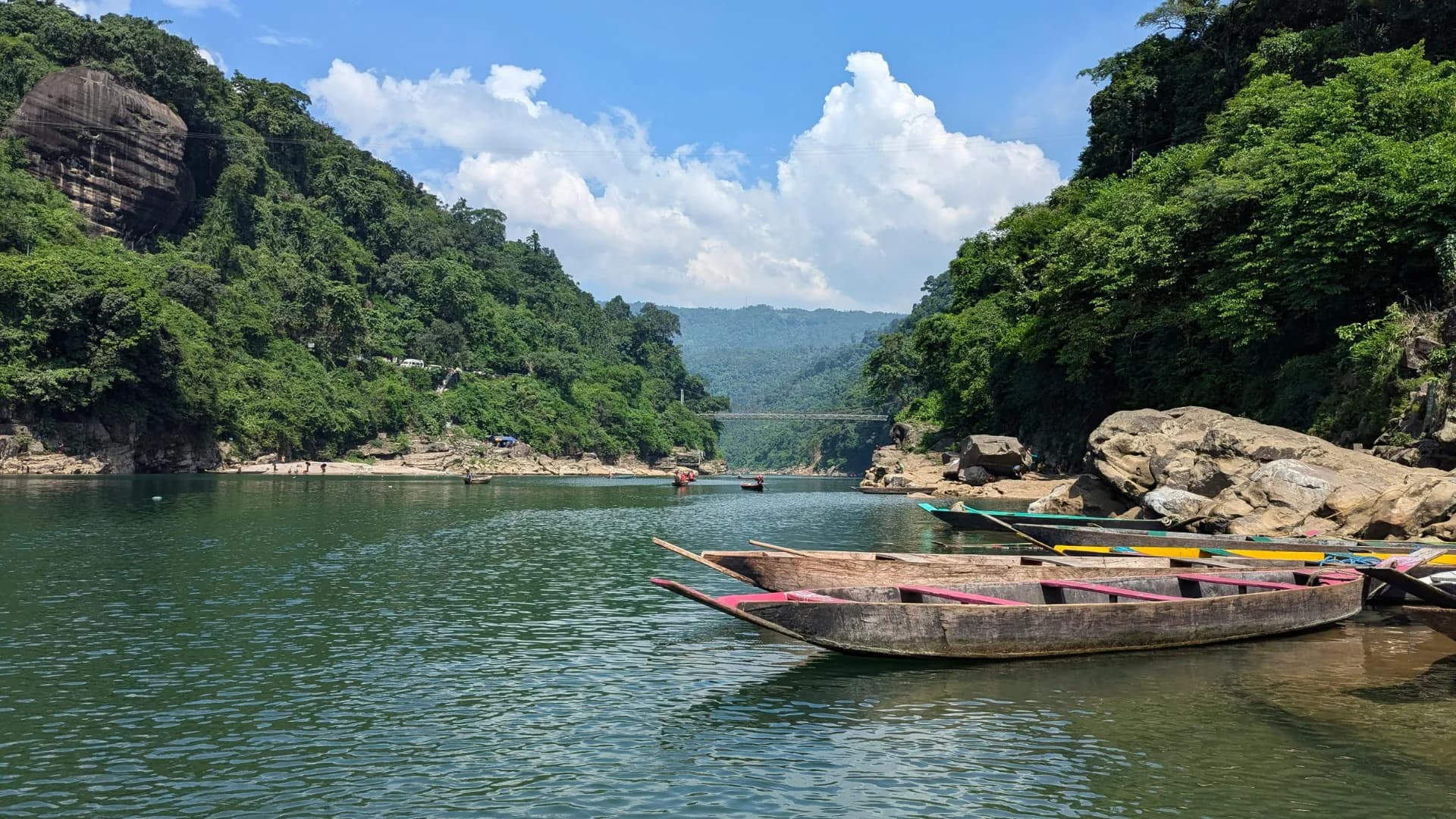
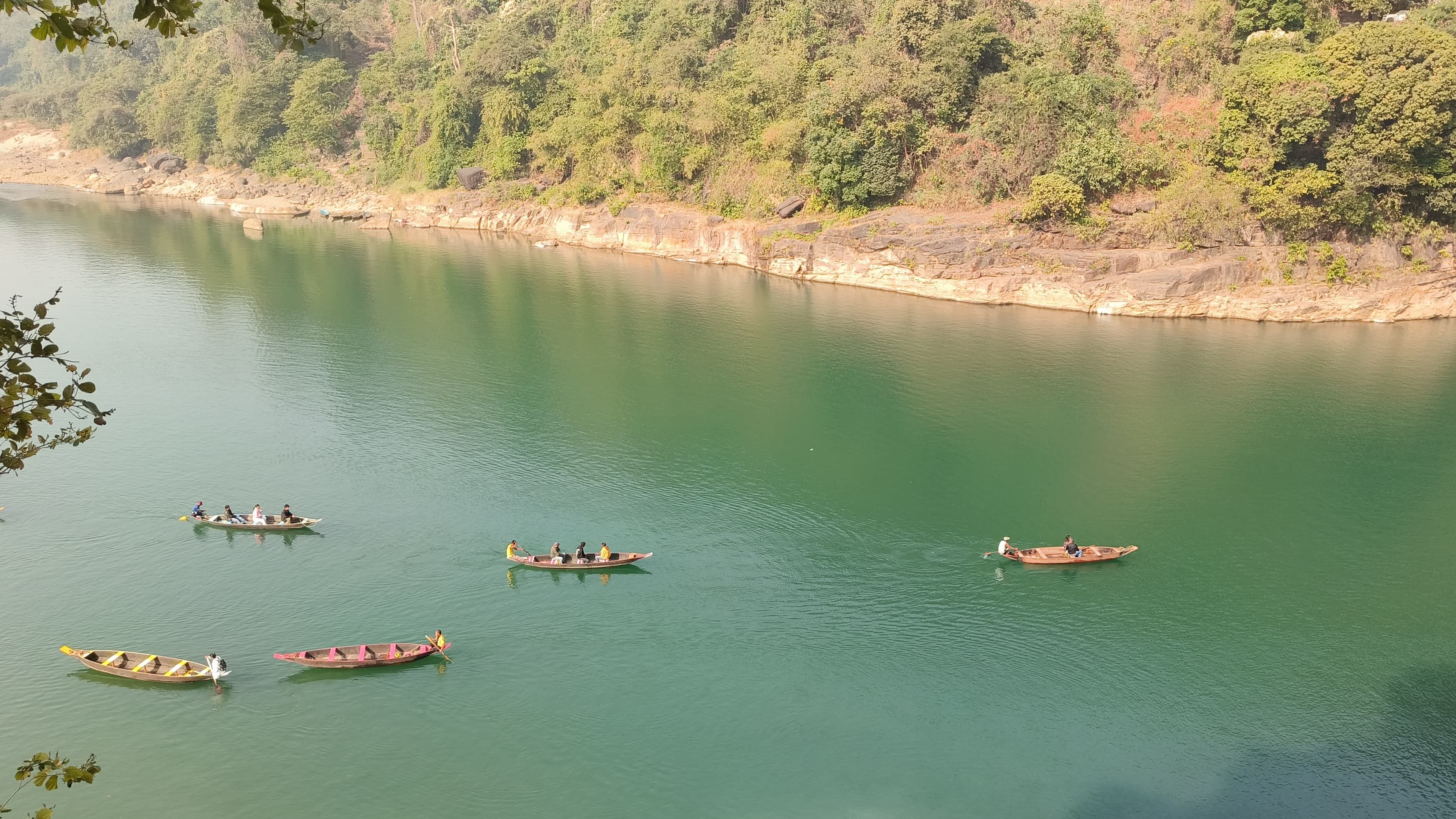
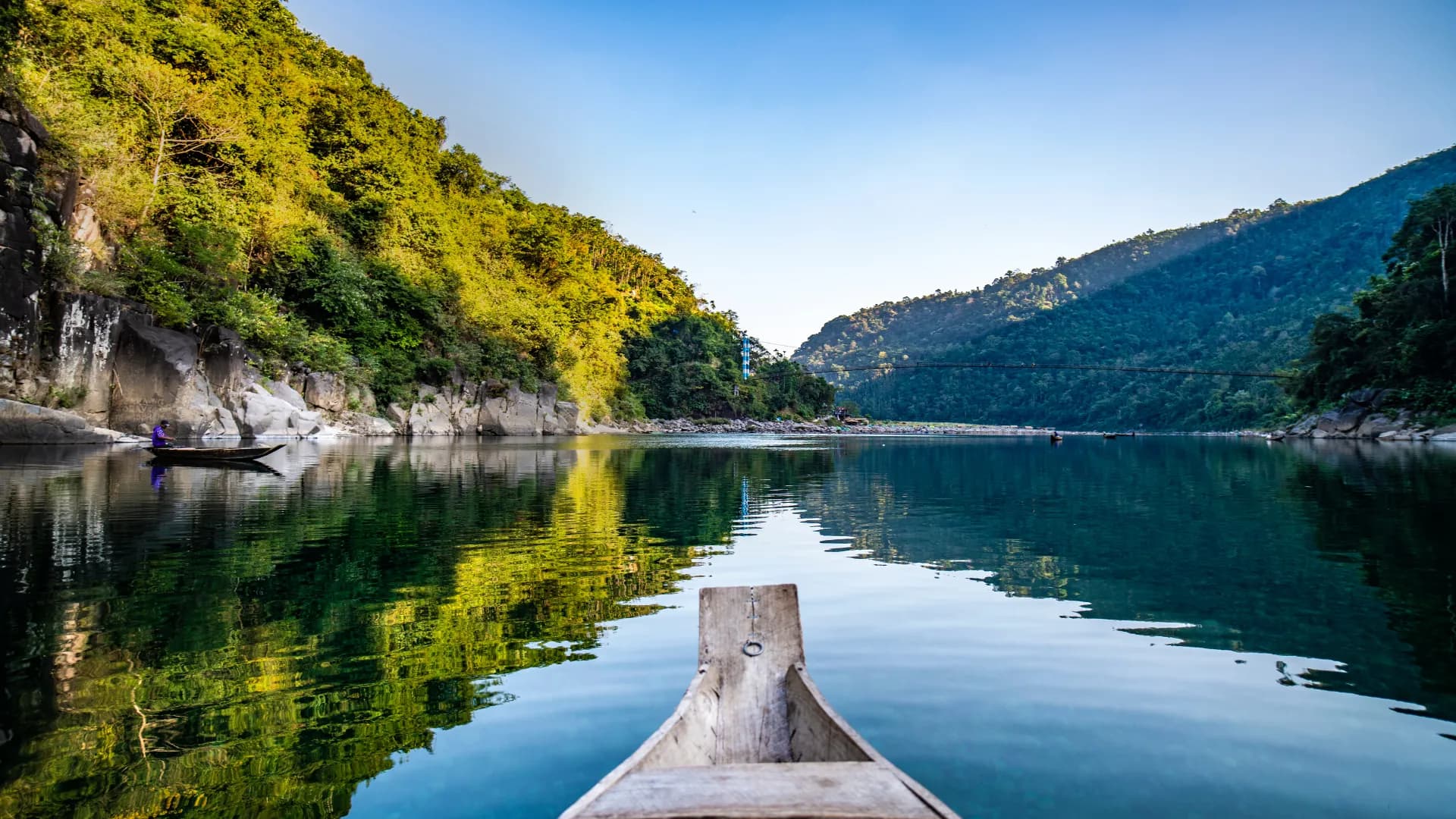
The Umngot River at Dawki is renowned for its astonishingly transparent water, where boats appear to float in mid-air during the dry season. This natural phenomenon attracts photographers and travellers from around the world.
3. Magnificent Waterfalls
Meghalaya is home to some of India's most spectacular waterfalls, including Nohkalikai Falls, Seven Sisters Falls, Wei Sawdong Falls, Krang Suri Falls, Elephant Falls, Bishop Falls, and many lesser-known hidden cascades waiting to be explored.
4. Living Root Bridges
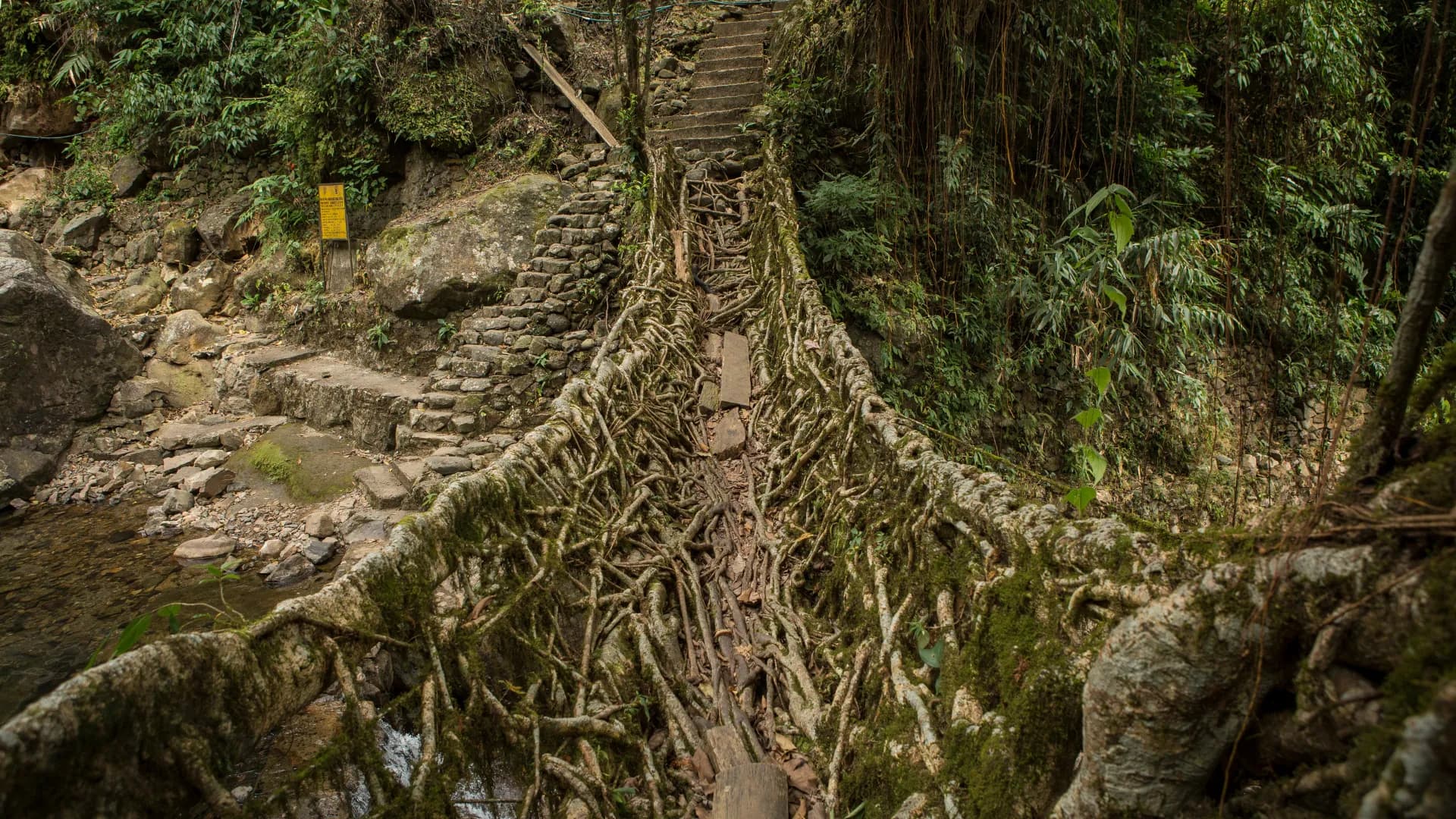
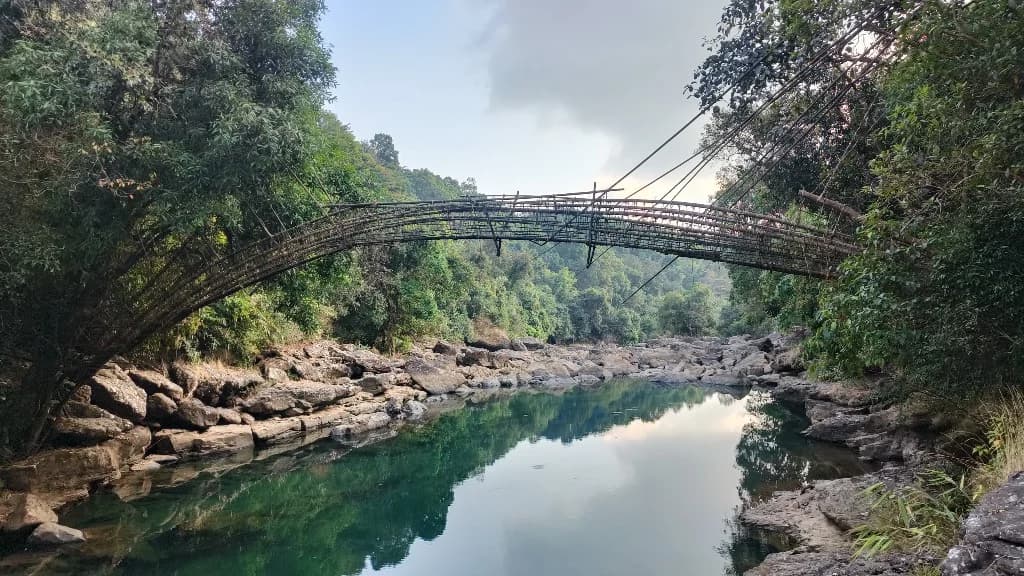
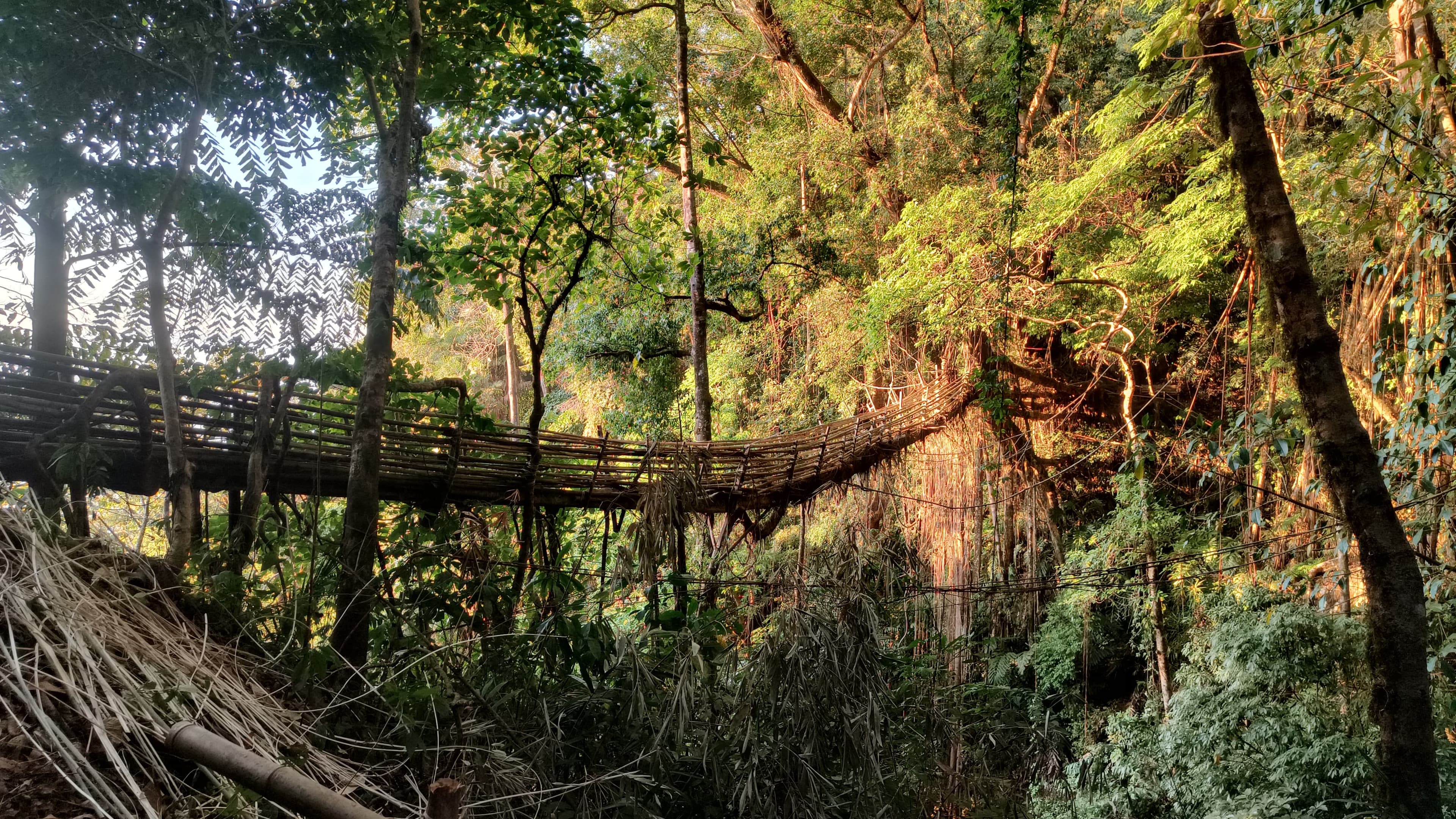
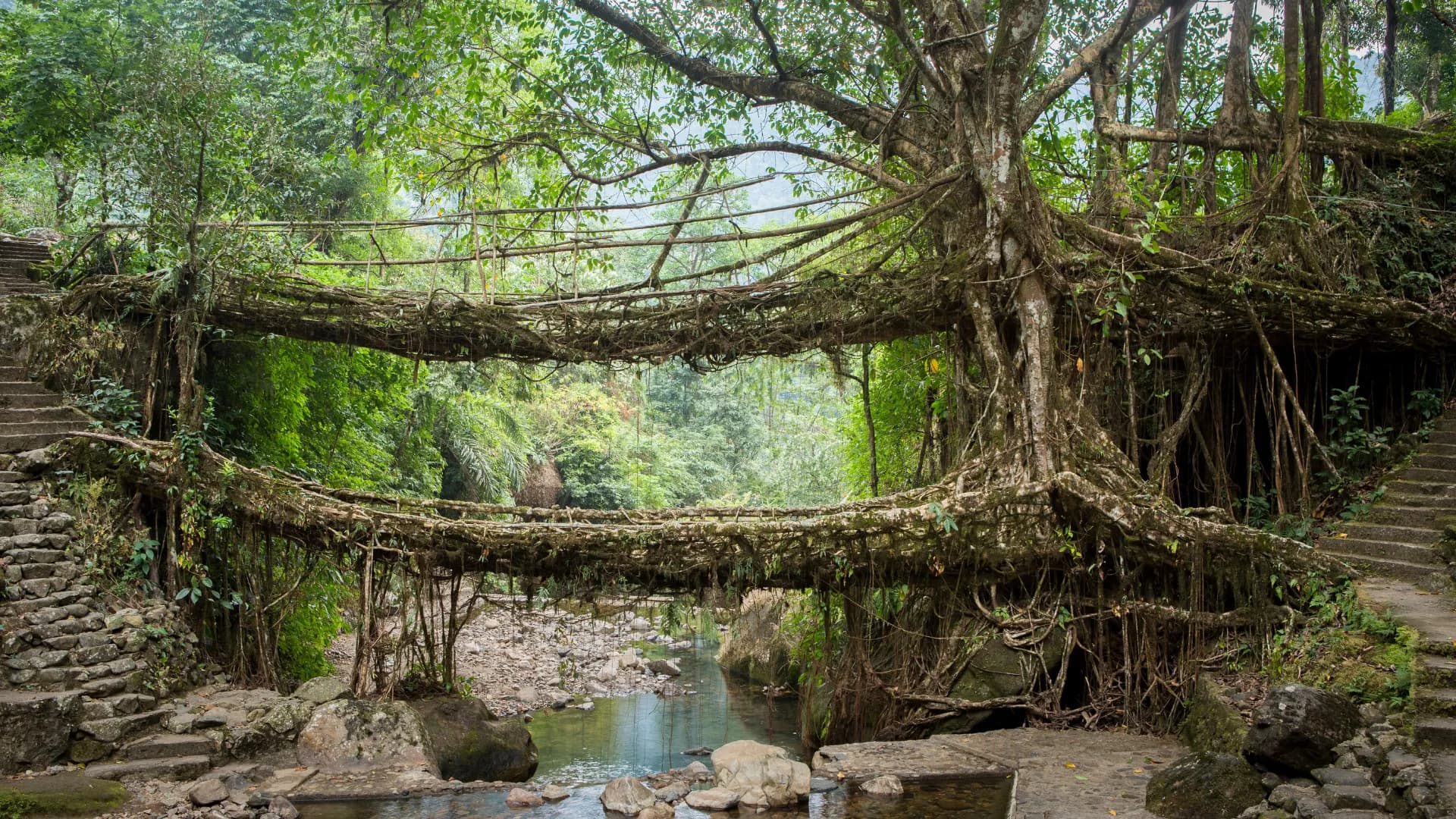
Perhaps nowhere else on Earth will you find bridges grown naturally from the living roots of rubber trees. These remarkable structures, carefully nurtured by local communities over generations, represent an extraordinary harmony between humans and nature.
5. Adventure Experiences
Adventure enthusiasts can enjoy trekking, cave exploration, kayaking, boating, cliff jumping, zip-lining, camping, river crossings, and off-road expeditions through remote valleys.
6. Rich Tribal Culture
Travelling through Meghalaya offers opportunities to experience authentic indigenous traditions, traditional architecture, local music, colourful festivals, handmade crafts, and delicious regional cuisine.
7. Perfect Weather
Compared to many Indian destinations, Meghalaya enjoys a comfortable climate for much of the year. Summers remain pleasant, monsoons transform the landscape into a lush paradise, and winters offer crisp mornings with clear skies.
8. Offbeat Experiences
Beyond the famous attractions lies another Meghalaya waiting to be discovered—Nongjrong, Wari Chora, Kongthong, Mawlybna, Phe Phe Falls, hidden canyons, secluded rivers, and untouched villages that offer peaceful, immersive travel experiences.
Explore our Offbeat Meghalaya Tour Package or Customized Meghalaya Tour for a journey tailored to your travel style.
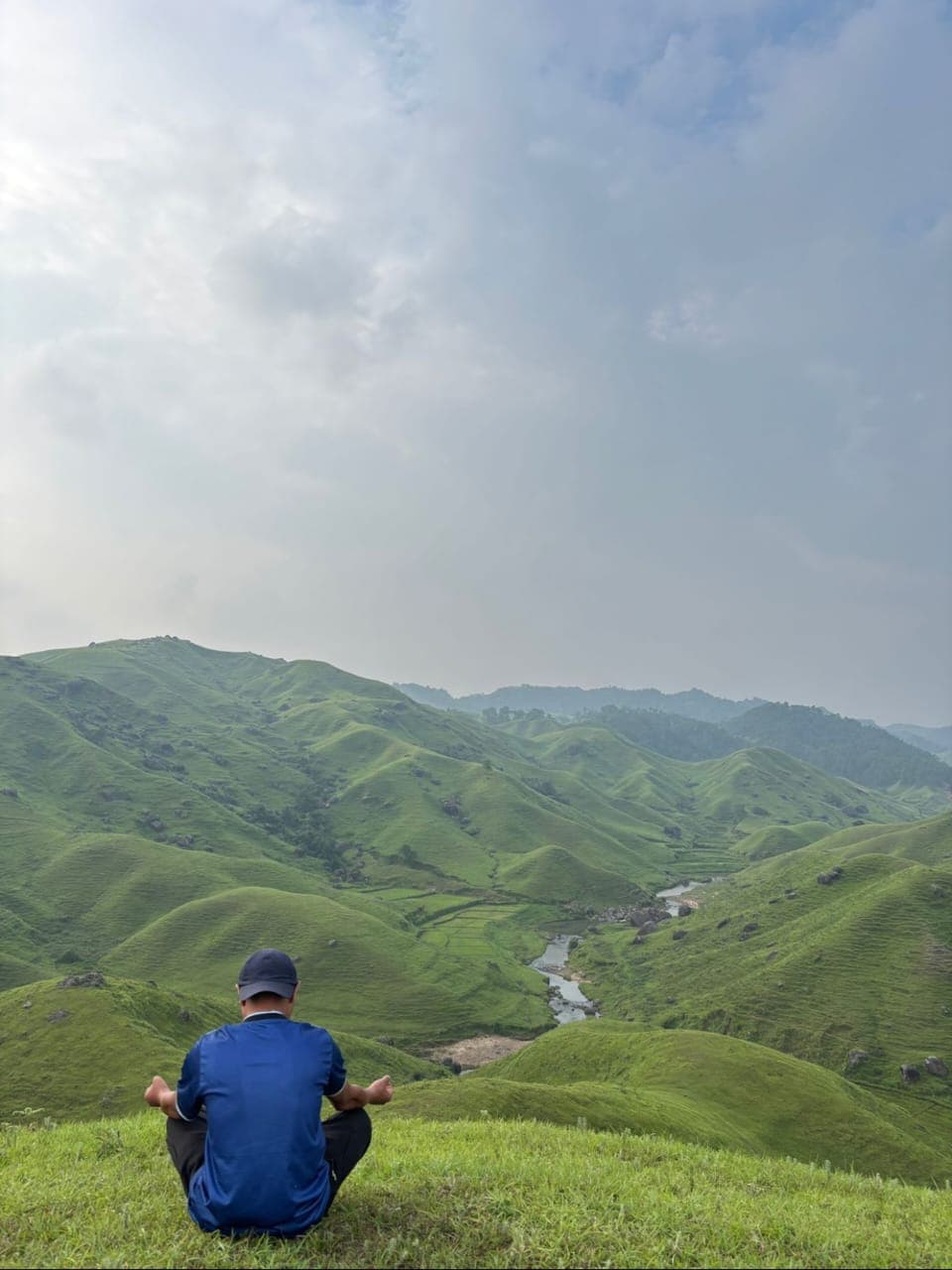
Best Time to Visit Meghalaya
The ideal time depends on the type of experience you seek.
October to April – Best Overall Season
This is generally considered the finest period to visit Meghalaya. Days are pleasant, rainfall is minimal, roads are in good condition, and sightseeing becomes comfortable. Crystal-clear rivers, blue skies, and excellent visibility make this season perfect for photography and outdoor activities.
Ideal for: - Honeymoon trips - Family vacations - Road trips - Dawki boating - Sightseeing - Photography
May to June – Early Monsoon Charm
As the first rains arrive, Meghalaya begins transforming into a lush green paradise. Waterfalls become fuller, forests appear more vibrant, and the hills turn a brilliant shade of emerald.
Ideal for: - Nature lovers - Waterfall enthusiasts - Landscape photography
July to September – Monsoon Wonderland
This is the season when Meghalaya truly lives up to its name. Heavy rainfall creates roaring waterfalls, mist-covered valleys, flowing streams, and dramatic cloud formations.
Travellers should be prepared for occasional road delays and limited outdoor activities due to weather conditions, but the scenery during this season is unforgettable.
Ideal for: - Monsoon lovers - Experienced travellers - Waterfall photography
December to February – Winter Beauty
Winter brings cool mornings, sunny afternoons, and excellent visibility. Temperatures are comfortable, making it one of the most popular seasons for tourists.
Ideal for: - Couples - Families - Adventure activities - Camping - Trekking
Meghalaya Weather Guide
Spring (March–April): 15°C–25°C — Pleasant weather and blooming landscapes Summer (May–June): 18°C–28°C — Comfortable climate with occasional rain Monsoon (July–September): 18°C–24°C — Lush greenery, waterfalls at their peak Autumn (October–November): 15°C–23°C — Clear skies, ideal for sightseeing Winter (December–February): 5°C–20°C — Cool, crisp weather perfect for travel
Explore Meghalaya in your preferred season with our Meghalaya Monsoon Package, Meghalaya Honeymoon Package, or Essential Meghalaya Package.
How to Reach Meghalaya
Despite its serene atmosphere, Meghalaya is well connected by air, rail, and road.
By Air
The nearest major airport is Lokpriya Gopinath Bordoloi International Airport (Guwahati), approximately 120 km from Shillong. It has frequent flights connecting major Indian cities such as Delhi, Kolkata, Bengaluru, Mumbai, Chennai, Hyderabad, and Jaipur.
From Guwahati Airport, travellers can hire private taxis, shared cabs, or pre-booked vehicles to reach Shillong in about 3–4 hours, depending on traffic and weather.
Shillong also has Shillong Airport (Umroi), but flight connectivity is limited compared to Guwahati.
By Train
Meghalaya does not yet have an extensive railway network. The nearest major railway station is Guwahati Railway Station, which connects Northeast India with the rest of the country.
From Guwahati Railway Station, taxis and buses are easily available for onward travel to Shillong and other destinations.
By Road
Road travel is the most popular and scenic way to explore Meghalaya.
Regular shared taxis, government buses, private buses, and self-drive vehicles operate between Guwahati and Shillong. Well-maintained highways, beautiful mountain roads, and numerous viewpoints make the journey itself an enjoyable experience.
Local Transportation in Meghalaya
Understanding local transport helps travellers plan a smoother journey.
Private Cab: The most comfortable and flexible option, especially for families, couples, photographers, and travellers visiting multiple destinations. A private cab allows you to stop at viewpoints, waterfalls, cafés, and hidden attractions along the way.
Shared Taxi: A budget-friendly option available on popular routes such as Guwahati–Shillong and Shillong–Sohra. While economical, shared taxis follow fixed routes and schedules.
Self-Drive: Experienced drivers may choose to explore Meghalaya by self-drive car or motorcycle. Mountain roads are generally in good condition, though caution is essential during the monsoon season.
Local Taxi: Within Shillong and nearby towns, local taxis are readily available for short-distance travel.
The Best Places to Visit in Meghalaya
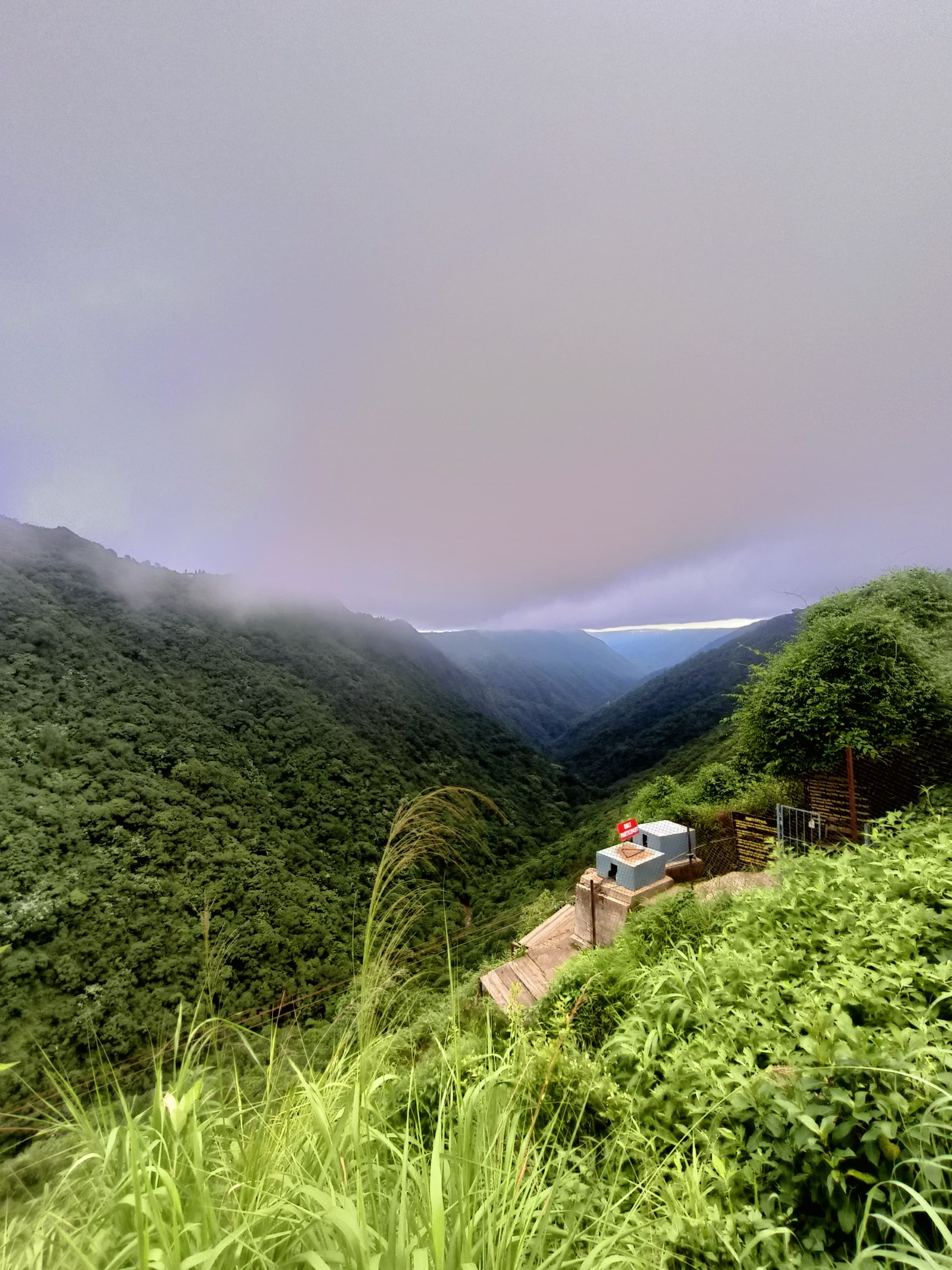
A journey through Meghalaya is not simply about visiting famous attractions—it is about experiencing landscapes that change with every passing kilometre. From bustling hill towns and dramatic waterfalls to crystal-clear rivers and peaceful villages, every destination offers a unique story.
Shillong – The Heart of Meghalaya
Shillong, the capital of Meghalaya, is often the first destination travellers encounter. Perched at an altitude of around 1,500 metres, this charming hill city blends colonial heritage, modern cafés, pine forests, local markets, music culture, and breathtaking viewpoints. Known as the "Scotland of the East," Shillong serves as the perfect base for exploring the rest of Meghalaya.
Top Attractions in Shillong:
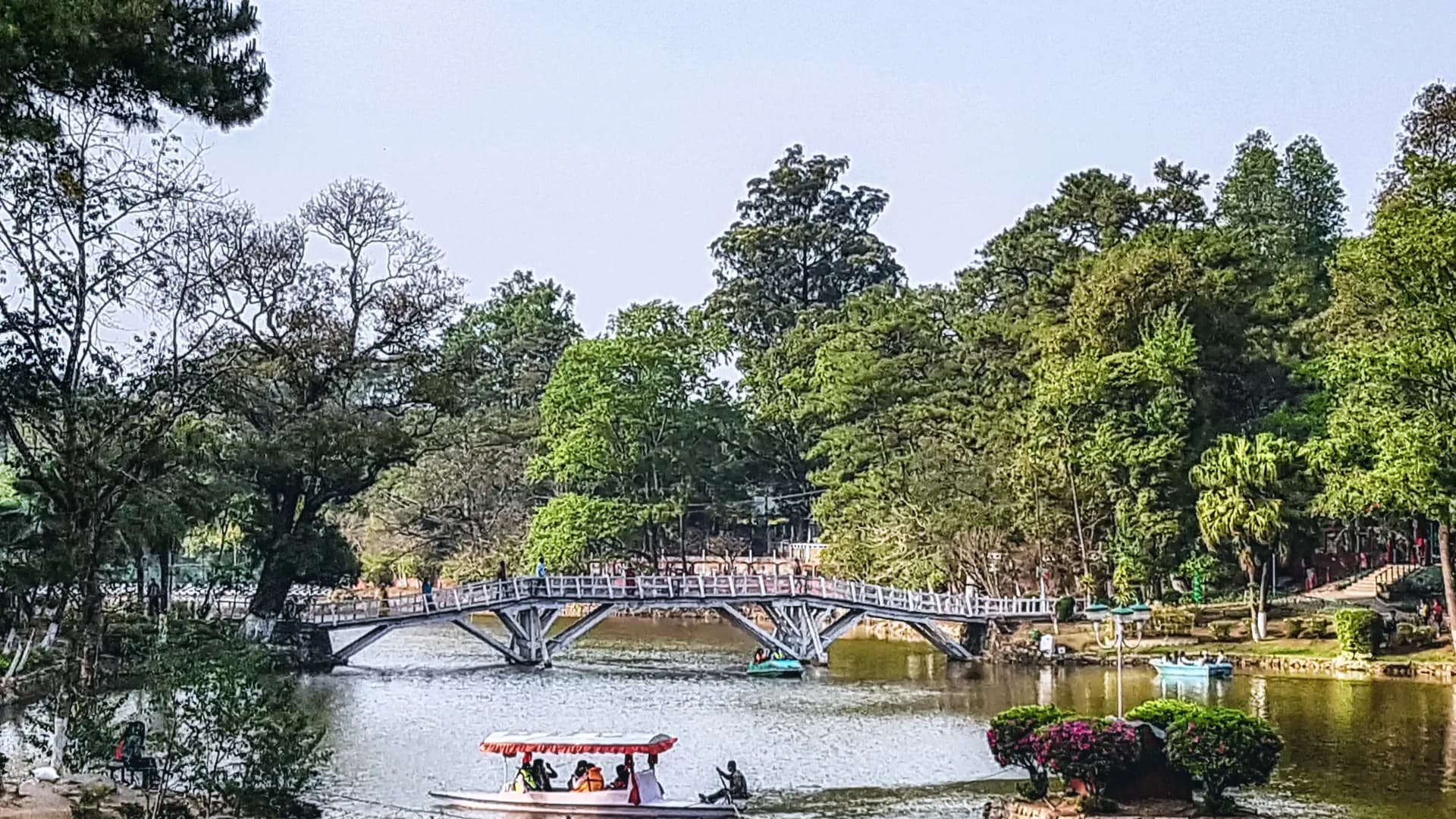
Ward's Lake — Located in the heart of the city, Ward's Lake is a beautifully maintained artificial lake surrounded by flowering gardens and walking paths. Best for couples, families, leisure walks, and photography.
Police Bazaar — No visit to Shillong is complete without exploring Police Bazaar. This lively commercial area is filled with restaurants, cafés, bakeries, handicraft shops, clothing stores, local food stalls, and souvenir markets. Popular purchases include bamboo handicrafts, traditional Khasi textiles, organic spices, local honey, and handmade jewellery.
Cathedral of Mary Help of Christians — This magnificent church is among the most beautiful religious landmarks in Northeast India. Its peaceful surroundings, elegant architecture, stained-glass windows, and beautifully maintained gardens make it worth visiting.
Shillong Peak — Standing at nearly 1,965 metres above sea level, Shillong Peak offers panoramic views of the city, surrounding hills, and even parts of Bangladesh on exceptionally clear days. Especially beautiful during sunrise and sunset. Travel Tip: Carry a light jacket, as temperatures can be noticeably cooler.
Elephant Falls — Located just outside Shillong, Elephant Falls flows through three distinct levels connected by stone pathways and viewing platforms. The surrounding forest remains green throughout the year.
Don Bosco Museum — For travellers interested in the culture of Northeast India, this museum showcases tribal traditions, costumes, musical instruments, ancient weapons, handicrafts, cultural history, and lifestyle exhibits. The rooftop skywalk also offers impressive city views.
Shillong Café Culture — Shillong is famous for its café scene. Whether you're looking for freshly brewed coffee, homemade desserts, local cuisine, or live music, the city offers countless cosy spaces where travellers can unwind.
Cherrapunji (Sohra) – Land of Waterfalls and Living Root Bridges
Approximately 55 kilometres from Shillong lies Cherrapunji, locally known as Sohra. For decades, Cherrapunji was recognised as the wettest place on Earth. Towering cliffs, dramatic valleys, ancient caves, lush forests, and countless waterfalls define this remarkable landscape.
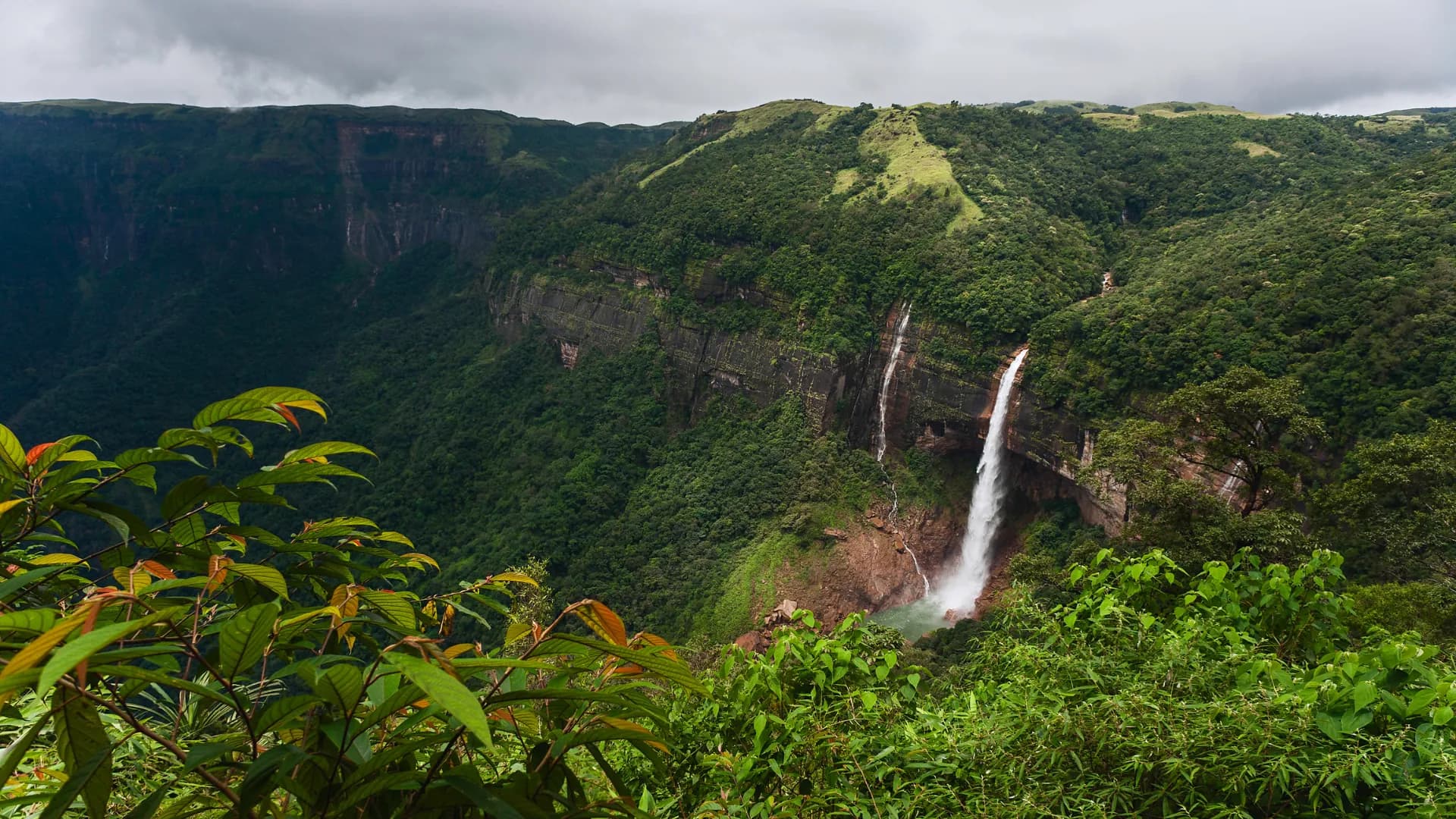
Nohkalikai Falls — With a height of approximately 340 metres, Nohkalikai Falls is India's tallest plunge waterfall. The turquoise pool below the waterfall creates one of the most photographed landscapes in Northeast India. Best Time: October to February for visibility.
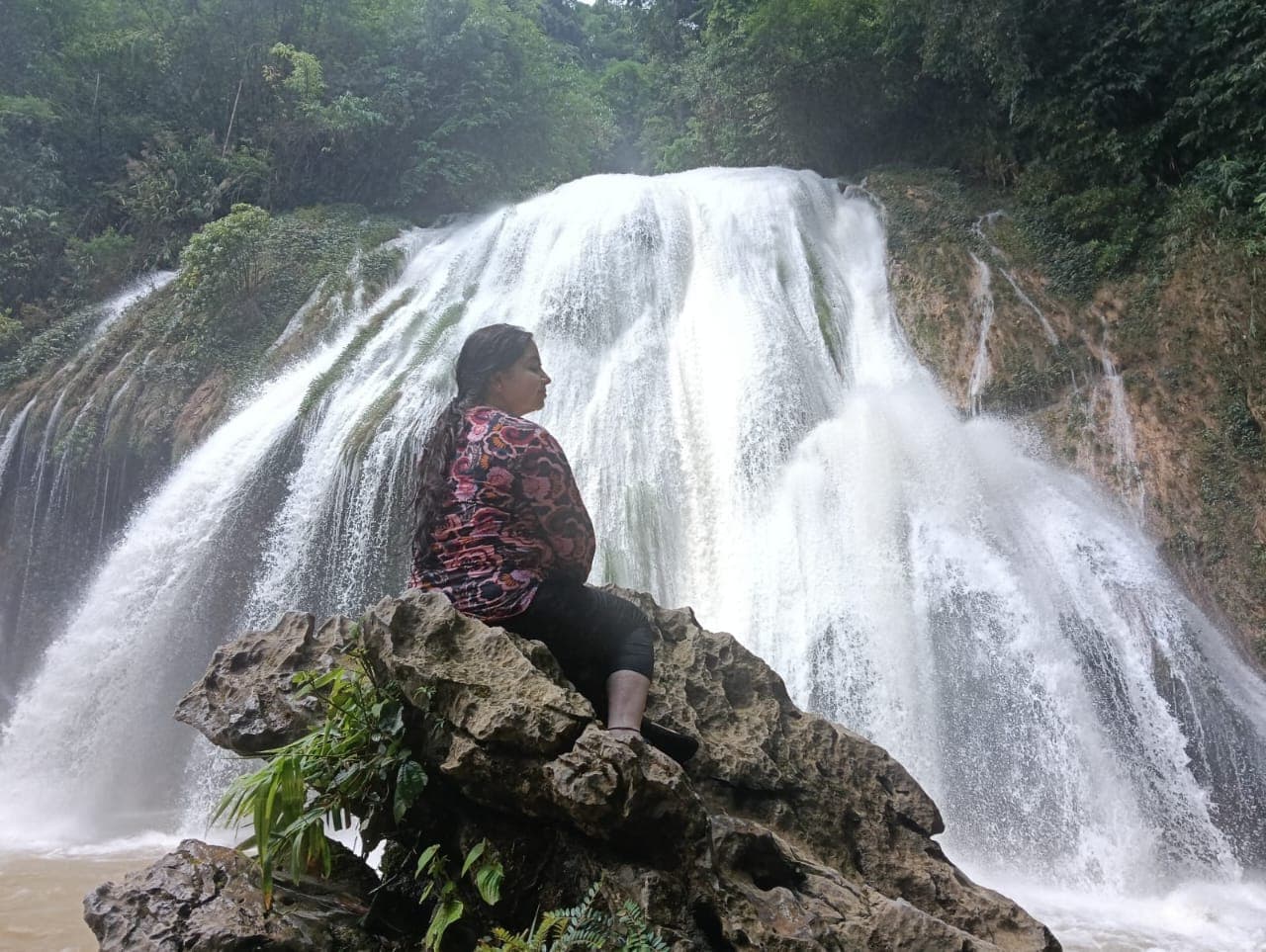
Seven Sisters Falls — Also called Nohsngithiang Falls, this magnificent waterfall flows down a massive limestone cliff in seven separate streams. During the rainy season, it becomes one of Meghalaya's most breathtaking sights.
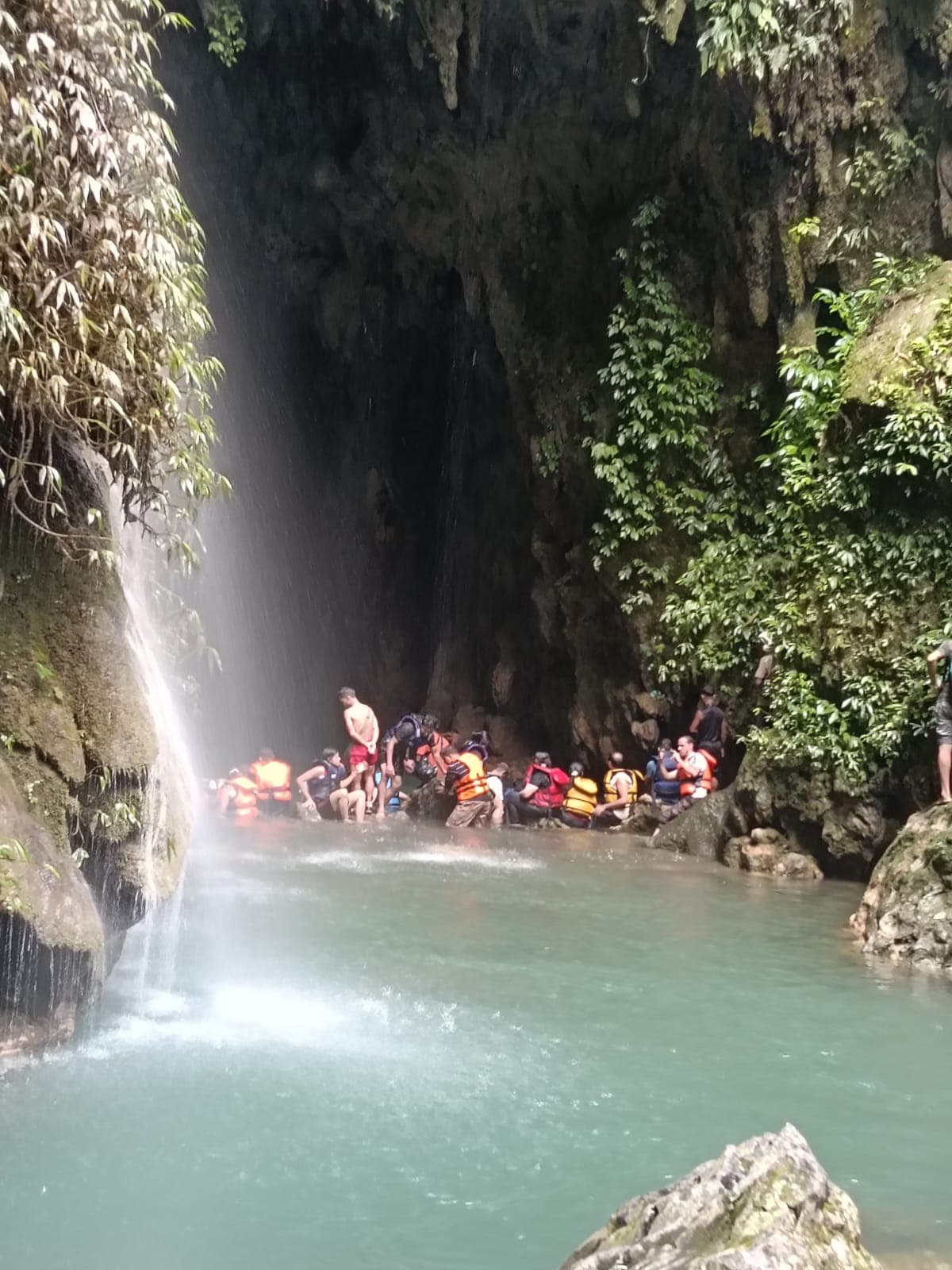
Wei Sawdong Falls — Hidden beneath a steep forest trail, Wei Sawdong Falls is widely considered one of Meghalaya's most beautiful waterfalls. Its three-tiered turquoise pools create a dreamlike setting. Important: The descent requires careful walking and is not recommended during heavy rain.
Mawsmai Cave — One of Meghalaya's most accessible limestone caves, allowing visitors to experience underground rock formations, narrow passages, and fascinating geological structures.
Arwah Cave — Less crowded than Mawsmai, Arwah Cave offers a quieter experience with fossil formations believed to be millions of years old.
Eco Park — Located on the edge of dramatic cliffs, Eco Park provides sweeping views of Bangladesh's plains.
Dainthlen Falls — This waterfall carries a fascinating Khasi legend involving a giant serpent. Large rock formations and wide open viewpoints make it an excellent stop for photography.
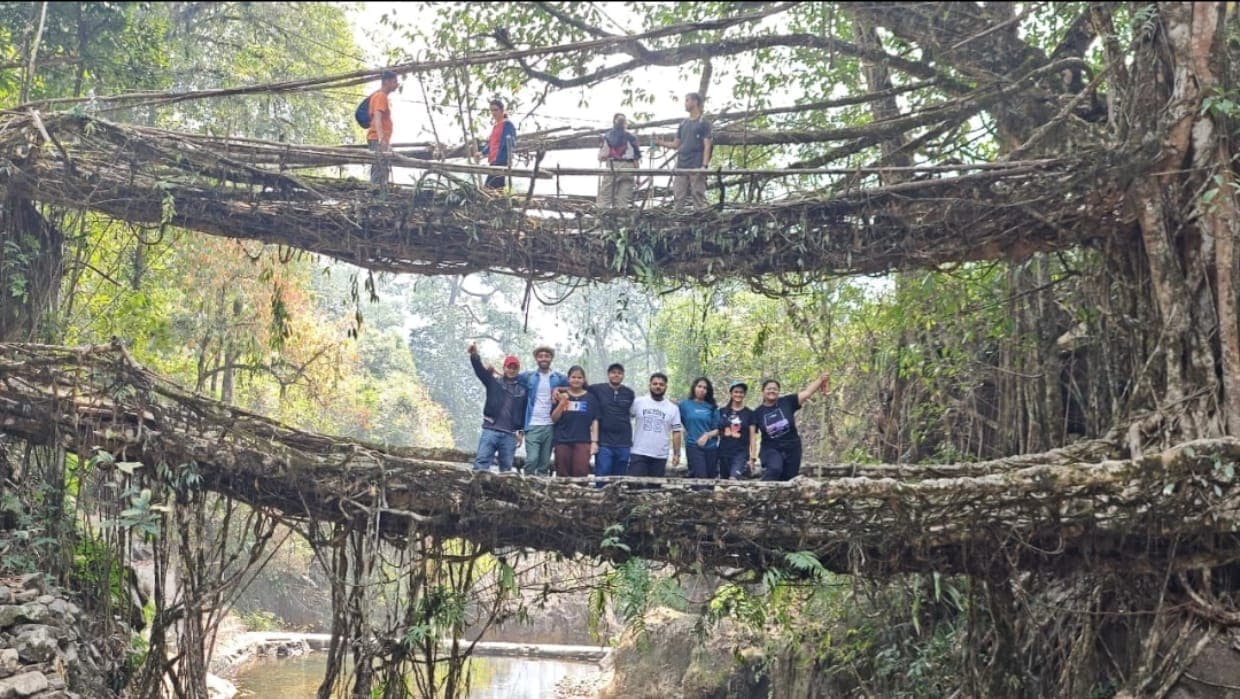
Living Root Bridges — The Living Root Bridges are among Meghalaya's greatest natural and cultural treasures. Instead of building wooden bridges, local Khasi communities have patiently guided the aerial roots of rubber trees across streams for generations. The Double Decker Living Root Bridge remains the most famous, attracting trekkers from around the world.
Explore these iconic destinations with our 6-Day Meghalaya Tour Package or 7-Day Offbeat Meghalaya Package.
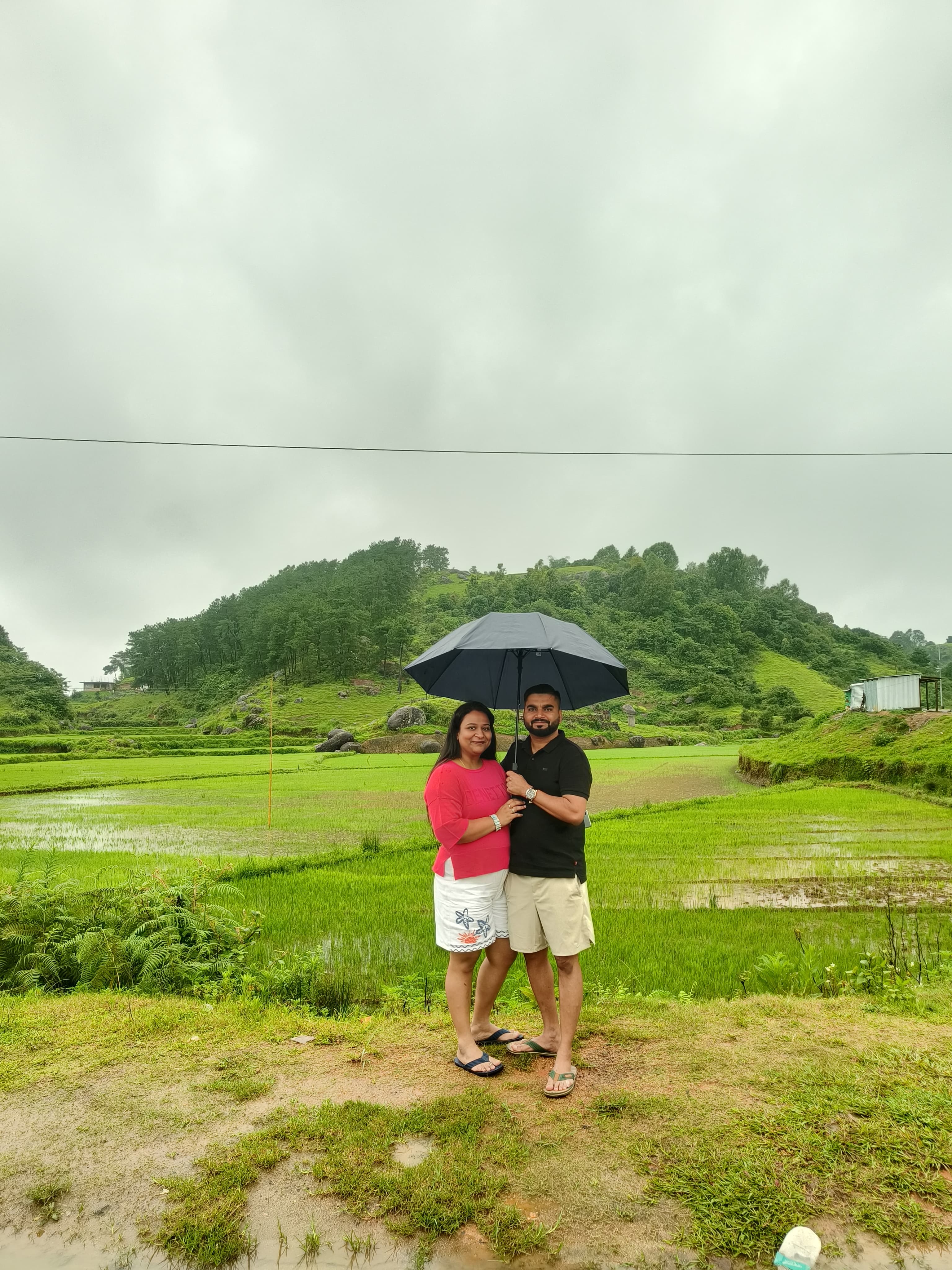
Dawki, Mawlynnong & More Must-See Destinations
Dawki – Home of India's Clearest River
Located close to the India-Bangladesh border, Dawki is one of Meghalaya's most iconic destinations. Its fame comes from the crystal-clear Umngot River, where boats appear to float on transparent glass. The best visibility occurs between November and March.
Boating on the Umngot River: As your boat glides across the transparent water, colourful stones beneath the river remain clearly visible. Morning hours usually provide the calmest water and best photographs.
Suspension Bridge: Built during the British era, Dawki Suspension Bridge offers spectacular river views and remains an important historical landmark.
Bangladesh Border View: Visitors can observe the nearby international border while learning about cross-border trade and regional geography. Photography rules should always be respected near border areas.
Riverside Camping: Several riverside camps offer overnight stays with bonfires, local meals, stargazing, and peaceful natural surroundings.
Mawlynnong – Asia's Cleanest Village
Often referred to as Asia's Cleanest Village, Mawlynnong demonstrates how community participation can create a remarkably clean and environmentally responsible destination. Every household contributes to maintaining cleanliness, making the village an inspiring example of sustainable tourism.
Living Root Bridge: A shorter and easier root bridge trail makes Mawlynnong suitable for families and elderly travellers.
Sky View Tower: Constructed from bamboo, this viewing platform offers panoramic views extending into Bangladesh.
Village Walk: Rather than rushing through the village, spend time observing daily life, interacting respectfully with local residents, and appreciating traditional Khasi architecture.
Laitlum Canyon – Meghalaya's Grand Canyon
The word "Laitlum" translates to "End of Hills." Located around 25 kilometres from Shillong, Laitlum Canyon is one of Meghalaya's most spectacular viewpoints. Massive cliffs, endless valleys, drifting clouds, and tiny villages below create a landscape that feels almost surreal.
Sunrise at Laitlum: Watching sunrise here is an unforgettable experience. As golden light slowly illuminates the valleys below, clouds move gracefully through the canyon, creating breathtaking scenery.
Trek to Rasong Village: Experienced trekkers can descend thousands of steps leading toward Rasong Village. The journey offers incredible views but requires good physical fitness. Carry water, snacks, and comfortable trekking shoes.
Mawphlang Sacred Forest
This ancient sacred forest has been protected by Khasi communities for centuries. Local beliefs discourage removing even a leaf or stone from the forest. Walking with a certified local guide reveals fascinating stories about medicinal plants, traditional beliefs, biodiversity, and conservation practices.
Krang Suri Falls
Although located in the Jaintia Hills, Krang Suri Falls has become one of Meghalaya's most photographed waterfalls. Its turquoise natural pool allows visitors to swim during favourable weather conditions. Changing rooms and life jackets are available near the entrance.
Shnongpdeng
Situated near Dawki, Shnongpdeng has rapidly become Meghalaya's adventure tourism hub. Popular activities include kayaking, snorkelling, cliff jumping, boating, ziplining, camping, riverside bonfire, and swimming. Adventure operators generally provide safety equipment and trained instructors.
Travel Tips for Exploring These Destinations
- Start sightseeing early to avoid traffic and crowds. - Carry cash for small villages where digital payments may not always be available. - Respect local customs, especially in villages and sacred sites. - Wear comfortable walking shoes, as many attractions involve steps or uneven terrain. - During monsoon months, allow extra travel time because weather can change quickly. - Avoid littering and help preserve Meghalaya's natural beauty.
Hidden Gems of Meghalaya
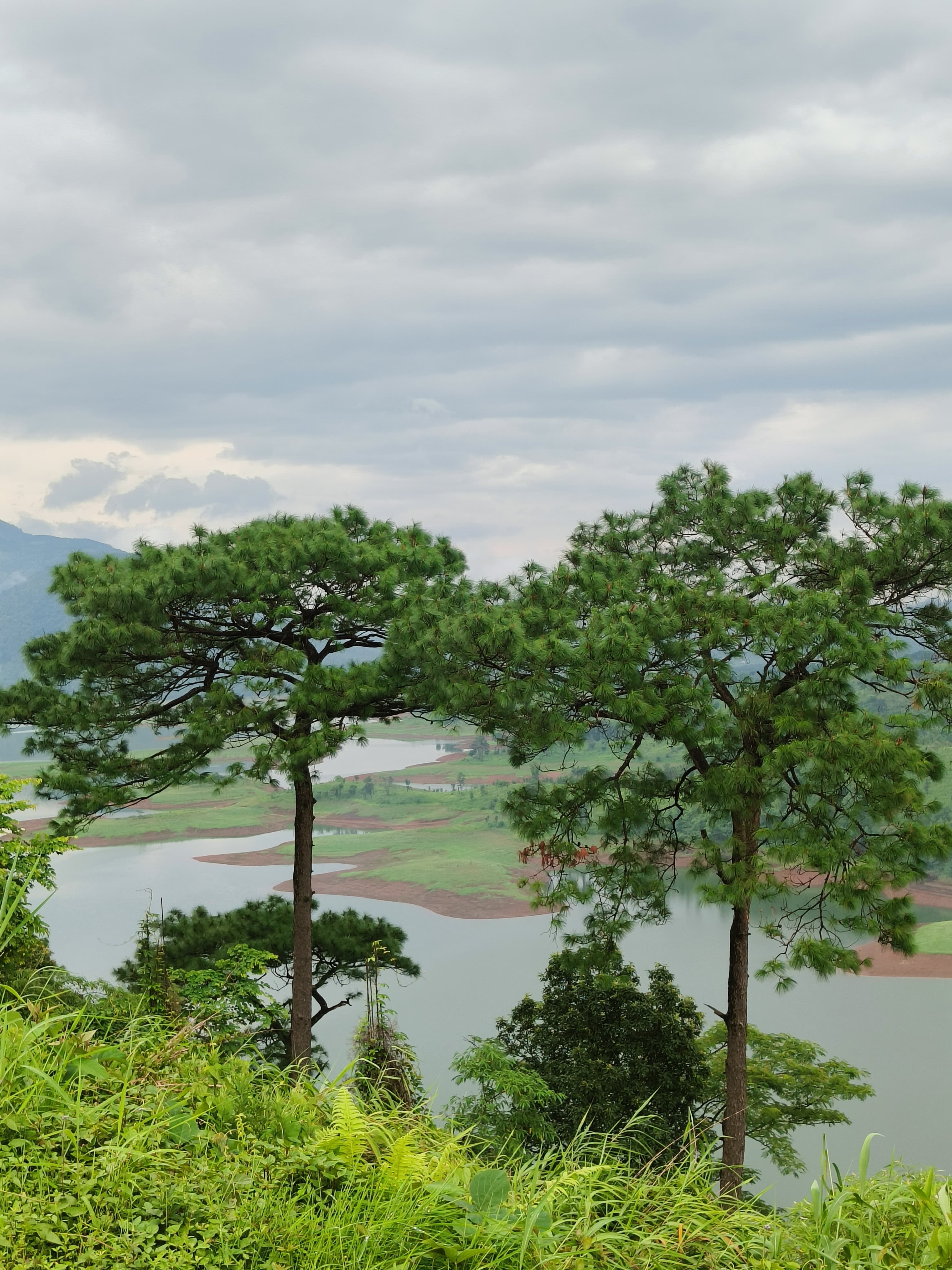
Beyond the famous attractions, Meghalaya is home to several extraordinary destinations that remain untouched by mass tourism. These hidden gems offer a more authentic experience for travellers seeking adventure, tranquillity, and breathtaking natural beauty.
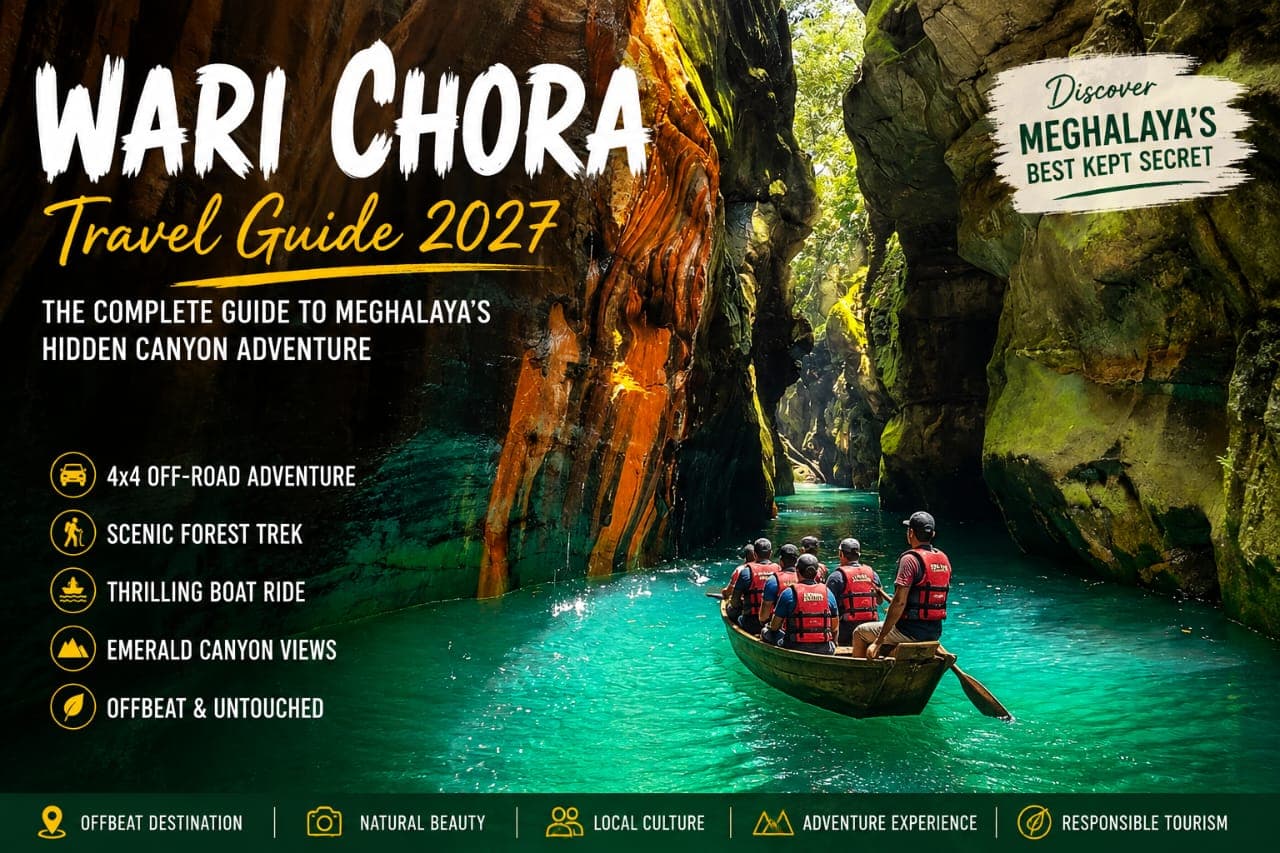
Wari Chora – Meghalaya's Hidden Canyon Paradise
Nestled deep within the South Garo Hills, Wari Chora is one of Meghalaya's most spectacular offbeat destinations. The name "Wari Chora" roughly translates to "Deep River Gorge," and the landscape truly lives up to its reputation.
Towering limestone cliffs rise dramatically on both sides of a narrow emerald-green river, creating a canyon unlike any other in Northeast India. The peaceful atmosphere, untouched surroundings, and crystal-clear water make Wari Chora a dream destination for nature lovers and photographers.
Things to Do at Wari Chora: - Bamboo rafting through the narrow canyon - Cliff jumping (season permitting) - Swimming in natural pools - Short jungle trekking - Landscape photography - Birdwatching - Riverside camping (where permitted)
Best Time to Visit: October to April offers the safest weather conditions, clearer water, and comfortable temperatures. The monsoon season should generally be avoided due to high water levels and strong river currents.
Travel Tips: Hire an experienced local guide. Wear non-slip trekking shoes. Carry drinking water and light snacks. Mobile network coverage is limited. Start early, as reaching Wari Chora takes several hours from Shillong or Tura.
Krem Chympe – Meghalaya's Hidden Cave Adventure
For adventure enthusiasts, Krem Chympe is one of Meghalaya's most fascinating limestone cave systems. Hidden beneath dense forests, this cave offers a thrilling experience for travellers interested in geology, exploration, and nature.
Inside the cave, visitors encounter impressive limestone formations, naturally carved chambers, narrow passages, underground streams, and unique rock textures created over thousands of years.
Highlights: Massive limestone formations, underground streams, natural rock chambers, cave exploration with local guides, adventure photography.
Important Information: Always visit with an authorised local guide. Wear a helmet and proper footwear. Carry a waterproof flashlight. Avoid entering during heavy rainfall due to rising water levels.
Khaddum Falls – A Hidden Waterfall Above the Clouds
Khaddum Falls is among Meghalaya's least explored waterfalls and rewards visitors with breathtaking panoramic views. Located near the southern escarpment of Meghalaya, the viewpoint overlooks dramatic cliffs, deep valleys, and the vast plains of Bangladesh stretching to the horizon.
Why Visit Khaddum Falls? - Spectacular cliffside viewpoints - Stunning sunrise and sunset photography - Peaceful atmosphere - Less crowded than popular waterfalls - Excellent road trip destination
Travel Tips: Visit during daylight hours. Carry warm clothing during winter mornings. Exercise caution near cliff edges. Respect nature by avoiding littering.
While famous attractions introduce visitors to Meghalaya's beauty, places like Wari Chora, Krem Chympe, and Khaddum Falls reveal its true wilderness. Travellers willing to venture beyond the usual itinerary are often rewarded with some of the most extraordinary landscapes in Northeast India.
Explore all these hidden gems with our 10-Day Offbeat Meghalaya Adventure Package.
Offbeat Meghalaya – Discover the Hidden Side of the Abode of Clouds
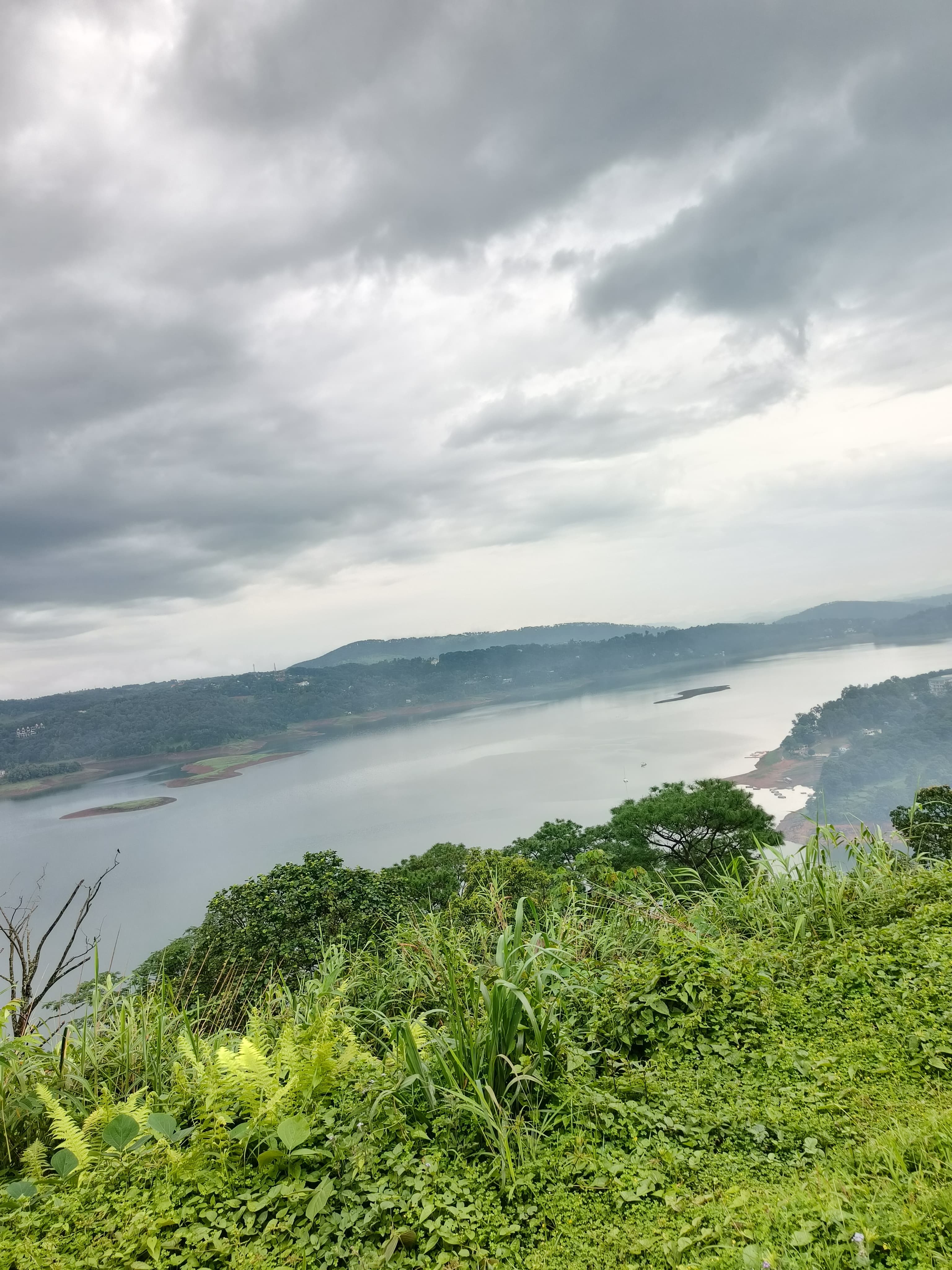
Most travellers visit Meghalaya for Shillong, Cherrapunji, Dawki, and Mawlynnong. While these destinations are undoubtedly beautiful, the true soul of Meghalaya lies beyond the popular tourist circuit.
Nongjrong – The Famous Sea of Clouds
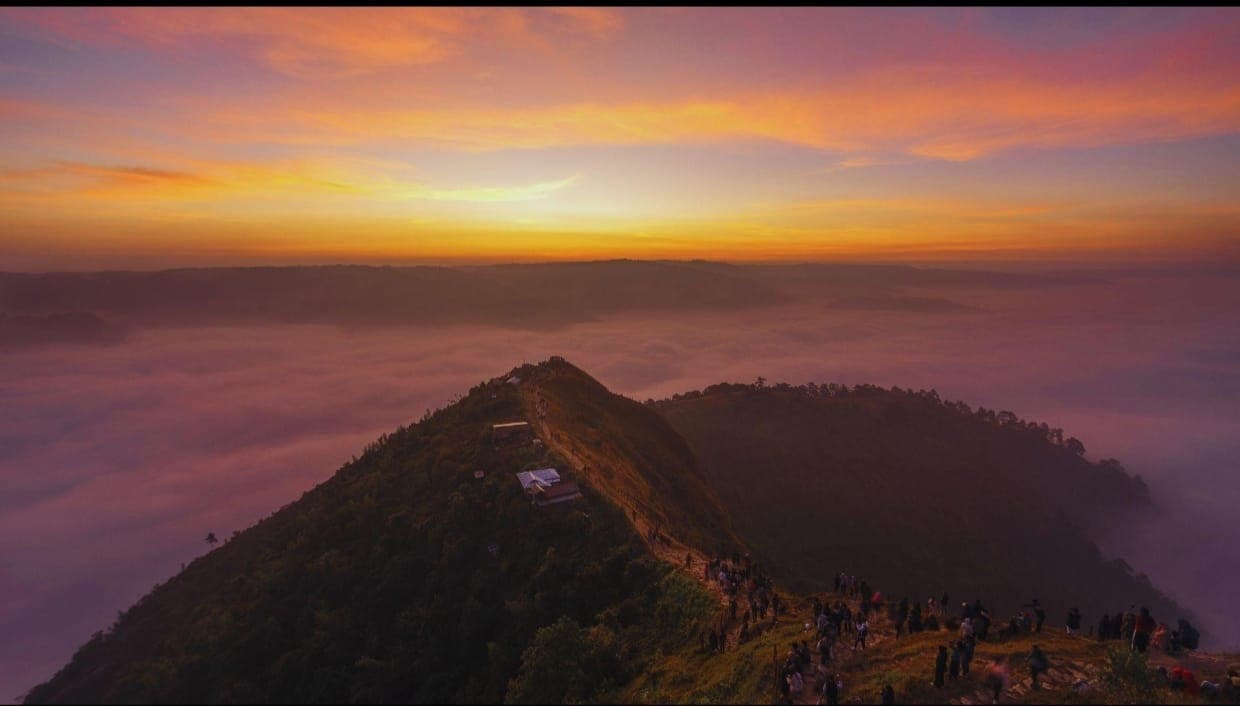
Tucked away in the East Khasi Hills, Nongjrong has become one of Meghalaya's most magical sunrise destinations. As dawn breaks, thick clouds slowly fill the valley below, creating the illusion of an endless white ocean. For photographers and nature lovers, Nongjrong is one of the most rewarding places in Meghalaya.
Best Time to Visit: October to April for clear skies. Arrive before sunrise for the best experience. Things to Do: Witness the sunrise above the clouds, landscape photography, drone photography (where permitted), village walk, enjoy peaceful mountain views. Travel Tip: Stay overnight in a nearby homestay to avoid missing the early morning cloud formation. Read our complete Nongjrong Sunrise Viewpoint Guide for detailed planning information.
Kongthong – The Whistling Village
Hidden in the East Khasi Hills, Kongthong is unlike any other village in the world. It is internationally recognised as the "Whistling Village" because every resident has a unique melodic tune used instead of a spoken name. Families communicate across hills using these beautiful whistles, a tradition that has been preserved for generations.
Highlights: Learn about the unique whistling tradition, meet local Khasi families, experience authentic village life, enjoy panoramic valley views, photography and cultural interaction.
Mawlyngbna – Adventure Meets Nature
Located near Dawki, Mawlyngbna is rapidly becoming one of Meghalaya's most exciting eco-tourism destinations. Popular Activities: Kayaking, boating, cliff jumping, swimming, nature walks, camping, riverside picnics.
Phe Phe Falls – Meghalaya's Hidden Blue Paradise
Hidden deep within the Jaintia Hills, Phe Phe Falls is one of Meghalaya's most spectacular yet lesser-known waterfalls. Crystal-clear turquoise water cascades into natural pools surrounded by lush greenery and towering cliffs. Reaching the waterfall requires a short trek, but every step is rewarded with breathtaking scenery.
Shnongpdeng – Meghalaya's Adventure Capital
Although located close to Dawki, Shnongpdeng offers an entirely different experience. Activities: Kayaking, snorkelling, scuba-style introductory experiences (seasonal), cliff jumping, zipline, camping, riverside bonfire, boating, stargazing.
Hidden Waterfalls Worth Exploring: - Lyngksiar Falls — A peaceful waterfall surrounded by dense forest, ideal for photographers seeking solitude. - Weinia Falls — A lesser-known cascade offering excellent picnic opportunities during winter. - Tyrshi Falls — Located near Jowai, combines beautiful viewpoints with nearby paddy fields and traditional villages. - Rainbow Falls — Accessible after trekking beyond the Double Decker Living Root Bridge, rewards visitors with crystal-clear blue water.
Hidden Viewpoints of Meghalaya: - Mawkdok Valley Viewpoint - Rymben Viewpoint - Khaddum Viewpoint - Laitlum Upper Ridge - Sohbar Cliff View - Nongjrong Ridge
Adventure Activities in Offbeat Meghalaya:
Trekking routes: Double Decker Living Root Bridge, Rainbow Falls, David Scott Trail, Rasong Village Trek, Phe Phe Falls Trail.
Cave Exploration: Mawsmai Cave, Arwah Cave, Krem Chympe, Krem Mawmluh, Siju Cave. Always explore with certified guides.
Kayaking: Best Locations — Shnongpdeng, Mawlybna, Wari Chora.
Cliff Jumping (seasonal): Shnongpdeng, Wari Chora, Mawlybna. Only participate under professional supervision.
Camping: Dawki, Shnongpdeng, Wari Chora, Mawlybna. Enjoy riverside bonfires, local cuisine, and clear night skies.
Responsible Travel in Offbeat Meghalaya: - Avoid littering. - Carry reusable water bottles. - Respect local customs and traditions. - Seek permission before photographing people. - Support local guides and homestays. - Avoid disturbing wildlife. - Stay on designated trekking trails. - Do not remove plants, rocks, or natural objects.
For travellers seeking more than a typical holiday, offbeat Meghalaya promises stories, landscapes, and memories that will last a lifetime.
Customized Meghalaya Tour Package
Discover Meghalaya your way with handcrafted itineraries, private transportation, handpicked stays, and authentic local experiences. From iconic attractions to hidden gems, every journey is thoughtfully designed for unforgettable memories.
✔ Offbeat Meghalaya Tour Package ✔ Meghalaya Tour Package ✔ Northeast Tour Package ✔ Assam Tour Package
Travel Beyond the Ordinary with NEexplore NOW.
Premium Meghalaya Itineraries
Every traveller experiences Meghalaya differently. Some seek a peaceful escape surrounded by waterfalls and forests, while others dream of trekking to living root bridges, boating on crystal-clear rivers, or discovering hidden canyons far from the tourist crowds.
3 Nights / 4 Days – Meghalaya Highlights Ideal For: First-time visitors, couples, families, and weekend travellers.
Day 1 – Guwahati to Shillong: - Pick-up from Guwahati Airport or Railway Station. - Drive to Shillong via NH-6. - Stop at Umiam Lake for panoramic views and optional boating. - Visit Ward's Lake and Police Bazaar in the evening. - Overnight stay in Shillong.
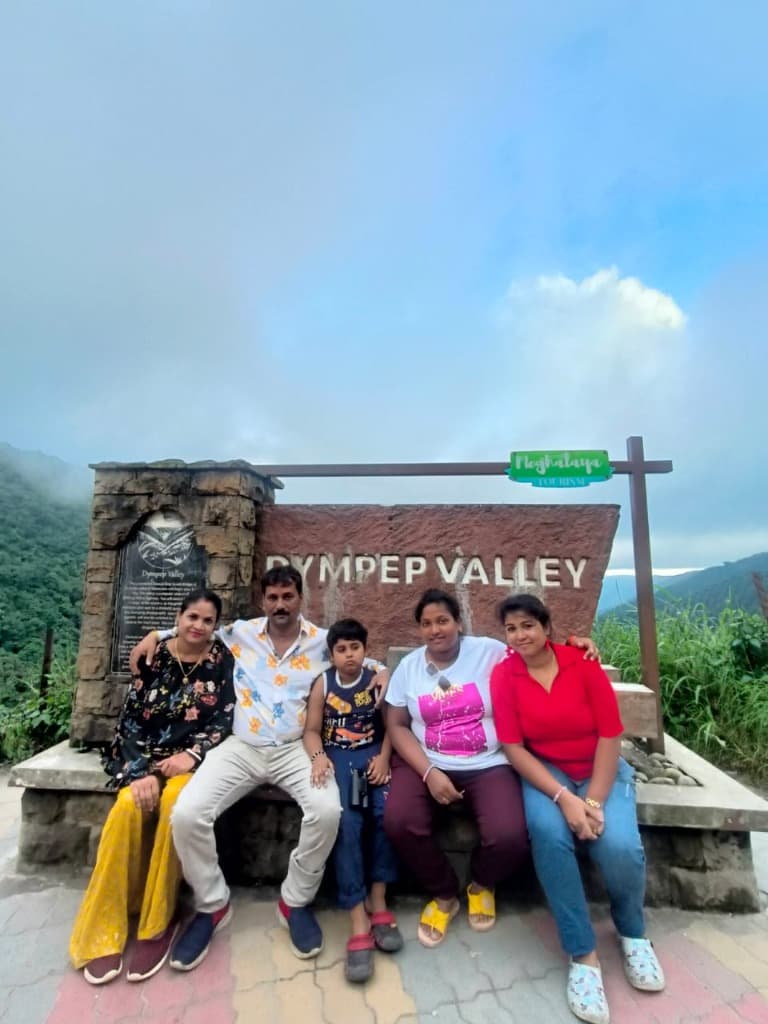
Day 2 – Shillong to Cherrapunji (Sohra): Elephant Falls, Shillong Peak, Mawkdok Dympep Viewpoint, Nohkalikai Falls, Seven Sisters Falls, Mawsmai Cave, Eco Park, Dainthlen Falls. Overnight stay in Cherrapunji.
Day 3 – Dawki & Mawlynnong: - Early departure for Dawki. Boating on the Umngot River. Visit Shnongpdeng. Explore Mawlynnong Village. Bamboo Sky Walk. Living Root Bridge (easy trail). Return to Shillong for the night.
Day 4 – Shillong to Guwahati: Don Bosco Museum (optional), local shopping, airport/railway station drop.
4 Nights / 5 Days – Nature & Adventure Ideal For: Families, photographers, honeymoon couples, and nature lovers.
Day 1: Arrival in Guwahati → Shillong → Umiam Lake → Police Bazaar. Day 2: Shillong sightseeing (Ward's Lake, Cathedral, Shillong Peak, Elephant Falls, Don Bosco Museum). Proceed to Cherrapunji. Day 3: Explore Sohra — Nohkalikai Falls, Wei Sawdong Falls, Mawsmai Cave, Arwah Cave, Eco Park, Dainthlen Falls. Stay in Sohra. Day 4: Drive to Dawki — Umngot River boating, Shnongpdeng, cliff jumping (seasonal), kayaking, Mawlynnong Village. Stay in Dawki or Shillong. Day 5: Return to Guwahati with optional shopping stop.
5 Nights / 6 Days – Classic Meghalaya Explorer Ideal For: Travellers wanting both famous attractions and hidden gems.
Day 1: Guwahati → Shillong. Visit Umiam Lake and explore the city. Day 2: Shillong sightseeing followed by transfer to Sohra. Day 3: Full-day exploration of Cherrapunji — Nohkalikai Falls, Seven Sisters Falls, Wei Sawdong, Arwah Cave, Eco Park, Garden of Caves (optional). Stay in Sohra. Day 4: Sohra → Khaddum Viewpoint → Phe Phe Falls → Dawki. Stay near the Umngot River. Day 5: Morning boating at Dawki. Continue to Shnongpdeng, Mawlynnong, Living Root Bridge. Return to Shillong. Day 6: Shillong → Guwahati.
6 Nights / 7 Days – Complete Meghalaya Experience Ideal For: Slow travellers and adventure seekers.
Day 1: Arrival → Shillong. Day 2: Shillong local sightseeing. Day 3: Shillong → Cherrapunji. Visit major waterfalls and caves. Day 4 (Adventure Day): Double Decker Living Root Bridge Trek, Rainbow Falls (optional for fit travellers), village exploration. Stay in Sohra. Day 5: Drive toward Dawki. En route: Khaddum Viewpoint, Shnongpdeng, kayaking, boating, riverside camping (optional). Day 6: Mawlynnong → Kongthong (optional) → Shillong. Day 7: Return to Guwahati.
7 Nights / 8 Days – Premium Offbeat Meghalaya Ideal For: Repeat visitors, photographers, and explorers.
Day 1: Arrival in Guwahati → Shillong. Day 2: Shillong sightseeing. Day 3: Shillong → Sohra. Explore waterfalls, caves, and viewpoints. Day 4: Double Decker Living Root Bridge Trek and Rainbow Falls. Day 5: Sohra → Khaddum Falls → Phe Phe Falls → Shnongpdeng. Adventure activities and overnight riverside stay. Day 6: Dawki → Mawlynnong → Kongthong. Day 7: Early morning departure for Wari Chora (long drive). Enjoy bamboo rafting through the canyon, nature walk, and riverside experience. Overnight stay at a nearby eco-camp or homestay. Day 8: Return journey toward Guwahati with scenic stops and departure.
8 Nights / 9 Days – Ultimate Meghalaya Expedition Ideal For: Travellers who want to experience Meghalaya in depth.
Day 1: Guwahati → Shillong. Day 2: Shillong sightseeing. Day 3: Shillong → Sohra. Day 4: Double Decker Living Root Bridge Trek and Rainbow Falls. Day 5: Sohra → Krem Chympe (guided cave exploration) → Khaddum Viewpoint → Phe Phe Falls. Overnight in the nearby region. Day 6: Drive to Dawki and Shnongpdeng. Enjoy boating, kayaking, zipline, or camping. Day 7: Visit Mawlynnong and Kongthong before returning toward Shillong. Day 8: Early morning journey to Wari Chora. Explore the dramatic canyon with bamboo rafting, photography, and nature walks. Day 9: Return to Guwahati for departure.
Suggested Daily Travel Timing: - Start each day: 7:00–8:00 AM. - Breakfast: Before departure. - Lunch: Between 1:00–2:00 PM at local restaurants. - Evening check-in: Before sunset whenever possible. - Avoid late-night driving, especially during the monsoon.
Route Planning Tips: - Stay at least 2 nights in Sohra if you plan to trek. - Visit Dawki early in the morning for the clearest water. - Keep Wari Chora as a dedicated day because of the long travel time. - Combine Shnongpdeng with Dawki for adventure activities. - Reserve enough time for Double Decker Living Root Bridge and Rainbow Falls, as the trek can take 5–7 hours round trip. - Travel with a local driver familiar with Meghalaya's mountain roads for a smoother and safer journey.
Book your ready-made itinerary with our Offbeat Meghalaya Tour Package, 7-Day Meghalaya Package, or Essential 5-Day Package.
Meghalaya Trip Cost Guide
One of the biggest advantages of travelling to Meghalaya is its flexibility. Whether you are a backpacker looking for an affordable adventure or a couple seeking a luxury holiday, the state offers experiences for every budget.
The total cost of your Meghalaya trip depends on several factors: - Duration of the tour - Travel season - Type of accommodation - Private or shared transportation - Adventure activities - Food preferences - Group size
Travelling during the peak season (October to April) generally costs more due to high demand, while the monsoon season often offers better hotel deals.
Estimated Budget (Per Person):
Budget — 4 Days — ₹8,000–₹12,000 Standard — 5 Days — ₹12,000–₹18,000 Deluxe — 6 Days — ₹18,000–₹28,000 Premium — 7 Days — ₹28,000–₹40,000 Luxury — 8–9 Days — ₹40,000–₹70,000+
These estimates generally include accommodation, local transportation, and sightseeing. Adventure activities, shopping, flights, and personal expenses are usually additional.
Accommodation Guide:
Budget Stay (₹1,000–₹2,000 per night) — Ideal for backpackers, solo travellers, students. Facilities: clean rooms, attached bathroom, Wi-Fi, hot water, basic parking.
Standard Hotels (₹2,500–₹4,500) — Best for couples, families, small groups. Amenities: comfortable rooms, restaurant, room service, parking, breakfast, scenic views.
Deluxe Hotels (₹4,500–₹7,500) — Perfect for travellers seeking extra comfort. Facilities: spacious rooms, balcony, multi-cuisine restaurant, better location, professional hospitality, premium interiors.
Luxury Resorts (₹8,000+) — Ideal for honeymoon couples, luxury vacations, special celebrations. Expect: mountain views, private cottages, fine dining, spa (selected properties), premium hospitality, nature experiences.
Where to Stay in Meghalaya:
Shillong — Best for first night stay, shopping, café hopping, local sightseeing. Recommended stay: 2 Nights. Cherrapunji (Sohra) — Ideal for waterfalls, Root Bridge Trek, caves, nature lovers. Recommended stay: 2 Nights. Dawki / Shnongpdeng — Perfect for boating, kayaking, camping, adventure sports. Recommended stay: 1 Night. Mawlynnong — Ideal for peaceful village life and eco-tourism. Recommended stay: 1 Night (Optional). Wari Chora Region — Best suited for adventure travellers planning bamboo rafting and canyon exploration. Stay in a nearby eco-camp, guesthouse, or homestay.
Transportation Cost:
Private Sedan: Suitable for couples and small families. Comfortable for city sightseeing and intercity travel. SUV / MUV: Ideal for families, groups, and long itineraries. Provides extra luggage space and greater comfort on hilly roads. Tempo Traveller: Best for group tours, friends, and corporate trips. Economical when shared among several travellers.
Fuel & Road Conditions: Most highways in Meghalaya are in good condition around Shillong, Sohra, Dawki, and Jowai. Drive carefully during the monsoon. Fog is common during winter mornings. Avoid unnecessary night driving in remote areas.
Food Cost:
Breakfast: ₹150–₹350 Lunch: ₹250–₹500 Dinner: ₹300–₹700 Premium Restaurants: ₹800–₹2,000 per couple
Adventure Activity Cost (Approximate) — Prices vary by operator and season: Dawki Boat Ride, Kayaking, Zipline, Cliff Jumping, Camping, Bamboo Rafting at Wari Chora, Local Guided Cave Exploration, Trek Guide Charges. Always confirm inclusions, safety equipment, and guide availability before booking.
Entry Fees: Many waterfalls, viewpoints, caves, and eco-tourism sites charge a small entry fee. Carry some cash, as digital payment may not be accepted at every location.
Shopping Budget: Popular purchases include Khasi handicrafts, bamboo products, cane furniture, organic honey, black pepper, cinnamon, handmade soaps, local spices, traditional shawls, and handwoven textiles. Recommended shopping budget: ₹1,000–₹5,000.
Suggested Budget by Travel Style:
Backpacker — Hostels & homestays, shared taxi, local restaurants — ₹2,000–₹2,800 per day. Couple — Standard/Deluxe hotels, private cab, mix of cafés and local restaurants — ₹4,000–₹7,000 per day. Family — Deluxe hotels, SUV — ₹6,000–₹10,000 per day. Luxury Traveller — Premium resorts, private premium vehicle, fine restaurants — ₹10,000–₹18,000+ per day.
Money-Saving Tips: - Travel in small groups to reduce transport costs. - Book accommodation in advance during peak season. - Start sightseeing early to avoid delays. - Carry reusable water bottles. - Avoid unnecessary luggage. - Plan adventure activities in advance. - Choose combined itineraries instead of repeated travel between destinations.
Why a Customized Tour is Worth It:
A customised Meghalaya tour allows you to travel at your own pace instead of following a fixed group schedule. Benefits include flexible sightseeing, choice of hotels, personalised itinerary, comfortable private transport, more time at favourite destinations, and easier access to offbeat locations like Wari Chora, Krem Chympe, Khaddum Falls, Nongjrong, and Kongthong.
Rather than rushing through famous attractions, a customised journey lets you experience Meghalaya more deeply, making every day meaningful and memorable.
Traditional Food, Culture & Festivals of Meghalaya
Traditional Food of Meghalaya
Meghalaya's cuisine is simple, fresh, and deeply connected to local ingredients. Rice is the staple food, accompanied by meat, vegetables, bamboo shoots, herbs, and locally grown spices.
Jadoh — Jadoh is the signature Khasi dish made with rice, meat, and traditional spices. It is one of the most popular local meals and is commonly served in restaurants and village homes.
Dohneiiong — A delicious pork preparation cooked with black sesame paste, giving it a rich and distinctive flavour.
Tungrymbai — A traditional Khasi delicacy prepared using fermented soybeans, often served with rice. It has a unique aroma and is highly valued in local cuisine.
Dohkhlieh — A refreshing salad made with boiled pork, onions, chillies, and fresh herbs. It is especially popular during festivals and family gatherings.
Pumaloi — Steamed powdered rice that is commonly eaten with meat curries and vegetables.
Bamboo Shoot Dishes — Fresh bamboo shoots are widely used in Khasi, Jaintia, and Garo cooking, adding a unique taste to many traditional recipes.
Popular Local Beverages: - Fresh local tea - Organic coffee - Lemon tea - Herbal drinks - Fresh fruit juices
Several cafés in Shillong also serve speciality coffee and homemade desserts.
Culture of Meghalaya
Meghalaya is home to three major indigenous communities — Khasi, Jaintia, and Garo. Each community has its own language, customs, music, dance, architecture, cuisine, and traditional attire.
One of Meghalaya's most remarkable social systems is its matrilineal tradition, where family lineage and inheritance are traditionally passed through the youngest daughter. This centuries-old practice reflects the important role of women in society and makes Meghalaya culturally unique within India.
Visitors are welcomed with warmth, but respecting local customs and traditions is an essential part of responsible travel.
Traditional Festivals:
Shad Suk Mynsiem — A vibrant Khasi thanksgiving festival celebrated with colourful traditional dances, music, and community gatherings.
Wangala Festival — The most important festival of the Garo community, celebrating the harvest with traditional drums, dance, and cultural performances.
Behdeinkhlam — A major Jaintia festival symbolising prosperity, good health, and protection from disease.
If your travel dates coincide with these festivals, you will have the opportunity to witness Meghalaya's rich cultural heritage firsthand.
Shopping in Meghalaya:
Some of the best souvenirs to take home include bamboo handicrafts, cane products, handwoven shawls, traditional Khasi textiles, organic honey, black pepper, cinnamon, handmade soaps, local spices, and wooden crafts. Popular shopping areas include Police Bazaar in Shillong and local village markets.
Packing, Safety & Responsible Tourism
Packing Checklist
Weather in Meghalaya can change quickly, so packing wisely is important.
Clothing: Comfortable T-shirts, full-sleeve shirts, light sweaters, warm jacket (winter), raincoat or poncho, comfortable trekking pants, extra socks, nightwear.
Footwear: Trekking shoes, sandals, slippers.
Essentials: Sunglasses, sunscreen, cap or hat, umbrella, reusable water bottle, personal medicines, power bank, mobile charger, camera, identity proof, small backpack.
Photography Tips
Meghalaya is a paradise for photographers.
To capture its beauty: - Start early for sunrise photography. - Visit Dawki before noon for the clearest river views. - Carry extra batteries and memory cards. - Use waterproof protection during the monsoon. - Respect local privacy before photographing people. - Fly drones only where permitted and follow local regulations.
Safety Tips
Meghalaya is considered one of the safer destinations in Northeast India, but basic precautions should always be followed. - Avoid trekking alone in remote areas. - Hire certified local guides for caves and canyons. - Wear life jackets during boating and water activities. - Stay away from cliff edges while taking photographs. - Do not enter caves or rivers during heavy rainfall. - Keep emergency contacts saved on your phone. - Carry sufficient cash when visiting remote villages.
Responsible Tourism
The natural beauty of Meghalaya survives because local communities actively protect it.
Travellers can contribute by: - Avoiding littering. - Using reusable bottles. - Respecting village customs. - Supporting local guides and homestays. - Avoiding loud music in natural areas. - Not damaging living root bridges or caves. - Leaving every destination cleaner than you found it.
Responsible travel helps preserve Meghalaya for future generations.
Honeymoon Travel Tips
Meghalaya offers a peaceful and romantic atmosphere for couples. Recommended destinations: Shillong, Cherrapunji, Dawki, Shnongpdeng, Nongjrong, Laitlum Canyon. Plan a stay of 5–7 days for a relaxed honeymoon experience. Explore our Meghalaya Honeymoon Package.
Family Travel Tips
Families travelling with children or senior citizens should choose comfortable hotels, avoid overly demanding treks, keep flexible sightseeing schedules, carry snacks and drinking water, and book private transportation for convenience.
Solo Travel Tips
Solo travellers should inform someone about their itinerary, stay in reputable hotels or homestays, avoid isolated areas after dark, join guided activities where possible, and respect local customs and communities.
The Best Time to Visit Meghalaya – A Complete Seasonal Guide
One of the most common questions travellers ask is, "When is the best time to visit Meghalaya?" The answer depends on the kind of experience you are looking for. Unlike many destinations in India, Meghalaya offers something unique in every season.
January – Winter Wonderland Temperature: 5°C–18°C. Cold mornings and evenings. Clear blue skies. Why Visit? January is one of the best months to explore Meghalaya. The weather is dry, visibility is excellent, and waterfalls, valleys, and viewpoints are easily accessible. Best Activities: Boating on the Umngot River, sightseeing, camping, photography, café hopping in Shillong. Crowd Level: High.
February – Pleasant & Romantic 7°C–20°C. Cool and comfortable. Ideal For: Honeymoon couples, families, solo travellers. Highlights: Crystal-clear rivers, colourful flowers begin blooming, excellent trekking weather.
March – Spring Begins 10°C–24°C. Pleasant days and cool nights. Spring paints Meghalaya in fresh shades of green. Don't Miss: Nohkalikai Falls, Wei Sawdong Falls, Mawkdok Valley, Khaddum Viewpoint, Phe Phe Falls.
April – Perfect for Adventure 15°C–26°C. One of the finest months for trekking, kayaking, cave exploration, and road trips. Adventure Activities: Double Decker Living Root Bridge Trek, Rainbow Falls Trek, Kayaking at Shnongpdeng, Bamboo Rafting at Wari Chora, Krem Chympe Cave Exploration.
May – Beginning of the Green Season Occasional showers begin refreshing the forests and waterfalls. Best Experiences: Waterfall photography, nature walks, village tourism, camping. Carry a light rain jacket.
June – Early Monsoon Rainfall increases across the state. Waterfalls become fuller and forests turn intensely green. Recommended Places: Sohra, Seven Sisters Falls, Elephant Falls, Krang Suri Falls. Roads may be slippery, so travel with extra care.
July – Meghalaya at Its Greenest This is the heart of the monsoon season. Highlights: Spectacular waterfalls, mist-covered hills, dramatic cloud formations, lush landscapes. Ideal for travellers who enjoy monsoon scenery and photography.
August – Monsoon Magic Heavy rainfall continues. Best Experiences: Scenic drives, waterfall trails, café experiences in Shillong, relaxing in eco-resorts. Avoid river activities during periods of heavy rain.
September – Transition Season Rain gradually decreases. Fresh greenery remains. Waterfalls are still powerful. Tourist crowds are relatively low. A great month for peaceful travel.
October – Peak Tourist Season Begins One of the most recommended months. Pleasant weather, clear skies, excellent visibility. Perfect For: Honeymoon, family holidays, road trips, photography, offbeat exploration.
November – Best Overall Month November offers an ideal balance of weather, scenery, and accessibility. Top Experiences: Dawki boating, Nongjrong sunrise, Wari Chora exploration, camping, trekking, village walks. This is one of the busiest months, so book hotels and transport in advance.
December – Festive Winter Escape The cool winter air and festive atmosphere make December a favourite among travellers. Best Destinations: Shillong, Sohra, Dawki, Laitlum Canyon, Mawlynnong. Enjoy Christmas celebrations in Shillong, explore local cafés, and witness Meghalaya under crisp blue skies.
Best Season by Travel Style:
Honeymoon — October–February Family Trip — October–April Adventure — March–May Waterfalls — June–September Photography — October–January Camping — October–March Dawki Boating — November–March Wari Chora — October–April Krem Chympe — November–April Living Root Bridge Trek — October–April
Final Recommendation:
If you are visiting Meghalaya for the first time, plan your trip between October and April for the best combination of pleasant weather, comfortable road conditions, crystal-clear rivers, and unforgettable sightseeing.
If your goal is to witness Meghalaya at its greenest—with roaring waterfalls, mist-covered valleys, and dramatic cloudscapes—the monsoon season (June to September) offers a completely different yet equally magical experience, provided you are comfortable travelling in rainy conditions.
No matter which month you choose, Meghalaya promises a journey filled with natural beauty, warm hospitality, and unforgettable memories.
Plan your perfect timing with our Meghalaya Monsoon Tour, Offbeat Meghalaya 10-Day Package, or Customized Meghalaya Tour.
Signature Tour Packages by NEexplore NOW
Every destination has a story. Every journey is thoughtfully crafted to give you authentic experiences, comfortable stays, and unforgettable memories.
✔ Offbeat Meghalaya Tour Package ✔ Meghalaya Tour Package ✔ Northeast India Tour Package ✔ Assam Tour Package ✔ Arunachal Pradesh Tour Package
Choose your perfect package and let us take care of the rest.
Ready to Experience the Hidden Side of Meghalaya & Northeast India?
Turn your travel dreams into reality with NEexplore NOW. Explore Meghalaya's hidden waterfalls, offbeat trails, ancient caves, and authentic local experiences through carefully crafted tour packages across Northeast India.
Frequently Asked Questions
What is the best time to visit Meghalaya?
October to April is the most popular season for pleasant weather and sightseeing.
How many days are enough for Meghalaya?
A 5–7 day itinerary is ideal to explore the major attractions and a few offbeat destinations.
Is Meghalaya safe for tourists?
Yes. Meghalaya is generally safe for families, couples, solo travellers, and international visitors.
Which airport is nearest to Meghalaya?
Lokpriya Gopinath Bordoloi International Airport in Guwahati is the primary gateway.
Is Dawki worth visiting?
Absolutely. The crystal-clear Umngot River is one of Meghalaya's most iconic attractions.
Can I visit Wari Chora throughout the year?
The best time is from October to April. Avoid the peak monsoon season because water levels can rise rapidly.
Is the Double Decker Living Root Bridge trek difficult?
It is moderately challenging and requires good physical fitness due to the steep steps.
Do I need a guide for Krem Chympe?
Yes. Exploring the cave with a local guide is strongly recommended for safety.
Is Meghalaya suitable for a honeymoon?
Yes. Its pleasant climate, scenic landscapes, and peaceful atmosphere make it an excellent honeymoon destination.
Can Meghalaya be explored with children?
Yes. Families can comfortably visit Shillong, Sohra, Dawki, Mawlynnong, and many other attractions.
What clothes should I carry?
Light clothing for the day, a jacket for cool evenings, and rain protection throughout the year.
Is vegetarian food available?
Yes. Most hotels and restaurants offer vegetarian as well as non-vegetarian meals.
Are ATMs available?
ATMs are available in major towns like Shillong, Sohra, Jowai, and Tura. Carry cash when visiting remote areas.
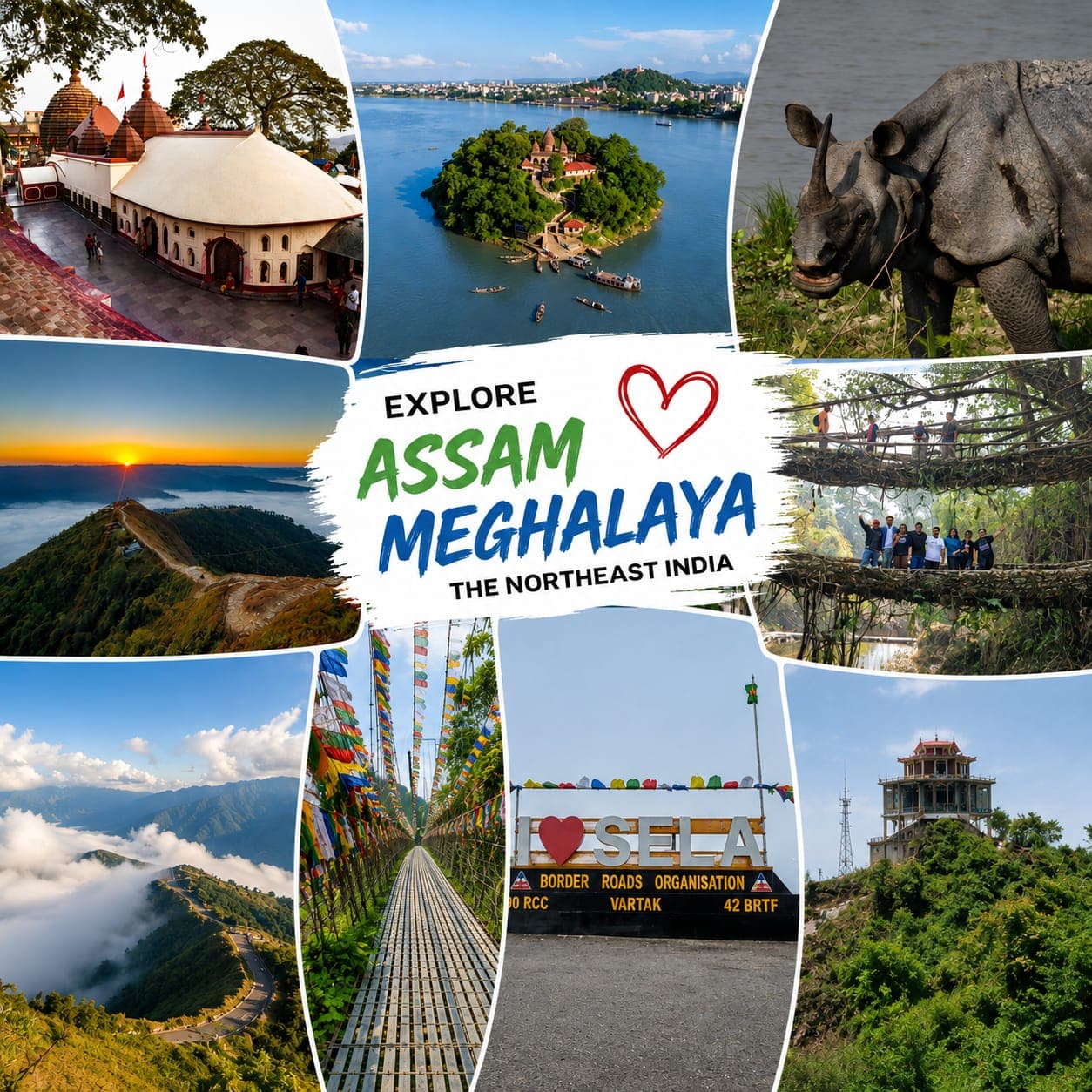
Can I combine Meghalaya with Assam?
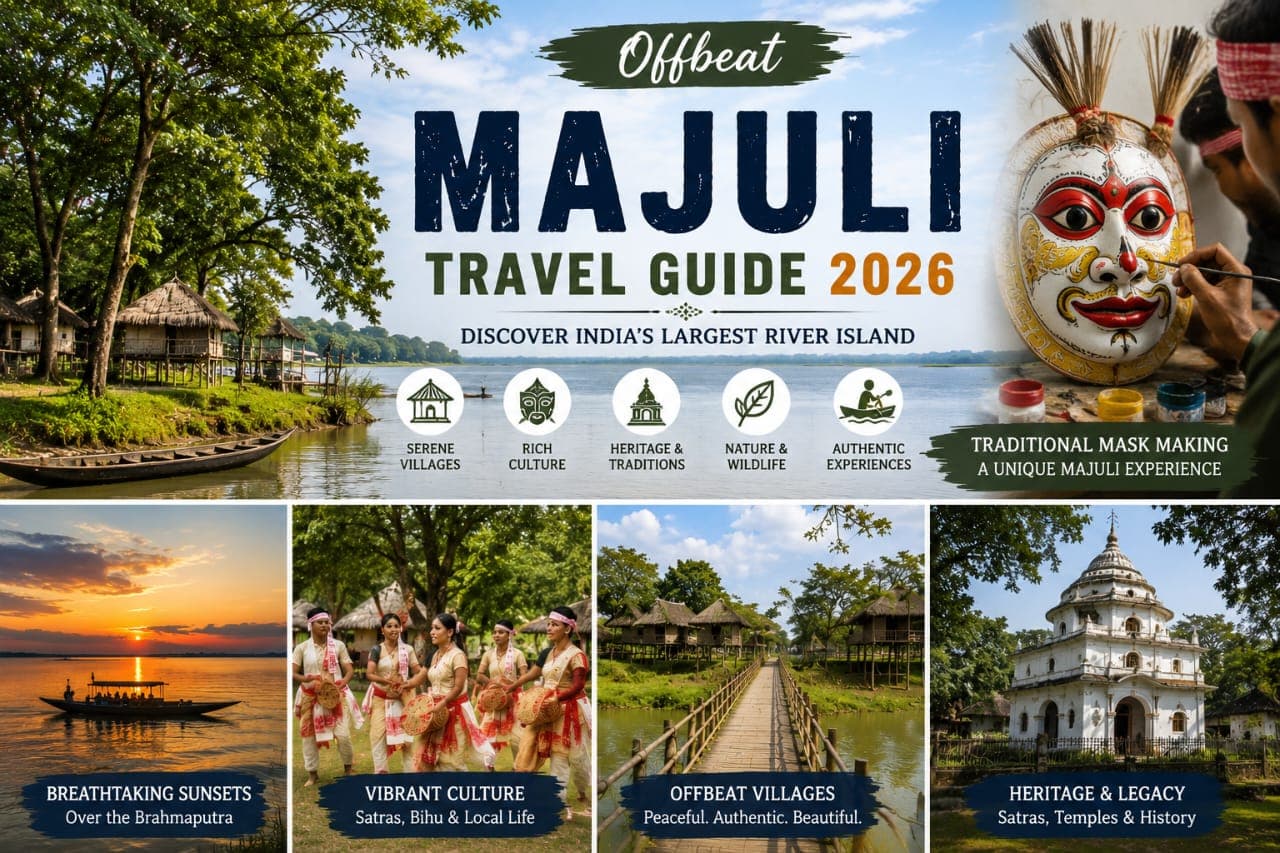
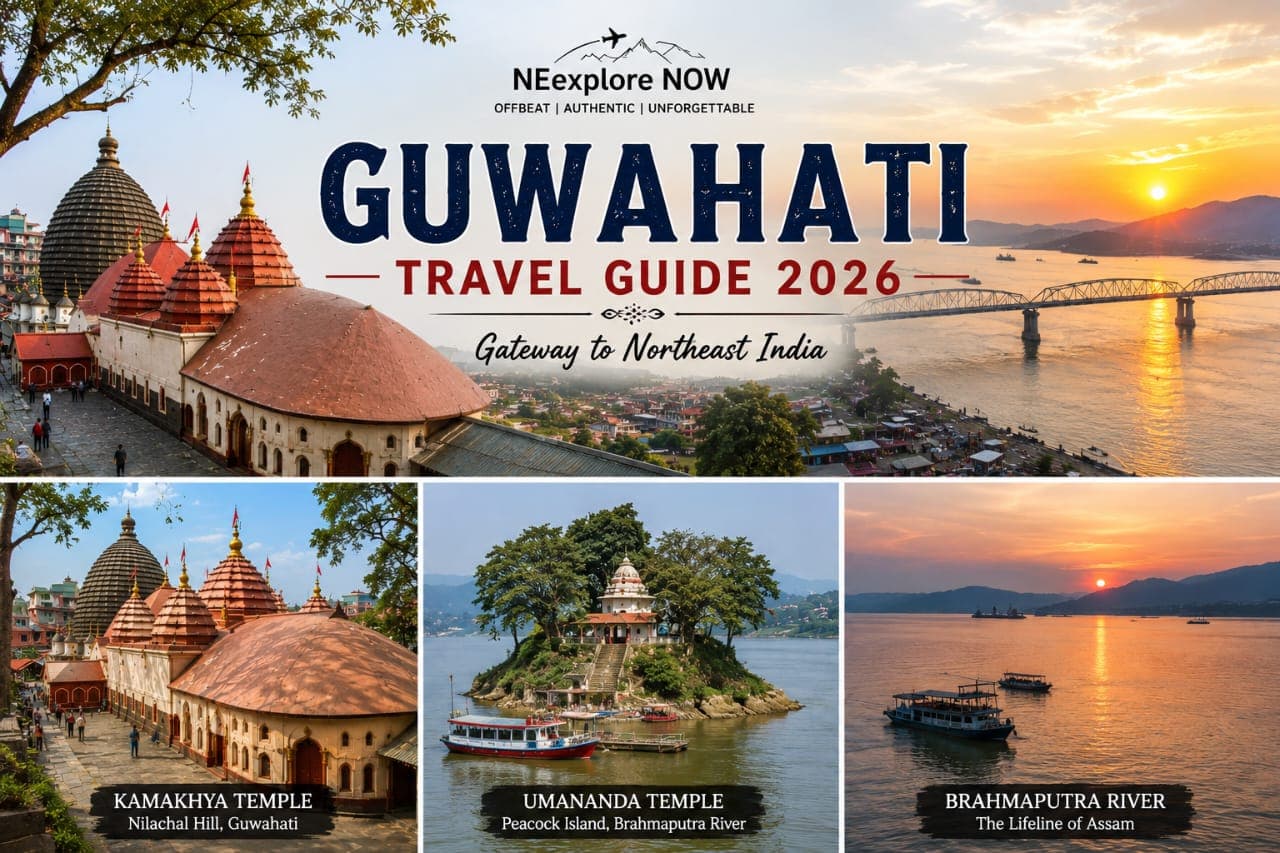
Yes. Many travellers combine Meghalaya with Kaziranga National Park, Guwahati, Majuli, or other destinations in Assam.
What makes Meghalaya unique?
Its living root bridges, crystal-clear rivers, dramatic waterfalls, caves, matrilineal culture, and warm hospitality create a travel experience unlike any other in India.
Which is better: Dawki or Shnongpdeng?
Both destinations are worth visiting. Dawki is famous for the crystal-clear Umngot River and boating, while Shnongpdeng is ideal for adventure activities such as kayaking, cliff jumping, ziplining, camping, and riverside stays. Most travellers visit both on the same day.
Is Meghalaya suitable for senior citizens?
Yes. Destinations like Shillong, Umiam Lake, Mawlynnong, Dawki, Elephant Falls, and Laitlum Canyon are comfortable for senior travellers. However, treks such as the Double Decker Living Root Bridge or Rainbow Falls may not be suitable for those with mobility issues.
Do I need to book hotels and cabs in advance?
Yes. If you are travelling between October and April, during long weekends, or in the festive season, it is highly recommended to book hotels, transportation, and adventure activities in advance to ensure better availability and prices.
What are the must-carry items for a Meghalaya trip?
Carry a government-issued photo ID, comfortable trekking shoes, a light jacket, rain protection, personal medicines, a power bank, sunscreen, a reusable water bottle, cash for remote areas, and a camera to capture Meghalaya's stunning landscapes.
Can I visit Meghalaya without a tour package?
Yes, independent travel is possible. However, a customised tour package with a reliable local operator makes the journey more convenient by providing planned itineraries, comfortable transportation, trusted accommodation, local guidance, and access to offbeat destinations like Wari Chora, Krem Chympe, Khaddum Falls, and Nongjrong.
"Meghalaya is more than a destination—it is an experience shaped by clouds, forests, rivers, waterfalls, caves, traditions, and the kindness of its people. Whether you spend a few days exploring its famous landmarks or venture into hidden gems like Wari Chora, Krem Chympe, Nongjrong, and Khaddum Falls, every journey reveals a different side of this remarkable state. The best way to experience Meghalaya is to travel slowly, respect local culture, support community tourism, and leave nature exactly as you found it. With thoughtful planning and an open mind, your Meghalaya adventure will become a collection of unforgettable memories that last a lifetime."