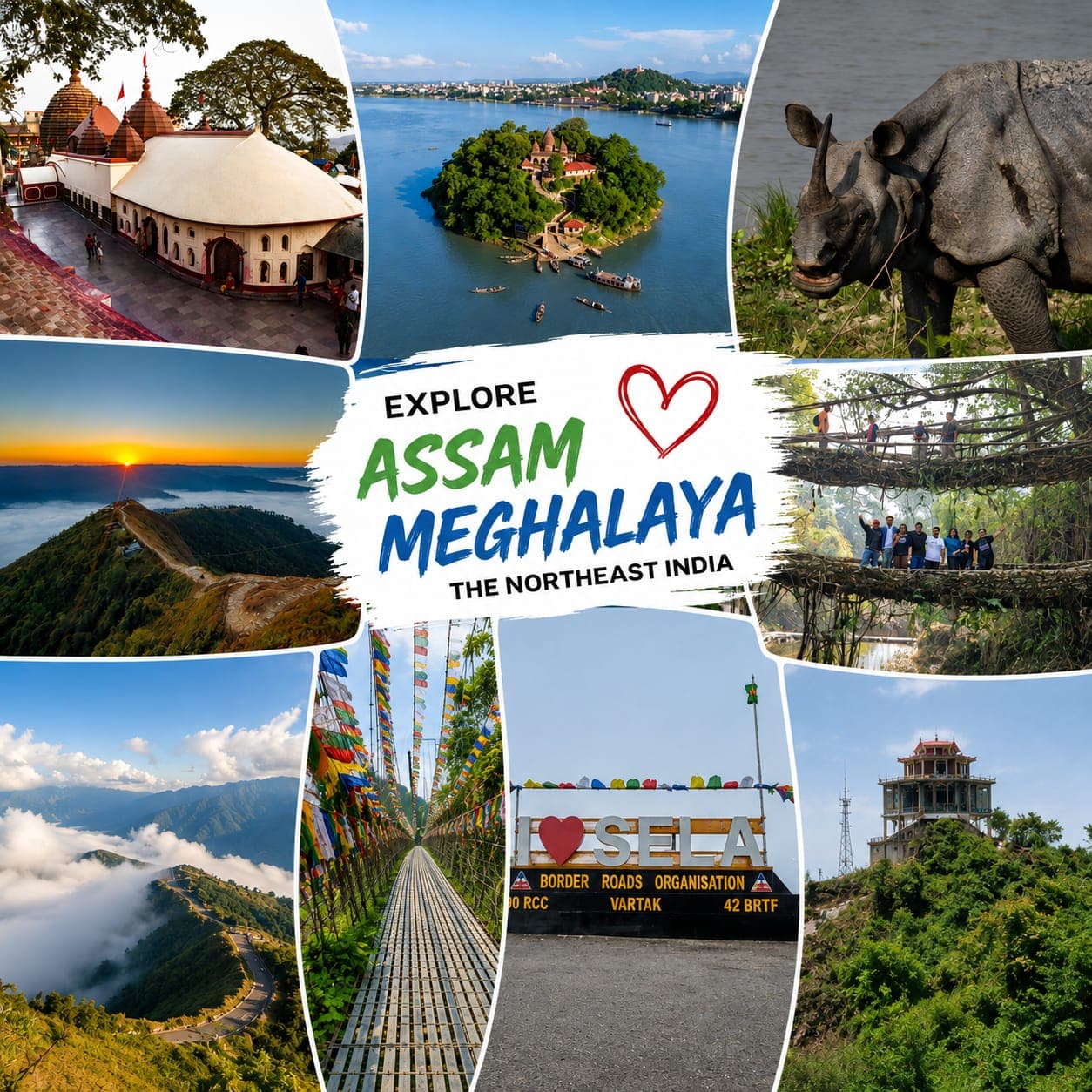
Just a short drive from Guwahati lies one of Assam's most remarkable wildlife destinations—a place where misty grasslands, tranquil wetlands, and the world's highest density of the Indian one-horned rhinoceros come together to create an unforgettable safari experience. Welcome to Pobitora Wildlife Sanctuary, a hidden gem that offers visitors the thrill of spotting rhinos from close quarters while immersing themselves in the serene beauty of Assam's floodplain ecosystem. Although much smaller than Kaziranga National Park, Pobitora has earned a reputation as one of the best places in India to witness the majestic one-horned rhinoceros in its natural habitat. Its compact size means wildlife sightings are often more frequent, making it an ideal destination for photographers, birdwatchers, nature lovers, families, and travellers looking for a memorable day trip from Guwahati. Beyond its famous rhinos, Pobitora is a paradise of wetlands, tall elephant grass, and rich biodiversity. More than 200 species of birds, wild buffaloes, jackals, civets, reptiles, and countless migratory birds thrive within this protected landscape. Every safari offers a different experience, whether it's watching a rhino grazing peacefully at sunrise, spotting colourful kingfishers near a wetland, or witnessing flocks of migratory birds soaring over the marshes during winter. Its excellent road connectivity, relatively short travel time from Guwahati, and peaceful surroundings make Pobitora one of the most rewarding wildlife escapes in Northeast India. Whether you're planning your first safari or adding another destination to your Assam itinerary, Pobitora promises an experience that combines adventure, conservation, and authentic rural charm. This comprehensive travel guide covers everything you need to know before visiting Pobitora Wildlife Sanctuary, including safari information, wildlife highlights, history, conservation efforts, travel tips, and practical planning advice to help you make the most of your journey.
Quick Facts About Pobitora Wildlife Sanctuary
| Information | Details |
|---|---|
| Location | Morigaon District, Assam, India |
| State | Assam |
| Established | 1987 |
| Area | Approximately 38.8 sq km |
| Famous For | Indian One-Horned Rhinoceros |
| Distance from Guwahati | Around 50 km |
| Travel Time | Approximately 1.5–2 Hours |
| Best Time to Visit | November to April |
| Safari Available | Jeep Safari |
| Nearest Airport | Lokpriya Gopinath Bordoloi International Airport, Guwahati |
| Nearest Railway Station | Guwahati Railway Station |
| Ideal Trip Duration | Half-Day or Full-Day |
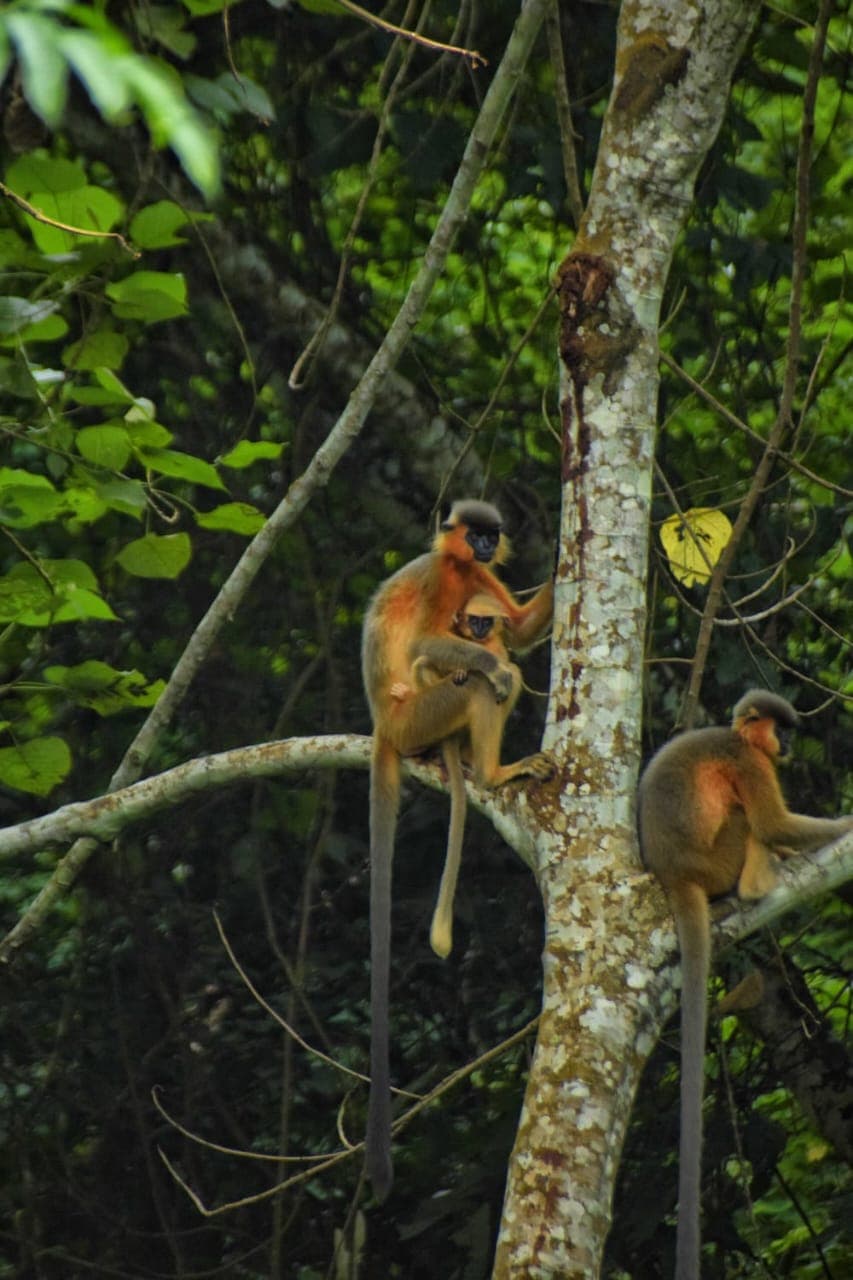
Why Visit Pobitora Wildlife Sanctuary?
If someone asks where they can enjoy an authentic wildlife safari near Guwahati without travelling long distances, Pobitora Wildlife Sanctuary is often the first recommendation—and for good reason.
Despite covering less than 40 square kilometres, Pobitora supports one of the highest densities of the endangered Indian one-horned rhinoceros anywhere in the world. This significantly increases the chances of spotting rhinos during a safari, making it one of the most rewarding wildlife destinations in Assam.
Unlike larger national parks, where animals may be spread across vast landscapes, Pobitora's compact size allows visitors to enjoy frequent wildlife encounters within a relatively short safari. It is not uncommon to spot multiple rhinos, wild buffaloes, and a variety of bird species during a single visit.
Nature photographers particularly appreciate Pobitora for its picturesque wetlands, expansive grasslands, and soft golden light during early mornings and late afternoons. The sanctuary offers excellent opportunities to capture wildlife against stunning natural backdrops.
Birdwatchers are equally rewarded, especially during the winter months when migratory birds arrive from distant regions. Species such as pelicans, storks, geese, ducks, herons, eagles, and kingfishers transform the sanctuary into a vibrant avian paradise.
Another highlight of visiting Pobitora is its peaceful atmosphere. Unlike more commercial wildlife destinations, the sanctuary retains a quiet charm, allowing visitors to connect deeply with nature while supporting responsible eco-tourism and conservation.
Whether you are travelling with family, planning a weekend getaway, or exploring Northeast India's wildlife, Pobitora offers an unforgettable experience that beautifully showcases Assam's natural heritage.
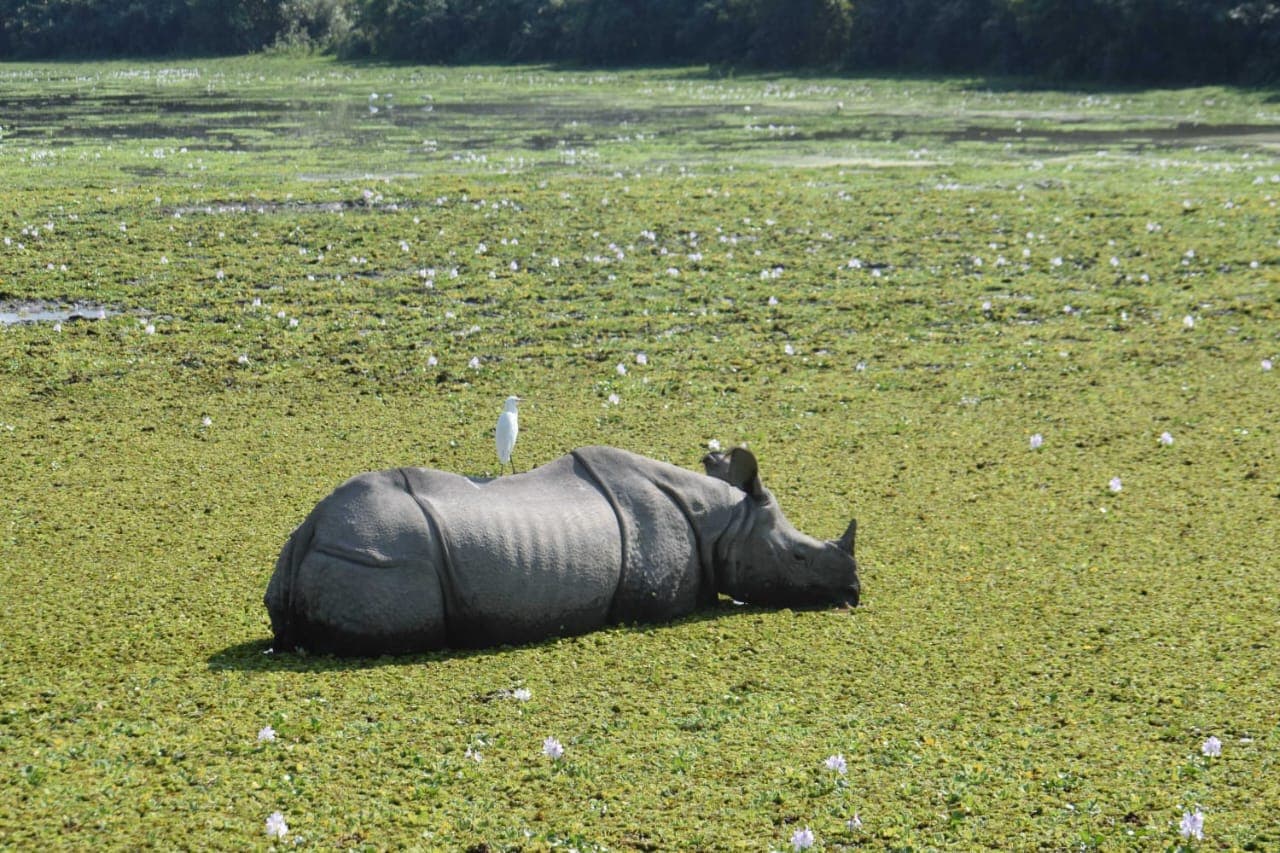
History, Landscape & Ecosystem of Pobitora
History of Pobitora Wildlife Sanctuary
The story of Pobitora Wildlife Sanctuary is one of successful conservation and ecological restoration.
Historically, the floodplains of central Assam were home to thriving populations of the Indian one-horned rhinoceros. However, habitat loss, encroachment, and poaching led to a sharp decline in rhino numbers across the region during the twentieth century.
Recognising the ecological importance of the area, the Government of Assam declared Pobitora a Reserved Forest before later upgrading it to a Wildlife Sanctuary in 1987. The primary objective was to safeguard the remaining rhino population and preserve the unique wetland ecosystem that supports a wide range of flora and fauna.
Over the years, dedicated conservation efforts by the Assam Forest Department, local communities, conservation organisations, and wildlife experts have transformed Pobitora into one of India's most successful rhino conservation landscapes.
Strict anti-poaching measures, habitat management, wetland conservation, and community participation have all played a crucial role in protecting wildlife within the sanctuary. Today, Pobitora stands as a remarkable example of how focused conservation initiatives can revive endangered species and maintain ecological balance.
The sanctuary's success has also contributed to wildlife research, eco-tourism, and environmental awareness, attracting thousands of visitors each year while providing livelihood opportunities for nearby communities through sustainable tourism.
Landscape and Ecosystem
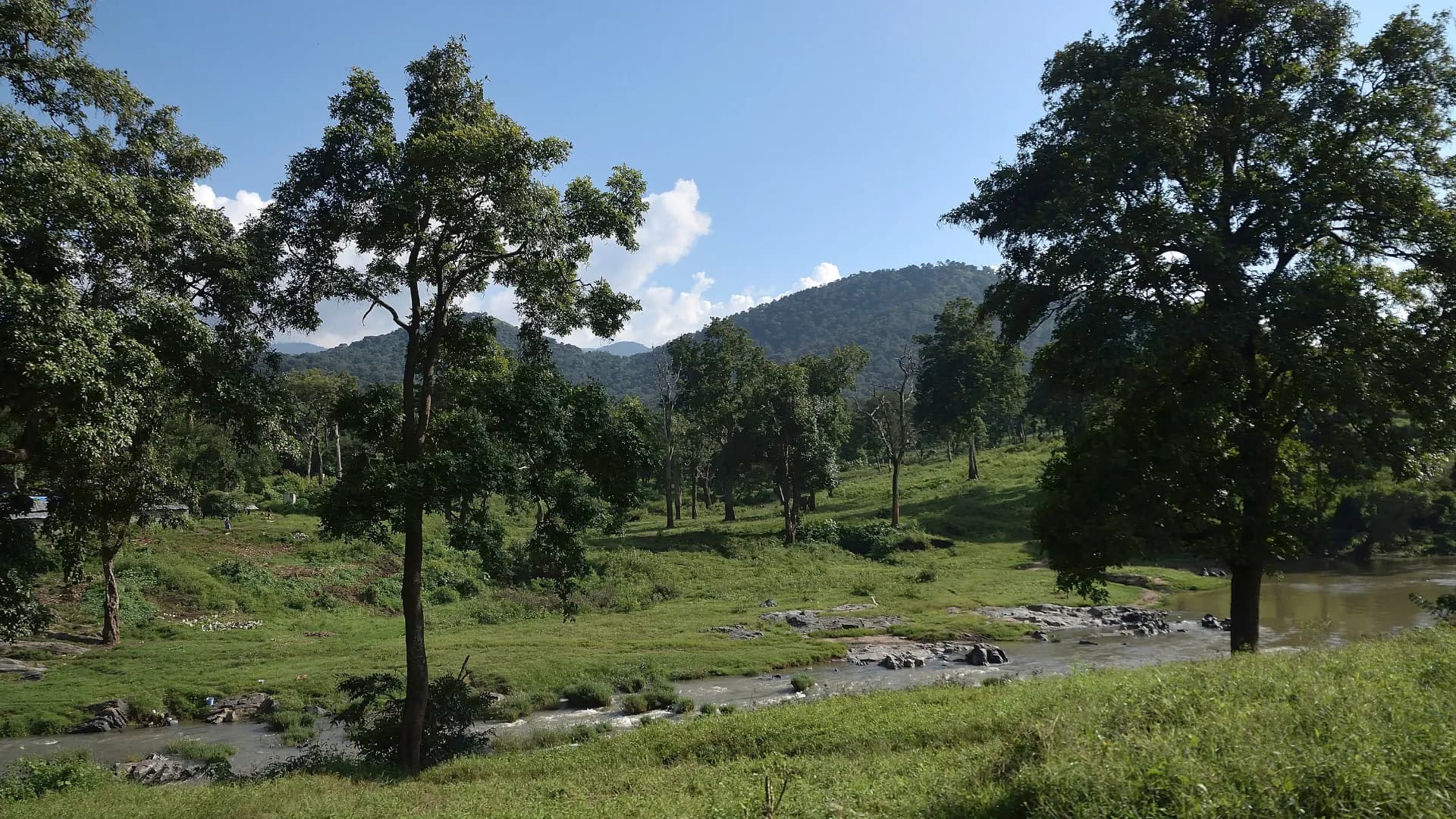
Pobitora Wildlife Sanctuary lies within the fertile floodplains of the mighty Brahmaputra River. Seasonal flooding, although challenging, plays an essential role in maintaining the sanctuary's ecological health by replenishing nutrients and sustaining its wetlands and grasslands.
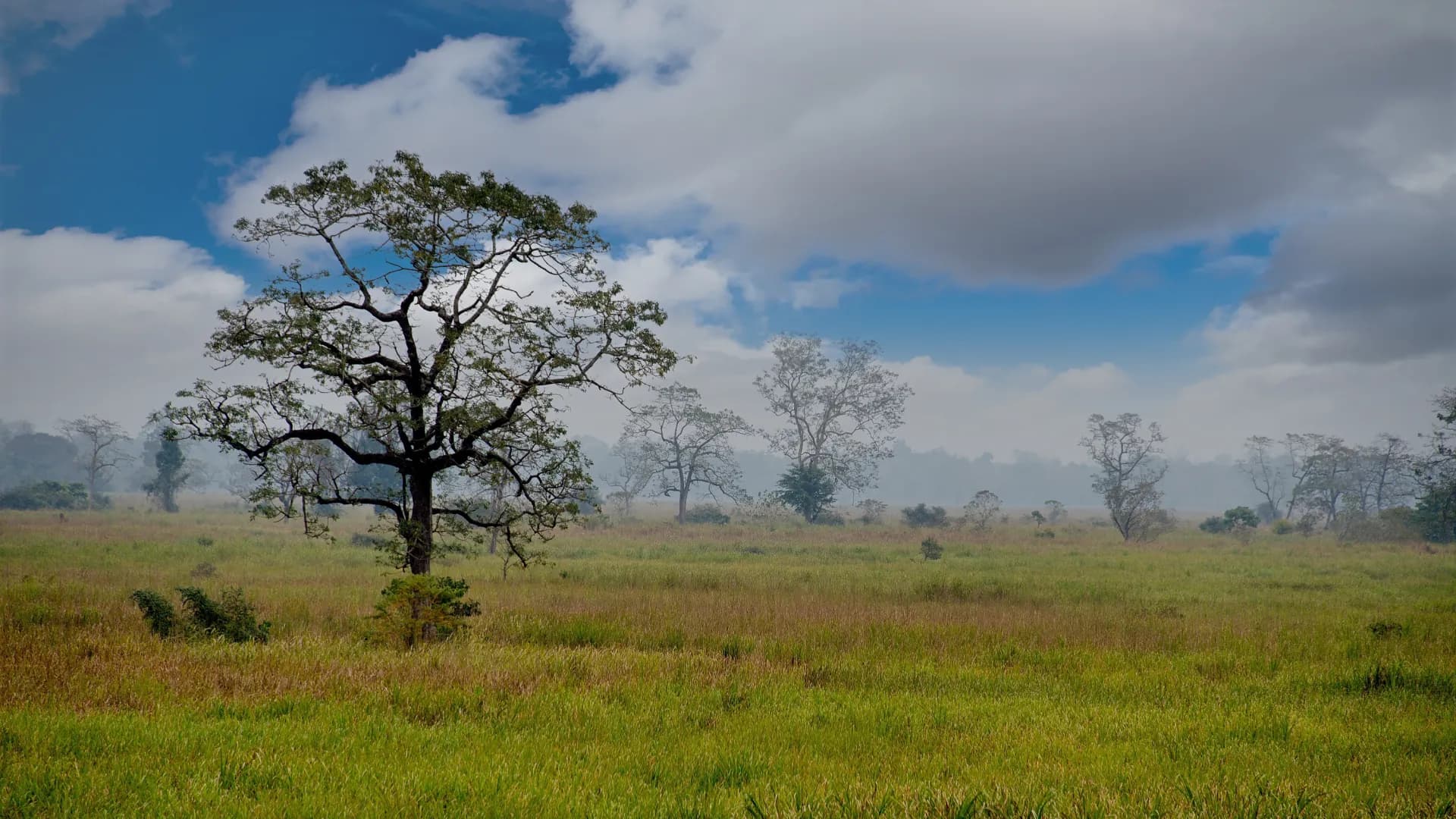
The landscape is characterised by vast stretches of elephant grass, freshwater marshes, open water bodies, and patches of woodland. These diverse habitats support an extraordinary range of wildlife and make Pobitora one of Assam's richest ecosystems despite its relatively small size.
Tall grasslands provide ideal shelter for rhinos and wild buffaloes, while wetlands attract thousands of resident and migratory birds. During sunrise, mist gently rises over the marshes, creating breathtaking scenery that has made Pobitora a favourite destination for wildlife photographers.
The sanctuary's ecological diversity ensures that every safari offers something unique, from close encounters with grazing rhinos to spectacular birdlife and serene natural landscapes.
What Makes Pobitora Different from Kaziranga?
While Kaziranga National Park is globally renowned for its size and biodiversity, Pobitora offers a distinctly different experience that appeals to travellers seeking a shorter yet highly rewarding wildlife adventure.
One of Pobitora's greatest advantages is its exceptionally high density of one-horned rhinoceroses, which significantly improves the likelihood of sightings during a single safari. For travellers with limited time, this makes Pobitora one of the best places in Assam to observe rhinos in the wild.
Its proximity to Guwahati also makes it perfect for day trips, weekend escapes, and customised Northeast India itineraries. Visitors can comfortably explore the sanctuary and return to Guwahati on the same day or combine it with nearby cultural attractions for a richer travel experience.
Rather than comparing the two destinations, many wildlife enthusiasts choose to visit both—Kaziranga for its expansive wilderness and Pobitora for its intimate safari experience and exceptional rhino sightings.
Wildlife of Pobitora: Rhinos, Mammals, Birds & Reptiles
Wildlife of Pobitora Wildlife Sanctuary: A Living Treasure of Assam
Pobitora Wildlife Sanctuary may be compact in size, but it is one of the richest wildlife habitats in Northeast India. Spread across floodplains, wetlands, and tall grasslands, the sanctuary supports an extraordinary variety of mammals, birds, reptiles, amphibians, and aquatic life.
Every safari offers something unique. One moment you may find yourself just a few metres away from a grazing rhinoceros, and the next you may witness a flock of migratory birds gliding across a tranquil wetland. This remarkable diversity makes Pobitora one of the most rewarding wildlife destinations in Assam.
The Indian One-Horned Rhinoceros: Pobitora's Greatest Pride
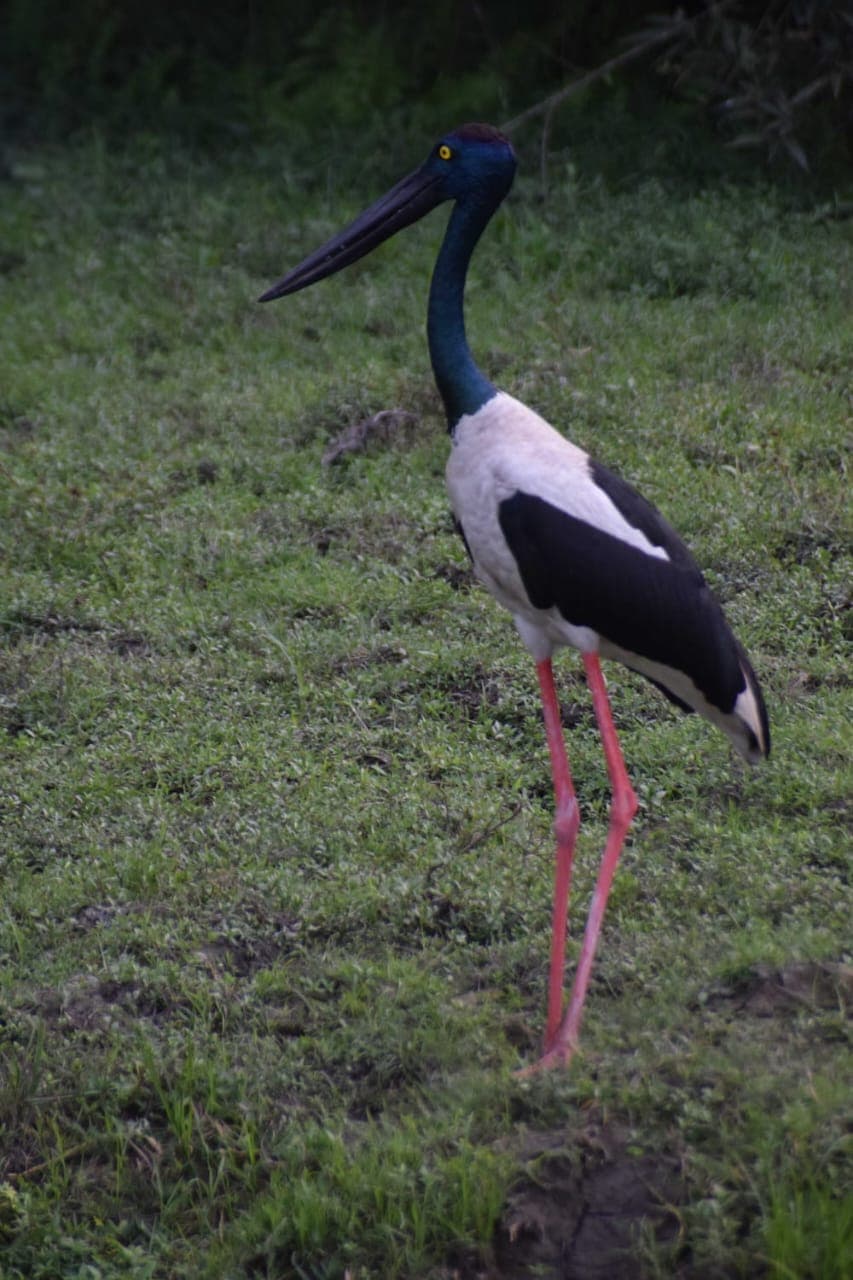
The greatest attraction of Pobitora Wildlife Sanctuary is undoubtedly the Indian One-Horned Rhinoceros (Rhinoceros unicornis). Recognised as the state animal of Assam and one of the world's most iconic endangered mammals, this magnificent species has become the symbol of successful wildlife conservation in India.
Pobitora is celebrated for having one of the highest densities of one-horned rhinoceroses anywhere in the world. Although the sanctuary covers only around 38.8 square kilometres, visitors enjoy an exceptionally high chance of seeing rhinos during a single safari. It is not unusual to encounter several individuals peacefully grazing in the grasslands or cooling themselves in muddy wetlands.
Adult males can weigh more than two tonnes, while their thick, armour-like skin gives them a prehistoric appearance. Despite their massive size, rhinos are generally calm herbivores that spend much of the day feeding on grasses, aquatic plants, and shrubs.
The survival of this species stands as one of India's greatest conservation achievements. Once pushed close to extinction due to hunting and habitat loss, the Indian one-horned rhinoceros has gradually recovered thanks to strict protection, habitat restoration, and dedicated conservation programmes. Pobitora plays an important role in safeguarding this remarkable success story.
Mammals Found in Pobitora Wildlife Sanctuary
While rhinos attract most visitors, Pobitora is home to a fascinating range of mammals that contribute to the sanctuary's ecological balance.
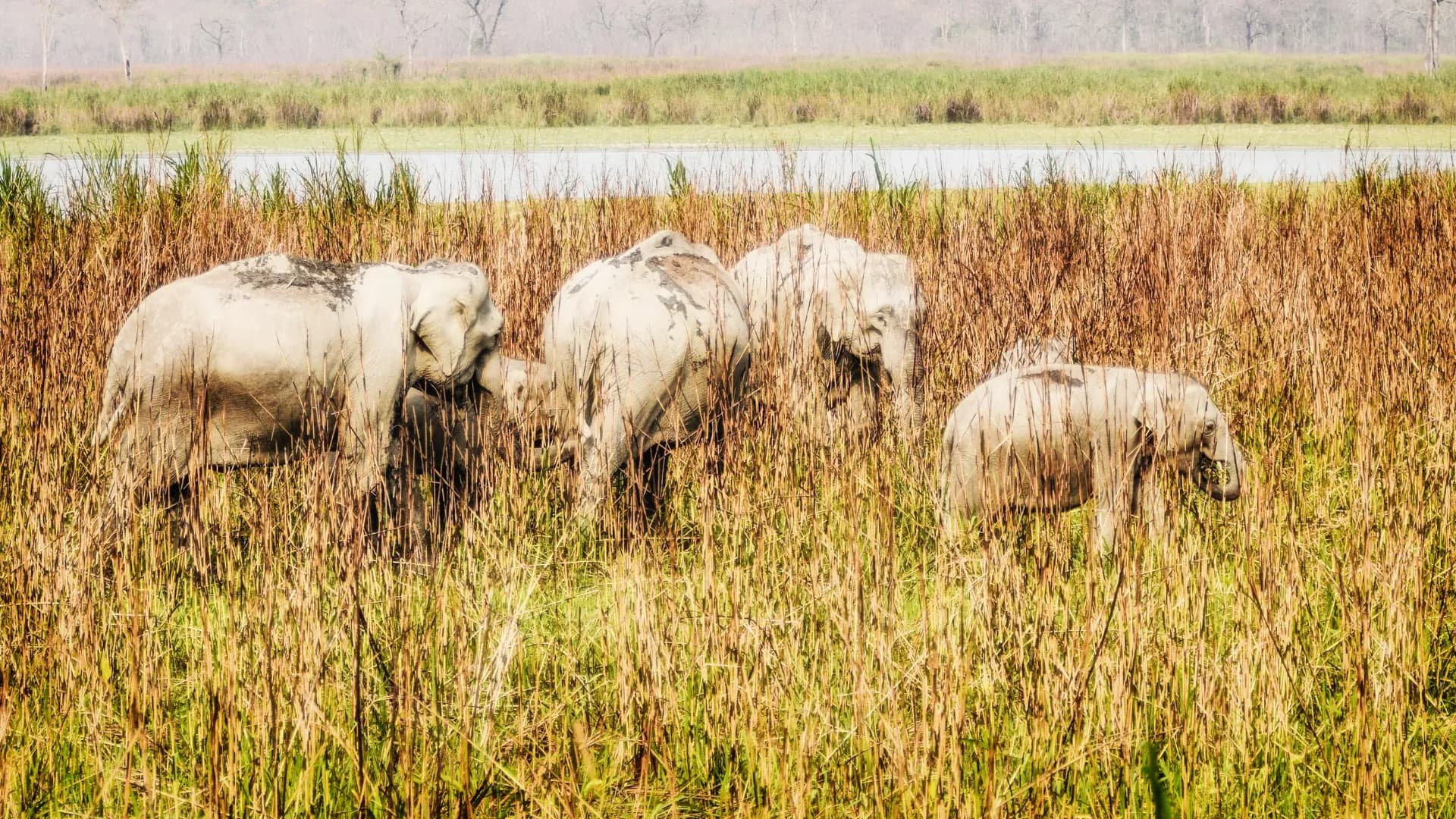
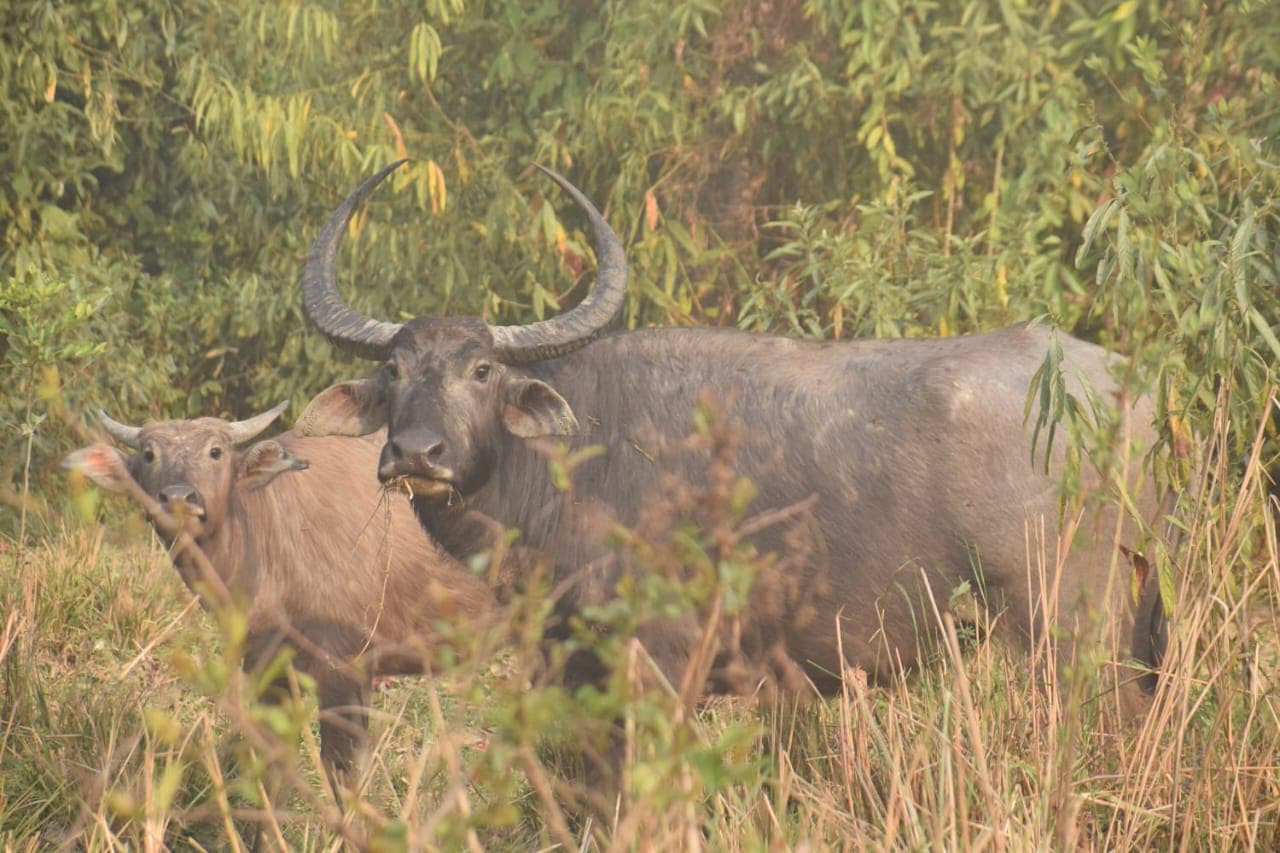
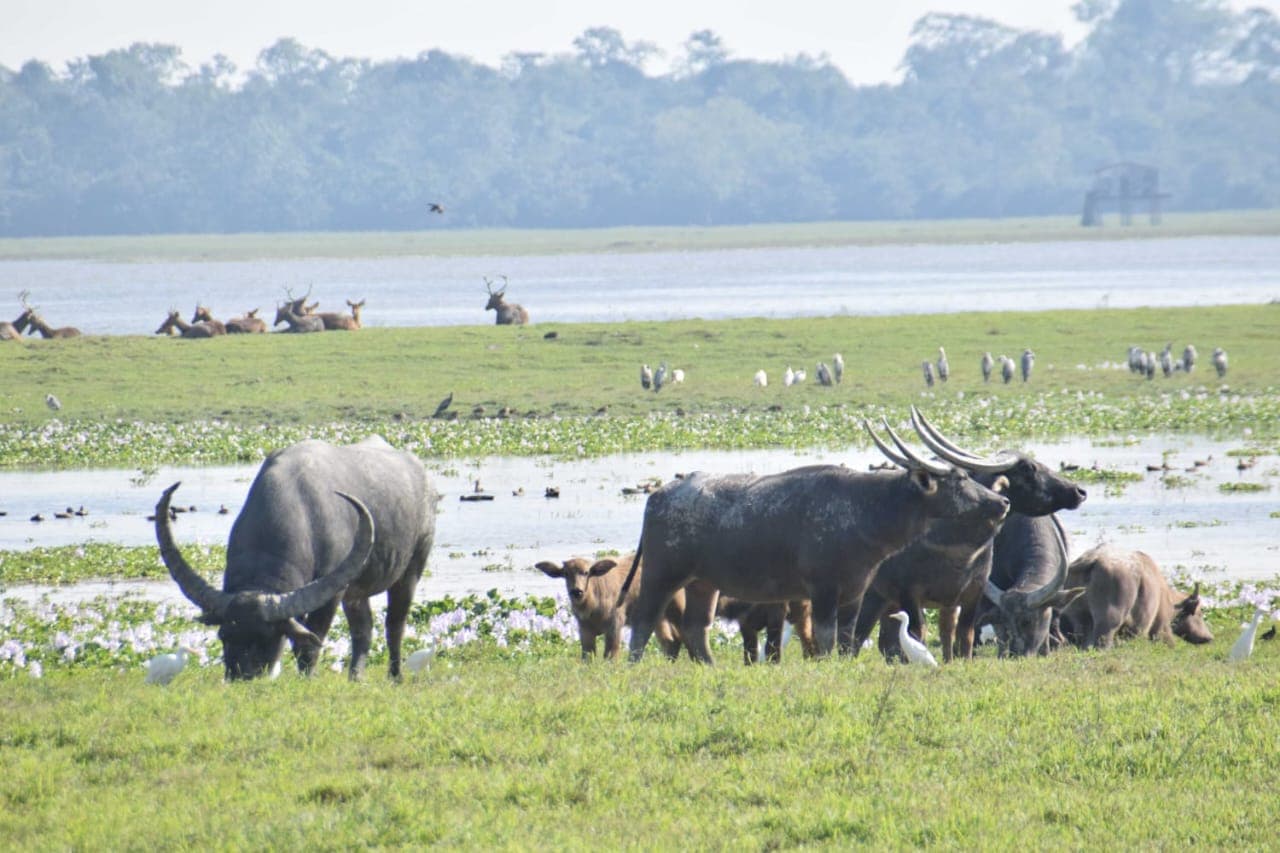
- Wild Buffaloes roam the grasslands and wetlands, often seen grazing alongside rhinos. These powerful animals are among the largest wild bovines in the world. - Wild Boars are commonly encountered during jeep safaris as they forage through the dense vegetation. - Golden Jackals thrive within the sanctuary and are frequently observed during early mornings and late afternoons. - Fishing Cats, though elusive, inhabit the wetland ecosystem and play an important role as predators. - Leopards occasionally move through the sanctuary, although sightings remain rare due to their secretive nature. - Other mammals include civets, mongoose, otters, macaques, hares, and various species of rodents that together create a healthy and diverse ecosystem.
Birdwatching Paradise of Northeast India
For bird lovers, Pobitora is every bit as exciting as it is for wildlife enthusiasts.
The sanctuary has recorded more than 200 species of resident and migratory birds, making it one of Assam's finest birdwatching destinations. During winter, wetlands become a seasonal refuge for thousands of migratory birds arriving from Central Asia, Siberia, and other northern regions.
Early morning safaris are particularly rewarding, when the landscape comes alive with birdsong and colourful activity.
Some of the notable species include: - Lesser Adjutant Stork - Greater Adjutant Stork - Asian Openbill Stork - Spot-billed Pelican - Bar-headed Goose - Ruddy Shelduck - Cotton Pygmy Goose - Purple Heron - Grey Heron - Little Egret - Great Egret - White-throated Kingfisher - Pied Kingfisher - Black Drongo - Oriental Darter - Cormorants - Brahminy Kite - Marsh Harrier
Winter, from November to February, is considered the finest season for bird photography and birdwatching.
Reptiles and Wetland Biodiversity
The wetlands of Pobitora also support an impressive variety of reptiles and amphibians.
Visitors may encounter: - Indian Rock Python - Water Monitor Lizard - Indian Cobra - Rat Snake - Freshwater Turtles - Frogs and Toads
These often-overlooked creatures are vital to maintaining ecological balance within the sanctuary.
Safari Experience: Jeep & Elephant Safari Timings, Booking & Pricing
Jeep Safari Experience in Pobitora Wildlife Sanctuary
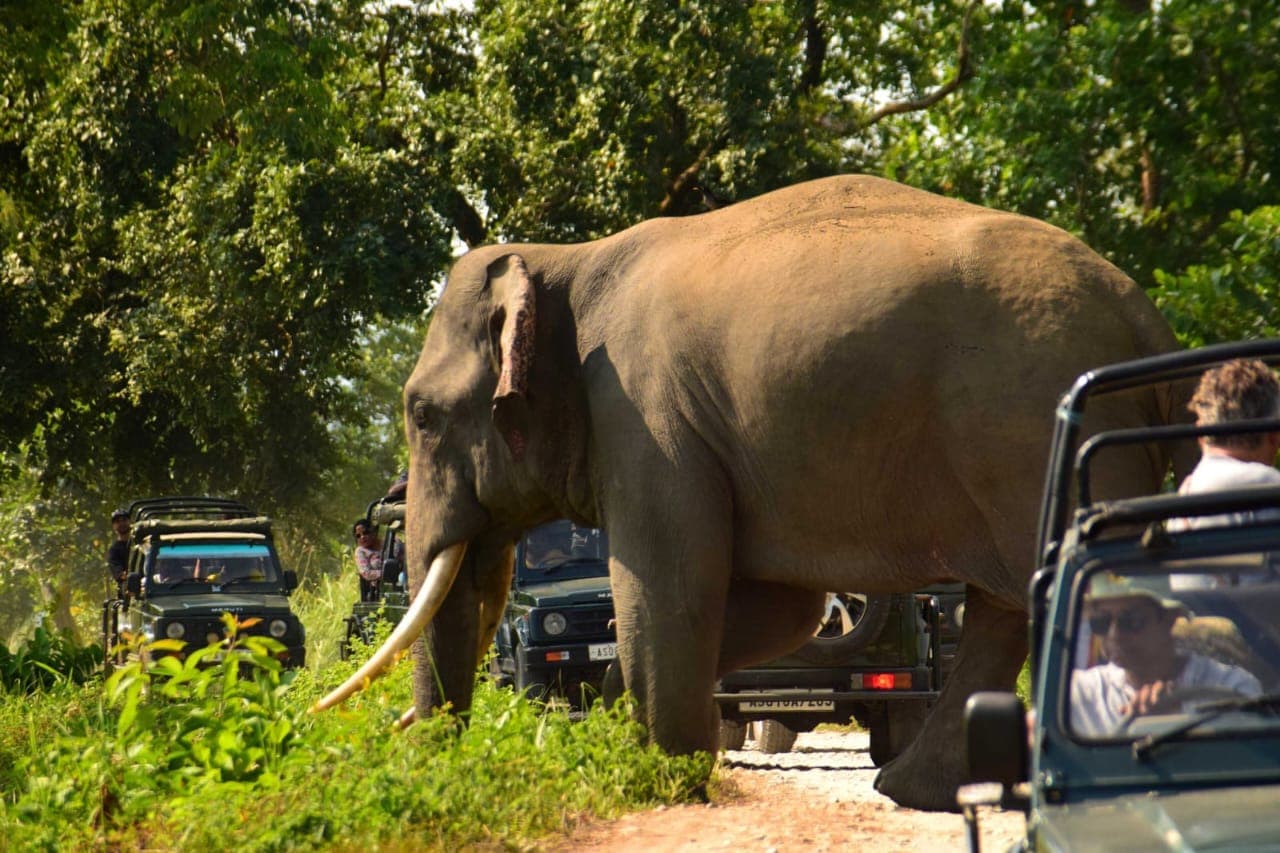
A jeep safari is undoubtedly the highlight of every visit to Pobitora.
Unlike many larger wildlife reserves where animal sightings may require long hours of searching, Pobitora offers a remarkably intimate safari experience. The compact landscape and high concentration of wildlife provide visitors with excellent opportunities to observe animals from a safe yet rewarding distance.
As the safari vehicle moves through mist-covered grasslands and peaceful wetlands, every turn presents the possibility of encountering rhinos, buffaloes, wild boars, jackals, or vibrant birdlife.
Professional forest guides accompany every safari, sharing fascinating insights into the sanctuary's ecology, wildlife behaviour, and conservation efforts.
Safari Timings
Although timings may vary slightly depending on weather conditions and forest department regulations, visitors can generally expect:
Morning Safari: - Approximately 6:30 AM to 9:00 AM
Afternoon Safari: - Approximately 2:00 PM to 4:30 PM
Morning safaris are often preferred due to cooler temperatures, soft golden light for photography, and increased wildlife activity.
Safari Booking Information
As Pobitora receives a significant number of visitors during the peak tourist season, advance booking is strongly recommended.
Safari permits are issued subject to availability and forest department regulations. Booking in advance helps avoid disappointment, especially during weekends, public holidays, and the winter months.
Travellers planning a customised wildlife tour can also include Pobitora as part of a broader Northeast India itinerary.
Book Your Pobitora Wildlife Safari
Explore Pobitora Wildlife Sanctuary with NEexplore NOW's curated safari booking services and customized wildlife tour packages: - Jeep Safari Booking Assistance - Elephant Safari Booking Assistance - Assam Wildlife & Culture Tour Package - Guwahati & Wildlife Escape (3N/4D) - Customised Wildlife Tour
Elephant Safari in Pobitora Wildlife Sanctuary
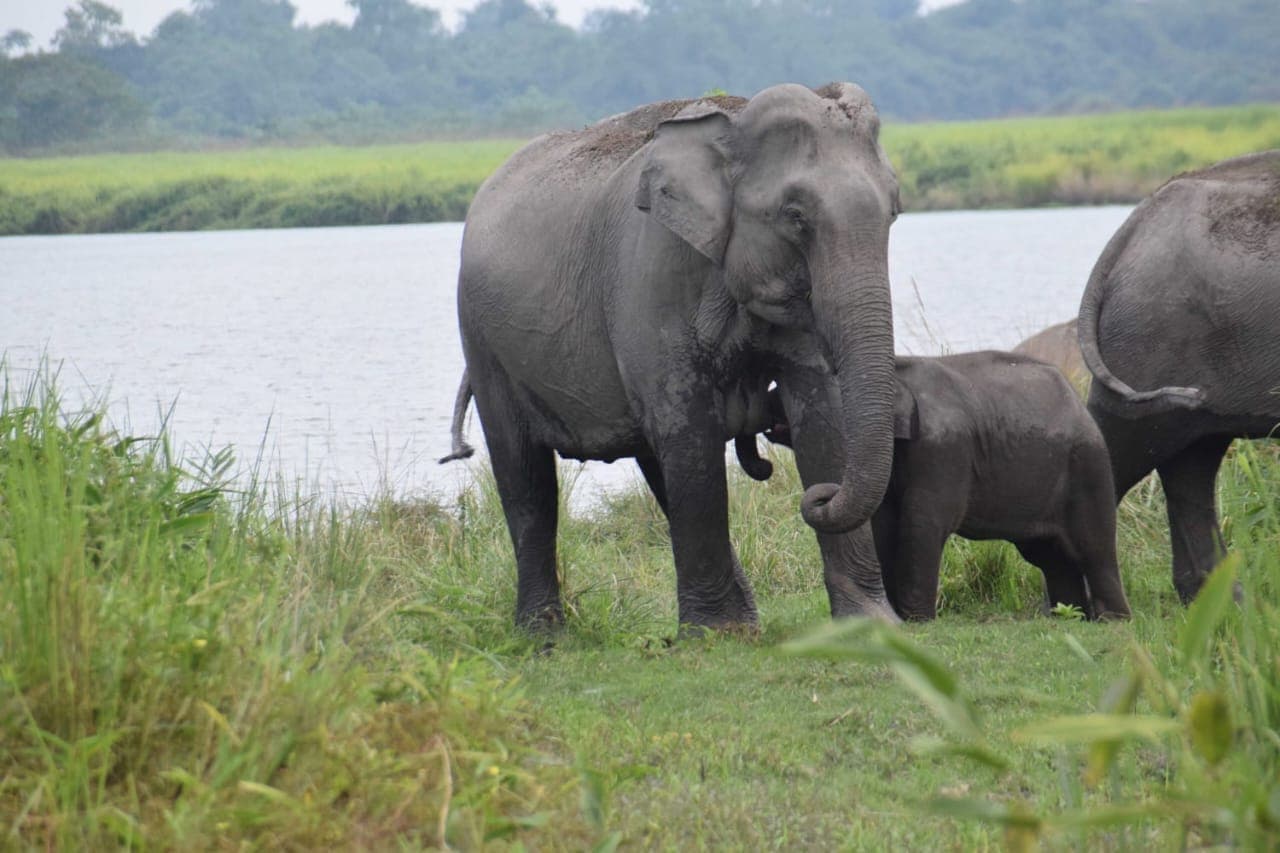
For travellers seeking a more traditional wildlife experience, Elephant Safari may also be available during the tourist season, subject to approval by the Assam Forest Department and operational conditions.
Exploring the sanctuary on elephant back offers a unique perspective of Pobitora's vast grasslands and wetlands. Since elephants can move quietly through areas inaccessible to vehicles, visitors may enjoy close yet respectful views of the Indian one-horned rhinoceros and other wildlife in their natural habitat.
Elephant safaris usually take place in the early morning, when wildlife activity is at its peak and the golden light creates exceptional opportunities for photography.
As elephant safari operations are limited and depend on forest management decisions, travellers are advised to confirm availability and make advance bookings before planning their visit.
Travel Tip: If Elephant Safari is unavailable during your visit, the Jeep Safari remains an excellent alternative and is widely regarded as the best way to explore Pobitora Wildlife Sanctuary.
Elephant Safari Timings
Elephant Safari is generally conducted early in the morning, when wildlife is most active and weather conditions are pleasant.
Typical Timings (Subject to Forest Department Schedule): - 1st Ride: 6:00 AM – 7:00 AM - 2nd Ride: 7:00 AM – 8:00 AM
Timings may vary depending on weather conditions, elephant availability, and the Assam Forest Department's operational guidelines. Visitors are advised to confirm the latest schedule and availability before planning their trip.
Pobitora Safari Price (Approximate)
Safari charges may vary depending on the tourist season, Forest Department regulations, and operator policies. The following prices are indicative and subject to change.
| Safari Type | Approximate Price |
|---|---|
| Jeep Safari (Private Jeep) | ₹3,200–₹3,400 per Jeep (up to 6 guests) |
| Elephant Safari | ₹1,700 per person |
Note: - Jeep Safari charges generally include the safari permit, vehicle, driver, and guide. - Elephant Safari is usually available only during the morning session and is subject to availability and Forest Department approval. - Advance booking is highly recommended during the peak tourist season (November–April).
Best Time to Visit, How to Reach, Where to Stay & Itineraries
Best Time to Visit Pobitora Wildlife Sanctuary
Although Pobitora offers beautiful scenery throughout much of the year, seasonal conditions greatly influence wildlife viewing.
- November to February: This is widely regarded as the best time to visit. Pleasant weather, lush landscapes, migratory birds, and excellent wildlife sightings make winter the peak tourist season. - March to April: Temperatures begin to rise, but wildlife remains active. As water sources become limited, animals are often easier to spot near wetlands. - May to September: Heavy monsoon rains cause flooding across the Brahmaputra floodplains. During this period, the sanctuary is generally closed to visitors for safety and habitat regeneration. - October: With the retreat of the monsoon, the sanctuary gradually reopens. Fresh greenery, clear skies, and renewed wildlife activity make October an attractive time for nature lovers.
How to Reach Pobitora Wildlife Sanctuary
One of Pobitora Wildlife Sanctuary's greatest advantages is its excellent connectivity. Located approximately 50 kilometres from Guwahati in Assam's Morigaon district, the sanctuary is easily accessible by road, making it one of the best wildlife destinations for a day trip or weekend getaway.
By Air: The nearest airport is Lokpriya Gopinath Bordoloi International Airport (GAU), Guwahati, located about 45–50 km from the sanctuary. The airport is well connected with major Indian cities. From the airport, visitors can hire a taxi or book a private cab to reach Pobitora in around 1.5 hours.
By Train: The nearest major railway station is Guwahati Railway Station, approximately 50 km away, with direct trains from all major Indian cities. Taxis and private vehicles are readily available.
By Road: Approximate travel distances: - Guwahati – 50 km (1.5–2 hours) - Morigaon – 25 km - Jagiroad – 35 km - Nagaon – 65 km - Kaziranga National Park – 110 km
Where to Stay Near Pobitora Wildlife Sanctuary
Although many travellers visit Pobitora as a day trip from Guwahati, staying overnight allows you to enjoy the peaceful rural atmosphere, early morning bird calls, and the first safari of the day.
- Eco Resorts: Eco-resorts near the sanctuary provide a nature-focused experience with comfortable rooms, local cuisine, and easy access to safari entry points. - Homestays: Traditional Assamese homestays offer warm hospitality, authentic home-cooked meals, and opportunities to experience local culture and village life. - Forest Guest Houses: Limited forest accommodation may be available through the Forest Department, subject to availability and advance booking. - Hotels in Guwahati: Travellers who prefer a wider range of facilities can stay in Guwahati and visit Pobitora as a day excursion.
Nearby Attractions
- Mayong – The Legendary Land of Magic: Located just a few kilometres from Pobitora, Mayong is renowned for its centuries-old folklore, legends of black magic, traditional healing practices, and cultural heritage. Explore the Mayong Central Museum. - Brahmaputra River: The mighty river flows close to Pobitora. In winter, its banks are excellent for birdwatching. - Assamese Villages: Experience authentic rural lifestyle, traditional farming, weaving, and fishing. - Hatisila: Known for scenic river views and natural surroundings. - Guwahati: Combined with Pobitora for temples, river cruises, and cultural experiences.
Suggested One-Day Itinerary - 06:00 AM – Depart from Guwahati - 07:30 AM – Arrive at Pobitora Wildlife Sanctuary - 08:00 AM – Elephant Safari (subject to availability) or Jeep Safari - 09:30 AM – Breakfast at a local eco-resort - 10:30 AM – Birdwatching and nature walk - 12:00 PM – Visit nearby Assamese villages - 01:30 PM – Traditional Assamese lunch - 03:00 PM – Explore Mayong and its museum - 05:30 PM – Return to Guwahati
Suggested Two-Day Itinerary Day 1: - Arrival in Guwahati - Drive to Pobitora - Afternoon Jeep Safari - Sunset photography - Overnight stay at an eco-resort or homestay
Day 2: - Early morning Elephant Safari (subject to availability) - Birdwatching - Village tour - Visit Mayong - Return to Guwahati
Approximate Travel Budget - Budget Traveller: ₹2,500–₹4,000 per person - Mid-Range Traveller: ₹5,000–₹8,000 per person - Premium Experience: ₹9,000+ per person
Cuisine, Packing, Travel & Photography Tips + Why Choose NEexplore NOW?
Local Assamese Cuisine to Try
No visit to Pobitora is complete without tasting the flavours of Assam. Popular local dishes include: - Traditional Assamese Thali - Masor Tenga (Tangy Fish Curry) - Duck Curry - Bamboo Shoot Preparations - Black Sesame Chicken - Pitha - Jolpan - Fresh seasonal vegetables and herbs
Packing Checklist
Before visiting Pobitora, consider carrying: - Valid photo ID - Comfortable walking shoes - Neutral-coloured clothing - Hat or cap - Sunglasses - Sunscreen - Insect repellent - Reusable water bottle - Binoculars - Camera with extra batteries - Telephoto lens for wildlife photography - Light jacket during winter mornings
Expert Travel Tips
- Book your safari well in advance during the peak tourist season. - Opt for the first morning safari for the best wildlife sightings. - Maintain silence during safaris to avoid disturbing animals. - Never feed or approach wildlife. - Follow all instructions provided by forest guides. - Respect the sanctuary's conservation rules. - Carry cash, as digital payment facilities may be limited in nearby villages. - Combine Pobitora with Mayong and Guwahati for a complete cultural and wildlife experience. - If travelling during winter, start early to enjoy mist-covered landscapes and excellent birdwatching opportunities. - Leave no trace—help preserve Pobitora's fragile ecosystem for future generations.
Responsible Tourism
Pobitora's remarkable wildlife survives because of careful conservation and responsible tourism. Visitors play an essential role in protecting this fragile ecosystem. Maintain silence during safari drives, never feed or disturb wildlife, avoid littering and carry back plastic waste, follow instructions given by forest officials, and support local communities by choosing responsible tourism services.
Photography Tips
For photographers, Pobitora offers outstanding opportunities throughout the day. The soft golden light shortly after sunrise creates dramatic landscapes and beautiful wildlife portraits. A telephoto lens is ideal for capturing rhinos and birds, while a wide-angle lens works well for wetlands and scenic views. Patience is often rewarded!
Why Choose NEexplore NOW?
A memorable journey begins with thoughtful planning, local expertise, and a team that understands the destination beyond the guidebooks. At NEexplore NOW, we don't simply arrange tours—we curate meaningful travel experiences across Assam and Northeast India, combining authentic local insights with seamless service and personalised attention.
What Sets NEexplore NOW Apart? - Curated Wildlife Experiences – Expertly designed itineraries that maximise your chances of experiencing Pobitora's incredible biodiversity. - Local Destination Expertise – Deep understanding of Assam's culture, wildlife, and hidden gems. - Hassle-Free Safari Assistance – We assist with Jeep Safari and Elephant Safari bookings. - Private & Customised Tours – Tailored to your interests, schedule, and budget. - Handpicked Stays – From eco-resorts and charming homestays to comfortable hotels. - Reliable Transportation – Well-maintained vehicles and experienced local drivers. - Transparent Pricing – Clear, honest pricing with no hidden charges. - Dedicated Travel Support – Prompt assistance and personalised service.
Explore Beyond Pobitora
Enhance your journey by combining Pobitora Wildlife Sanctuary with Mayong, Kaziranga National Park, Guwahati, Chandubi Lake, and other carefully selected offbeat experiences.
Travel with Confidence
At NEexplore NOW, every itinerary is designed to help you experience the true essence of Northeast India. Experience Pobitora beyond the ordinary. Experience Northeast India with NEexplore NOW.
Frequently Asked Questions
Where is Pobitora Wildlife Sanctuary located?
Pobitora Wildlife Sanctuary is located in the Morigaon district of Assam, approximately 50 km from Guwahati, making it one of the most accessible wildlife destinations in Northeast India.
What is Pobitora Wildlife Sanctuary famous for?
Pobitora is famous for having one of the highest densities of the endangered Indian One-Horned Rhinoceros in the world. It is also renowned for its rich birdlife and scenic wetlands.
What is the best time to visit Pobitora Wildlife Sanctuary?
The best time to visit is from November to April, when the weather is pleasant and wildlife sightings are at their best. The sanctuary generally remains closed during the monsoon season.
How far is Pobitora from Guwahati?
Pobitora Wildlife Sanctuary is about 50 km from Guwahati and can be reached in approximately 1.5 to 2 hours by road.
Which safari is available in Pobitora?
Visitors can enjoy Jeep Safari throughout the tourist season. Elephant Safari may also be available during the morning, subject to Forest Department approval and operational conditions.
What are the safari timings in Pobitora?
Jeep Safari usually operates in the morning (around 6:30 AM–9:00 AM) and afternoon (around 2:00 PM–4:30 PM). Elephant Safari, when available, is generally conducted between 6:00 AM and 8:00 AM.
How much does a Pobitora safari cost?
A Jeep Safari typically costs around ₹3,200–₹3,400 per jeep (up to six guests), while an Elephant Safari costs approximately ₹1,700 per person. Prices are subject to change.
Is advance safari booking necessary?
Yes. Advance booking is highly recommended, especially during weekends and the peak tourist season, to secure your preferred safari slot.
Can Pobitora be visited as a day trip from Guwahati?
Absolutely. Pobitora is one of the most popular day-trip destinations from Guwahati due to its close proximity and excellent road connectivity.
Are there accommodation options near Pobitora?
Yes. Visitors can choose from eco-resorts, homestays, forest guest houses, and hotels in nearby Guwahati, depending on their budget and travel preferences.
Is Pobitora suitable for birdwatching?
Yes. With over 200 species of resident and migratory birds, Pobitora is considered one of the finest birdwatching destinations in Assam, especially during winter.
Can I combine Pobitora with Mayong in one trip?
Yes. Mayong, known as the legendary "Land of Black Magic," is located just a short drive from Pobitora and is often included in a one-day or two-day itinerary.
What should I carry while visiting Pobitora?
Carry comfortable clothing in neutral colours, walking shoes, sunscreen, insect repellent, binoculars, a camera, drinking water, and a valid photo ID.
Is Pobitora better than Kaziranga National Park?
Both destinations offer unique experiences. Pobitora is ideal for close rhino sightings and day trips, while Kaziranga provides a larger landscape with greater wildlife diversity and longer safari routes.
Why book your Pobitora tour with NEexplore NOW?
NEexplore NOW offers expertly curated itineraries, reliable transportation, safari booking assistance, handpicked accommodations, local destination expertise, and personalised travel support to ensure a seamless and memorable wildlife experience in Assam.
"Pobitora Wildlife Sanctuary proves that unforgettable wildlife experiences don't always require vast landscapes. Despite its compact size, it offers one of India's finest opportunities to witness the majestic Indian one-horned rhinoceros in the wild. From thrilling safaris and spectacular birdwatching to peaceful wetlands and successful conservation stories, Pobitora is a destination that captures the true spirit of Assam's natural heritage. Whether you're planning a day trip from Guwahati, a weekend wildlife escape, or a longer journey through Northeast India, Pobitora Wildlife Sanctuary deserves a place on your itinerary. With responsible tourism and careful planning, your visit will not only create lasting memories but also contribute to the conservation of one of India's most treasured ecosystems."