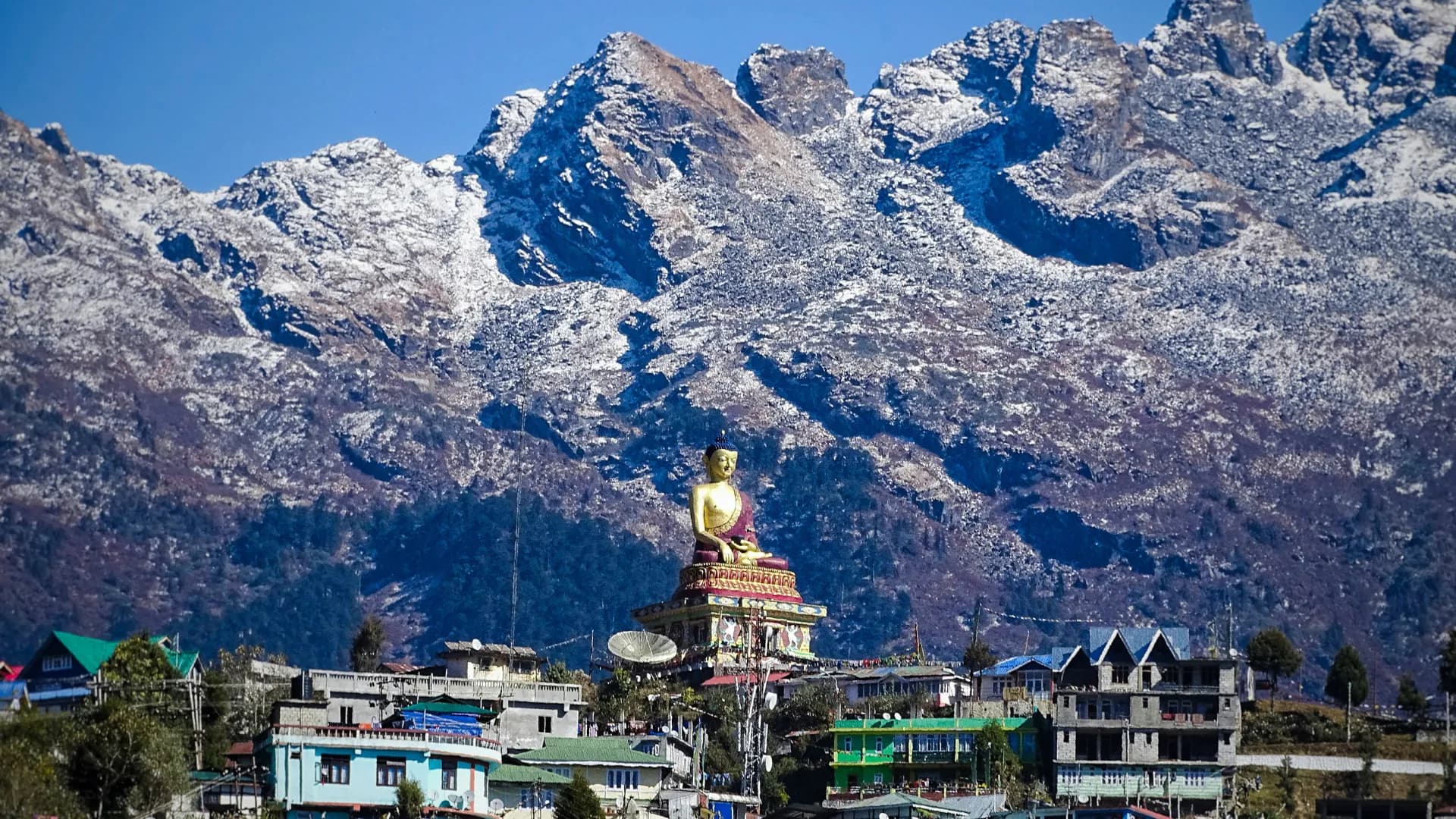
Northeast India Is Not a Checklist There is a certain way people are taught to travel. Find the famous places. Make a list. Count the days. Fit as many destinations as possible into the itinerary. It works in many parts of the world. But Northeast India can be different. Here, the distance between two places is not always just a number on Google Maps. A road may take you through a mountain pass, a quiet village, a forested stretch or a valley where you suddenly want to stop for five minutes. A short conversation with a local person can change what you thought you were going to see that day. A simple meal can become one of the memories you carry home. That is why travelling through Northeast India is not always about how much you can cover. Sometimes, it is about how much you actually experience. This is the first idea behind The Northeast Edit — our collection of stories, practical thoughts and travel perspectives from Northeast India. And it starts with something simple: Northeast India is not a checklist.
The temptation to see everything
For someone visiting Northeast India for the first time, the temptation is understandable.
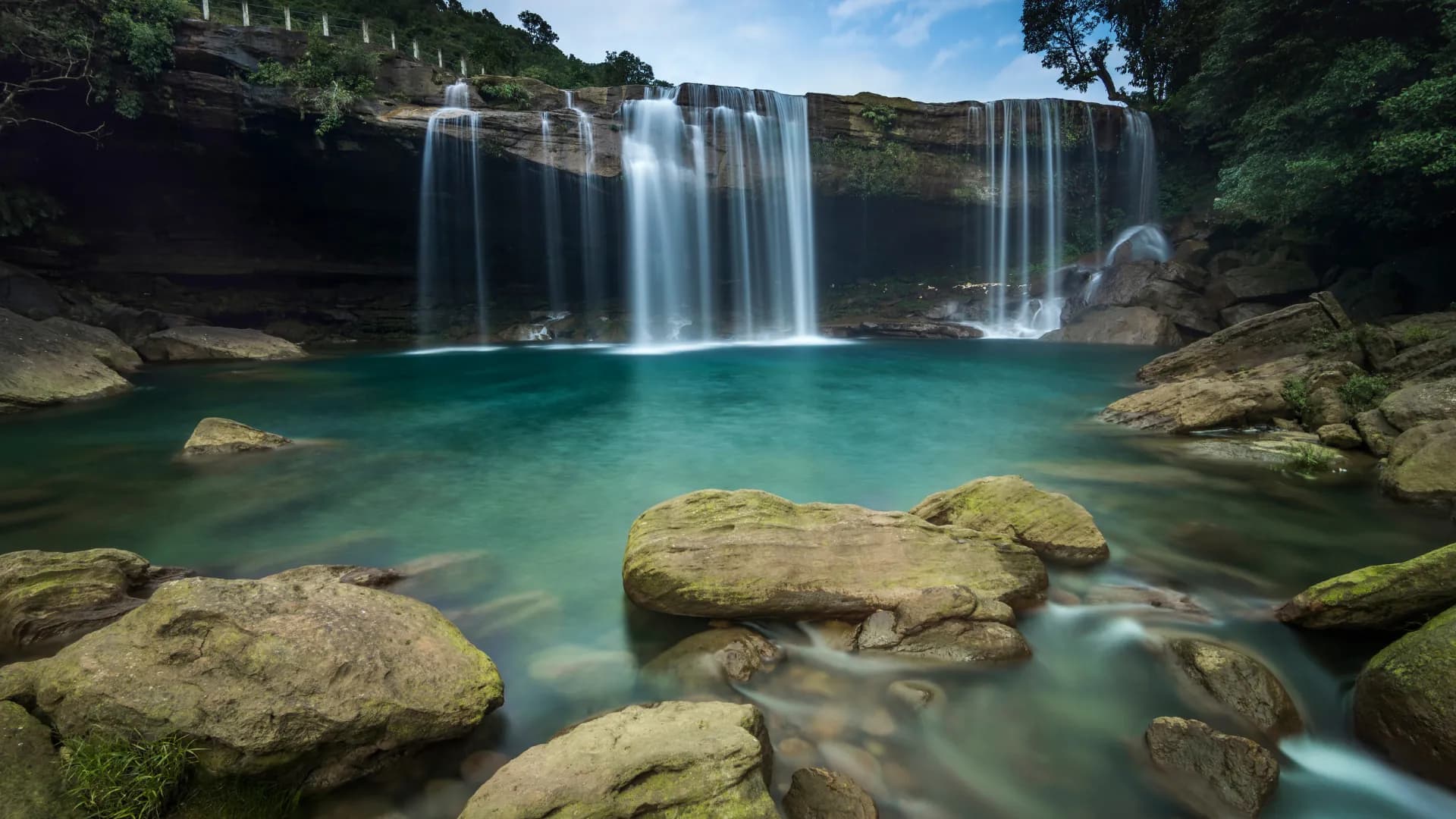
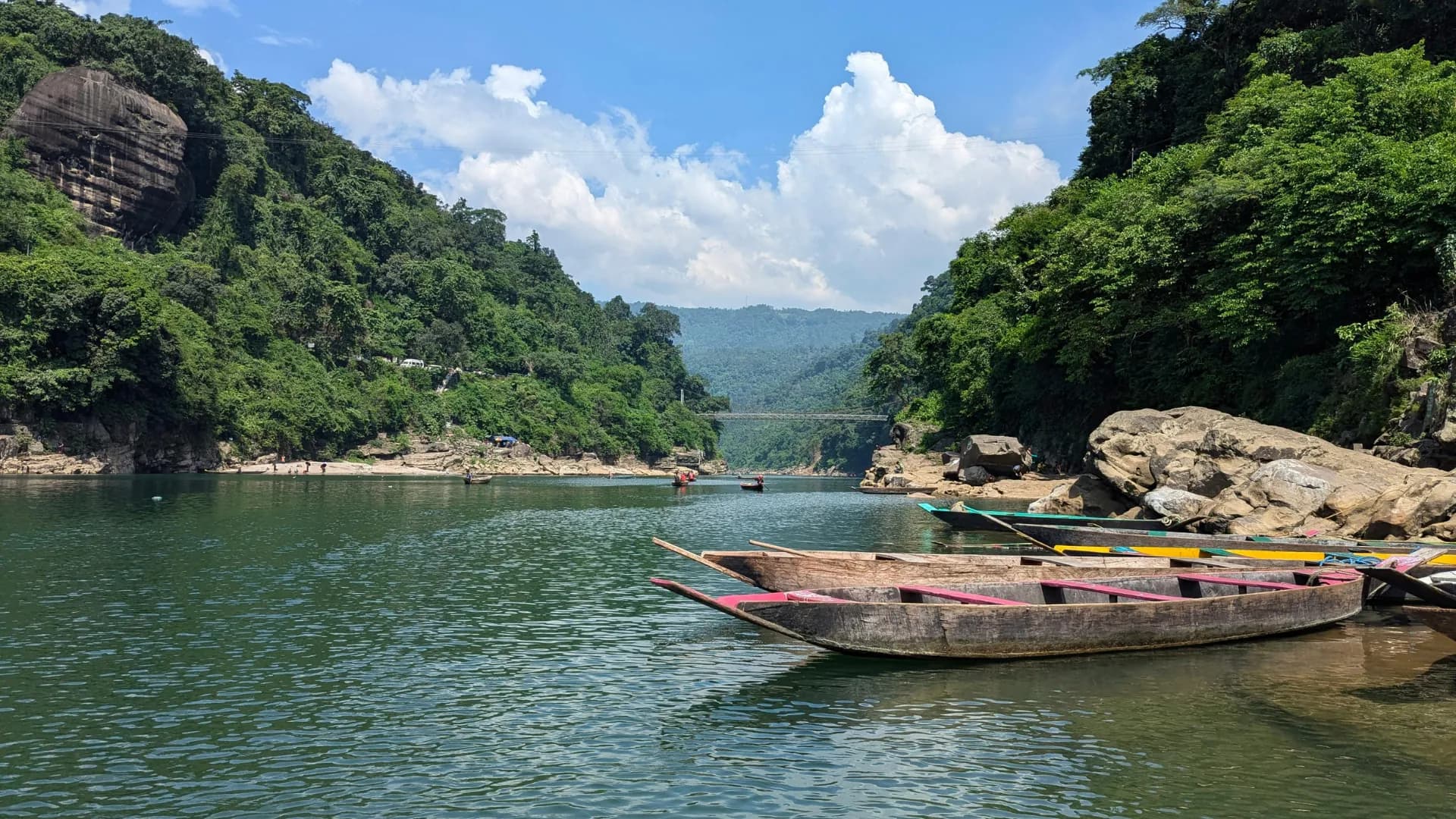
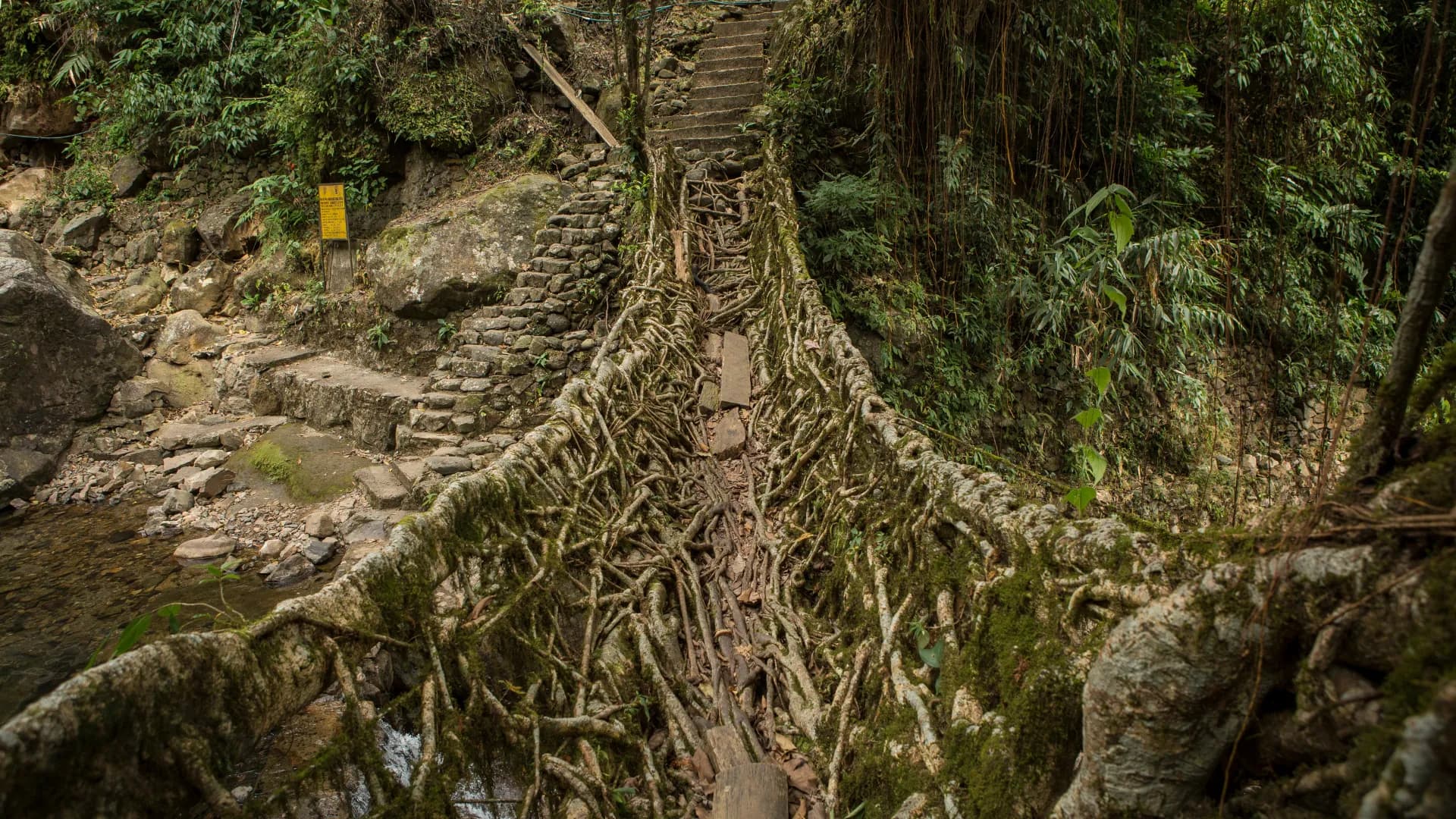
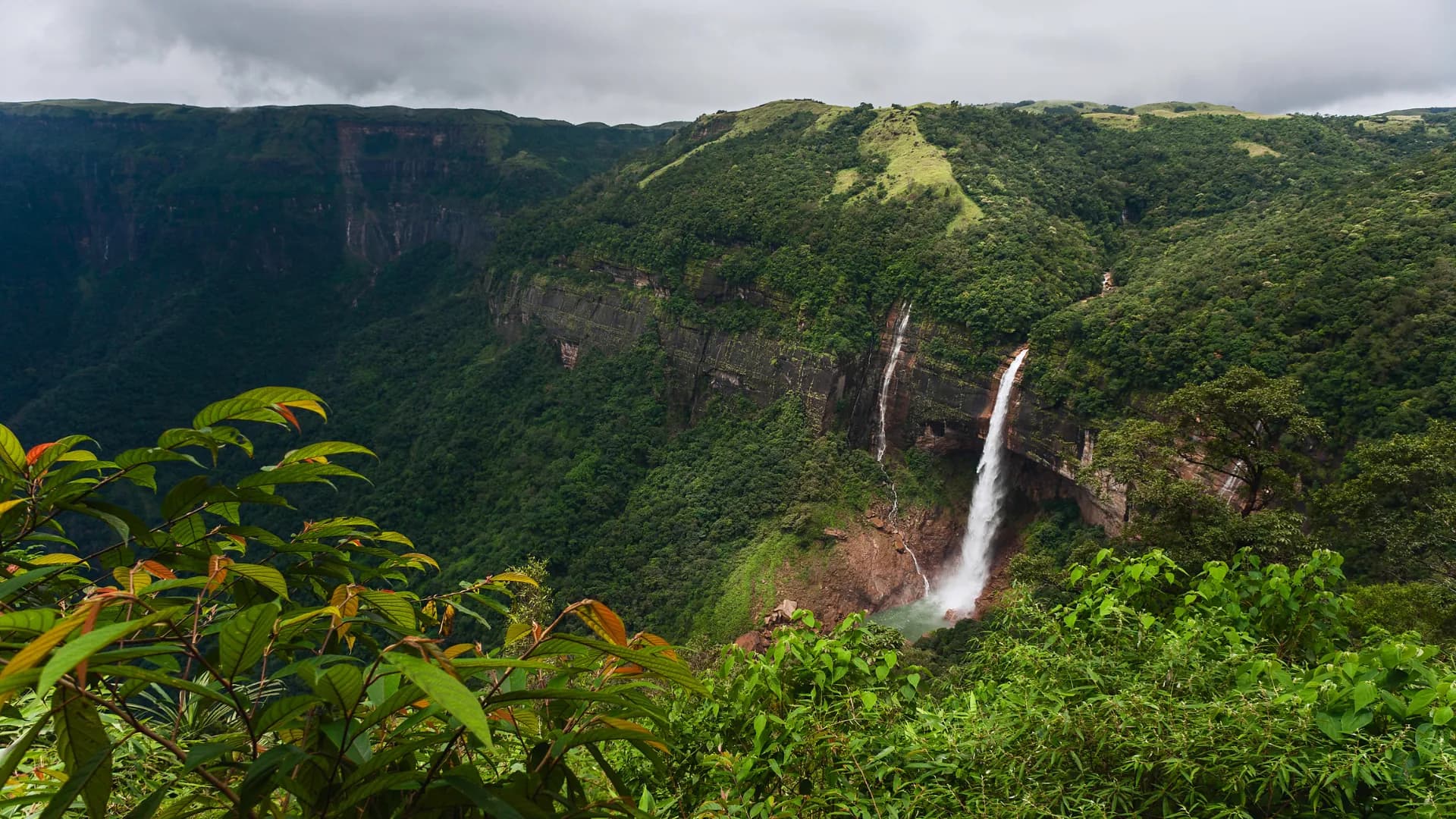
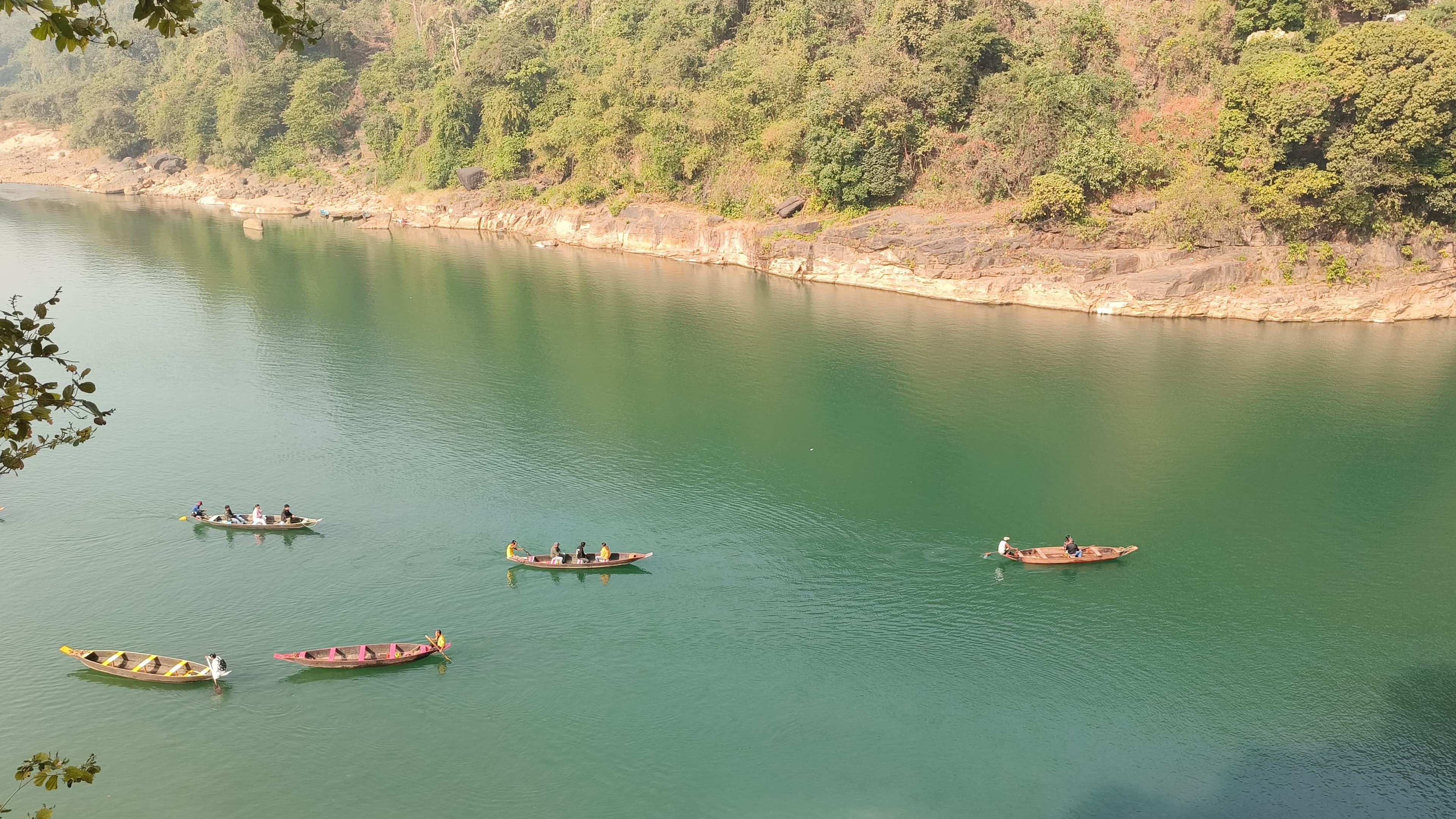
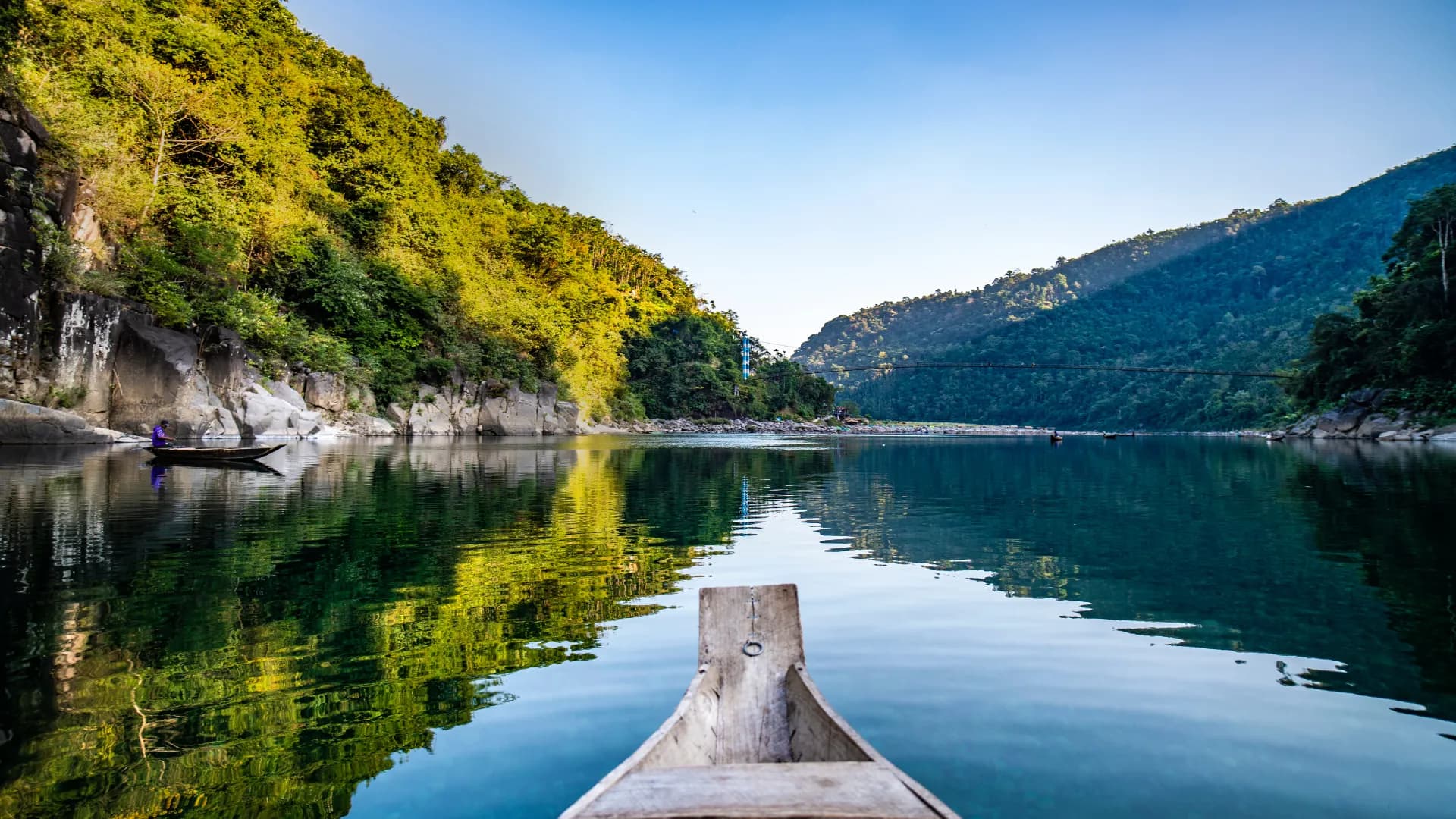
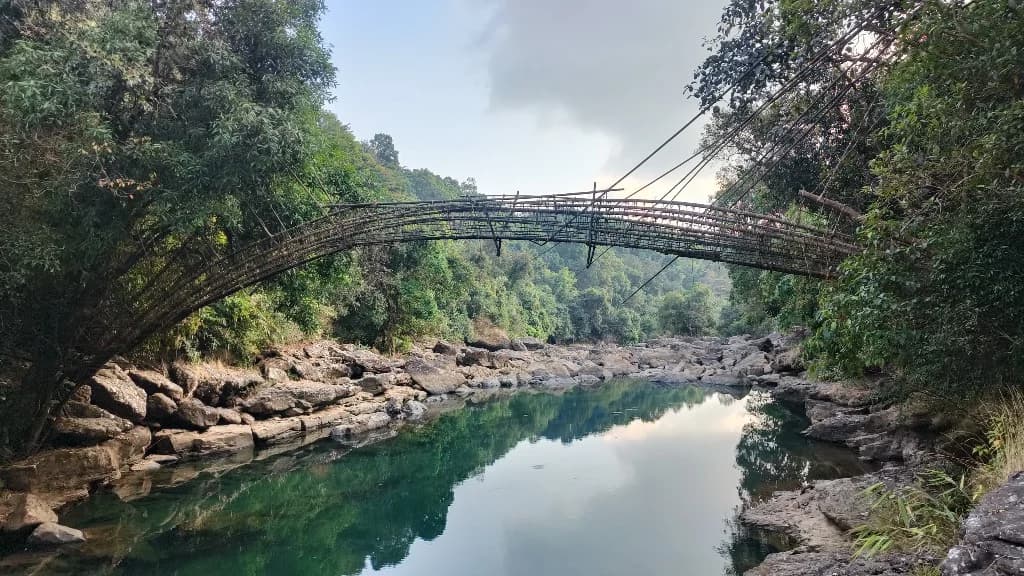
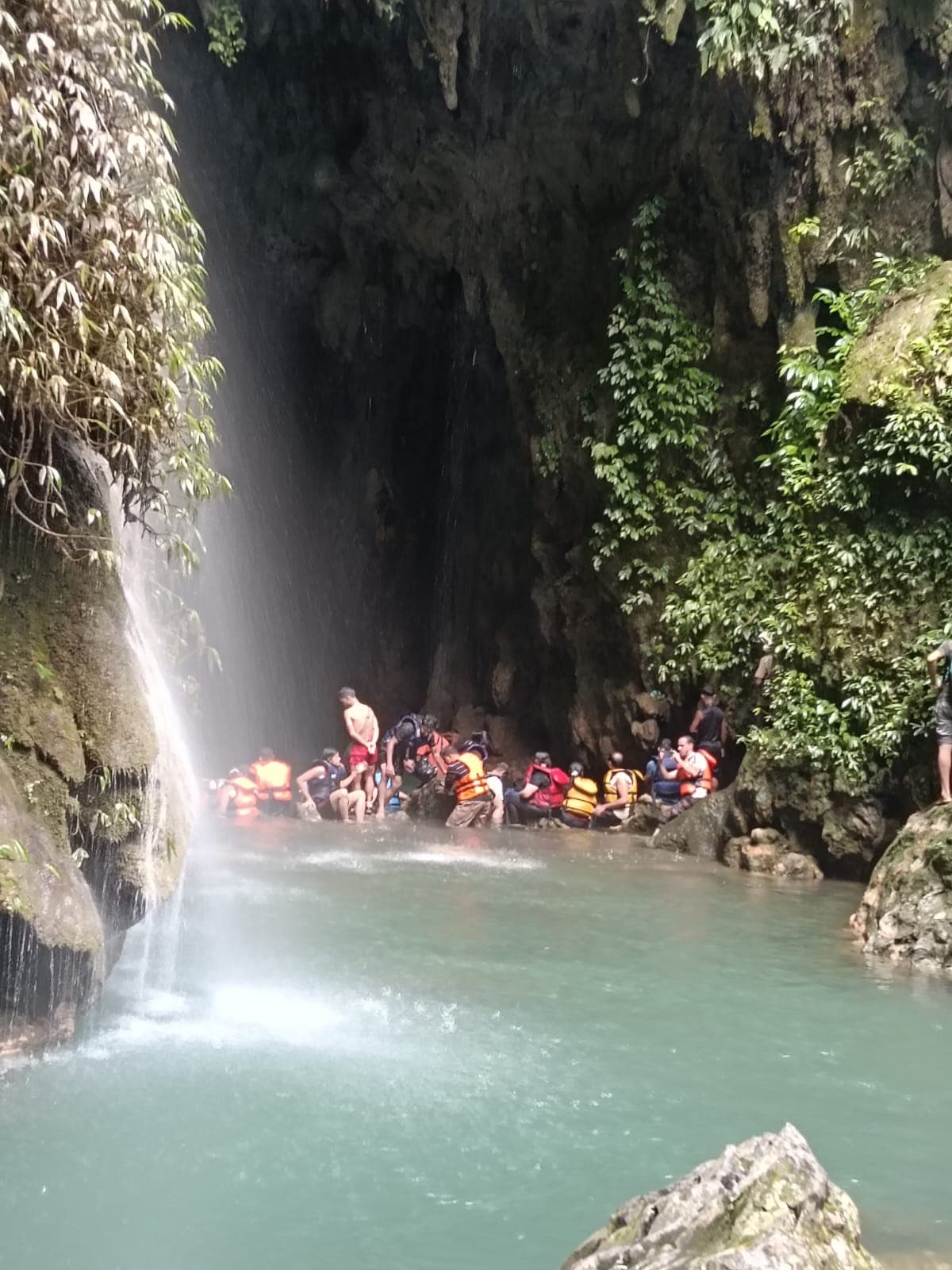
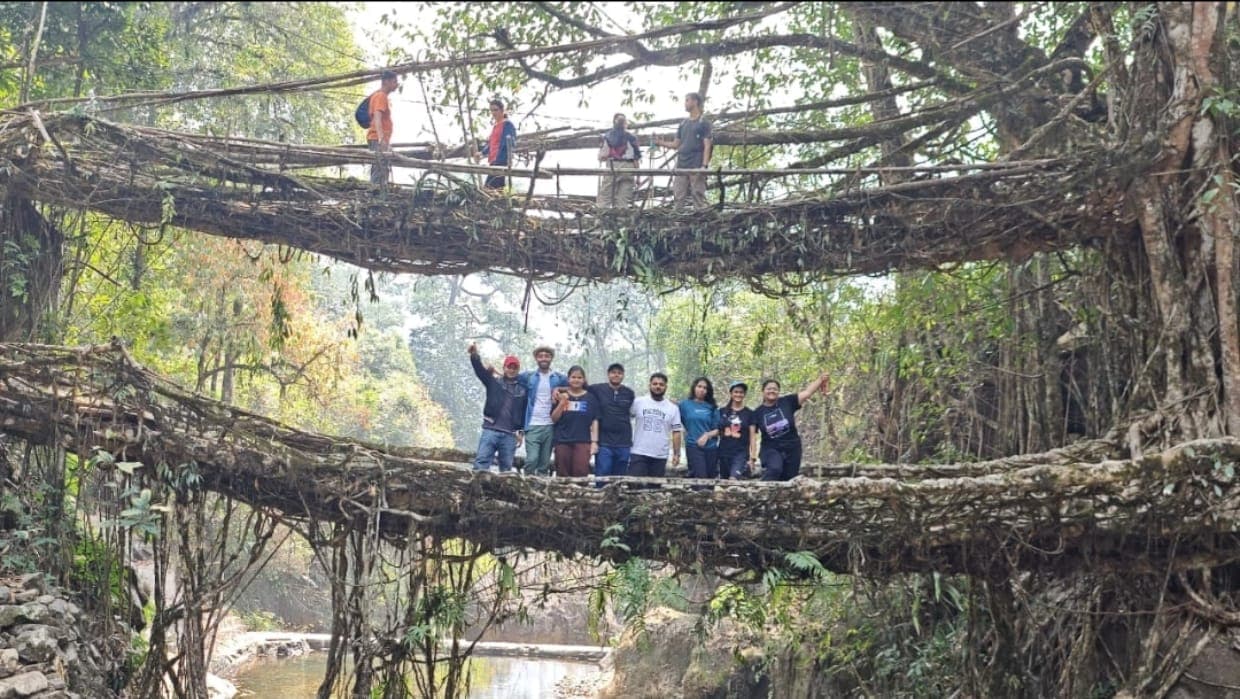
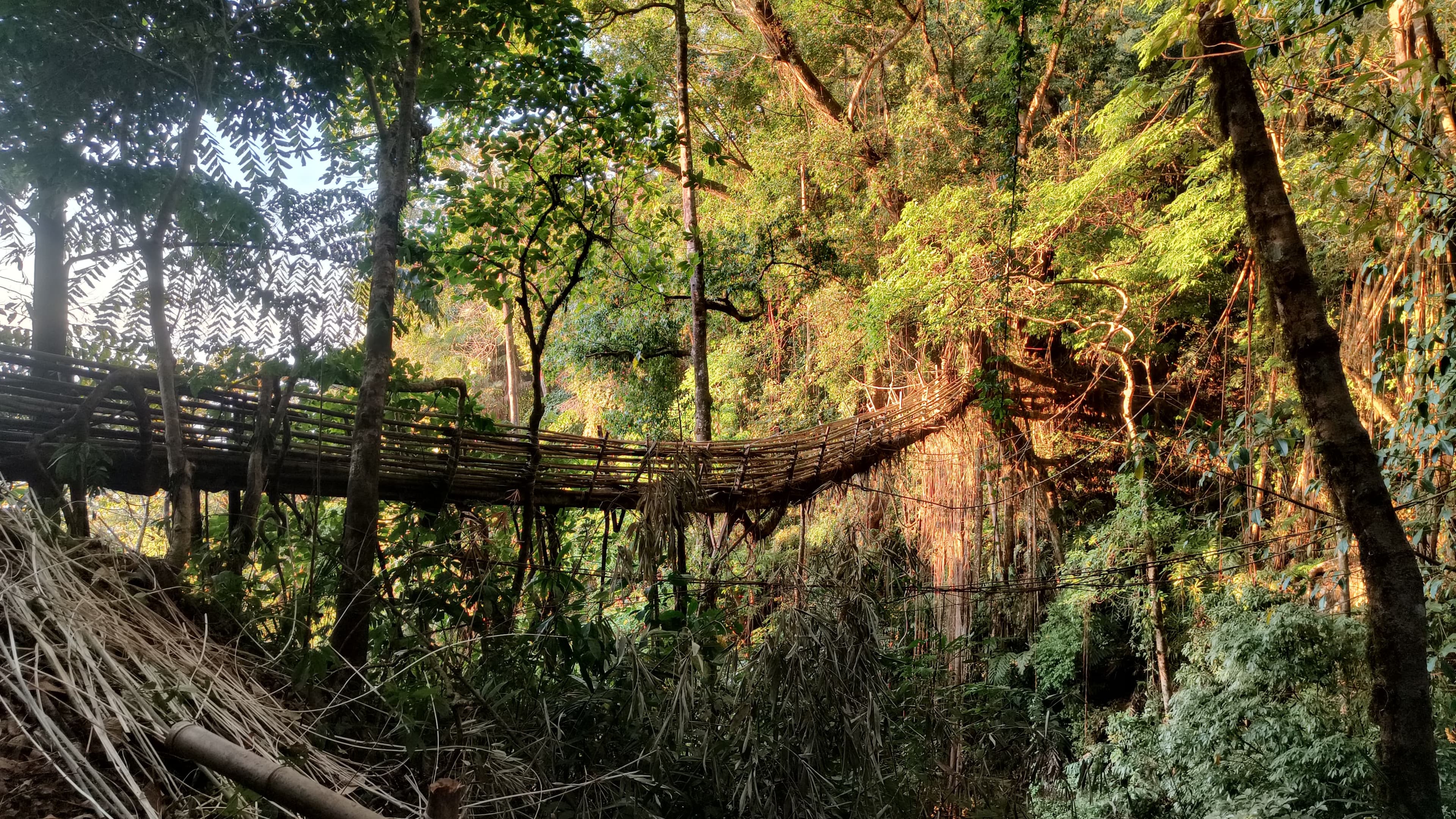
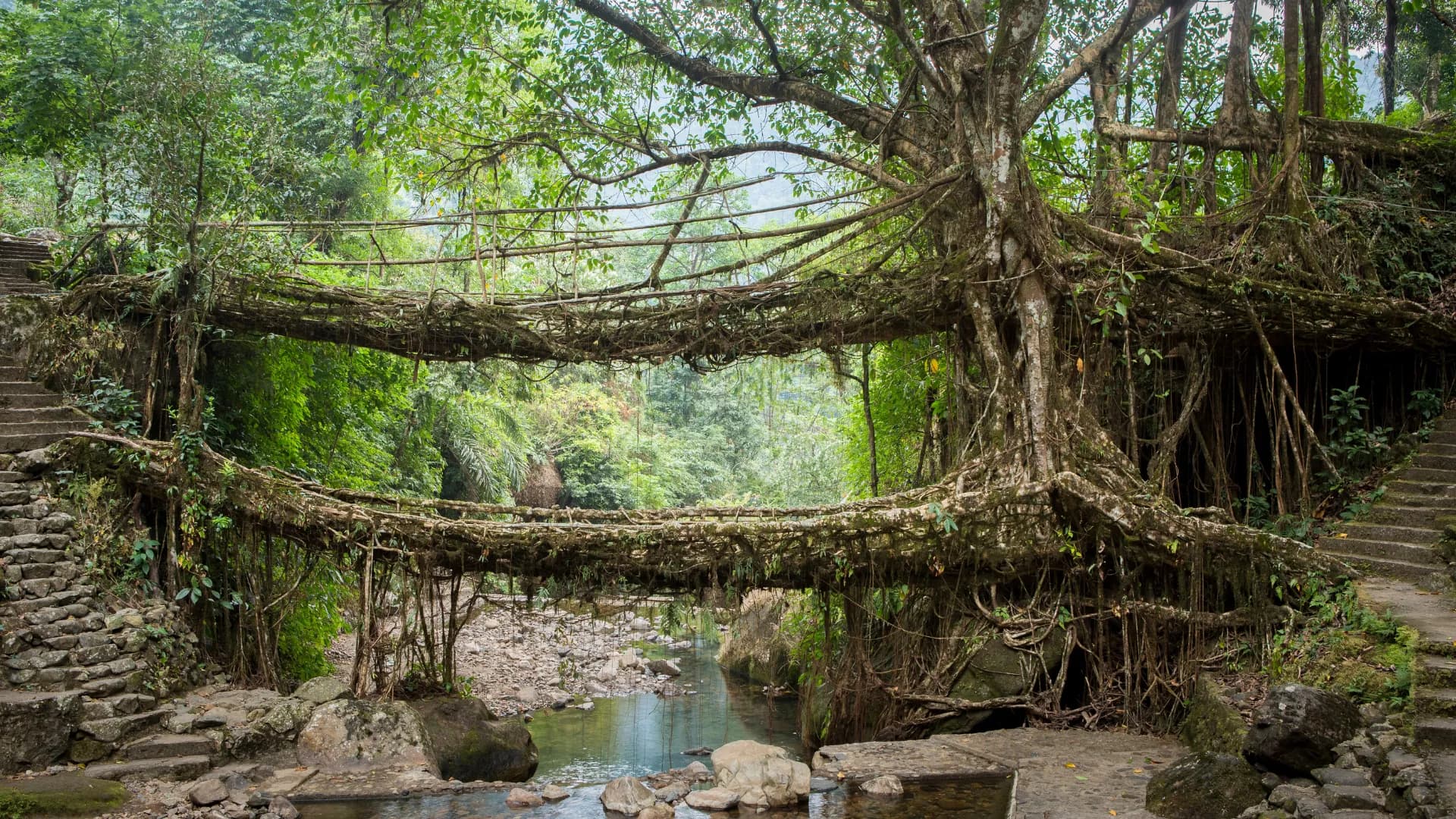
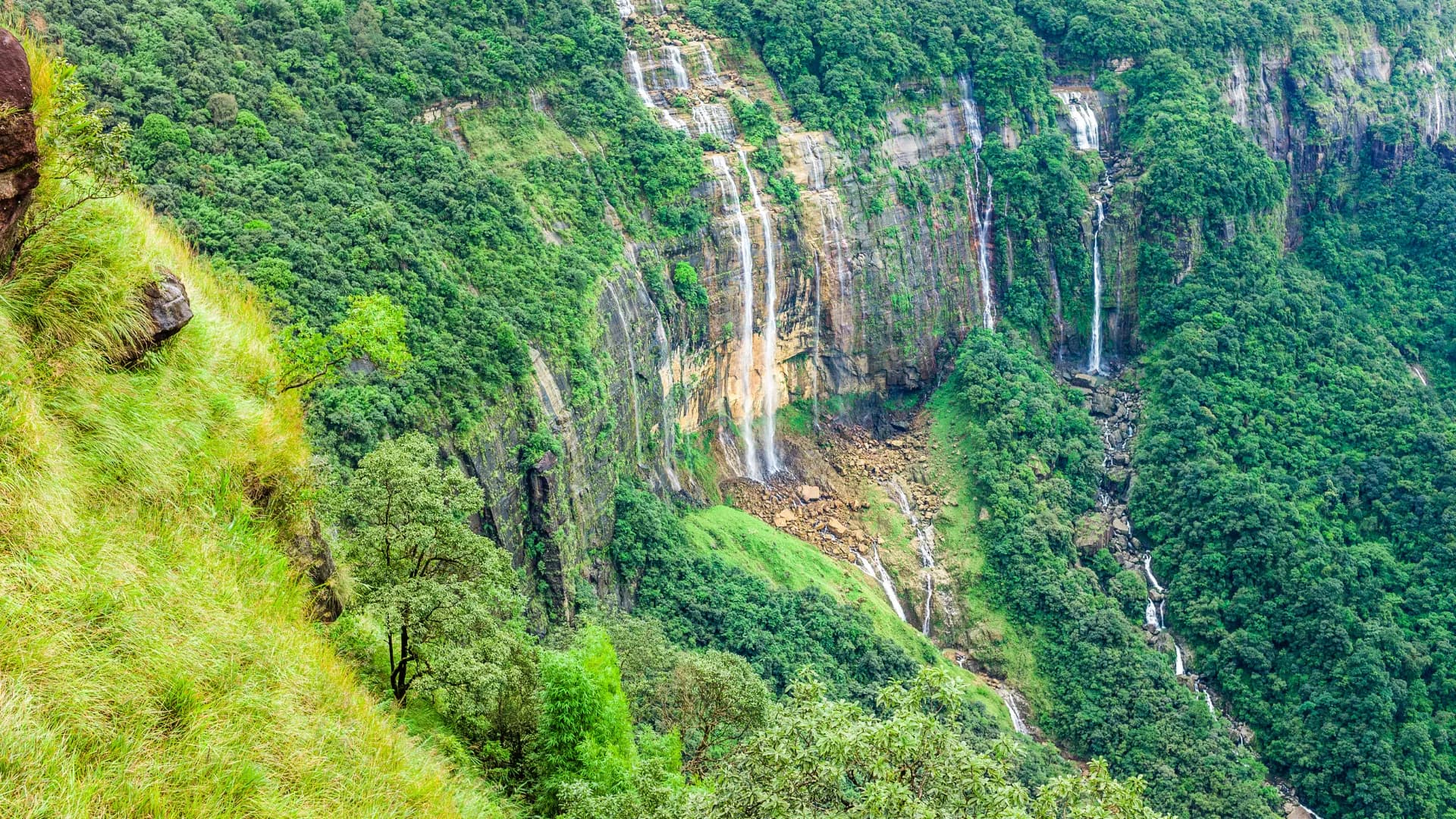
There is Meghalaya with its waterfalls, living root bridges, caves and villages.
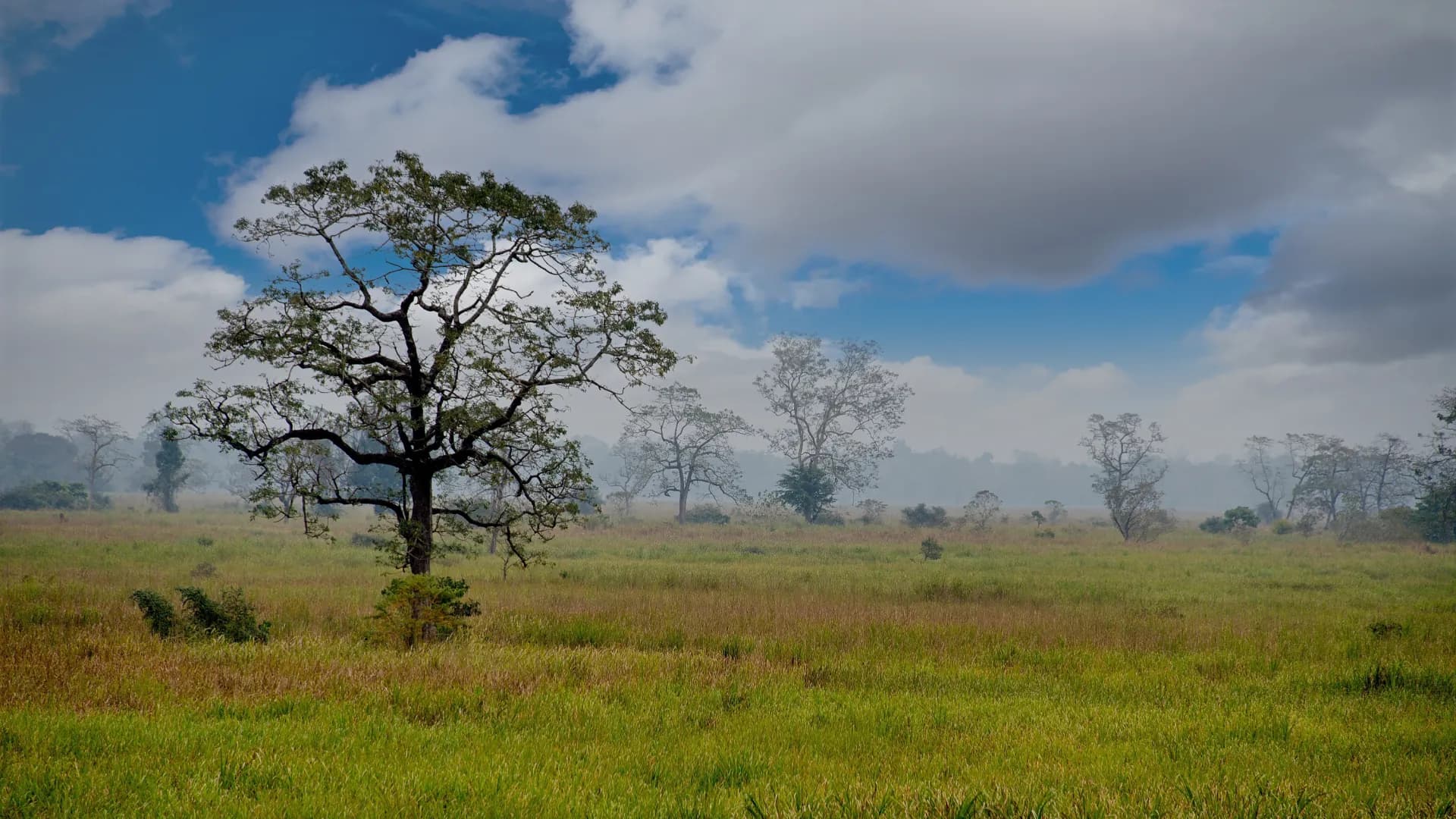
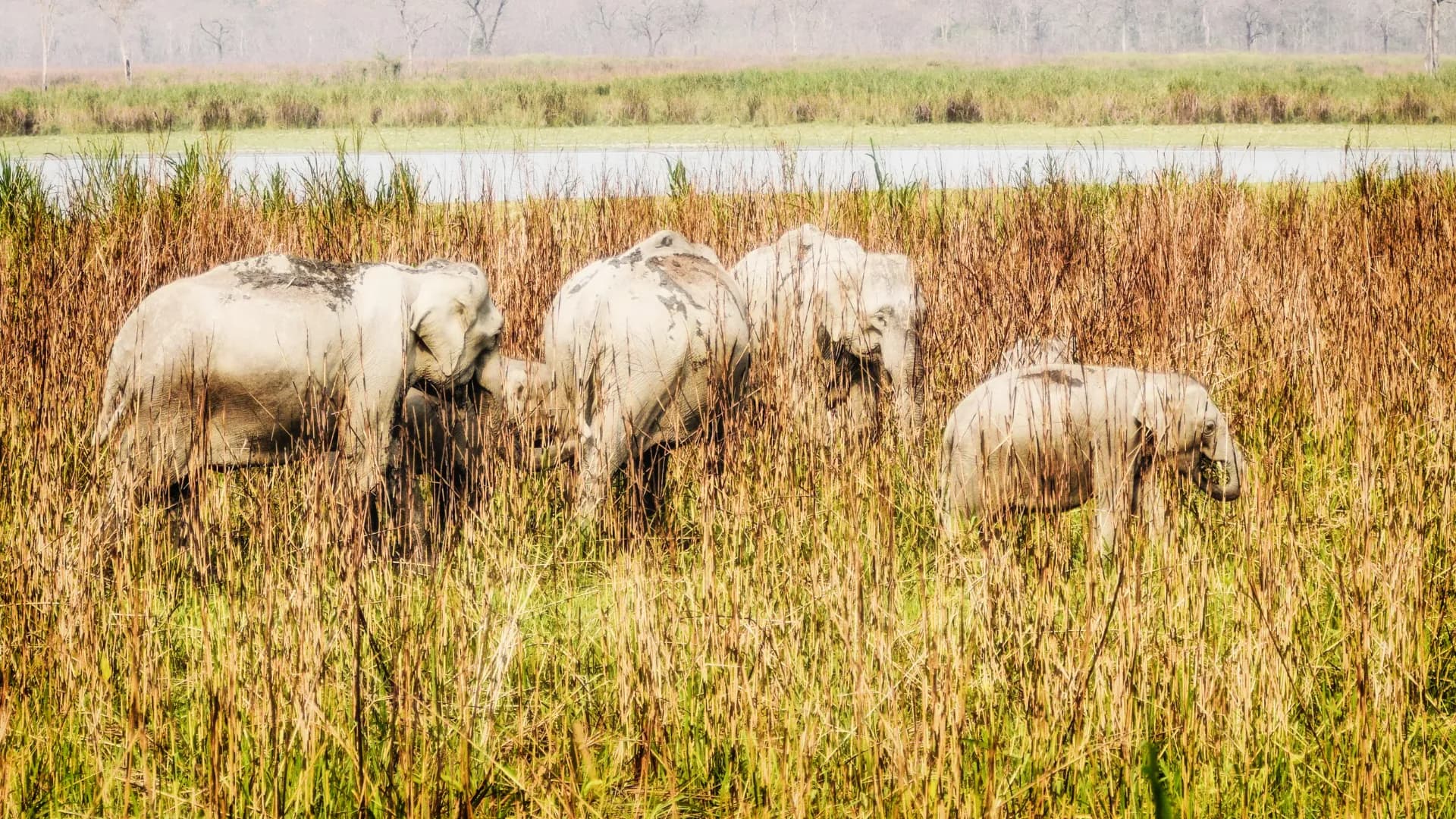
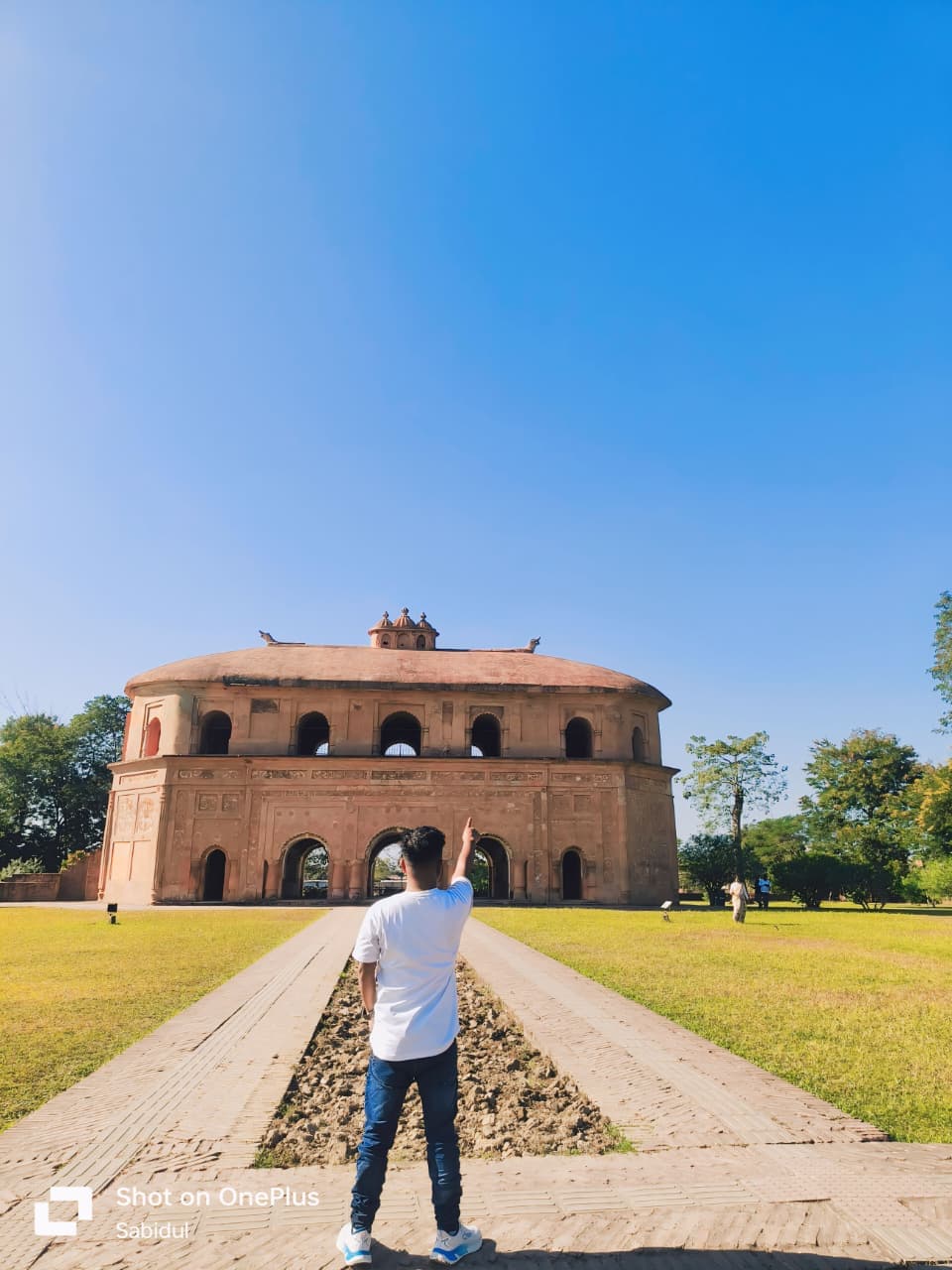
There is Assam with its wildlife, tea gardens, rivers and cultural landscapes.
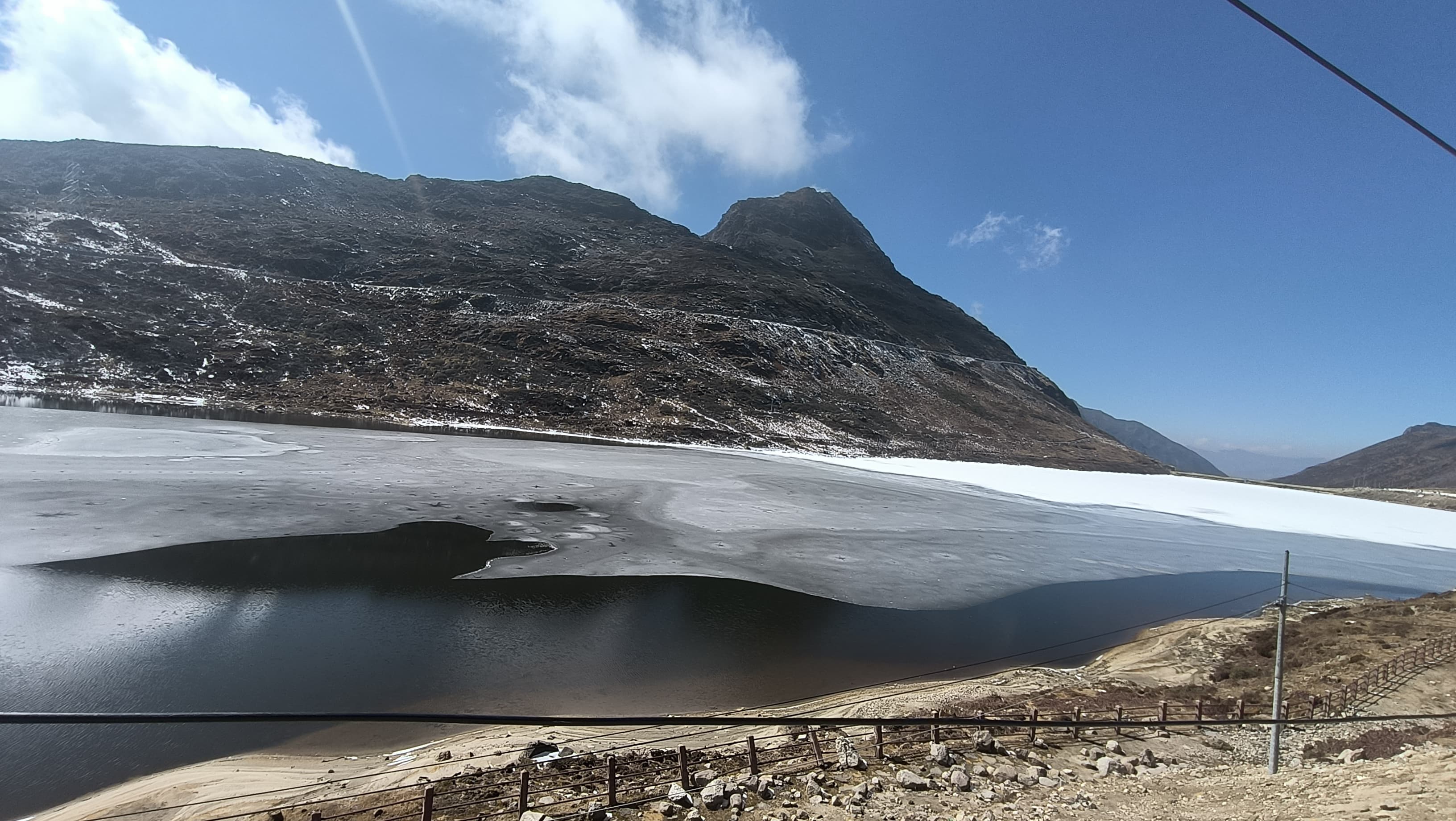
There is Arunachal Pradesh with its high mountains, remote valleys and long road journeys.
Then there are Nagaland, Manipur, Mizoram, Tripura and Sikkim, each offering an entirely different side of the wider Northeast.
When you start researching, the list keeps growing.
One article recommends a waterfall.
Another suggests a village.
Someone on social media posts a viewpoint.
A friend tells you about a place that you had never heard of.
Soon, a seven-day trip starts looking like it needs three weeks.
And this is where itinerary planning can go wrong.
The question should not always be:
“How many places can I visit?”
A better question is:
“How many places can I genuinely enjoy?”
There is a big difference between the two.
A destination is more than a photograph
Travel content online often reduces a destination to its most photogenic moment.
A viewpoint becomes a photograph.
A waterfall becomes a photograph.
A village becomes a photograph.
A mountain road becomes a photograph.
But the experience of being there is much larger than the image.
Take Meghalaya, for example.
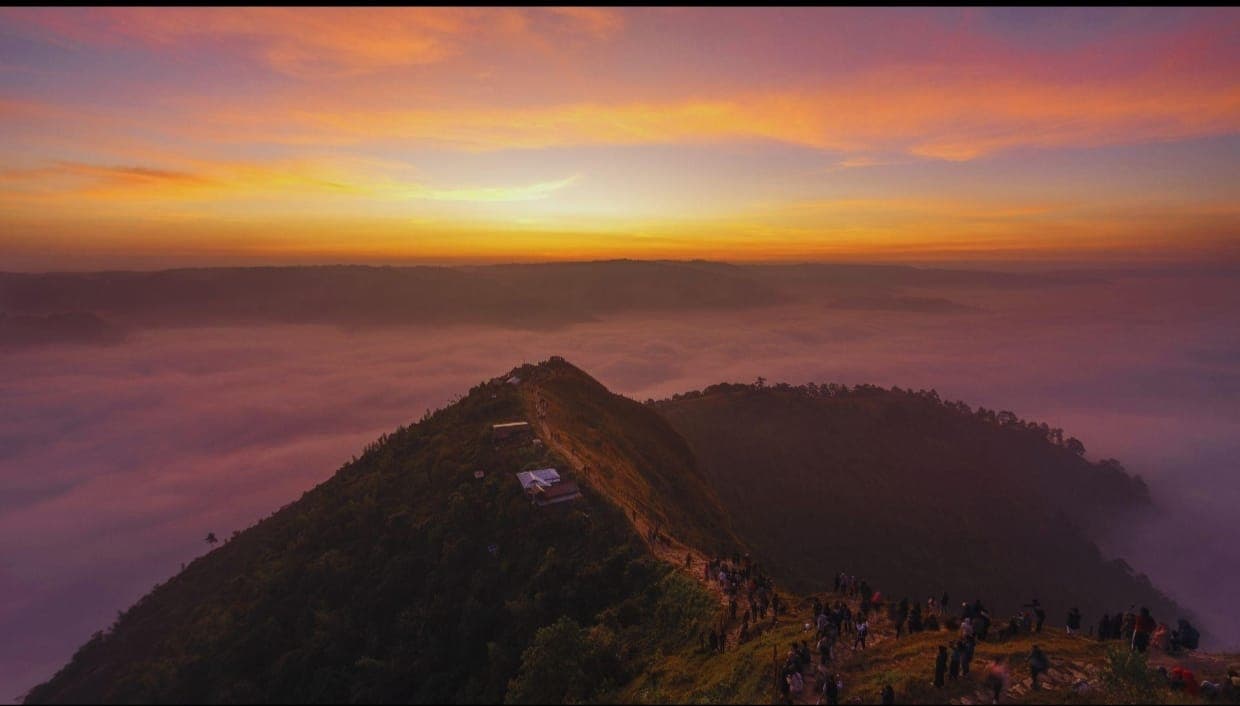
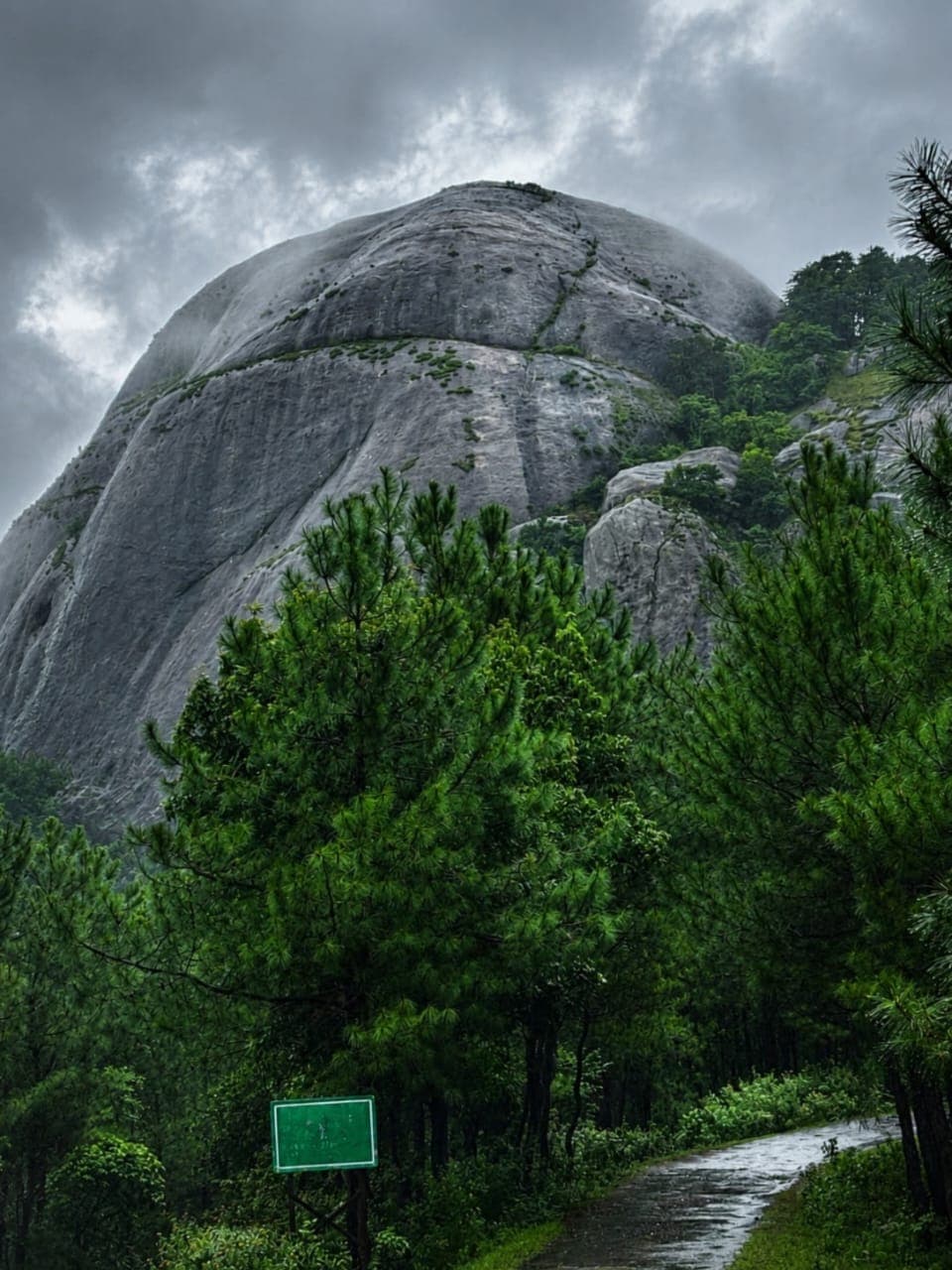
A traveller may arrive expecting dramatic waterfalls and green hills. Those landscapes are certainly part of the attraction, but Meghalaya becomes more interesting when you give yourself time to notice the smaller things — the villages along the road, the changing weather, the food, the conversations, the walks and the people who live in these landscapes every day.
This is one reason we believe that an offbeat Meghalaya journey should not be built entirely around ticking off attractions.
A good itinerary leaves room for the place itself.
You may remember the waterfall.
But you may also remember the tea you had afterwards.
The road you almost skipped.
The local guide who told you something you did not know.
Or the quiet evening at your homestay when there was nowhere else you needed to be.
Those moments rarely appear in a standard list of “top places to visit”.
Yet they often become the memories that last.
The Northeast is bigger than one itinerary
One of the beautiful things about Northeast India is that you cannot really finish it in one trip.
Even within Meghalaya, different journeys can feel completely different.
A first-time visitor might choose the familiar Shillong–Cherrapunji route.
Another traveller may want to go deeper into rural Meghalaya.
Someone else may be interested in caves and underground landscapes.
Another may prefer villages, local food and quiet stays.
And someone travelling with family may simply want beautiful scenery without spending every day on long drives.
There is no single correct way to experience the state.
The same applies to Assam.
A traveller interested in wildlife may build a journey around Kaziranga. Someone interested in culture and river landscapes may prefer a different route.
If you are planning a wildlife-focused Assam trip, you can explore our Kaziranga travel experience and then shape the rest of the journey around your available time.
For travellers interested in a quieter side of Assam, places such as Dima Hasao can offer a completely different atmosphere from the better-known tourist routes. Our Dima Hasao Hidden Hills Escape is designed around that slower, less hurried style of travel.
The point is not that one route is better than another.
The point is that your route should make sense for you.
Why fewer destinations can sometimes mean more travel
This sounds contradictory at first.
If you visit fewer places, how can you experience more?
Because travel is not measured only by the number of destinations.
Imagine a seven-day Meghalaya itinerary with a new hotel almost every night.
You wake up.
Pack your bags.
Check out.
Drive.
Stop at a viewpoint.
Continue.
Check in somewhere else.
Repeat.
At the end of the trip, you may have seen many places.
But you may not remember much about any one of them.
Now imagine spending two nights in one location.
You wake up without immediately worrying about checkout.
You have breakfast slowly.
You explore nearby places.
You return in the afternoon.
You have time to speak with the host.
Maybe you take a short walk before dinner.
The number of destinations is smaller.
But your connection with the place can be greater.
That is what we mean when we talk about travelling unhurriedly.
Slow travel is about rhythm
Slow travel does not mean travelling slowly everywhere.
It means finding the right rhythm for the journey.
Some days may be long driving days because a particular destination is worth reaching.
Other days may be intentionally light.
You might spend a morning exploring a village and leave the afternoon open.
You might stay somewhere simply because the location is beautiful.
You might choose a comfortable hotel rather than moving every night just to save a little travel time.
For us, this is particularly important when designing customized Northeast India journeys.
A couple travelling for a quiet holiday should not necessarily have the same itinerary as a group of friends looking for adventure.
A family with children may need a different pace.
Senior travellers may appreciate shorter walking routes and more comfortable travel days.
A solo traveller may want greater flexibility and local support.
The destination may be the same.
The journey should not have to be.
Look beyond the famous route
There is nothing wrong with visiting popular destinations.
Some places are popular for a reason.
But if you have already decided that you want a quieter experience, it is worth looking beyond the most photographed locations.
That does not always mean travelling somewhere extremely remote.
Sometimes “offbeat” simply means approaching a familiar region differently.
Instead of trying to visit every attraction around a major tourist town, you could spend more time in one surrounding village.
Instead of adding another viewpoint, you could visit a local market.
Instead of another hotel change, you could stay an additional night.
Instead of rushing to the next attraction, you could take a short local walk.
This is where customized travel becomes useful.
A fixed itinerary has to work for many different people.
A customized journey can be built around one particular traveller.
Local knowledge changes the way you travel
There are things that cannot always be understood from a travel blog.
A map can tell you where a road goes.
It cannot always tell you what the road feels like.
A search engine can tell you the name of a village.
It cannot introduce you to the person who lives there.
A photograph can show you a landscape.
It cannot explain its local stories.
This is why local drivers, guides and hosts matter so much in Northeast India.
Someone who knows the area can help you understand the journey, not just complete it.
On certain offbeat trails, having a local guide can also make the experience smoother and more comfortable.
At NEexplore NOW, we particularly value this local connection when arranging customized journeys through Meghalaya and other parts of Northeast India.
The idea is not to make every trip feel heavily guided.
It is to have the right local support when it adds genuine value.
Leave some space in the itinerary
One of the hardest things for travellers to accept is an empty afternoon.
We are so used to planning every hour that an open block of time can feel like something has been missed.
But travel needs breathing space.
Maybe the weather changes.
Maybe you discover a small café.
Maybe your driver recommends a local stop.
Maybe you simply want to stay longer at a place than you expected.
If every minute has already been scheduled, you cannot easily say yes.
That is why we believe a good itinerary should have some flexibility.
Not everything needs to be planned down to the minute.
Some of the best travel memories are the ones you did not schedule.
Planning your Northeast India trip differently
Before booking your trip, try answering five questions:
1. What do I actually want from this journey? Is it nature? Adventure? Comfort? Culture? Food? Photography? Quiet? Family time? 2. How much driving am I comfortable with? This is especially important in mountain regions where distances can take longer than they appear on a map. 3. Do I want to see many places or experience a few places properly? There is no wrong answer. But knowing your preference makes planning much easier. 4. What type of accommodation suits me? A resort, boutique hotel, comfortable budget property, homestay or a combination? 5. How much flexibility do I want? Some travellers like every detail confirmed. Others prefer having a basic structure with room to change plans.
Once these questions are clear, the itinerary starts becoming much more personal.
The Northeast does not need to be rushed
Perhaps the biggest misconception about travelling through Northeast India is that you need to cover a huge amount of ground to make the trip worthwhile.
You don't.
You can have a meaningful journey without collecting dozens of destinations.
You can spend more time in one place.
You can take the longer road.
You can talk to people.
You can eat locally.
You can stay somewhere small.
You can wake up without immediately checking the day's schedule.
And you can leave with the feeling that you actually experienced a part of Northeast India rather than simply passing through it.
That is the kind of travel we want The Northeast Edit to explore.
Not just where to go.
But how to travel when you get there.
Continue the Northeast Edit
If you are starting to plan your own journey, explore our Meghalaya experiences for ideas on travelling through the hills at a more comfortable pace.
For travellers looking beyond the usual Meghalaya circuit, our Dima Hasao Hidden Hills Escape explores a quieter side of Assam.
You can also explore our Northeast India tour packages and use them as a starting point before customizing the journey around your own travel style.
Because the best itinerary is not necessarily the one with the most destinations.
It is the one that feels right when you are actually living it.
The Northeast is not a checklist.
Take your time. Look around. Let the journey become part of the destination.
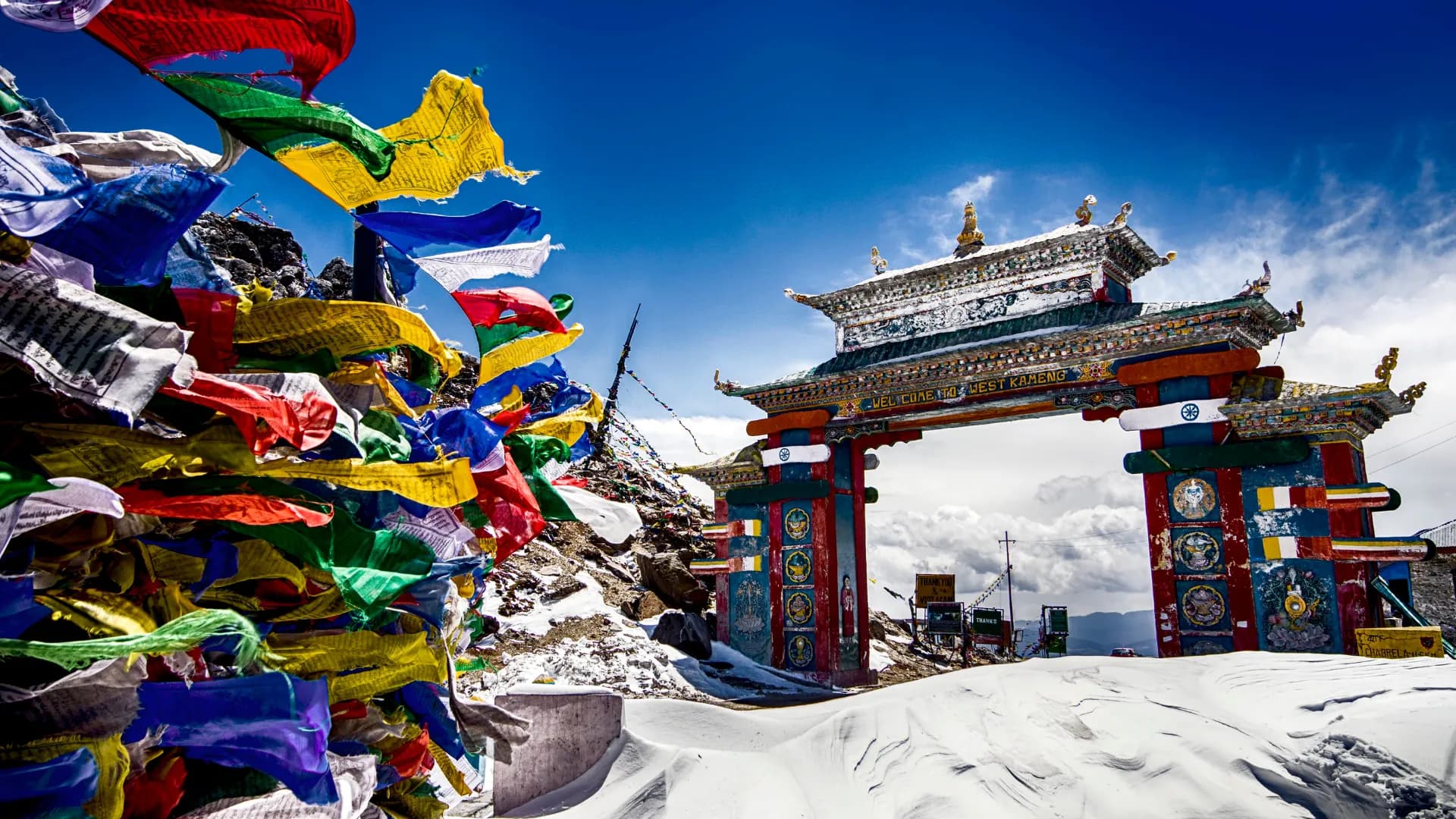
Slow Travel Does Not Mean Doing Nothing
The phrase slow travel sounds beautiful.
But it can also be misunderstood.
Some people hear “slow travel” and imagine sitting in a resort all day, skipping places and doing very little.
That is not what we mean.
Slow travel is not about doing less simply for the sake of doing less.
It is about giving yourself enough time to actually experience what you came to see.
And in Northeast India, that distinction matters.
The region has a way of making you slow down naturally. Roads wind through the hills. Weather changes without much warning. A village appears around a bend. A conversation takes longer than expected. A local meal becomes an unplanned stop.
You cannot always rush through these moments.
And perhaps you should not try.
Travel should not feel like a race
There is a strange habit in modern travel.
We take a few days off from work, spend months planning the trip, and then spend those few days trying to fit everything into the schedule.
Wake up early. Breakfast. Drive. Viewpoint. Waterfall. Lunch. Another attraction. Check-in. Dinner. Sleep. Repeat.
By the end of the holiday, you may need another holiday.
Of course, there are travellers who genuinely enjoy this style. If you love a packed itinerary, there is nothing wrong with that.
But if what you are looking for is a quieter experience, Northeast India gives you plenty of reasons to slow the pace down.
A journey through Meghalaya, for example, does not have to be only about reaching the next attraction.
Sometimes the road between two destinations deserves your attention too.
Sometimes you can stop. Sometimes you can stay. Sometimes you can simply look.
Meghalaya is a good place to understand slow travel
Meghalaya is often introduced through its most recognisable attractions — waterfalls, caves, living root bridges, viewpoints and beautiful mountain landscapes.
All of these are worth experiencing.
But there is another Meghalaya beyond the standard sightseeing list.
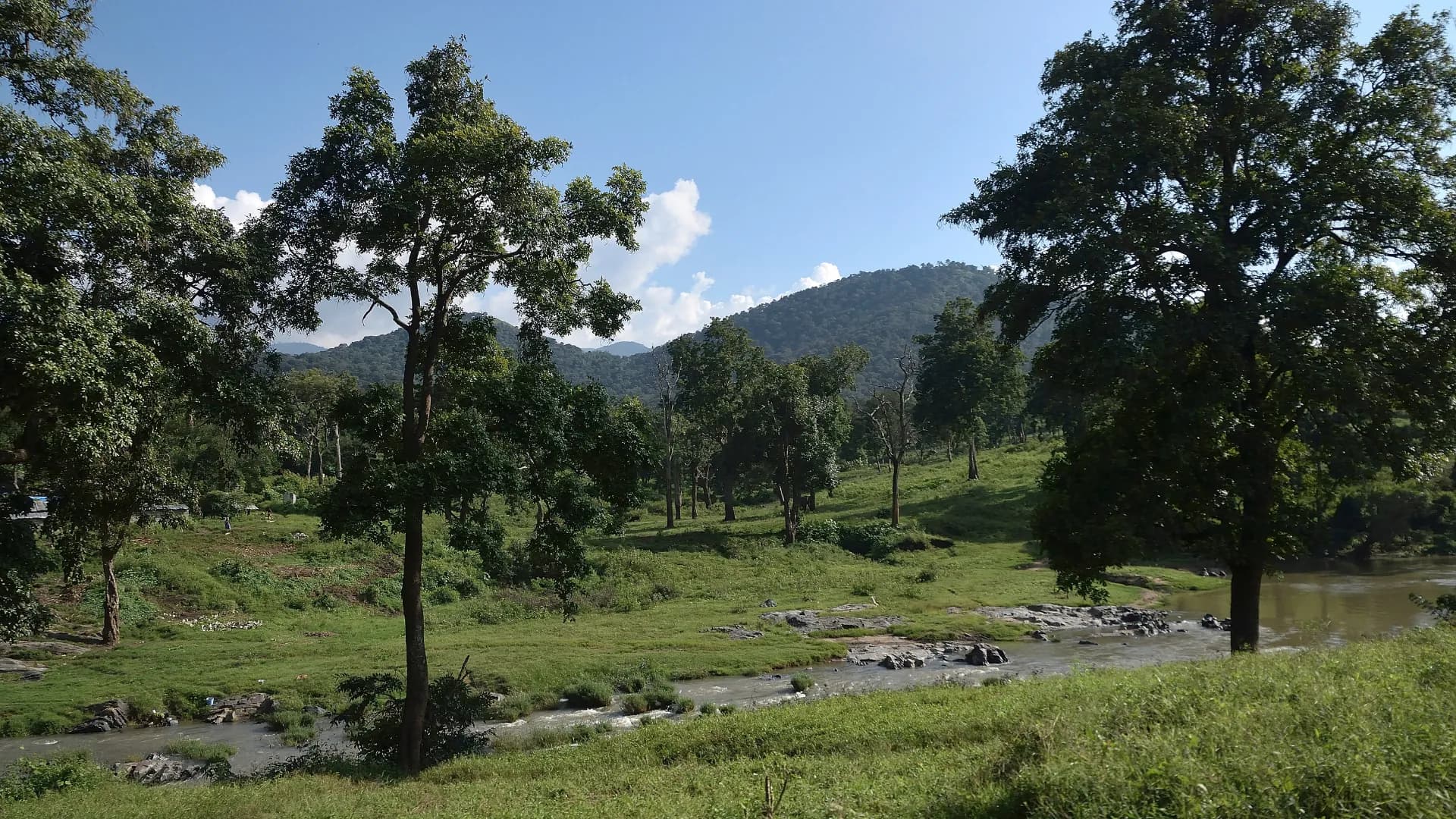
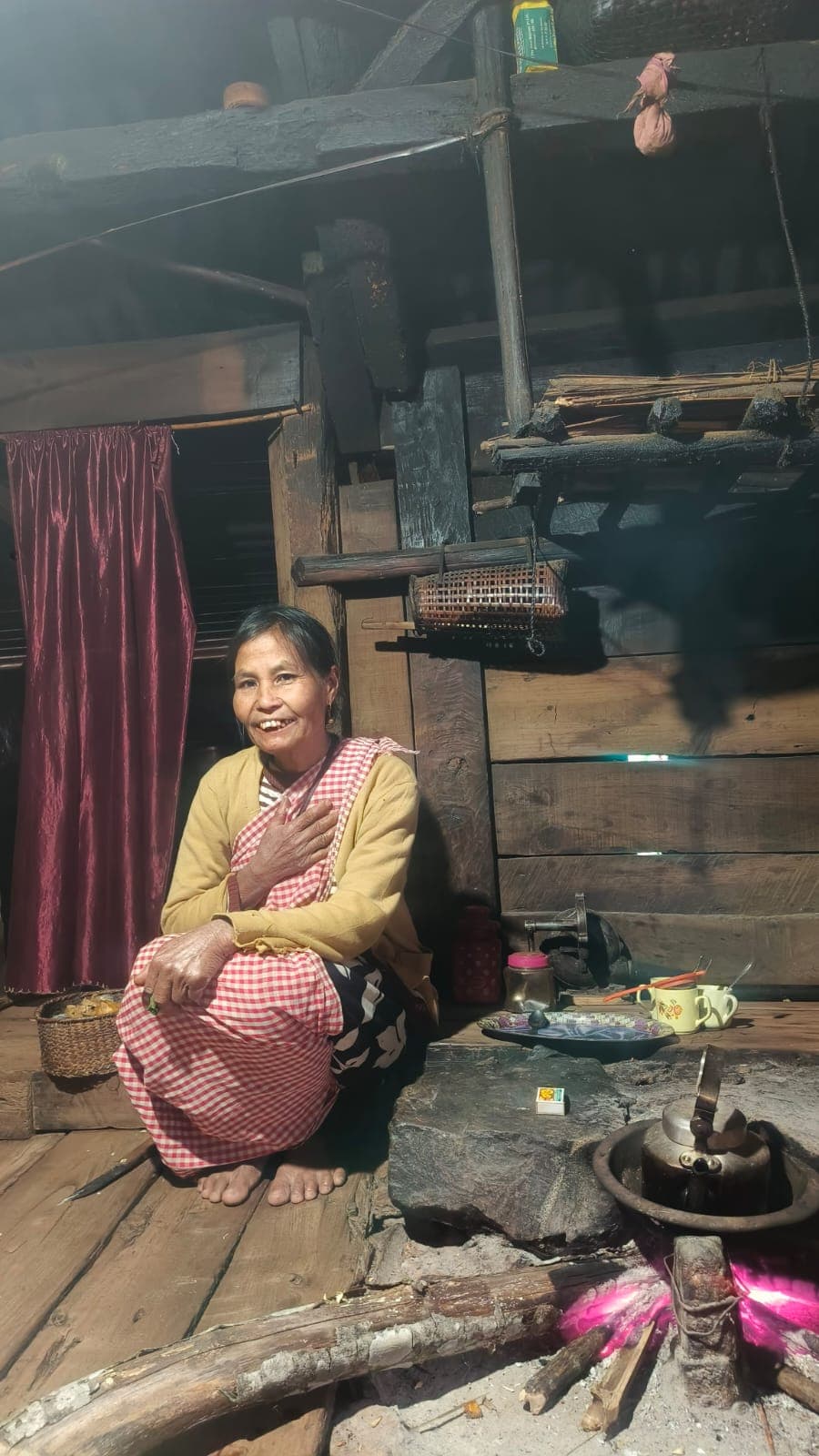
It exists in the villages. In the small roads. In local kitchens. In quiet homestays. In conversations with people who have lived around these landscapes all their lives.
And in places where the experience cannot be reduced to a 20-minute photo stop.
For travellers interested in going beyond the usual circuit, our Meghalaya travel experiences can be a useful starting point for understanding the different ways a journey can be planned.
The idea is not to avoid the well-known places.
It is to give yourself the option of experiencing something more.
Sometimes the best part is the time between destinations
One thing we have noticed about travelling through Northeast India is that the road itself often becomes part of the memory.
You may start the morning with a destination in mind.
Then the weather changes. The clouds move lower. The road becomes quieter. You see a small settlement. Someone is selling tea beside the road.
You stop for ten minutes.
Those ten minutes were never in the itinerary.
But months later, you may remember them more clearly than the attraction you had carefully planned.
This is why we do not think every minute of a journey needs to be controlled.
A little flexibility allows the destination to surprise you.
Staying longer can change the experience
There is also something to be said for staying two nights instead of one.
One night often feels like an introduction.
You arrive late. Check in. Have dinner. Sleep. The next morning, you leave.
You technically visited the place. But did you experience it?
With two nights, the rhythm changes.
You wake up without immediately packing your bags. You have breakfast. You explore nearby places. You return without worrying about another long transfer.
You may have time to sit with your host. You may discover a local restaurant. You may simply enjoy the surroundings.
That extra night can sometimes be more valuable than adding another destination.
This is particularly useful when planning customized Northeast India journeys, because the itinerary can be shaped around how you actually want to travel rather than simply following a fixed sequence.
Ready to Experience the Hidden Side of Meghalaya & Northeast India?
Turn your travel dreams into reality with NEexplore NOW. Explore Meghalaya's hidden waterfalls, offbeat trails, ancient caves, and authentic local experiences through carefully crafted tour packages across Northeast India.
Offbeat does not always mean extremely remote
The word offbeat is used a lot in travel marketing.
Sometimes it means genuinely remote.
Sometimes it simply means somewhere that is not part of the usual tourist route.
We prefer the second idea.
An offbeat experience does not necessarily require hours of difficult driving.
It can be as simple as spending more time in a village rather than moving through it quickly.
It can mean choosing a lesser-known trail.
It can mean staying somewhere locally managed.
It can mean asking your driver or guide about a place that is not on your original plan.
It can even mean seeing a familiar destination at a quieter time of day.
That is why we do not believe that every traveller needs the same definition of “offbeat”.
The value of a local guide
There are moments when having someone local beside you changes the experience completely.
A guide may point out a plant that you would otherwise walk past.
They may explain why a particular place matters to the local community.
They may help you communicate.
They may know the practical details of a trail.
And sometimes, they simply know when to stop.
For certain experiences in Meghalaya, especially trails and lesser-known village areas, local knowledge can be extremely useful.
It is one of the reasons we prefer working with local people rather than treating every journey as a simple vehicle-and-hotel arrangement.
A journey can be technically organised without local connection.
But a good journey often feels different when there are people behind it who understand the place.
Food is part of slow travel too
Food is another reason not to rush.
A destination is not fully experienced through its landscape alone.
What people eat, how they cook and where they gather around food can tell you a surprising amount about a place.
In Northeast India, food traditions vary considerably between communities and regions.
Instead of treating meals as something that simply happens between sightseeing stops, try giving them a little attention.
Ask what is local. Try something you have not eaten before. Talk to the person preparing it.
If you are staying at a homestay, ask what the family normally eats.
Sometimes the most memorable meal of a trip is not served in a restaurant at all.
Slow travel can also be more comfortable
There is a practical side to travelling slowly.
Fewer hotel changes mean less packing.
Less rushing between attractions means less stress.
Realistic driving days mean more time to rest.
A well-planned route can make a trip feel much easier, even if the total number of destinations is smaller.
This becomes particularly important for families and older travellers.
A beautiful itinerary is not useful if everyone is exhausted by the third day.
Comfort should not be treated as something separate from the travel experience.
It is part of it.
Give yourself an unplanned afternoon
Here is a simple idea that can improve almost any itinerary:
Leave one afternoon open.
Do not fill it with three attractions.
Do not decide exactly where you need to be every hour.
Just leave some space.
Maybe you will use it to rest. Maybe you will walk around. Maybe your guide recommends something unexpected. Maybe the weather will make you change plans.
Or maybe you will do absolutely nothing for a couple of hours.
That is okay too.
A holiday does not need to be productive.
You are allowed to simply be there.
What slow travel looks like in a real Northeast India itinerary
Imagine a couple travelling through Meghalaya.
Instead of changing hotels every night, they choose a few carefully selected bases.
They spend enough time around each area.
One day is dedicated to a longer excursion. The next morning is slower.
A local guide joins for a particular trail. The afternoon remains flexible.
They stay at a property where they can experience the surroundings rather than simply using the room as a place to sleep.
The trip may contain fewer attractions than a conventional package.
But the travellers return with more stories.
That is the difference.
Slow travel is not measured by how little you do.
It is measured by how present you are while doing it.
You do not have to see everything
This may be the hardest lesson for a first-time traveller.
You will not see everything.
And that is perfectly fine.
Northeast India will still be here.
There will always be another village. Another road. Another valley. Another trail. Another local dish. Another season. Another reason to return.
Trying to finish everything in one trip can turn travel into an achievement.
Leaving something for next time keeps it a journey.
A different way to plan your next trip
Before you start building your itinerary, decide what you want the trip to feel like.
Do you want it to feel adventurous? Peaceful? Comfortable? Romantic? Cultural? Nature-focused? Family-friendly? Or simply different from your usual holidays?
Once you know that, destinations become easier to choose.
Instead of starting with: “What are the top 20 places in Meghalaya?”
Start with: “What kind of experience do I want to have in Meghalaya?”
The answer will naturally lead you towards the right places.
And if you are still unsure, that is where a customized travel plan can help.
At NEexplore NOW, we build journeys around the traveller's interests, pace, accommodation preferences and available time, rather than expecting every traveller to fit into the same itinerary.
Explore a Different Side of Northeast India
If Meghalaya is your starting point, take a look at our Meghalaya travel experiences and explore how a trip can be shaped around different travel styles.
For something further away from the usual routes, our Dima Hasao Hidden Hills Escape explores a quieter landscape of Assam.
If you are considering a broader Northeast India journey, our Northeast India tour packages can be used as a starting point and then customized according to your requirements.
The important thing is not to copy someone else's itinerary.
Build one that makes sense for you.
The Northeast Edit
Slow travel is ultimately quite simple.
Stay a little longer. Look a little closer. Talk to someone local. Leave some space. Do not worry about seeing everything.
And remember that a journey is not only about where you arrive.
It is also about everything that happens along the way.
Northeast India does not ask you to hurry.
Perhaps your next journey should not either.

The Journey Between Places Matters
There is a habit in travel planning that is easy to understand.
We look at a map. We find two destinations. We check the distance. Then we assume we know how long the journey will take.
But Northeast India has a way of making you rethink that calculation.
Here, the road between two places can be as important as the places themselves.
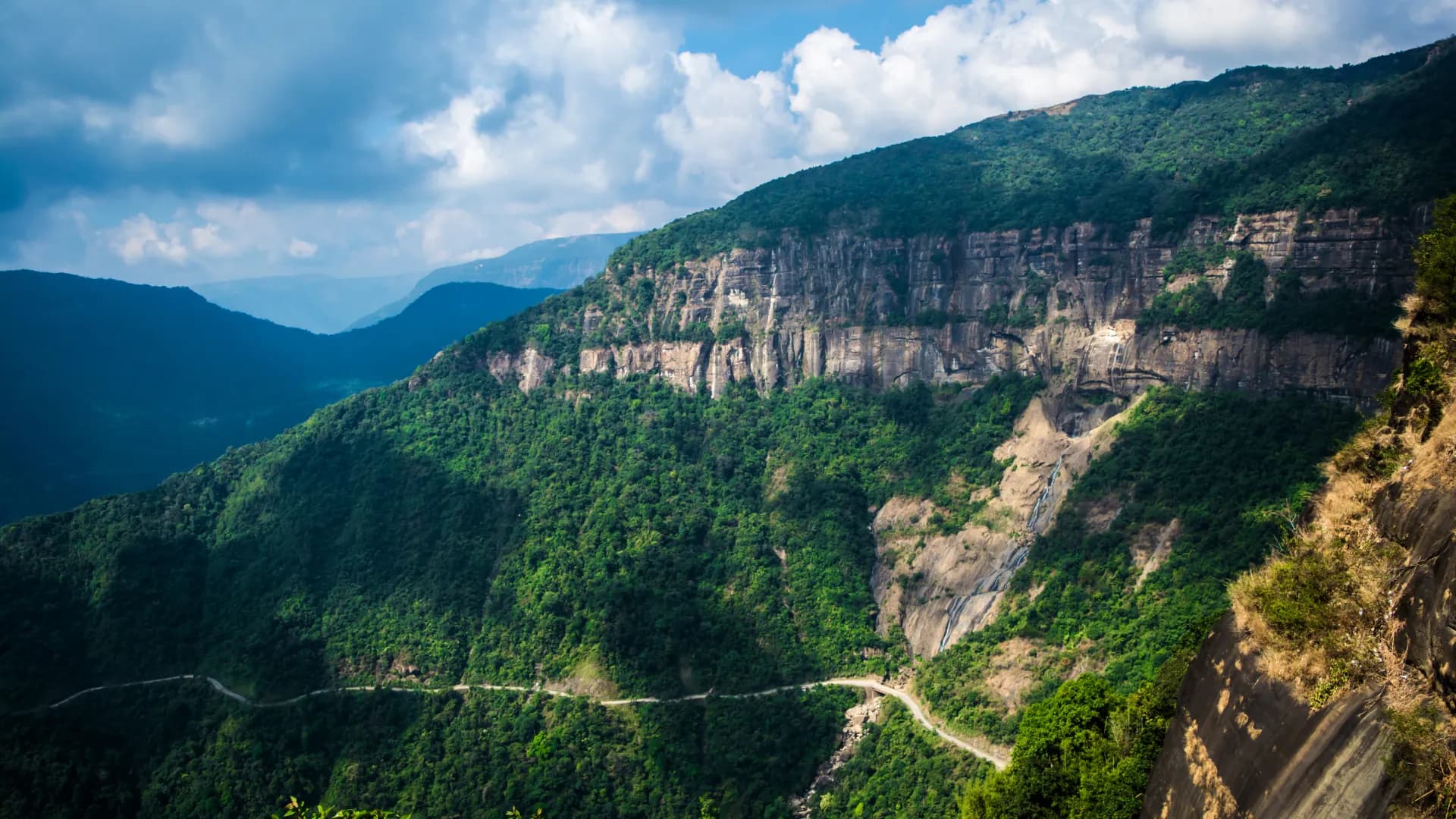
A journey through the hills is rarely just about getting from Point A to Point B. The road may take you through forests, villages, valleys and winding mountain stretches. The weather may change halfway through the journey. You may stop for tea without planning to. You may find yourself looking out of the window for half an hour without saying much.
And sometimes, that is the travel experience.
This is why we believe that when planning a Northeast India trip, the journey itself deserves space in the itinerary.
A map does not tell you everything
Open Google Maps and a mountain route can look surprisingly simple.
Perhaps it says three hours.
You look at the distance and think: “That should be easy.”
But anyone who has spent time travelling through the hills knows that the actual journey can feel very different.
Mountain roads are not highways. There can be bends. There can be steep sections. There can be roadwork. There can be traffic around towns. There can be rain. There can be fog. There can be stops that you did not plan.
And sometimes, there can simply be a road where everyone in the vehicle wants to slow down and look at the view.
That is why we prefer to think about travel time rather than just travel distance.
A 100-kilometre journey in the hills should not always be treated like a 100-kilometre journey on a flat highway.
This sounds like a small planning detail. In reality, it can completely change how comfortable a trip feels.
The road can become part of the destination
Some of the most memorable moments from a Northeast India journey happen between destinations.
You leave your hotel in the morning with a clear plan.
Then the landscape starts changing. The town becomes quieter. The road begins climbing. The houses become less frequent. The hills become larger. Clouds move across the road. You pass a village. Then another.
Perhaps there is a small roadside shop selling tea.
You stop. Nobody is in a hurry. You have a cup of tea. You continue.
Nothing dramatic happened.
Yet that small stop becomes part of the story you tell later.
This is one of the reasons road travel through Northeast India can be so rewarding.
The destination is important. But the road gives the destination context.
Meghalaya teaches you to appreciate the road
Meghalaya is often marketed through its waterfalls, caves, viewpoints and green landscapes.
And yes, these are important parts of the experience.
But the state is also about the journey between them.
The roads can take you through forests and villages that never appear in a typical “top places to visit” list.
A route towards a lesser-known village can sometimes be more memorable than another crowded viewpoint.
A slow drive through the hills can give you a better sense of the landscape than jumping from attraction to attraction.
For travellers looking to experience this side of the state, our Meghalaya travel experiences can be used as a starting point for planning a journey around different interests and travel styles.
The idea is not to avoid the famous places.
It is to make sure they are not the only things you see.
The driver is part of the journey
When people book a vehicle for a Northeast India trip, they often think mainly about the vehicle.
Which car? How many seats? Is it comfortable? Does it have air conditioning?
All of these questions matter.
But on a long mountain journey, the person behind the wheel matters too.
A local or experienced driver understands the road differently.
They know where a difficult stretch begins. They know when a particular route needs extra time. They know where it may be sensible to stop. They understand that weather can change quickly.
And perhaps most importantly, they know that safe driving matters more than reaching a destination twenty minutes earlier.
A good driver does not simply transport you. They become part of the rhythm of the journey.
Sometimes they will suggest a roadside stop. Sometimes they will tell you about a village you are passing. Sometimes they will simply drive quietly while you enjoy the landscape.
That is also part of local travel.
Why rushing on mountain roads rarely makes sense
There is always a temptation to save time.
Perhaps the itinerary is already packed. Maybe there is another attraction waiting. Maybe dinner is booked at a particular time. Maybe the next hotel is several hours away.
But mountain travel requires patience.
A realistic itinerary gives the driver enough time to travel safely and gives the traveller enough time to enjoy the journey without constantly checking the clock.
This is especially important during periods of heavy rain.
A road that is perfectly manageable in dry weather can feel very different after several hours of rainfall.
Visibility can change. Road conditions can change. A planned stop may no longer be practical.
This is why a Northeast India itinerary should have some flexibility built into it.
Not because the trip will necessarily go wrong. Because responsible travel means allowing for the reality of the region.
Weather is part of the journey
Northeast India is famous for its rain. And for good reason.
The rain is one of the things that gives Meghalaya its extraordinary landscapes.
But travellers also need to understand that weather is not simply a beautiful backdrop.
It can affect roads, walking trails, waterfalls, visibility and travel time.
A flexible itinerary is therefore useful.
If one outdoor activity cannot be done because of weather, there should ideally be another way to spend the day.
This is one advantage of customized travel. The itinerary does not have to collapse because one particular attraction is unavailable.
You can slow down. Change the order. Choose another experience. Or simply enjoy the place where you are staying.
Sometimes flexibility is more valuable than having a perfect schedule.
Do not underestimate the distance between destinations
One of the easiest mistakes for a first-time visitor is to add destinations because they look close together on a map.
For example: “This place is only 80 kilometres away.”
That sounds easy.
But if the route involves winding roads, mountain terrain and multiple stops, the journey may take much longer than expected.
This matters even more when planning a multi-destination itinerary.
A traveller might want to combine several parts of Meghalaya in a single trip. It may be possible. But the better question is whether it will be comfortable.
Would you rather spend five hours driving just to tick off another destination?
Or spend those five hours enjoying a slower route and arriving with enough energy to experience the place?
There is no universal answer. But it is worth asking the question before finalising the itinerary.
Sometimes the best stop is not on the itinerary
This is one of the reasons we like leaving space in a journey.
A driver may notice a viewpoint. A guide may suggest a small village. You may see a roadside landscape that looks completely different from the photographs you researched before the trip.
You stop. You take a few photographs. Perhaps you have tea. Then you continue.
There was no booking. No ticket. No carefully designed activity.
But it becomes one of the memories of the trip.
Travel is full of these small moments. If every minute is scheduled, there is no room for them.
Road journeys and the people you meet
The road also connects you with people.
You pass through communities that have existed around those landscapes long before tourism arrived.
You see people working in fields. Children walking home from school. Small shops opening in the morning. Local markets becoming busy.
These are ordinary scenes for the people who live there.
For a traveller, they can offer a glimpse into everyday life.
This is another reason we believe travel should be approached with respect.
A village is not a photo prop. A local community is not an attraction.
If you are travelling through rural areas, take photographs thoughtfully, respect privacy and remember that you are passing through someone's home.
That mindset can make a journey feel more meaningful.
The value of a local guide becomes clearer on the road
A local guide can add another layer to the journey.
Instead of simply saying, “This is a village,” they may explain something about the people who live there.
Instead of passing a landscape without context, you may learn why it looks the way it does.
Instead of seeing a trail as simply a route from one point to another, you may understand its local significance.
This does not mean every kilometre needs a guide.
It means that the right local knowledge at the right moment can change the way you see a place.
For certain offbeat experiences, this can be particularly valuable.
A road trip should have breathing space
When we talk about customized travel at NEexplore NOW, one of the things we consider is not only where the traveller wants to go, but how the traveller wants to feel during the journey.
Some travellers are happy with long drives. Others prefer shorter travel days. Some want to stop frequently for photographs. Others would rather arrive early and spend the evening relaxing.
Some travellers want adventure. Others want comfort.
There is no universal answer.
That is why a good itinerary should be built around the traveller rather than forcing the traveller to fit the itinerary.
You can explore our customized Northeast India tour options to get an idea of the different styles of journeys that can be planned across the region.
When the road becomes the memory
Ask someone about a memorable trip and they may not always mention the biggest attraction.
They may tell you about the road. The morning mist. The driver who knew exactly where to stop for tea. The sudden rain. The mountain disappearing into clouds. The village they passed through. The conversation that started because they were sitting in a car for several hours.
These things are difficult to plan. But they are often what makes travel feel real.
That is why we do not see transportation as simply a logistical part of a trip. It is part of the experience.
This is especially true beyond the usual routes
Once you move beyond the most familiar tourist circuits, the relationship between road and destination becomes even more important.
Places such as Dima Hasao offer a very different landscape from the more frequently visited areas of Assam.
The journey itself becomes part of understanding the region.
If you are interested in exploring this side of Assam, take a look at our Dima Hasao Hidden Hills Escape.
The same principle applies when travelling through the more remote corners of Meghalaya or planning longer journeys in Arunachal Pradesh.
The farther you go, the more important realistic travel planning becomes.
Plan the journey, not just the destination
When planning your next Northeast India trip, do not only write down the places you want to visit.
Also ask:
- How long will we actually spend on the road? - Will we have enough time to enjoy each place? - Is the driving day comfortable? - What happens if the weather changes? - Where can we stop along the way? - Would an extra night make the trip easier?
These questions may not look exciting when you are first planning a holiday. But they can make a huge difference once the journey begins.
A beautiful itinerary should also be a practical one.
The road is not wasted time
Perhaps this is the main idea of this part of The Northeast Edit.
The hours spent travelling between destinations are not necessarily hours lost.
They can be part of the story.
Look outside the window. Notice how the landscape changes. Talk to your driver. Ask your guide a question. Stop for tea. Take a photograph if it feels right. Or simply sit quietly and watch the hills pass by.
You do not always need something to happen.
Sometimes travelling is the thing that is happening.
And in Northeast India, the road has a lot to say.
Continue Exploring
If you are planning a Meghalaya journey, start with our Meghalaya travel experiences and build the route around your preferred pace.
For travellers who want to explore a less familiar side of Assam, our Dima Hasao Hidden Hills Escape offers a different kind of road journey.
And if you are still deciding where to go, our Northeast India tour packages can give you a starting point before creating a more personalized itinerary.
Because sometimes the most memorable part of a Northeast India trip is not where the road ends.
It is everything you notice before you get there.
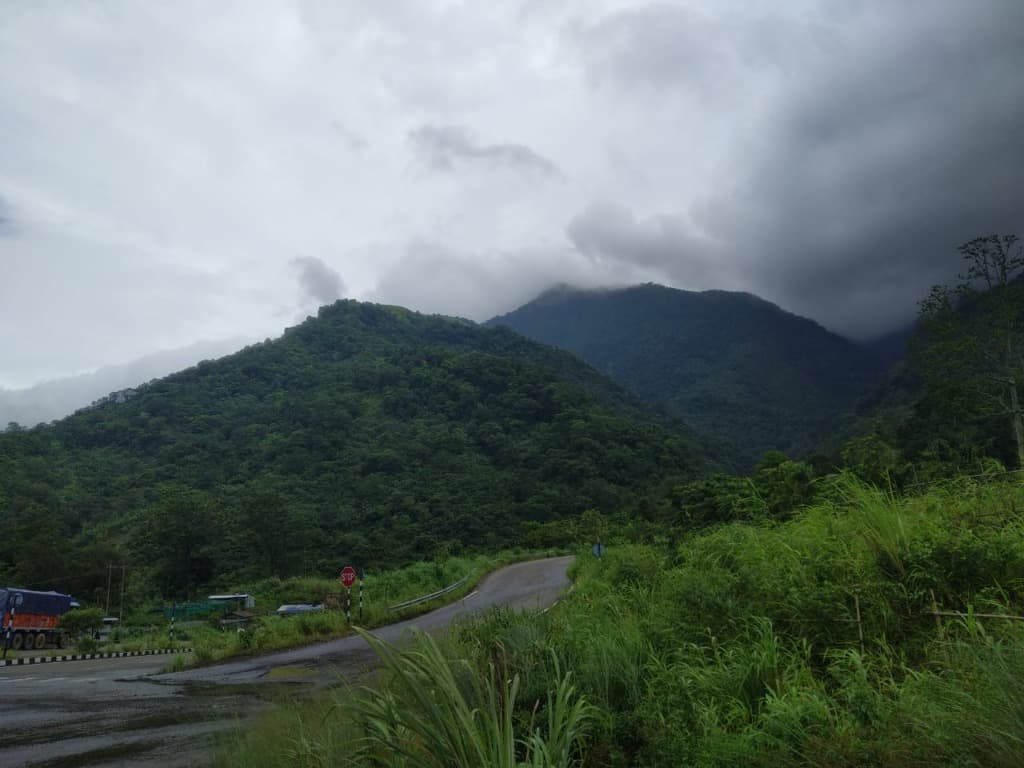
The People Behind the Journey
When we think about a place we have travelled to, we usually remember the landscape first.
The mountains. The rivers. The waterfalls. The forests. The roads.
But after some time, another kind of memory starts becoming clearer.
The person who showed you the way. The driver who waited while you explored. The guide who told you something you would never have found online. The family who prepared breakfast at a homestay. The person who suggested a small local restaurant. The shopkeeper who served you tea on a rainy afternoon.
These people rarely appear in the itinerary.
Yet they are often part of what makes a journey feel personal.
This is especially true in Northeast India.
The region is not simply a collection of landscapes. It is home to many communities, traditions and ways of life. And when you travel beyond the most familiar tourist routes, the people you meet can become just as important as the places you visit.
A destination is made by people too
It is easy to think of travel as a simple equation:
Place + Hotel + Vehicle + Sightseeing = Trip
But that does not really describe what happens once you are there.
Travel is also about interaction.
Someone opens the door of your homestay. Someone prepares your meal. Someone drives you through unfamiliar roads. Someone explains a local custom. Someone tells you that the trail you planned to take is not suitable today because of the weather. Someone recommends a place that was never on your original itinerary.
These small interactions make a destination feel less like a tourist product and more like a real place.
That is one of the reasons we believe local connections matter so much when travelling through Northeast India.
Why a local guide can change a trail
You can walk through a beautiful landscape without knowing anything about it.
You see the trees. You see the rocks. You see the valley. You take photographs. Then you leave.
But imagine having someone beside you who knows the area.
They might tell you how the community uses the land. They might point out something unusual along the trail. They might explain a local story. They may know which part of the route is easier after rain. They may also know when it is better to slow down.
Suddenly, the same trail becomes a different experience.
This is particularly relevant for travellers exploring Meghalaya's lesser-known trails and village areas.
For experiences where local knowledge is important, we prefer arranging local support rather than expecting travellers to navigate everything alone.
It is not about adding a guide simply because a package says “guide included”.
It is about having the right person when their knowledge genuinely improves the journey.
Local guides are not walking encyclopaedias
There is another misconception worth mentioning.
A guide does not need to have an answer to every question.
A good local guide is not there to give a continuous lecture throughout the day.
Sometimes their greatest value is practical.
They know the route. They understand the local surroundings. They know where you should be careful. They can communicate with people locally. They can help you understand small cultural details.
And sometimes they simply make you feel more comfortable in an unfamiliar place.
That kind of support can be especially useful when travelling somewhere you have never been before.
The driver is more than the person behind the wheel
Long road journeys are part of travelling through Northeast India.
And when you spend several hours in a vehicle, the driver naturally becomes part of the journey.
A good driver knows that a mountain road is not a race.
They understand that weather and road conditions can change. They know when it is sensible to slow down. They may know a practical place to stop. They may recognise when passengers need a break.
And if they have been travelling through the region for years, they often have their own understanding of the roads that cannot easily be found on a map.
For travellers, this creates a sense of comfort.
You can sit back. Look outside. Ask questions. Enjoy the landscape. And let someone experienced handle the road.
That is especially important on longer journeys through Meghalaya, Assam and Arunachal Pradesh.
If you are considering a broader Northeast India itinerary, our customized Northeast India journeys can be adapted around the amount of driving and comfort you prefer.
The people who run homestays
There is something different about staying in a homestay.
A hotel is designed primarily to provide accommodation.
A homestay can sometimes give you a glimpse into everyday life.
You may eat food prepared by the family. You may have breakfast at a different time from what you are used to. You may sit outside in the evening. You may have a conversation with the host.
You may learn that the landscape outside your window is not simply “scenery” to the people who live there. It is home.
That difference matters.
For travellers interested in experiencing Meghalaya beyond conventional hotels, locally managed stays can add a completely different layer to the journey.
Our Meghalaya travel experiences can be customized to include different accommodation styles depending on your comfort level and the kind of journey you want.
Local food is part of the connection
Food is one of the easiest ways to understand a place.
You do not need to be an expert in regional cuisine. Just be curious.
Ask what is local. Ask what the family normally eats. Try something unfamiliar. Learn where an ingredient comes from.
Sometimes a simple meal tells you more about a place than a long sightseeing tour.
Northeast India has an enormous variety of food traditions, and they differ from one community and region to another.
That diversity is worth experiencing respectfully.
Food should not simply be another item to tick off the itinerary. It can be a conversation.
Travel changes when you stop seeing communities as attractions
This is an important part of responsible travel.
When you visit a village, remember that people live there.
Their homes are not tourist attractions. Their daily lives are not performances. Their traditions should not be treated as something to consume quickly and photograph without thought.
Ask before taking photographs of people. Respect private spaces. Follow local instructions. Avoid unnecessary noise. Do not leave waste behind.
And if a local community has specific rules, follow them.
These are simple things. But they matter.
Good travel is not only about what you receive from a destination. It is also about how you behave while you are there.
The value of local businesses
A traveller's spending can also influence the places they visit.
Choosing a locally owned homestay, eating at local establishments, hiring local guides and using local services can help keep more of the travel economy within the destination.
This does not mean every traveller has to avoid hotels or larger businesses. There is room for both.
The point is simply to recognise that tourism involves many people.
A journey booked through a travel company may involve drivers, guides, hotel teams, restaurant workers, local hosts and activity providers.
The traveller sees one holiday. Many people help make that holiday possible.
A different kind of luxury
Luxury in travel is often associated with expensive rooms, large resorts and premium facilities.
Those things certainly have their place.
But there is another kind of luxury that becomes valuable in Northeast India: time.
Time to have breakfast without rushing. Time to stop when the view is beautiful. Time to talk to your guide. Time to have tea with a local host. Time to stay an extra night. Time to change the plan when the weather changes. Time to enjoy a place without constantly checking the clock.
For some travellers, that is what a premium journey actually means.
Not necessarily more things. Just a better pace.
Local knowledge makes customized travel meaningful
There is a difference between a customized itinerary and simply changing the names of a few destinations.
True customization should consider the traveller.
A couple may want privacy and scenic stays. A family may prioritise comfort and shorter travel days. A group of friends may want more adventure. A solo traveller may want more local interaction. A senior traveller may prefer fewer stairs, shorter walks and more relaxed transfers.
The role of local people becomes even more important here.
The itinerary may say one thing before the journey. Real conditions on the ground may suggest something slightly different.
A local team can help make that adjustment naturally.
This is one of the principles behind how we approach customized travel with NEexplore NOW.
The relationship between traveller and host
Some of the best travel conversations happen without planning.
You ask a host where they are from. They ask where you are visiting from. You talk about the weather. Then food. Then the village. Then perhaps something completely unrelated to travel.
Nothing about the conversation appears in your itinerary. But you remember it.
This is one reason we believe travel should leave room for human interaction.
If every moment is scheduled, there is very little room for these unexpected connections.
A place can stay with you through its people
Years after a trip, you may forget the exact name of a viewpoint. You may forget the route number. You may forget the hotel room.
But you might remember the driver who waited patiently while you finished taking photographs.
You might remember the guide who took you along a trail.
You might remember the family that prepared a meal for you.
You might remember a conversation on a rainy evening.
These are not things that can easily be measured. But they are part of what makes travel memorable.
Travelling responsibly also means travelling respectfully
Northeast India is not a blank space waiting to be discovered.
It is a region with communities, histories, cultures and living traditions.
As travellers, we are visitors. That mindset is important.
Explore with curiosity, but also with humility. Take photographs, but ask when appropriate. Enjoy local food, but respect different traditions. Visit villages, but remember that people live there. Spend money locally where possible. Leave natural places as you found them, or better.
And most importantly, do not assume that everything unfamiliar is there for tourism.
Sometimes the most respectful thing a traveller can do is simply observe.
What we want travellers to take home
At NEexplore NOW, we do not want a traveller's memory of Northeast India to be limited to a list of attractions.
We want the journey to feel more complete.
Maybe they remember a road through the clouds. Maybe a local meal. Maybe a guide's story. Maybe a quiet homestay. Maybe the driver who knew exactly where to stop. Maybe a village they had never heard of before the trip.
These are the details that turn a holiday into a personal experience.
And this is why local people are not simply “part of the service”.
They are part of the journey itself.
Explore Northeast India Through a Local Lens
If you are planning a Meghalaya journey, explore our Meghalaya travel experiences and consider combining comfortable stays with local experiences.
For travellers interested in a quieter side of Assam, our Dima Hasao Hidden Hills Escape offers an opportunity to experience a different landscape and a slower style of travel.
If you are still deciding between destinations, our Northeast India tour packages provide a starting point that can be adapted around your interests, travel dates and preferred pace.
Because a journey is not created by a vehicle and a hotel alone.
It is created by the people you meet along the way.
And sometimes, they are the part of Northeast India you remember longest.
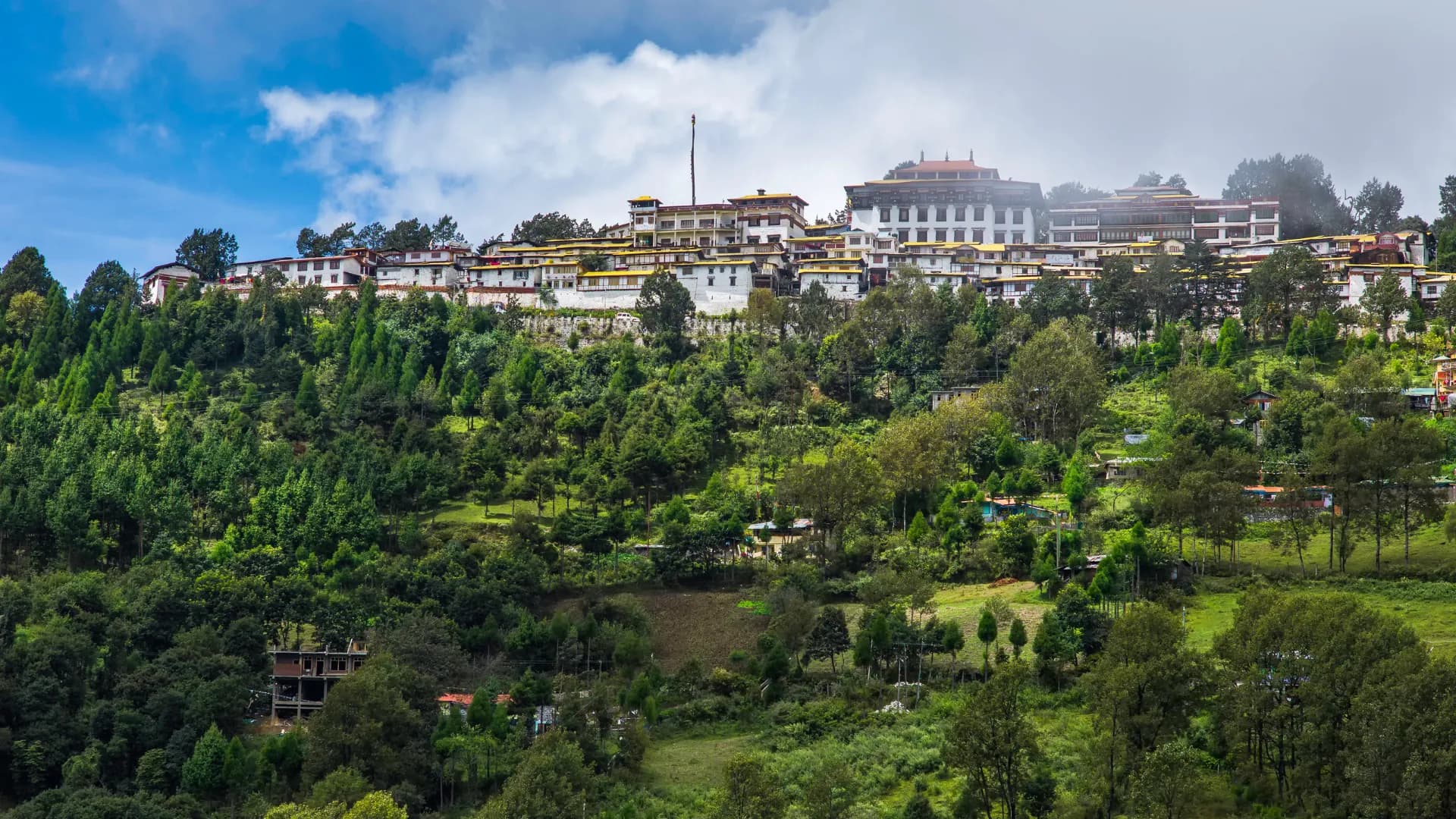
Plan Less, Experience More
There is a point in planning a Northeast India trip when adding one more place stops making the journey better.
It looks good on paper, though.
One more waterfall. One more village. One more viewpoint. One more night in another town. One more destination before the return flight.
By the time everything is added, the itinerary may look impressive. But the actual journey can become a long sequence of checking in, checking out, getting into the vehicle, looking at the clock, and wondering whether there is enough time to reach the next place.
That is one of the easiest things to miss while planning a trip to Northeast India.
The region is large. Roads are often slower than they appear on a map. Weather can change plans. Some of the most memorable places are not places where you simply arrive, take a photograph and leave.
Sometimes, the better itinerary is the one that leaves something out.
That is what this final part of The Northeast Edit is about.
Not how many places you can fit into a trip, but how you can create a journey that actually feels like your own.
Start With How You Want the Trip to Feel
Most itineraries begin with destinations.
Shillong. Cherrapunji. Dawki. Mawlynnong. Tawang. Kaziranga. Majuli.
There is nothing wrong with that. You need to know where you want to go.
But before choosing every stop, there is another question worth asking:
What do you actually want from this trip?
Do you want a relaxed holiday where mornings are slow?
Do you want mountain roads, villages and short hikes?
Are you travelling with parents and want comfortable stays without exhausting travel days?
Are you travelling as a couple and looking for privacy and quieter places?
Are you travelling with children and need a little more flexibility?
Or perhaps you simply want to get away from crowded tourist routes for a few days.
These answers can change an itinerary completely.
Two travellers can visit Meghalaya during the same week and have completely different experiences because their journeys were planned around different priorities.
One may want viewpoints and waterfalls. Another may prefer villages, local food and quiet roads. Someone else may want a mixture of comfortable hotels and a few genuinely offbeat experiences.
There is no single correct way to travel through the Northeast.
Choose a Region Before Choosing Everything
One common mistake is trying to cover too much of Northeast India in one trip.
The Northeast is not one small destination. It is a collection of very different landscapes, cultures, roads and experiences spread across eight states.
Trying to combine Meghalaya, Assam, Arunachal Pradesh and Nagaland in a short holiday may look exciting during the planning stage.
On the road, it can feel very different.
Instead, start by choosing a region that suits the time you have.
If you have a week, Meghalaya can offer a combination of waterfalls, caves, villages, viewpoints, living-root bridges and quieter countryside without requiring you to constantly cross long distances.
You can explore our Meghalaya travel experiences to see how different styles of Meghalaya journeys can be planned around your available time.
If you have more time, then you can start looking beyond the familiar routes and build a journey around places that receive fewer visitors.
The important thing is not to collect states. It is to experience the place you have travelled to.
The Map Is Not the Itinerary
A map can tell you that two places are 80 or 100 kilometres apart.
It cannot tell you how the road will feel.
Mountain roads are different from highways. Rain can change driving conditions. A short-looking route may take much longer than expected. A stop for lunch can become an hour. A village conversation can change the plan for the afternoon.
That is normal in Northeast India.
This is why travel planning here needs a little breathing space.
If an itinerary assumes that every day will run exactly according to a timetable, even a small delay can affect everything that follows.
A better plan allows some flexibility.
For example, instead of scheduling five major attractions on one day, choose two or three meaningful experiences and leave some space between them.
You might reach a village earlier than expected. You might find a viewpoint worth staying at longer. You might stop somewhere simply because the landscape looks beautiful after the rain.
Those moments cannot be planned completely. But you can create an itinerary that allows them to happen.
Fewer Hotel Changes Can Make a Big Difference
Changing hotels every night can make a trip feel much longer than it actually is.
Pack. Load the vehicle. Drive. Check in. Unpack. Wake up. Pack again. Repeat.
For a short trip, this can become tiring very quickly.
Sometimes staying two or three nights in one area is a better use of time.
It gives you the opportunity to explore nearby places without carrying your luggage everywhere.
It also changes the rhythm of the holiday.
You wake up knowing you do not have to leave immediately. You can have breakfast slowly. You can return to the same property after a long day instead of checking into another hotel in another town.
For travellers who value comfort, this small change can make a surprisingly large difference.
This is also one of the reasons customized travel works differently from a fixed group itinerary. The route can be designed around the travellers rather than forcing every traveller into the same schedule.
Our customized Northeast India journeys are planned with this flexibility in mind.
Keep One or Two Unplanned Hours
This sounds almost too simple.
But try it.
Leave a few hours without a major attraction attached to them.
No viewpoint. No waterfall. No sightseeing checklist. Just time.
You may use those hours to rest at the hotel. You may walk around the village. You may have tea somewhere. You may speak to a local person. You may discover a small food place that was never part of the itinerary.
Or you may do absolutely nothing. That is also travel.
We have become used to the idea that every free hour on a holiday needs to be filled. It does not.
Sometimes the memory of sitting outside a homestay while rain moves across the hills stays longer than the attraction you rushed through to reach it.
Balance the Famous Places With the Quiet Ones
There is no need to avoid popular destinations simply because they are popular.
Some places are famous for good reasons.
The idea is not to replace everything familiar with something obscure.
Instead, create a balance.
Visit the places you genuinely want to see, then give yourself room to experience something quieter around them.
In Meghalaya, for example, a journey can include well-known destinations while also moving towards lesser-known villages, local trails or quieter landscapes.
That balance often makes a trip feel more personal.
You do not have to prove that you travelled somewhere “secret”.
You simply need to travel in a way that gives you something beyond the standard photograph.
Local Knowledge Changes the Route
A map can show you the road. A local person can tell you what the road feels like today.
That difference matters.
A local guide may know when a trail is better visited, where a village walk actually begins, which route is practical after rain, or which small local experience is worth your time.
A good guide does not simply point at things and repeat information. They help you understand the place.
The same is true of experienced local drivers.
They know the roads. They understand the pace of mountain travel. They know when a journey should be taken slowly and when an additional stop may not be practical.
That local understanding is especially valuable when travelling to places that are not designed around mass tourism.
Build Around the People You Are Travelling With
An itinerary for two young travellers does not need to look like an itinerary for a family with children.
A couple may want a slower morning. Parents travelling with children may need more breaks. Senior travellers may prefer fewer steep walks and shorter driving days. A group of friends may want more activities. A solo traveller may want more flexibility and local interaction.
This sounds obvious, but fixed itineraries often forget it.
A good journey should consider the people inside the vehicle, not only the places outside it.
Before adding another destination, ask whether everyone will actually enjoy it.
That question can save an entire day.
Comfort Is Part of Offbeat Travel
Offbeat does not have to mean uncomfortable.
There is sometimes an assumption that going beyond the usual tourist route means accepting poor accommodation, long exhausting drives and no convenience.
It does not have to be that way.
You can stay somewhere comfortable and still explore places that are quiet and less commercial.
You can have a clean room, a reliable vehicle and a local guide while travelling beyond the standard circuit.
The goal is not to make travel difficult. The goal is to make it meaningful.
For example, a journey through the hills of Dima Hasao can be designed around landscapes, villages and a slower pace without turning the entire experience into an endurance test. Our Dima Hasao Hidden Hills Escape is built around this kind of quieter Northeast experience.
Leave Space for the Northeast to Surprise You
Some of the best travel moments are not written in the itinerary.
A road that looks beautiful after rainfall. A conversation with someone at a local shop. A meal you did not plan to try. A small village you pass through. A guide suggesting a different route. A sudden change in weather that makes the landscape look completely different.
These things are difficult to sell as attractions because they do not have a ticket counter or a fixed opening time.
But they are often the moments that make a journey personal.
When an itinerary is packed from morning to night, there is little room for these surprises. When there is space, they become possible.
A Good Itinerary Should Have a Little Flexibility
This is particularly important in the Northeast.
Weather, road conditions, local circumstances and travel time can sometimes change plans.
That does not mean a journey should be unplanned. It means the plan should be practical enough to adapt.
Instead of thinking: “We must visit these ten places.”
Think: “These are the experiences we want, and this is the best way to arrange them.”
That small change in thinking makes itinerary planning much easier.
If one place becomes difficult to reach, the whole holiday does not need to fall apart. If a traveller wants more rest, the schedule can breathe. If everyone is enjoying a particular place, there is room to stay a little longer.
That is the advantage of a customized journey.
What Should You Actually Plan?
You do not need to plan every minute. But a few things are worth planning properly:
1. Your arrival and departure: Give yourself enough time on both ends. A rushed first or final day can affect the entire trip. 2. Your main region: Decide which part of Northeast India deserves your time instead of trying to cover everything. 3. Your realistic driving days: Do not judge mountain travel only by kilometres. 4. Your accommodation style: Choose whether you prefer hotels, resorts, homestays or a mixture. 5. Your important experiences: Pick the places and activities that genuinely matter to you. 6. Local support: For certain trails and offbeat areas, a local guide can make the experience smoother and more informative. 7. Some empty space: Keep a little room for weather, rest, spontaneous stops and simply enjoying the journey.
That is enough. The rest can unfold on the road.
The Best Itinerary May Not Look Impressive on Paper
A seven-day itinerary with twenty-five sightseeing points can look impressive when someone reads it.
But a seven-day journey with fewer places, comfortable stays, good roads, local experiences and enough time to actually enjoy each destination may create much better memories.
Travel is not an examination. Nobody gives you extra marks for seeing more places.
The Northeast especially rewards travellers who slow down enough to notice it.
The landscape changes gradually. The roads tell stories. Villages appear between the hills. Food connects you with people. Local guides add context to places that might otherwise look like another point on Google Maps.
And sometimes the most beautiful part of the day is simply the drive between two destinations.
The Northeast Edit: What We Believe About Travel
After all five parts, this is probably what The Northeast Edit comes down to.
The Northeast does not need to be rushed. It does not need to be reduced to a checklist. It does not need to be experienced exactly like someone else's holiday.
You can take the popular route. You can go offbeat. You can travel comfortably. You can stay in a village. You can spend an afternoon doing nothing. You can change your plans. You can follow the road for a little longer because the view is beautiful.
There is no single formula.
The important thing is that the journey feels right for the people travelling.
At NEexplore NOW, that is how we look at customized Northeast India travel.
Not simply as a collection of hotels, vehicles and sightseeing points, but as a journey that needs to make sense from the moment you arrive until the moment you leave.
We are based in Guwahati and work with travellers looking to explore Meghalaya, Assam, Arunachal Pradesh and other parts of Northeast India at a pace that feels comfortable and personal.
Some journeys are adventurous. Some are slow. Some are designed around family. Some are built around offbeat places. And some are simply about getting away for a while.
You can explore more about NEexplore NOW and our approach to customized Northeast travel.
Because perhaps the best way to explore Northeast India is not to ask: “How much can we cover?”
But instead: “How much of this place can we actually experience?”
That is where the journey begins.
An Editor’s Note
The Northeast is easy to describe on a map. Eight states. Mountains, forests, rivers, villages, wildlife and some of the most beautiful roads in the country.
But travelling here is a little harder to describe.
A journey through the Northeast is often about the spaces between destinations as much as the destinations themselves. It is about a road that takes longer than expected, a conversation with a local person, a meal you did not plan for, or an afternoon when you simply decide not to hurry.
The Northeast Edit was created around that idea.
This is not meant to be another list of places to visit. It is a collection of thoughts, observations and practical ideas about travelling through Northeast India with a little more time, curiosity and intention.
Because sometimes, seeing less can help you experience more.
Common Mistakes to Avoid When Planning a Northeast India Trip
Planning a trip to the Northeast can be exciting. There are so many places to choose from that it is easy to keep adding more.
But a few common planning mistakes can turn a promising itinerary into a tiring one.
- Trying to Cover Too Many Places: The Northeast is much larger than it may appear on a map. Adding too many destinations can mean spending most of the holiday inside a vehicle. Choose the places that genuinely interest you and give them enough time. - Changing Hotels Every Night: Constant check-ins and check-outs can quietly take away a lot of your holiday. Where possible, staying two or more nights in one area can make the journey considerably more relaxed. - Underestimating Road Travel: A distance that looks short on Google Maps does not always mean a short journey. Mountain roads, weather, road conditions and stops along the way can all affect travel time. A realistic itinerary should leave some breathing space. - Planning Without Any Flexibility: The Northeast has changing weather and road conditions. Keeping every hour fixed can make the journey stressful when something unexpected happens. A little flexibility can make a big difference. - Choosing Places Only Because They Look Good Online: Photographs can make almost any destination look perfect. But the right place for your trip depends on your interests, the people travelling with you and the amount of time you have. Sometimes a quieter place that receives less attention online becomes the most memorable part of the journey.
Slow Travel vs Fast Travel: What Changes?
There is no single way to travel through Northeast India.
Some travellers enjoy covering several destinations during a short holiday. Others prefer staying longer in one place and allowing the journey to unfold slowly.
The difference is mostly in the rhythm.
| Aspect | Slow Travel | Fast Travel | | --- | --- | --- | | Destinations | Fewer destinations | More destinations | | Time per place | More time at each place | Shorter visits | | Hotel changes | Fewer hotel changes | Frequent hotel changes | | Schedule | Flexible schedule | Tighter schedule | | Local experience | More time for local experiences | More sightseeing in less time | | Spontaneity | Space for unexpected stops | Less room for changes | | The Journey | Journey is part of the experience | Journey mainly connects destinations |
Neither approach needs to be treated as a rule.
If you have only a few days and there are specific places you really want to see, a faster itinerary can make sense.
But if you have the flexibility, slowing down can change the experience completely.
You notice the road. You have time for a proper meal. You can stay longer when a place feels worth it. You are not constantly checking the time.
And that is often what makes a Northeast journey feel less like a checklist and more like a holiday.

Frequently Asked Questions
How many days are enough for a Northeast India trip?
It depends on the places you want to explore. For one region such as Meghalaya, around 5–7 days can give you a comfortable experience. If you want to combine different states, it is better to allow more time rather than rushing between destinations.
Is it better to plan a Northeast trip in advance?
Yes, especially if you are travelling during a busy season or want specific hotels and local guides. Advance planning also gives you more flexibility to build the route around your travel style instead of simply taking whatever is available at the last moment.
Can I explore offbeat places without compromising on comfort?
Yes. Offbeat travel does not necessarily mean basic accommodation or an uncomfortable journey. With proper planning, you can combine quieter destinations with clean, comfortable stays and a suitable private vehicle.
Should I visit many places during a short trip?
Usually, it is better to keep the itinerary realistic. Long driving days and too many hotel changes can leave little time to actually enjoy the destinations. Choosing fewer places often gives you a more relaxed experience.
Do I need a local guide for offbeat places in Northeast India?
For some trails and lesser-known areas, having a local guide can be very useful. They can help with the route, local conditions, safety, and understanding the culture and surroundings rather than simply showing you the way.
Can my Northeast itinerary be customized according to my family?
Yes. A family trip can be planned around the ages, comfort level and interests of the travellers. Driving time, hotel locations, sightseeing and activities can all be adjusted to make the journey more manageable.
What should I keep in mind when travelling on Northeast mountain roads?
Do not judge the journey only by the distance shown on a map. Mountain roads can take longer because of terrain, weather, traffic or road conditions. Keeping some flexibility in the itinerary makes the trip much more comfortable.
Is slow travel suitable for a short Northeast India holiday?
Absolutely. Slow travel does not mean doing very little. It means choosing your experiences carefully, avoiding unnecessary rushing and giving yourself enough time to actually enjoy the places you visit.
Ready to Explore the Hidden Side of Meghalaya?
Reading about Meghalaya's hidden gems is just the beginning. Experience these breathtaking destinations with NEexplore NOW through carefully curated offbeat journeys designed by local travel experts.
Whether you're planning a family holiday, honeymoon, adventure trip, or a customized itinerary, we'll help you discover the real Meghalaya beyond the tourist trail.