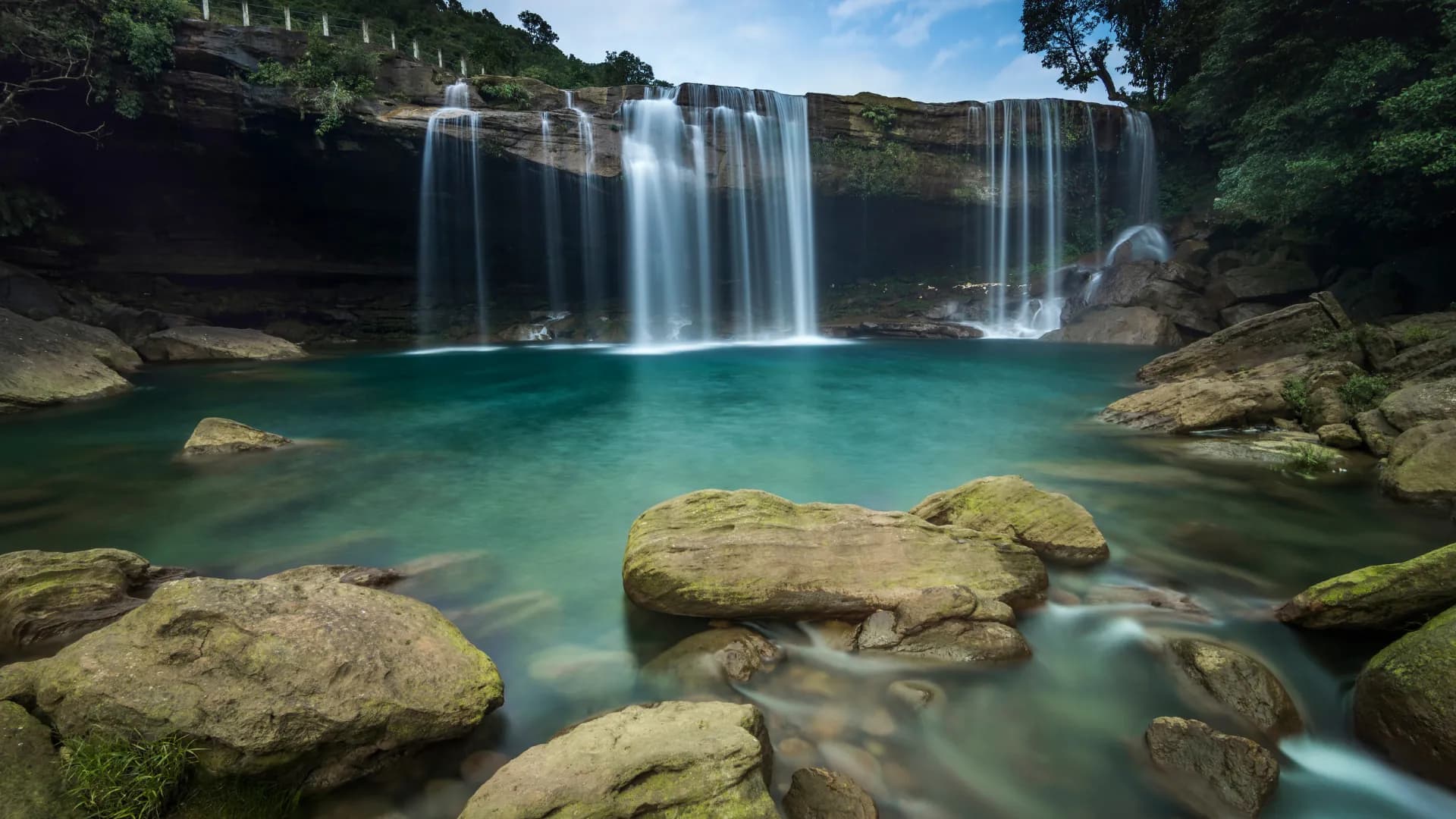
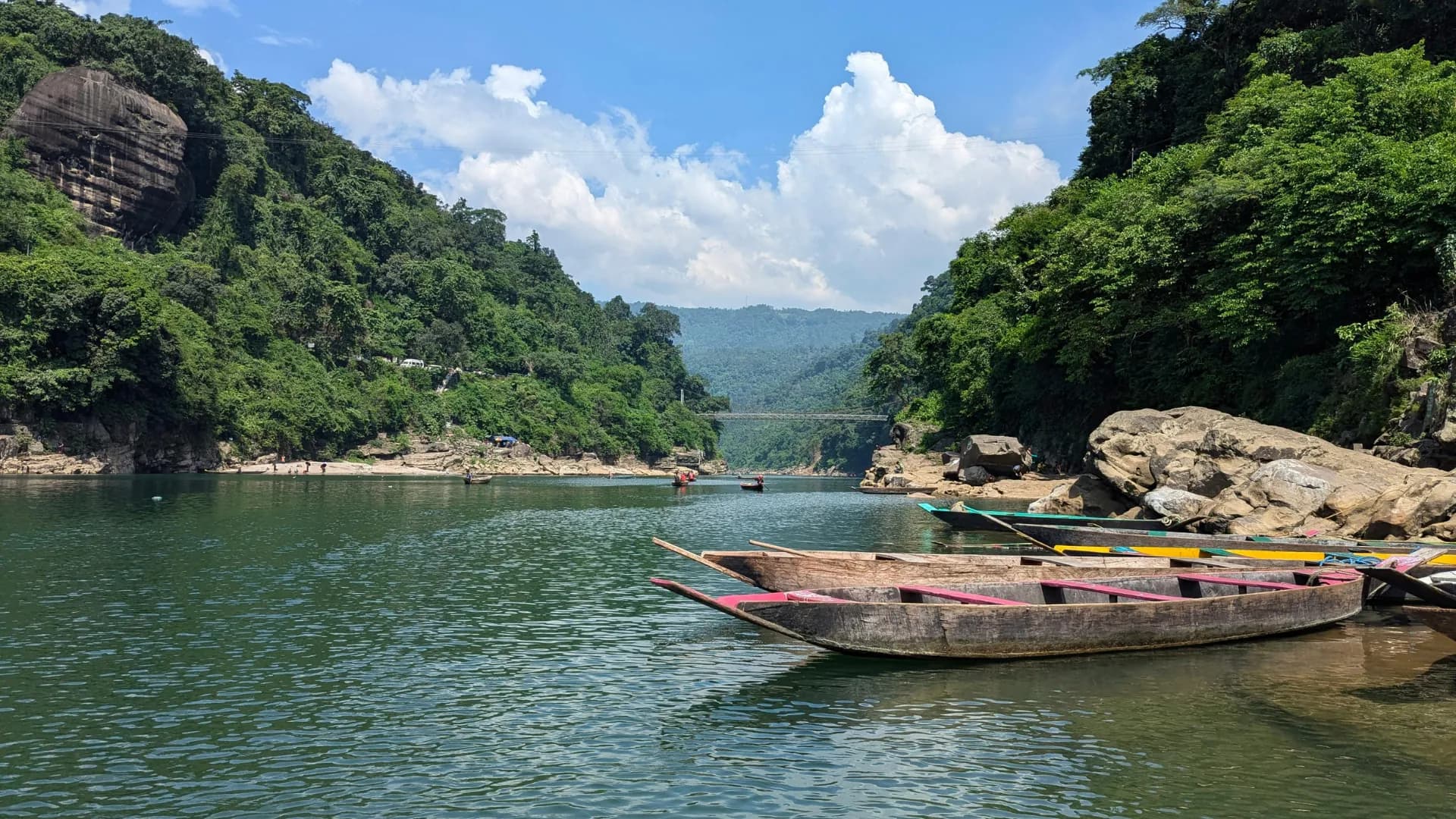
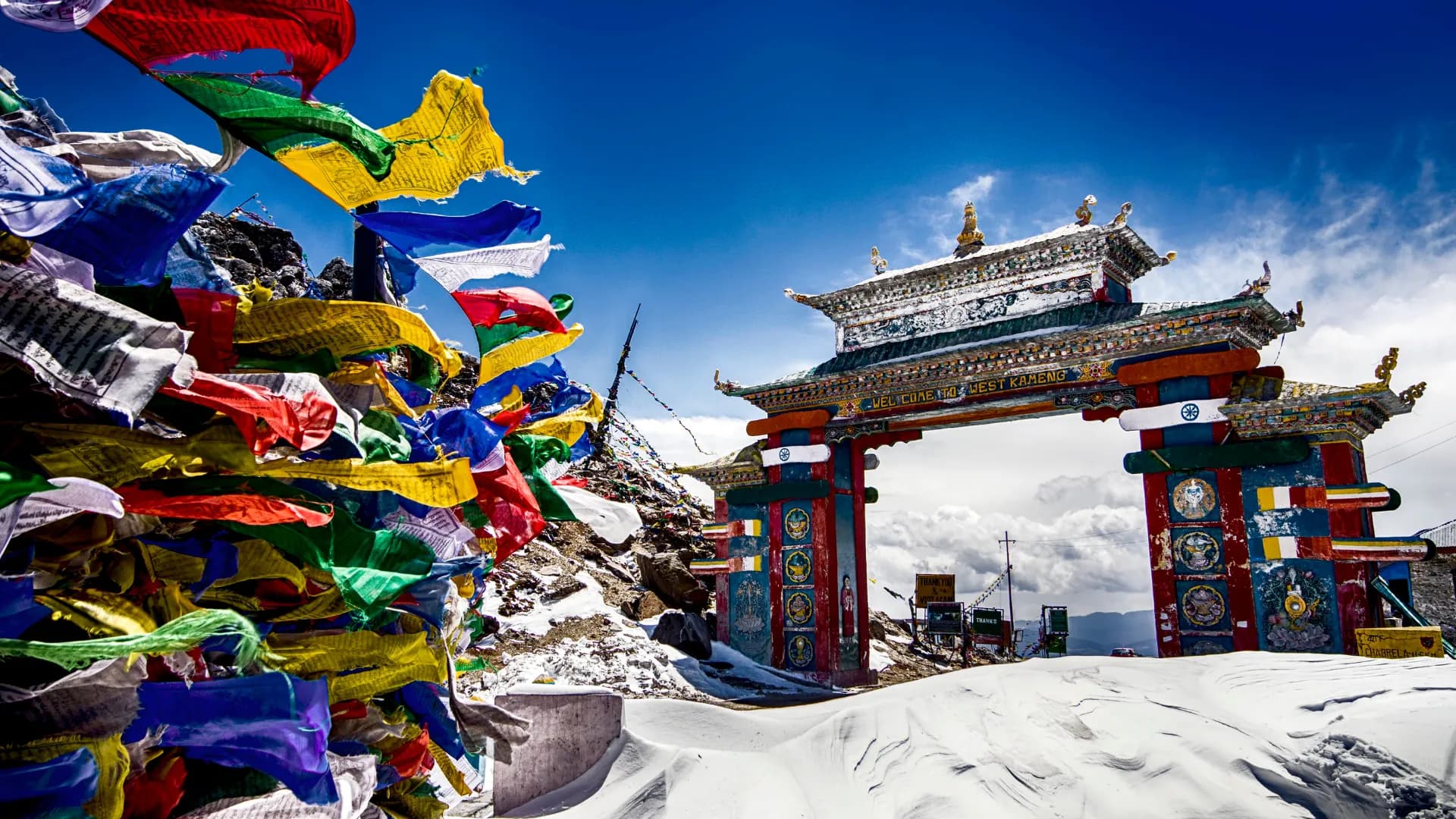
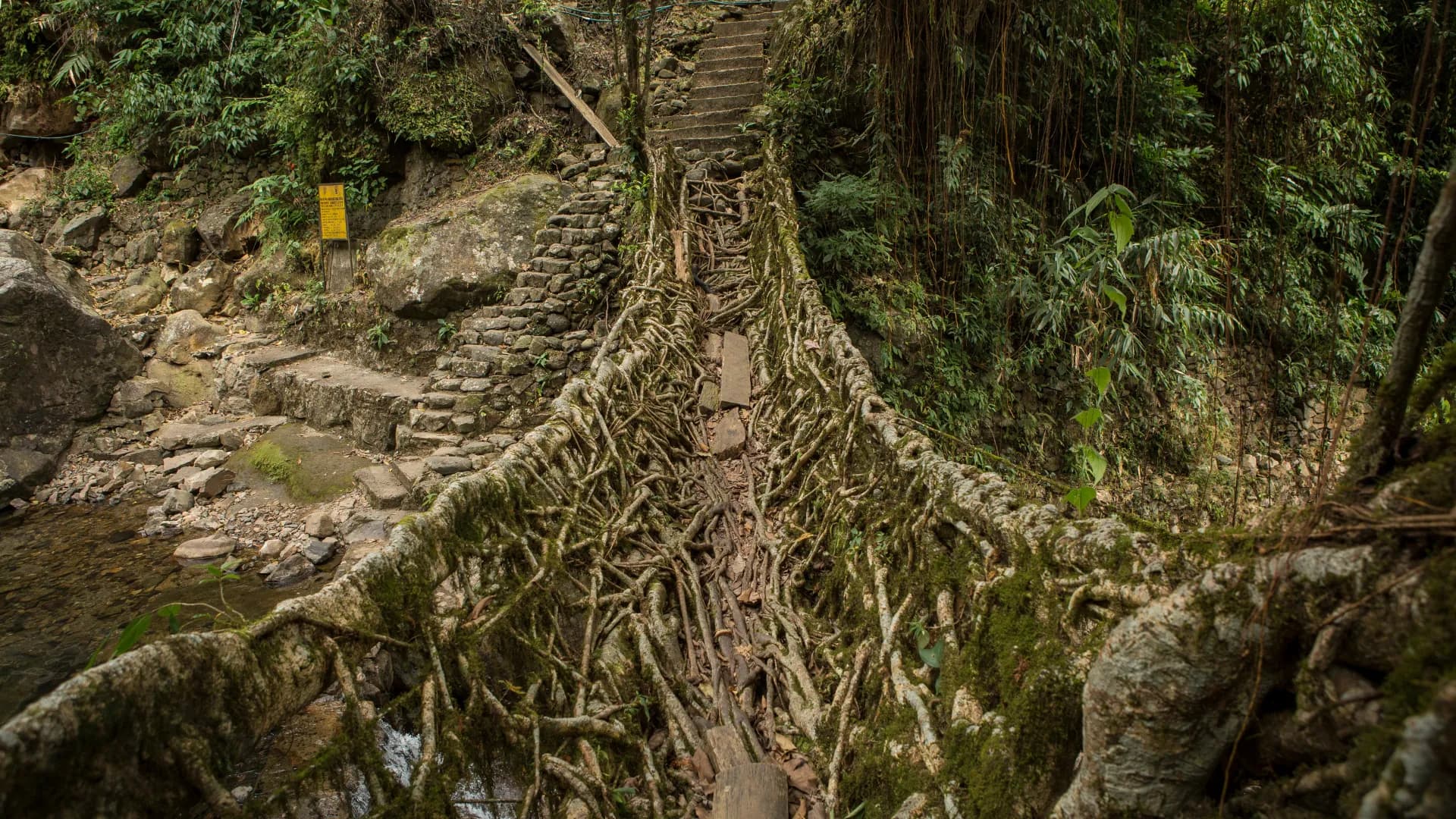
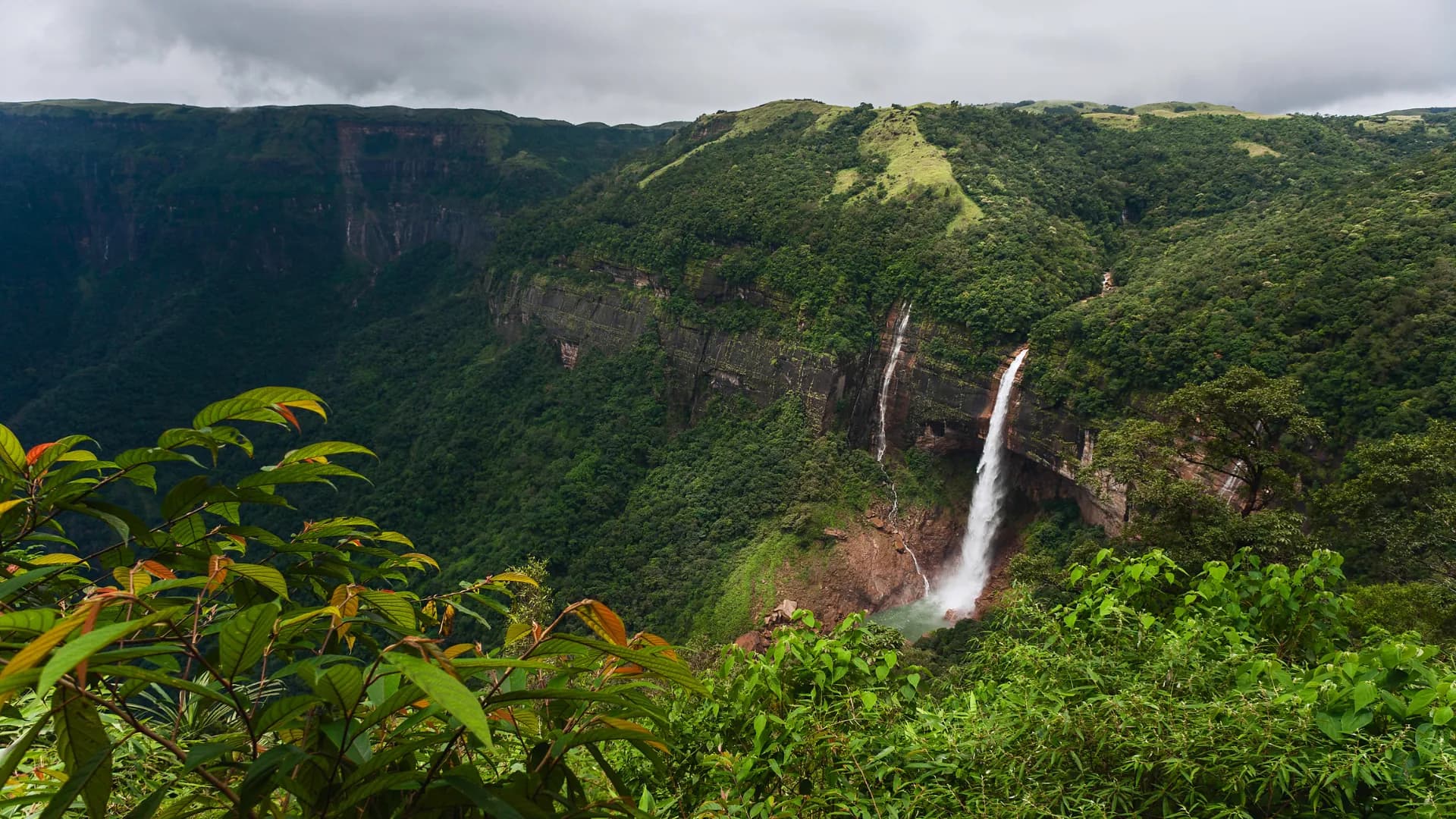
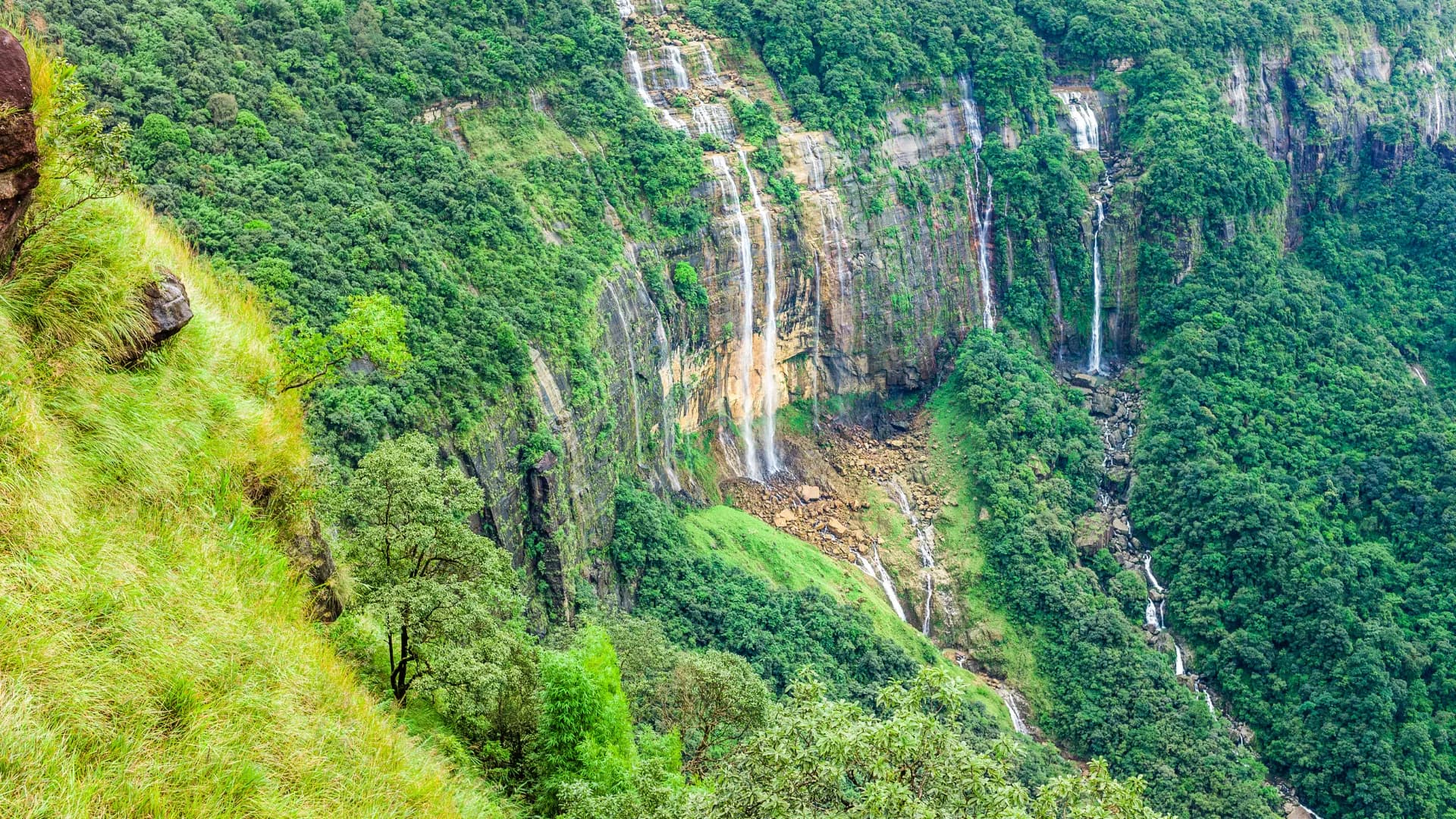
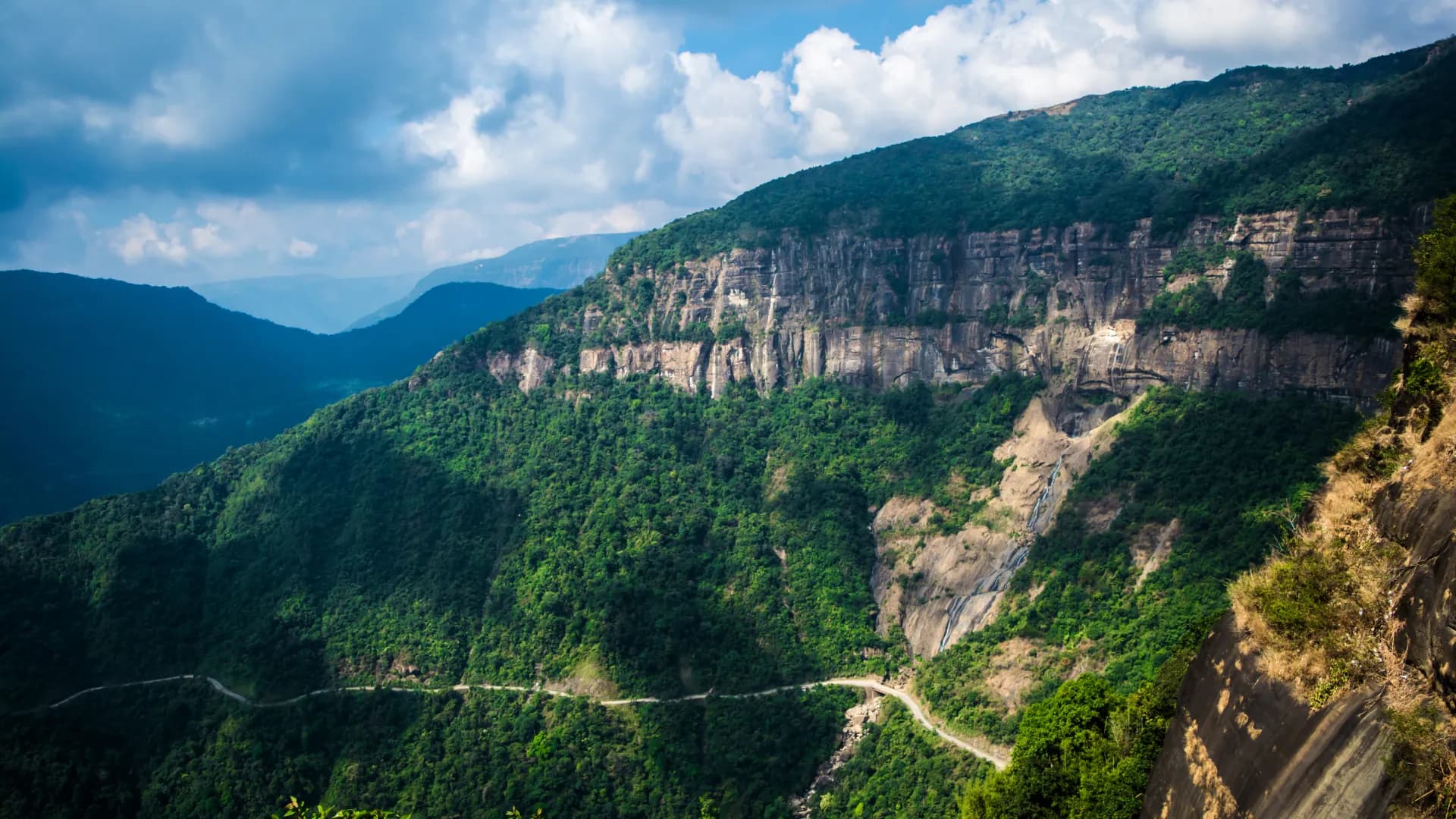
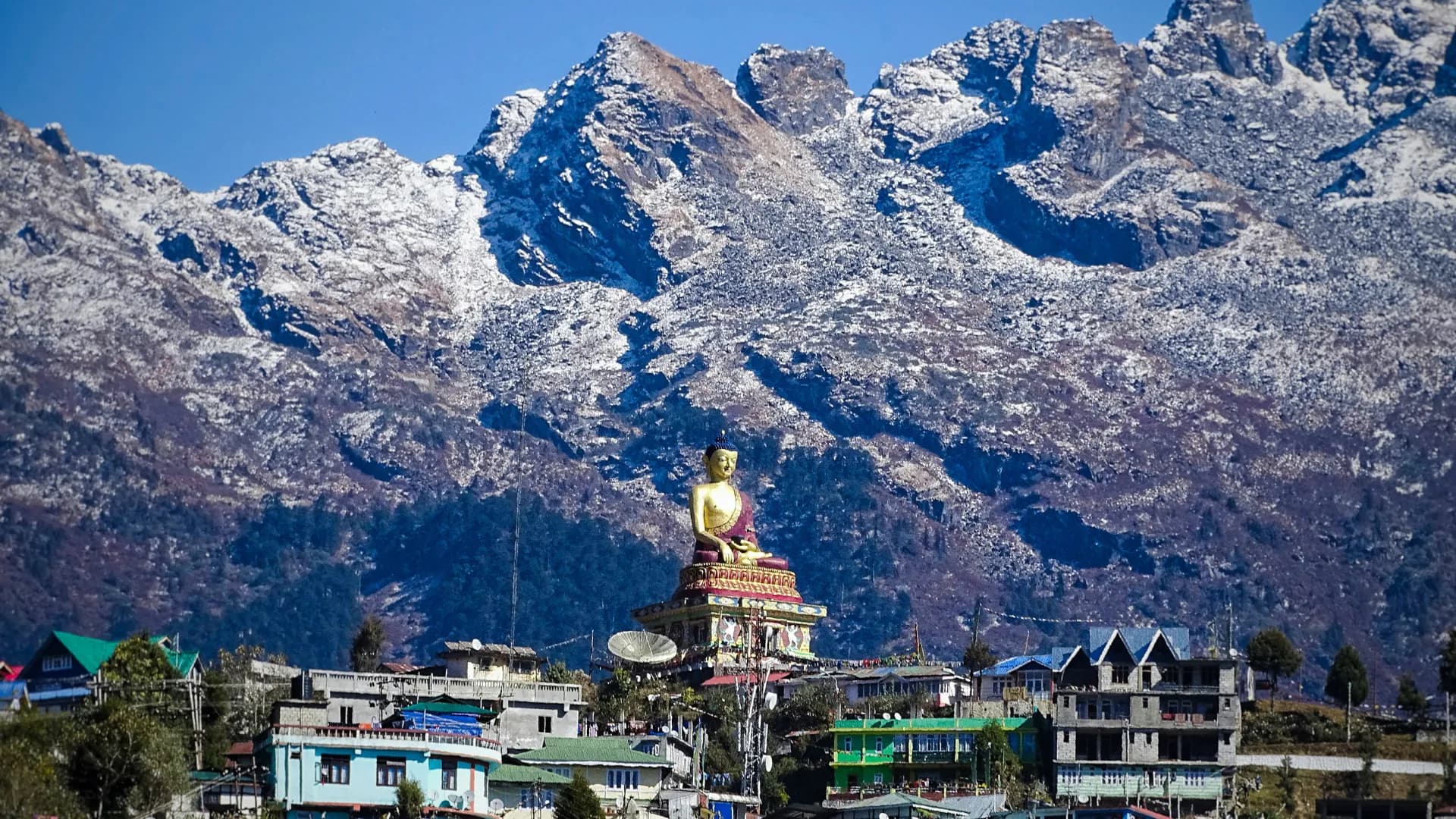
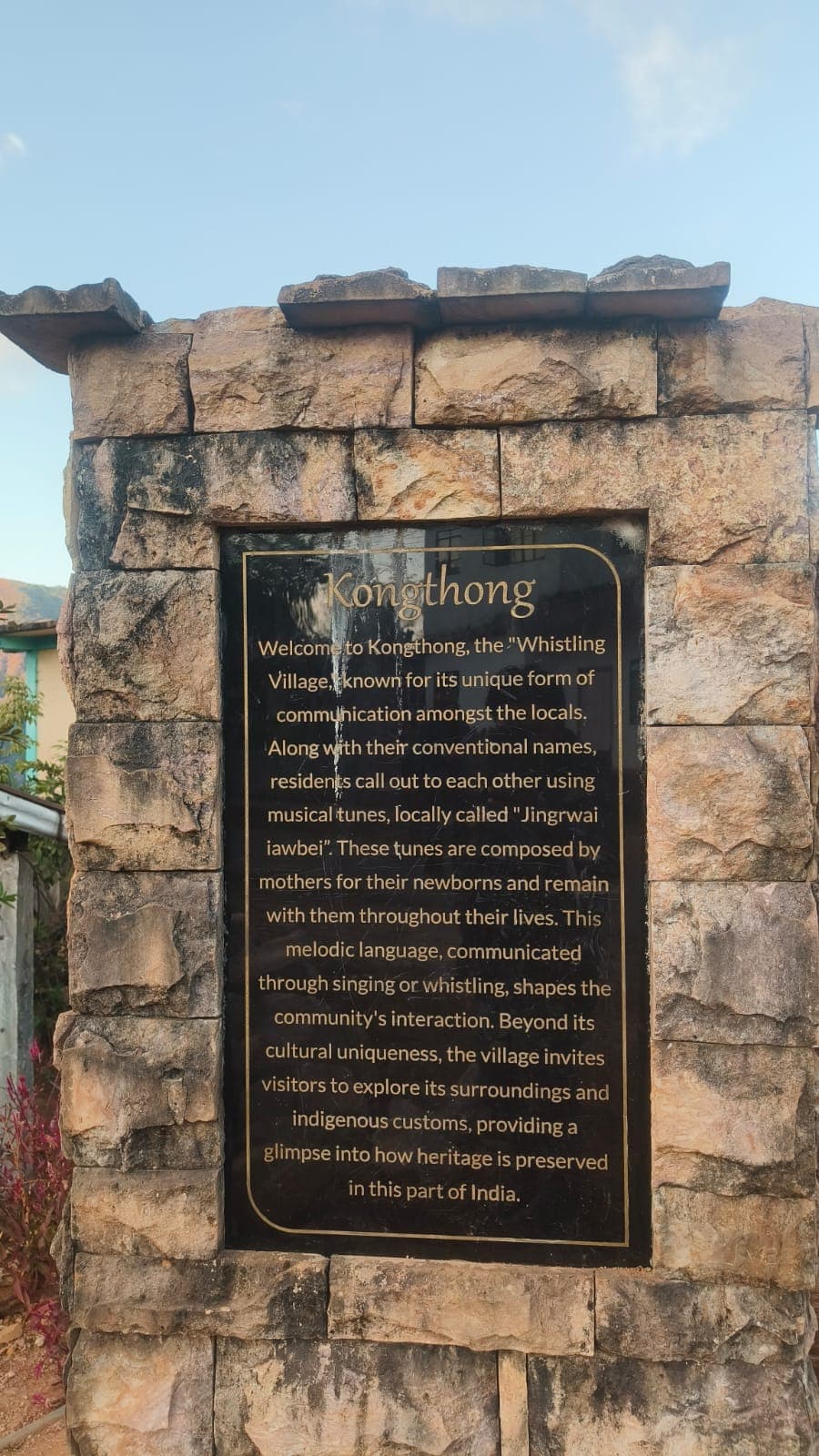
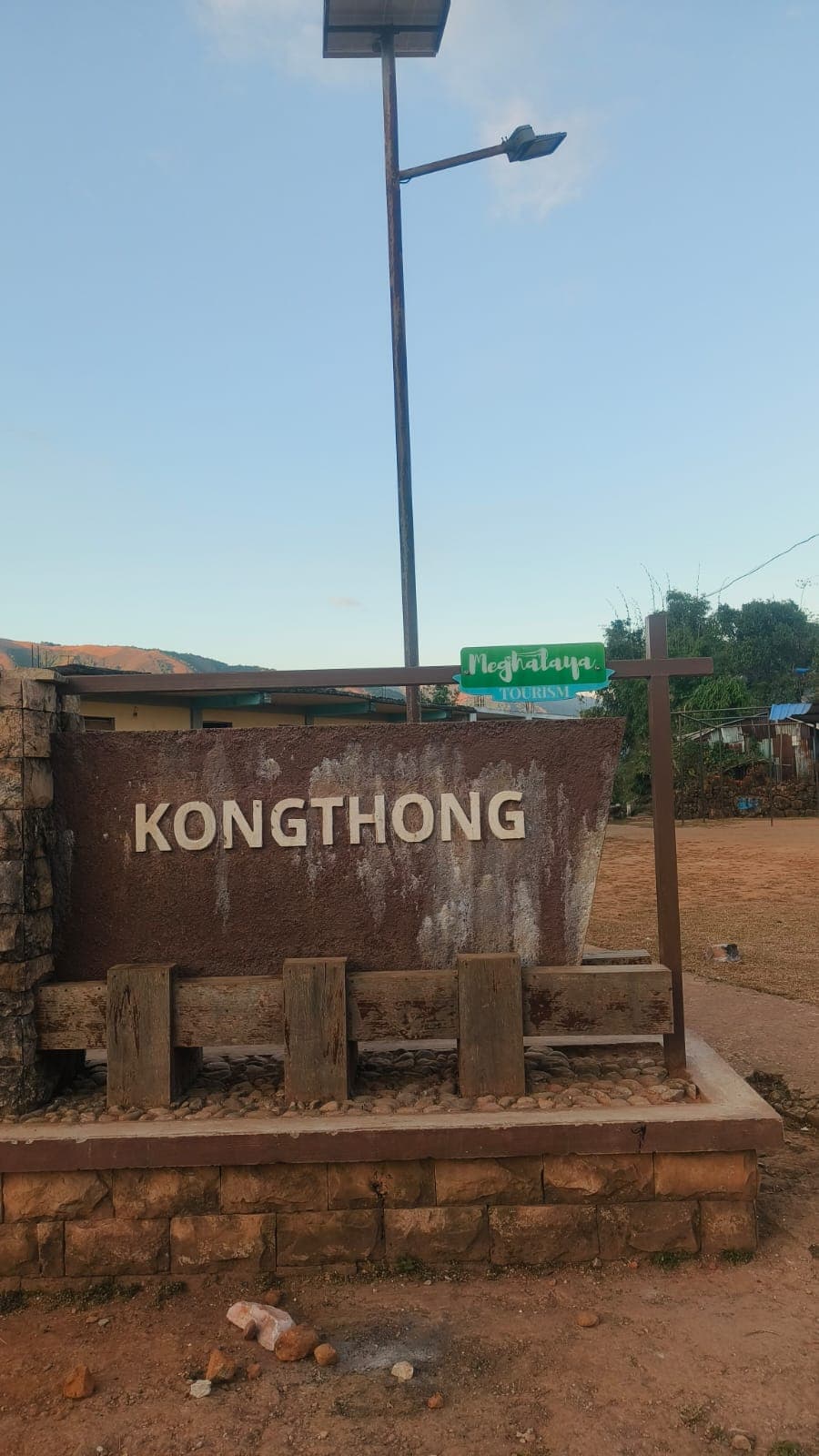
There are places in Meghalaya that you visit for waterfalls, caves, rivers and dramatic mountain views. And then there are places that make you slow down, look around and simply listen. Kongthong Village is one of those rare places. Hidden among the green hills of Meghalaya, Kongthong is widely known as the “Whistling Village of Meghalaya” because of a remarkable Khasi tradition in which people are given a unique calling melody alongside their conventional name. The sound of these melodies travelling across the hills is one of the things that makes Kongthong feel completely different from the usual Meghalaya tourist route. For travellers searching for offbeat Meghalaya, Kongthong offers something much deeper than ordinary sightseeing. It is a place where nature, Khasi culture, traditional knowledge and village life come together naturally. If you are planning your first Meghalaya trip, you can also explore Meghalaya Travel Guide 2026 to understand the state’s major destinations, travel routes and experiences before adding Kongthong to your itinerary.
Welcome to Kongthong — Meghalaya’s Whistling Village
Meghalaya is famous for destinations such as Shillong, Cherrapunji, Dawki and Mawlynnong. These places are beautiful and deserve their popularity, but travellers who want a quieter and more authentic experience often look beyond the conventional tourist circuit.
That is where Kongthong Village Meghalaya becomes truly special.
The village is not simply another scenic stop. Its greatest attraction is its living cultural tradition. In the Khasi community, a person's identity can be associated with a special melody used by family members to call them. This unusual tradition has brought Kongthong international attention and earned it the famous name Whistling Village.
Instead of rushing from one attraction to another, Kongthong is better experienced slowly. Walk through the village, observe everyday life, interact respectfully with local people and take time to appreciate the surrounding hills.
This makes Kongthong an excellent destination for travellers looking for hidden places in Meghalaya and meaningful cultural experiences.
For more ideas away from the usual tourist route, explore Offbeat Meghalaya Travel Guide and discover another side of the state.
A Village Where Names Become Melodies
The most fascinating aspect of Kongthong is its traditional calling melody.
In Khasi culture, these melodies are traditionally connected with a person's identity. A child may receive a conventional name, but they can also be given a unique tune. Family members may use this melody when calling the person, particularly from a distance.
Imagine standing on a green hillside and hearing a soft whistle coming from somewhere across the valley. It is not simply a sound carried by the wind—it can be someone calling a family member.
This tradition is one of the reasons Kongthong Whistling Village has become such a fascinating destination for cultural travellers.
However, Kongthong should not be viewed only as a novelty. The melodies are part of a deeper cultural tradition, and visitors should approach them with genuine respect for the local community.
For travellers who want to understand Meghalaya beyond waterfalls and viewpoints, this cultural dimension can become one of the most memorable parts of the journey.
You can also connect Kongthong with other destinations through a Customized Meghalaya Tour Package if you prefer a relaxed, personalized itinerary instead of a rushed sightseeing schedule.
Where Is Kongthong Village?
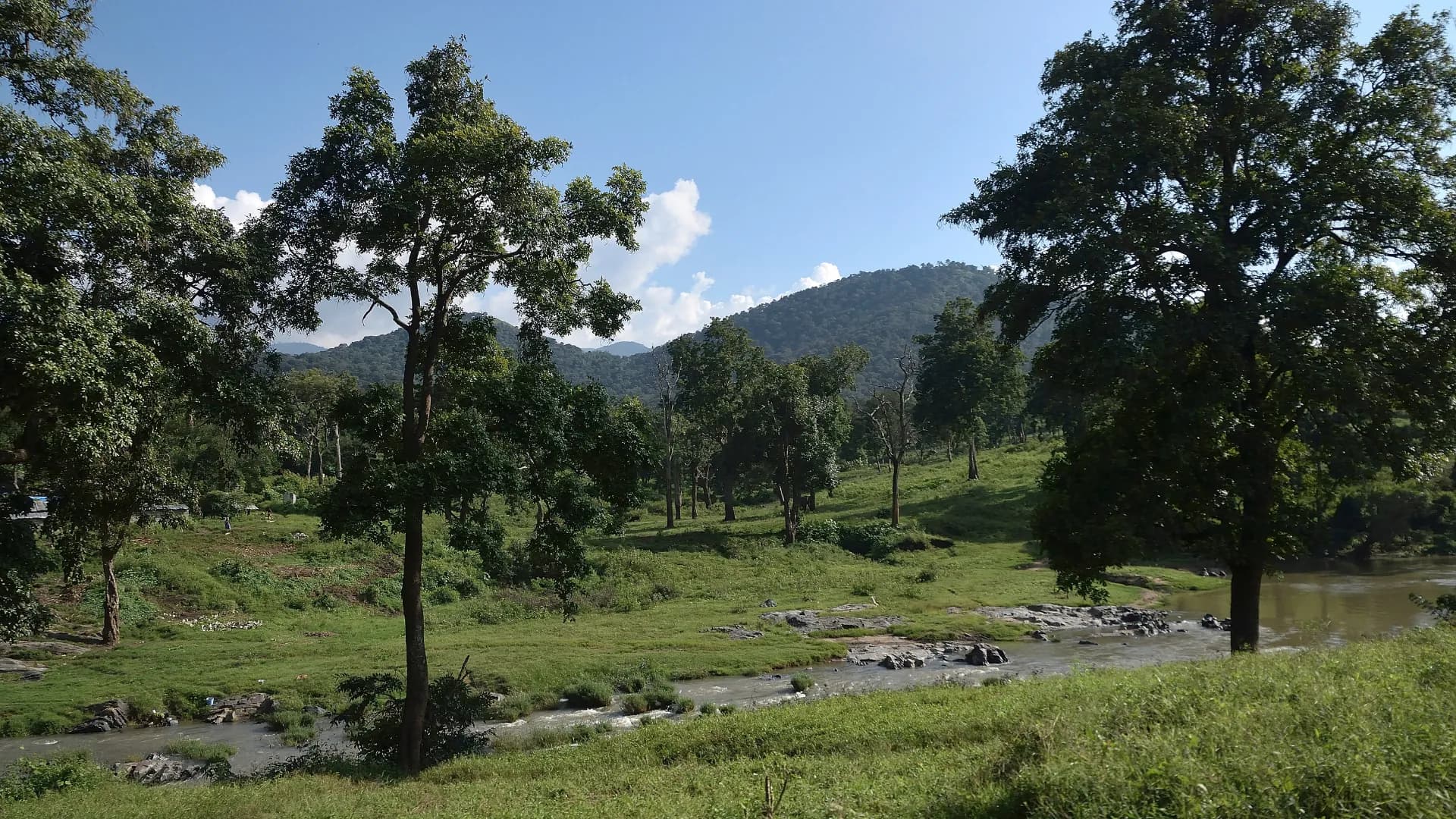
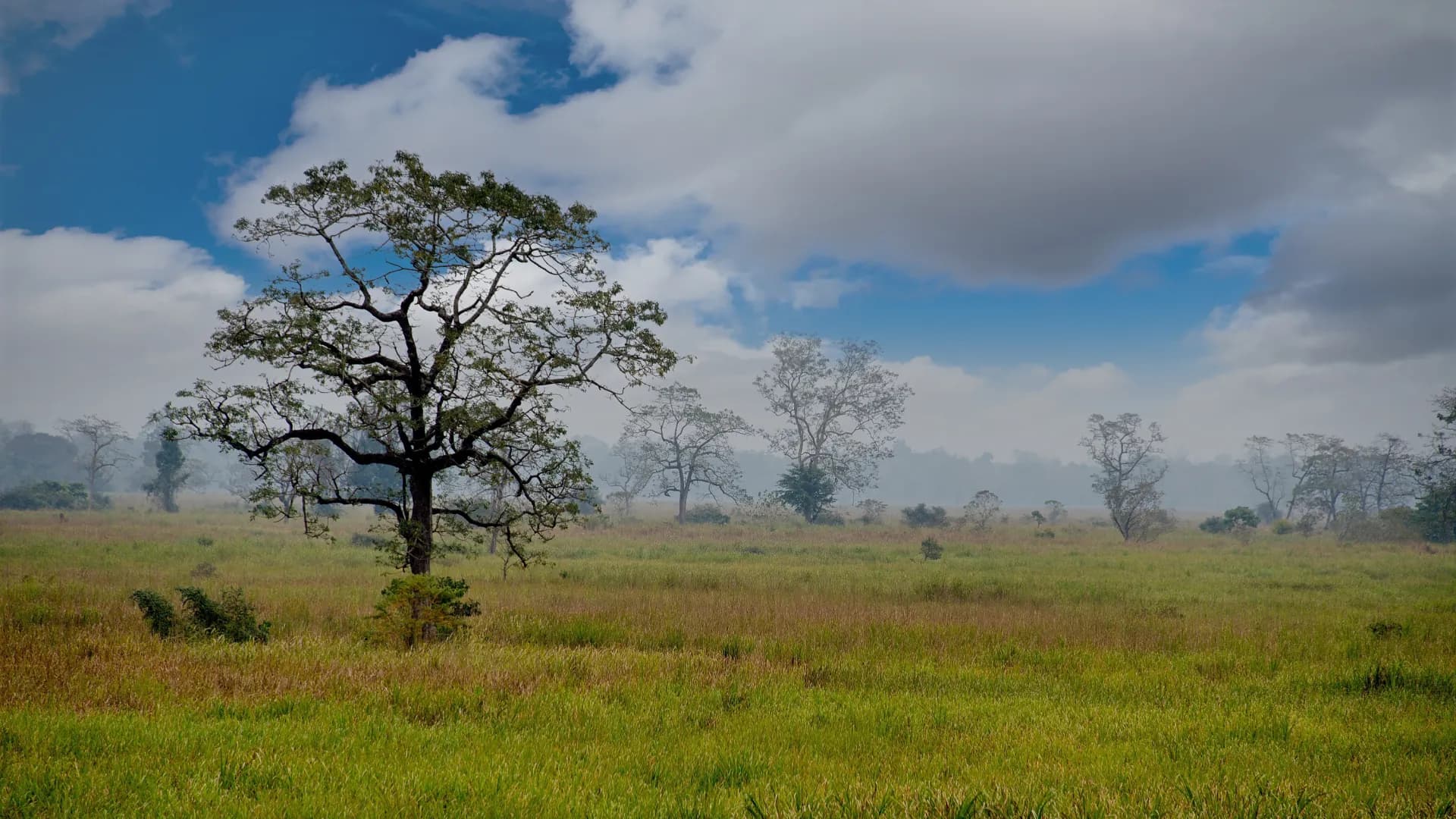
Kongthong is located in Meghalaya’s East Khasi Hills region, surrounded by forested hills and the characteristic landscapes of the Khasi highlands.
Its relatively remote setting is part of its charm. The journey itself becomes an important part of the experience as the landscape gradually changes from busy urban areas to quieter mountain roads and rural settlements.
Most travellers planning a Meghalaya trip begin their journey from Guwahati, an important gateway to Northeast India.
If you are arriving through Assam, explore our Guwahati Travel Guide to learn more about starting your Meghalaya journey from the city.
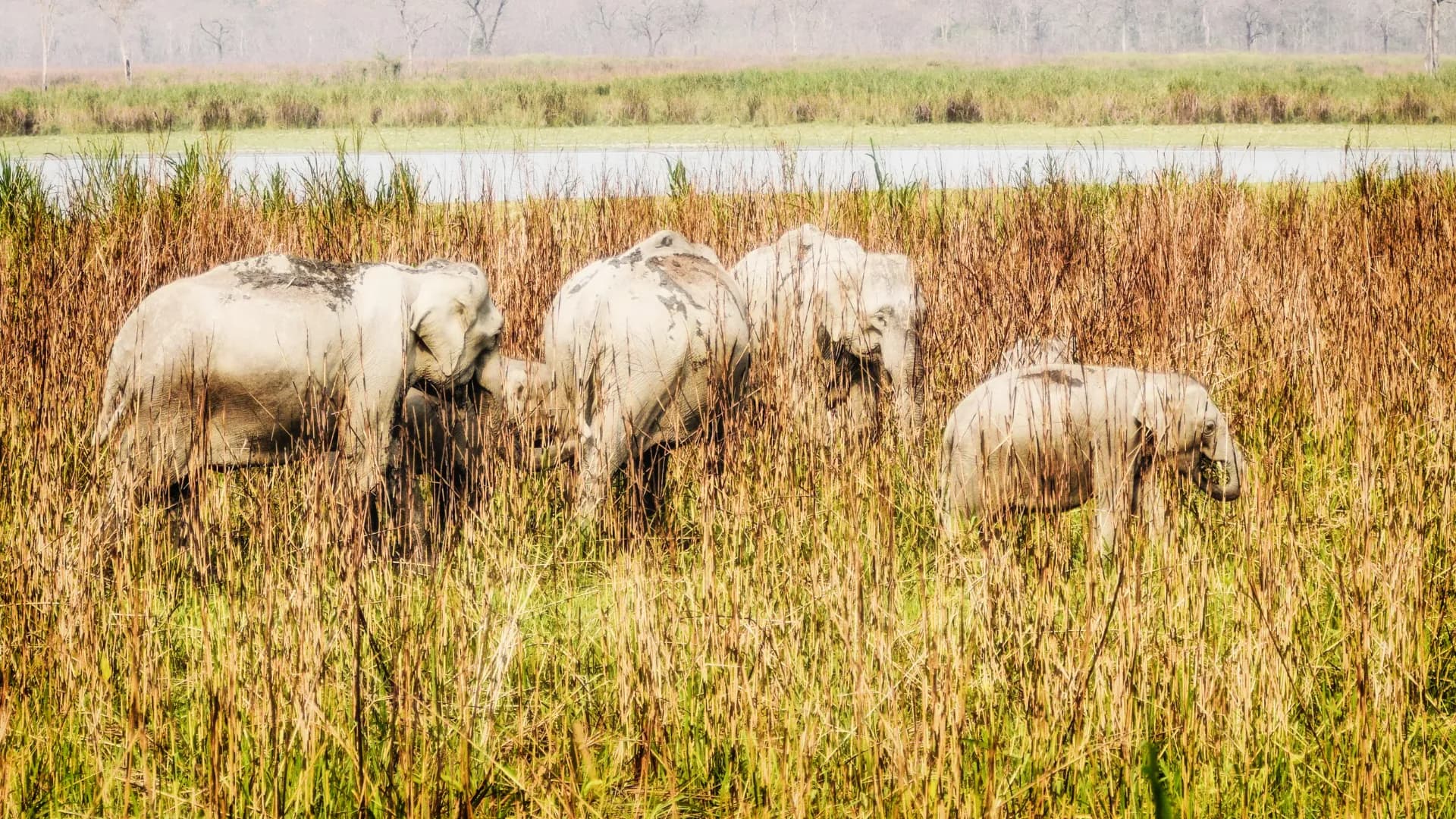
Travellers who want to explore beyond Meghalaya can also consider Assam Tour Packages covering destinations such as Kaziranga, Majuli and other cultural and wildlife experiences.
Kongthong as an Offbeat Meghalaya Experience
One of the biggest reasons to visit Kongthong is that it gives travellers a different perspective of Meghalaya.
A conventional Meghalaya trip often focuses heavily on waterfalls, caves, viewpoints and rivers. Kongthong adds another dimension—community, culture and traditional village life.
Here, the experience is less about checking attractions off a list and more about spending time in a peaceful village environment.
You may walk along narrow paths surrounded by greenery, see traditional homes, observe everyday village activities and experience the quiet atmosphere of the Khasi hills.
That is why Kongthong fits naturally into an offbeat Meghalaya itinerary.
And if you want to continue your Northeast journey after Meghalaya, explore our Arunachal Pradesh Tour Packages for a completely different experience of mountains, monasteries and high-altitude valleys.
For a more dramatic Himalayan journey, you can also explore our Tawang Tour Package.
What Makes Kongthong Worth Visiting?
1. The unique whistling tradition Kongthong’s most famous cultural tradition makes it unlike almost anywhere else in Meghalaya.
2. Authentic village experience The village offers an opportunity to see a quieter side of Khasi life away from major tourist centres.
3. Beautiful natural surroundings The surrounding hills, forests and peaceful atmosphere create a naturally scenic environment.
4. Offbeat travel experience For travellers who have already explored popular Meghalaya destinations, Kongthong provides something genuinely different.
5. Cultural connection The village encourages travellers to look beyond landscapes and understand the traditions of the people who live among them.
More Than Just a Tourist Attraction
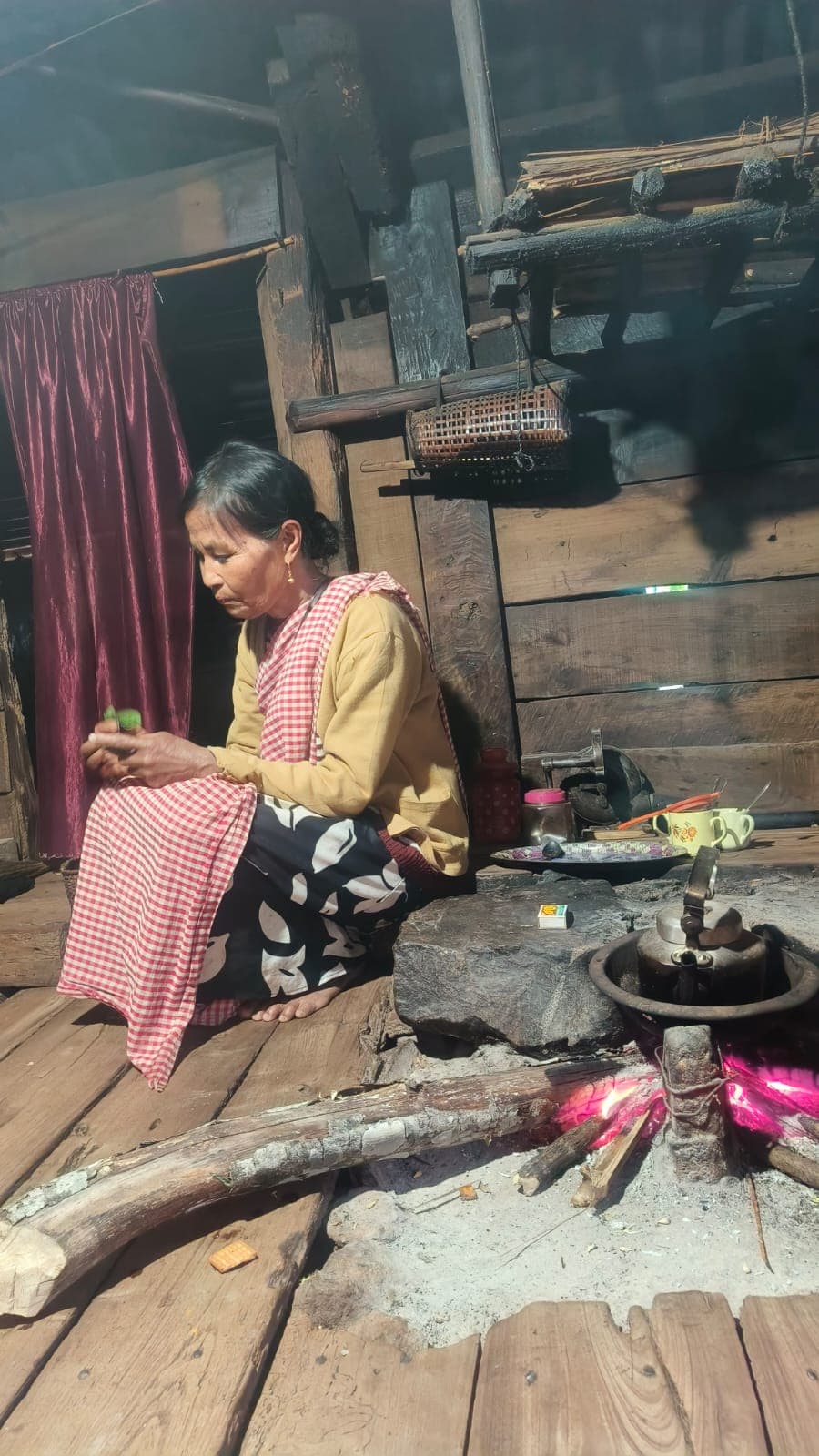
Perhaps the most important thing to understand about Kongthong is that it is a living village, not a tourist attraction created solely for visitors.
People live, work and maintain their traditions here as part of everyday life. Visitors should therefore travel responsibly—avoid disturbing residents, ask before taking photographs of people, respect private spaces and follow local guidance.
The real beauty of visiting Kongthong is not simply being able to say that you have visited the “Whistling Village.” It is experiencing a small part of Meghalaya’s cultural landscape respectfully.
For travellers planning a longer Northeast India journey, Kongthong can also become part of a multi-state itinerary combining Meghalaya, Assam and Arunachal Pradesh.
Planning Your Kongthong Journey
Kongthong is especially suited to travellers who enjoy slow travel, cultural experiences, nature, village walks and offbeat destinations.
If your idea of a perfect Meghalaya holiday is waking up early, taking scenic drives, exploring villages and spending time away from crowded tourist spots, Kongthong deserves a place on your itinerary.
Ready to Experience the Hidden Side of Meghalaya & Northeast India?
Turn your travel dreams into reality with NEexplore NOW. Explore Meghalaya's hidden waterfalls, offbeat trails, ancient caves, and authentic local experiences through carefully crafted tour packages across Northeast India.
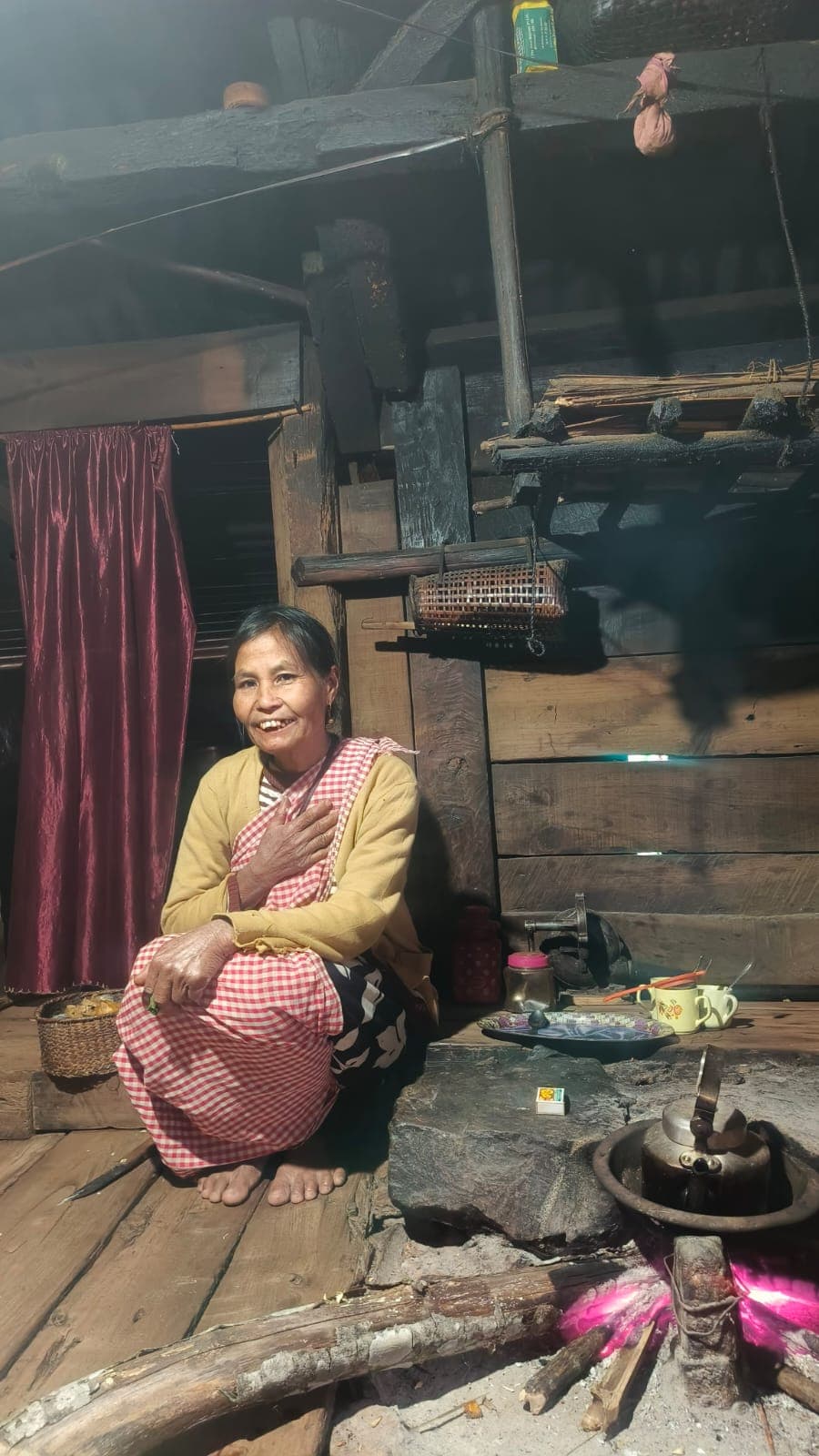
The History Behind the Whistling Village
To understand Kongthong, you have to look beyond its nickname, “Whistling Village.” The whistles are only one part of a much larger cultural story.
Kongthong is a Khasi village shaped by generations of traditional knowledge, close community relationships and a deep connection with the surrounding forests and hills. Its unique calling tradition has made the village famous, but the real story is about how an old cultural practice continues to exist within everyday village life.
For travellers interested in the cultural side of Meghalaya, Kongthong offers a completely different experience from the usual waterfall-and-viewpoint itinerary. Before visiting, it is worth understanding the history and traditions that make the village special.
If you are discovering Meghalaya for the first time, our Meghalaya Travel Guide 2026 can help you understand the broader history, geography and major destinations of the state.
The Khasi Roots of Kongthong
Kongthong is part of the wider Khasi cultural landscape of Meghalaya. The Khasi people have traditionally maintained a strong relationship with their natural surroundings, community structures and oral traditions.
For generations, knowledge has been passed from one generation to another through stories, customs, songs, practices and everyday community life.
This oral tradition is particularly important when understanding Kongthong.
The village's famous calling melodies were not created as a tourist attraction. They developed naturally within the community and became part of how people identified and called one another.
That distinction matters.
Today, many visitors know Kongthong because of its unusual melodies, but the tradition has meaning because it belongs to the people and their way of life.
Travellers who want to experience more of this cultural side of Meghalaya can also explore our Offbeat Meghalaya Travel Experiences.
The Tradition Behind the “Whistling Village”
The most famous tradition of Kongthong is the use of a distinctive melody associated with an individual.
In addition to a person's ordinary name, a unique tune can be given to them during childhood. Family members can use this melody as a way of calling the person.
The tune is particularly useful across the hilly landscape.
In a village surrounded by forests, slopes and open spaces, a normal spoken name may not travel as easily as a distinctive sound. A melody, on the other hand, can carry across distance.
Over time, this practice became an important part of the community's cultural identity.
This is why Kongthong is often described as Meghalaya's Whistling Village.
The word “whistling” can sometimes make the tradition sound like a simple curiosity. In reality, it represents something much more meaningful—a connection between language, landscape, family and identity.
A Tradition Passed Between Generations
One of the most beautiful aspects of Kongthong's calling tradition is its connection between generations.
A child grows up hearing these melodies within the family and community. As they grow older, the melody becomes associated with their identity.
In this way, the tradition is not something that exists only during festivals or special occasions. It can be connected with ordinary life.
This is an important reason why Kongthong Village Meghalaya should be approached as a cultural destination rather than simply a sightseeing point.
Visitors may come to hear the famous melodies, but the deeper experience comes from understanding the community behind them.
If you are planning a longer cultural journey through Meghalaya, you can combine Kongthong with other destinations through our Customized Meghalaya Tour Packages.
Kongthong and the Khasi Oral Tradition
Before modern communication became common, communities depended heavily on direct human interaction, oral communication and knowledge passed through generations.
The Khasi cultural landscape has a rich oral heritage, and Kongthong's calling tradition fits naturally into that broader environment.
Stories, songs, names and melodies can carry memories that written records cannot always capture.
For this reason, the melodies of Kongthong are more than sounds. They represent a form of cultural memory.
The continued presence of this tradition in modern times makes the village especially interesting for travellers who want to understand how traditional practices can survive while communities adapt to changing lifestyles.
This is also what makes Kongthong tourism different from visiting a conventional tourist attraction.
The Landscape That Shaped the Tradition
Culture does not develop separately from geography.
Kongthong is surrounded by the rolling hills and forests of Meghalaya. The terrain has historically influenced how people move, communicate and live.
When you stand in a quiet part of the village, it becomes easier to understand why a distinctive calling sound could be useful.
The surrounding landscape creates natural distances between homes, paths and settlements. A melody can travel through open spaces and across hillsides in a way that an ordinary conversation cannot.
This relationship between people, sound and landscape is one of the most fascinating elements of the Kongthong experience.
Travellers arriving through Shillong can also explore our Shillong Travel Guide to understand the city before travelling onwards to quieter villages such as Kongthong.
How Kongthong Became Known Around the World
For a long time, Kongthong remained a relatively quiet rural settlement known mainly within its local region.
As travellers, researchers and media began documenting its unique cultural tradition, interest in the village gradually increased.
The phrase “Whistling Village” made Kongthong easier for people around the world to remember.
However, its growing popularity also created a new responsibility.
When a traditional village becomes a tourist destination, there is always a risk that the cultural practice can be reduced to entertainment.
Kongthong is best experienced differently.
Visitors should listen respectfully, learn about the tradition and understand that the melodies are connected to real people and families.
The goal should not simply be to collect photographs or videos. The goal should be to understand the cultural story.
Kongthong in Modern Meghalaya
Kongthong is not frozen in the past.
Like villages across Meghalaya, its residents live in a modern world while continuing to preserve elements of their cultural heritage.
Young people may use smartphones, social media and modern technology while still growing up with traditional customs.
This combination of tradition and modern life makes Kongthong particularly interesting.
It shows that cultural heritage does not always have to exist inside museums. Sometimes it continues naturally within homes, families and communities.
For travellers searching for hidden gems in Meghalaya, this living cultural experience is perhaps more valuable than another ordinary sightseeing stop.
Respecting Kongthong's Cultural Heritage
If you visit Kongthong, remember that you are entering someone's home community.
A responsible visitor should:
- Ask permission before photographing local people. - Avoid entering private homes without invitation. - Respect local customs and traditions. - Do not imitate or make fun of calling melodies. - Support local guides, homestays and community-based experiences where possible. - Keep the village clean. - Avoid excessive noise. - Follow local instructions during village walks.
Responsible tourism helps ensure that the increasing interest in Kongthong benefits the community instead of damaging its cultural character.
If responsible and meaningful travel is important to you, you can also explore our Meghalaya Offbeat Tour Packages designed around slower and more immersive experiences.
Why Kongthong's History Matters to Travellers
The history of Kongthong is not about one exact date or one famous monument.
Its history lives through people, traditions, melodies and generations.
That is what makes the village special.
A traveller who arrives knowing this background will experience Kongthong differently. Instead of simply hearing a whistle and taking a photograph, you begin to understand why that sound matters.
You start seeing the village not as a tourist attraction, but as a living cultural landscape.
And that is where the true beauty of Kongthong Village Meghalaya lies.
Planning a Wider Northeast India Journey?
Kongthong can be part of a much larger Northeast India journey.
After exploring Meghalaya, travellers can continue towards Assam for wildlife and cultural experiences. Our Assam Tour Packages can be useful if you want to include destinations such as Kaziranga or Majuli.
For travellers looking for high mountains, monasteries and Himalayan landscapes, Arunachal Pradesh Tour Packages offer a completely different side of Northeast India.
And if Tawang is on your bucket list, our Tawang Tour Packages can help you plan a route covering the dramatic mountain landscapes of western Arunachal Pradesh.
The beauty of Northeast India is that every state offers a different story—Kongthong simply happens to tell its story through melody.
How to Reach the Whistling Village
Kongthong is one of those Meghalaya destinations where the journey is part of the experience. Unlike Shillong, Cherrapunji or Dawki, Kongthong is not a place most travellers simply pass through. Reaching this peaceful Khasi village requires a little planning, but the winding roads, green hills and changing landscapes make the journey worthwhile.
For travellers planning an offbeat Meghalaya trip, Kongthong can be a beautiful addition to an itinerary that focuses on culture, nature and lesser-known destinations.
If you are still planning your overall Meghalaya route, our Customized Meghalaya Tour Guide 2026 is a useful place to start.
Where Is Kongthong Village?
Kongthong is located in the East Khasi Hills of Meghalaya, surrounded by forested hills and the characteristic landscapes of the Khasi highlands.
Its relatively remote setting is part of its charm. As you leave the more populated areas behind, the journey gradually becomes quieter, with green hills, villages and mountain roads creating a completely different atmosphere.
For most travellers, Shillong is one of the most practical bases for visiting Kongthong.
If you are planning to spend some time in Shillong before heading towards Kongthong, our Shillong & Meghalaya Trip Cost Guide can also help you understand accommodation, transport and general travel planning.
How to Reach Kongthong from Shillong
The most practical way to reach Kongthong is by road from Shillong.
Shillong is a major gateway to Meghalaya and has good road connectivity with other parts of the state. From Shillong, the journey continues towards the quieter areas of East Khasi Hills.
For most tourists, a private vehicle with an experienced local driver is the most comfortable option. It allows you to decide when to start, stop for photographs and adjust the journey according to weather and road conditions.
Travellers who want to explore more hidden destinations can consider an Offbeat Meghalaya Tour rather than following a standard Shillong–Cherrapunji route.
This is particularly useful if Kongthong is only one part of a longer itinerary.
Reaching Kongthong from Guwahati
A large number of travellers begin their Northeast India journey from Guwahati, Assam.
Guwahati is an important gateway for Meghalaya, Arunachal Pradesh and other Northeast destinations. Travellers arriving by flight or train can continue towards Shillong before heading deeper into Meghalaya.
If Guwahati is your arrival point, our detailed Guwahati Travel Guide 2026 covers the city, transport options, sightseeing and how to continue towards Meghalaya and other Northeast destinations.
A comfortable route can therefore be planned as:
Guwahati → Shillong → Kongthong
For travellers arriving in the morning, it is generally better to plan the journey carefully rather than trying to cover too many destinations on the same day.
Why Start Your Meghalaya Trip from Guwahati?
For travellers coming from outside Northeast India, Guwahati often works as the natural starting point.
The city provides access to:
- Meghalaya - Assam - Arunachal Pradesh - Kaziranga - Tawang - Nagaland - Other Northeast India destinations
That makes it possible to create a multi-state itinerary instead of treating Meghalaya as a standalone holiday.
If you want to combine wildlife and mountains, for example, you can explore our Assam & Meghalaya Tour Packages before continuing towards Kongthong.
Can You Visit Kongthong by Public Transport?
Local and shared transport options may be available depending on the route and day, but travellers should not assume that public transport will always be convenient for a sightseeing-focused Kongthong trip.
This is one of the main differences between visiting a major tourist centre and visiting an offbeat Meghalaya village.
A private vehicle gives you much greater flexibility.
It is particularly useful for:
- Couples - Families - Small groups - Senior travellers - Photographers - Travellers with limited time
If you want a fully planned private journey, you can explore Meghalaya Tour Packages from Guwahati and choose a route based on your travel dates and interests.
Why a Local Driver Is Useful
Mountain roads can be very different from city roads.
A local driver understands the terrain, changing road conditions and practical realities of travelling through rural Meghalaya.
This becomes particularly useful when weather changes unexpectedly.
A local driver can also help you manage stops and avoid unnecessarily rushing through the journey.
For an offbeat destination such as Kongthong, the journey should be comfortable rather than simply focused on reaching the destination as quickly as possible.
What Is the Road Journey Like?
The road journey towards Kongthong gradually takes you away from the busy atmosphere of Shillong.
The landscape becomes greener and quieter.
You may pass through forested sections, small settlements, open hills and winding roads. The changing scenery is one of the most enjoyable parts of travelling to Kongthong.
During the monsoon season, however, Meghalaya's heavy rainfall can affect road conditions and travel time.
For this reason, travellers should always keep some flexibility in their itinerary.
If you are planning a monsoon trip, our Is May a Good Time to Visit Meghalaya? guide can also help you understand seasonal travel conditions before finalising your route.
Kongthong from Shillong: How Much Time Do You Need?
Travel time can vary depending on the exact starting point, road conditions, weather and stops along the way.
Instead of planning the day around an exact number of hours, it is better to keep a comfortable buffer.
This is especially important if you want to spend time inside the village rather than simply arriving, taking a photograph and leaving.
A relaxed schedule gives you enough time for:
- Village walking - Cultural interaction - Photography - Local experiences - Scenic stops - Rest
This approach fits perfectly with the idea of slow travel in Meghalaya.
If you enjoy this style of travelling, you can also explore our Slow Travel Meghalaya Guide.
Can Kongthong Be Combined with Shillong?
Absolutely.
Shillong can work as the starting point for a Kongthong experience.
You can spend time exploring the city and then travel towards Kongthong as part of a wider itinerary.
For first-time visitors, this can be a better option than trying to cover too many remote places in a single day.
Shillong also gives you access to several other Meghalaya routes, making it easier to build a customized trip.
Can Kongthong Be Combined with Other Offbeat Places?
Yes, and this is where Kongthong becomes especially interesting for experienced travellers.
Instead of following only the traditional tourist circuit, you can combine Kongthong with other lesser-known destinations.
Meghalaya has many such places, including remote villages, hidden waterfalls, caves, canyons and adventure destinations.
Our Offbeat Meghalaya: Beyond the Tourist Trail guide is useful for travellers who want to understand this side of Meghalaya.
You can also explore our Hidden Meghalaya Travel Guide 2026 for more inspiration.
The important thing is to avoid putting too many destinations into one day. Remote Meghalaya is best experienced slowly.
What About Cherrapunji and Dawki?
Many travellers want to combine Kongthong with famous destinations such as Cherrapunji and Dawki.
This can be done, but the route should be planned carefully.
Cherrapunji is known for its waterfalls, caves and dramatic landscapes, while Dawki and Shnongpdeng are popular for the crystal-clear Umngot River and river activities.
If you are planning a river-focused Meghalaya trip, our Shnongpdeng Travel Guide 2026 is worth reading before adding the destination to your itinerary.
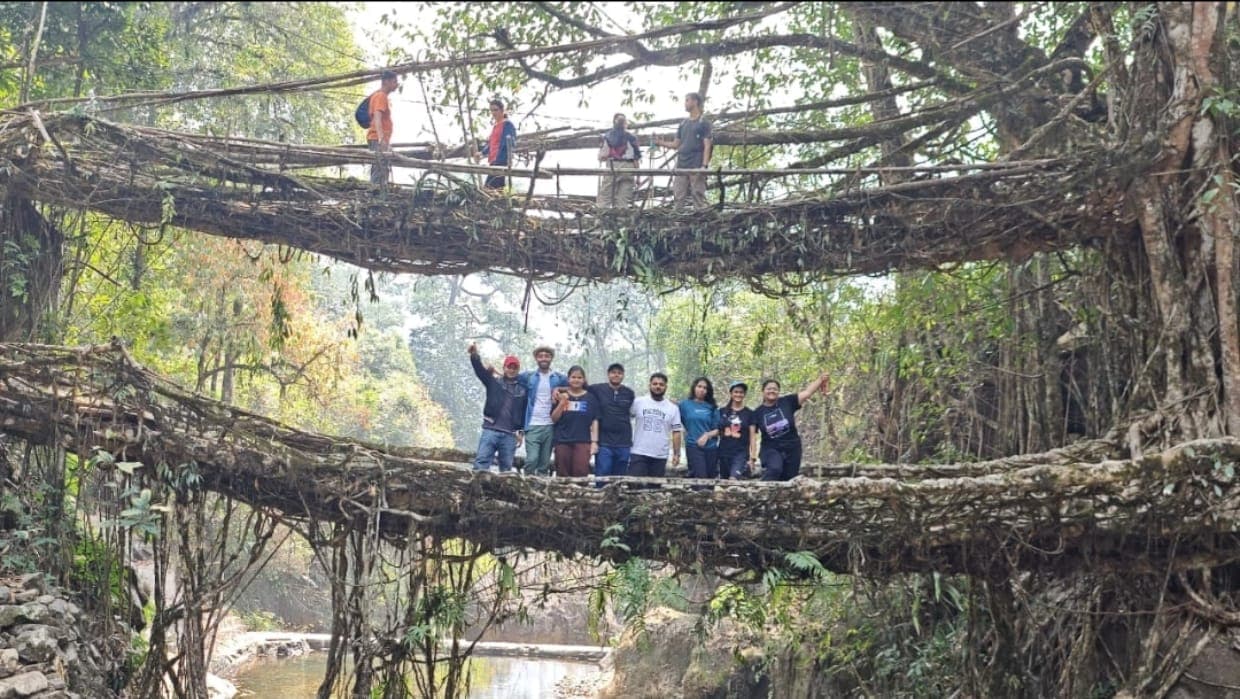
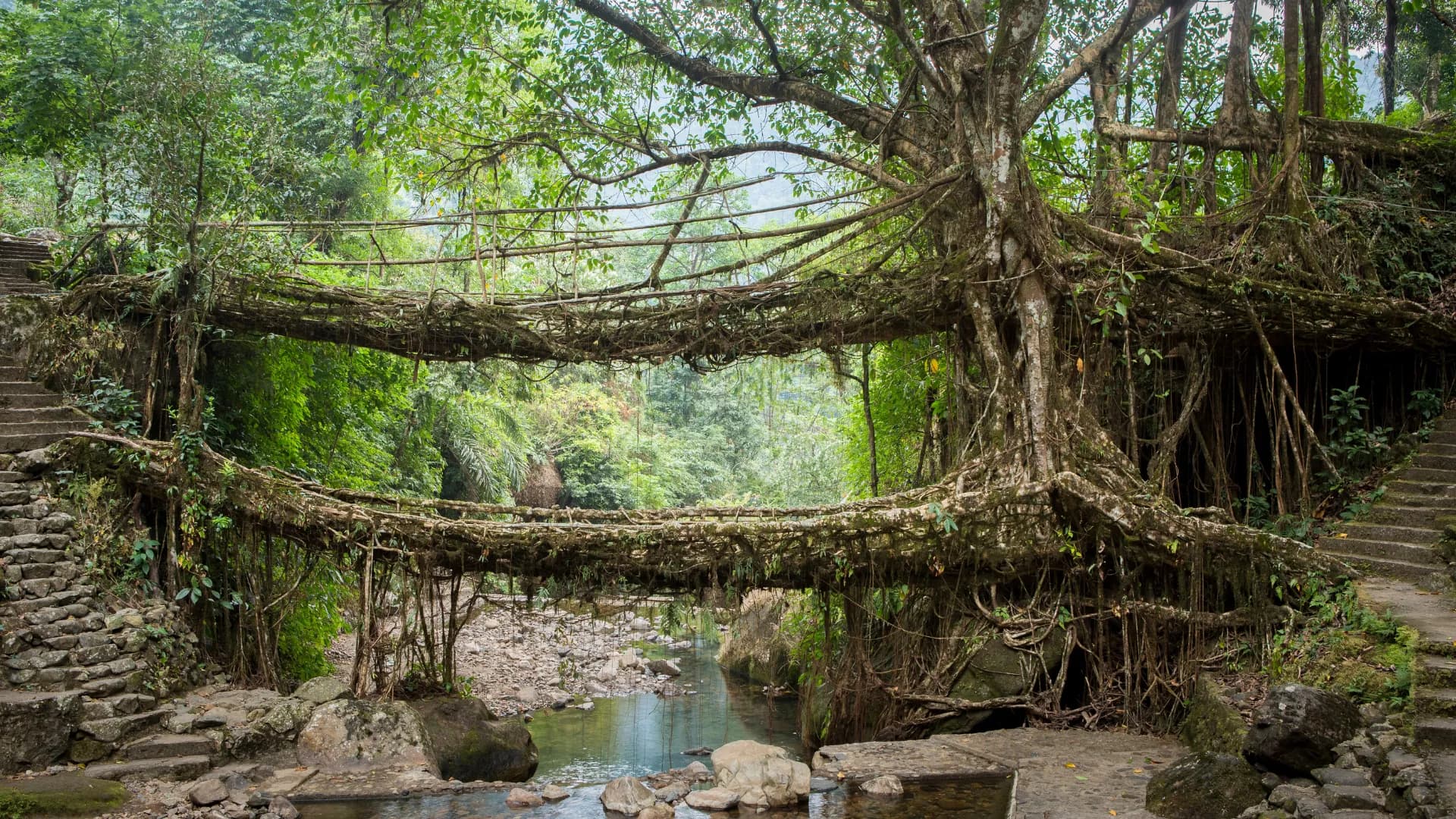
Similarly, travellers interested in Meghalaya's living-root-bridge culture can explore our Double Decker Living Root Bridge Travel Guide.
Can Kongthong Be Part of a Longer Northeast India Trip?
Yes.
One of the biggest advantages of starting your journey from Guwahati is the possibility of connecting several Northeast destinations.
After Meghalaya, you can continue towards Assam for wildlife and cultural experiences.
Our Assam Heritage Travel Guide is useful if you want to explore the cultural side of Assam.
For wildlife lovers, you can also consider Kaziranga National Park or Pobitora Wildlife Sanctuary.
If you want to continue towards the mountains, Arunachal Pradesh offers an entirely different landscape.
Kongthong to Arunachal Pradesh and Tawang
Travellers with more time can create a larger Northeast India road trip combining Assam, Meghalaya and Arunachal Pradesh.
After experiencing the green Khasi Hills of Meghalaya, the landscape changes dramatically as you move towards Arunachal Pradesh.
The high mountains, monasteries and valleys of Arunachal offer a completely different travel experience.
Our Arunachal Pradesh Tour Packages can help you explore different routes across the state.
And if you are interested specifically in the Himalayan landscapes around Tawang, explore our Tawang Snow Trails via Sela Pass or the Budget Tawang Tour Package from Guwahati.
This kind of multi-state journey can turn a simple Meghalaya holiday into a much larger Northeast India road trip.
Practical Travel Tips for Kongthong
- Start Early: Starting early gives you more time to explore the village and reduces the pressure of returning late. - Carry Cash: Remote areas may not always have reliable digital payment facilities, so keeping some cash is sensible. - Carry a Power Bank: Mobile connectivity and charging facilities can be limited during rural journeys. - Wear Comfortable Shoes: If you plan to walk around the village, comfortable footwear is essential. - Carry Rain Protection: Meghalaya weather can change quickly, particularly during the rainy season. - Keep Drinking Water: Carry your own reusable water bottle and avoid unnecessary plastic waste. - Respect Local People: Kongthong is a living community. Ask before photographing people and respect private spaces. - Do Not Rush: The village is best experienced slowly.
Responsible Tourism in Kongthong
The increasing popularity of Kongthong brings both opportunities and responsibilities.
Tourism can support local guides, homestays and community-based businesses, but visitors must also protect the village's peaceful character.
Do not treat the traditional melodies as a performance created for tourists.
Do not imitate or mock someone's calling tune.
Ask permission before taking photographs.
Avoid littering.
Respect local homes and community spaces.
Responsible tourism ensures that future travellers can experience the same cultural atmosphere.
This philosophy also fits the approach behind Why Choose an Offbeat Meghalaya Tour?—travelling beyond the crowds while respecting the places and communities you visit.
What Should You Expect When You Arrive?
Do not expect Kongthong to look like a conventional tourist attraction.
There may not be large commercial areas, crowds or rows of souvenir shops.
Instead, you will find a peaceful village surrounded by Meghalaya's green landscape.
The real attraction is the atmosphere.
Walk slowly.
Observe village life.
Listen to the sounds around you.
Speak respectfully with local people.
Take photographs without disturbing anyone.
And allow the destination to reveal itself naturally.
That is the essence of Kongthong Whistling Village.
Final Thoughts: Is Kongthong Worth the Journey?
Yes—especially if you are looking for something beyond Meghalaya's standard tourist circuit.
Reaching Kongthong requires more planning than visiting Shillong or Cherrapunji, but the journey is part of what makes the destination special.
The combination of Khasi culture, traditional melodies, peaceful village life and beautiful mountain surroundings creates an experience that feels very different from conventional sightseeing.
For travellers searching for Kongthong Village Meghalaya, Whistling Village Meghalaya, offbeat Meghalaya destinations and hidden places in Meghalaya, this small Khasi village deserves serious consideration.
And if you are planning a larger Northeast journey, Kongthong can easily become one meaningful chapter within a route connecting Guwahati, Assam, Meghalaya, Arunachal Pradesh and Tawang.
Best Time to Visit the Whistling Village
Choosing the right season can completely change your experience of Kongthong Village Meghalaya. The village looks beautiful throughout the year, but the character of the journey, road conditions, greenery and outdoor experiences can vary considerably from season to season.
Unlike a destination where one particular month is the only time worth visiting, Kongthong can be approached in different ways depending on what you want from your Meghalaya trip.
If you are planning a wider trip around the state, it is also worth checking our Meghalaya Travel Guide before finalising your dates.
The Best Time to Visit Kongthong
For most travellers, October to April is a comfortable period for exploring Kongthong.
The post-monsoon landscape remains lush, roads are generally more suitable for sightseeing, and the cooler months create pleasant conditions for village walks and outdoor exploration.
However, the ideal month depends on your travel style.
If you want green landscapes and fewer crowds, the shoulder seasons can be attractive.
If you prefer more comfortable road journeys and pleasant weather, the winter and early spring months are generally better.
If you love the dramatic atmosphere of rain-soaked Meghalaya, the monsoon can be beautiful—but it requires more flexibility.
For a broader understanding of seasonal travel, you can also read Best Time to Visit Meghalaya.
Kongthong in October
October is one of the most attractive periods for visiting Meghalaya after the heavy monsoon season.
The hills remain beautifully green, while the weather generally becomes more suitable for road travel and outdoor activities.
For photographers, this can be a particularly rewarding time because the landscape still carries the freshness of the rainy season.
The combination of greenery, clouds and village scenery can make the journey towards Kongthong visually memorable.
October is also a good month for travellers planning a longer Northeast India tour, because you can combine Meghalaya with Assam or Arunachal Pradesh without making the entire itinerary dependent on heavy monsoon conditions.
Kongthong in November
November is one of the strongest choices for a comfortable Kongthong trip.
The weather is generally pleasant, the landscape remains attractive and outdoor exploration becomes easier.
The cooler atmosphere is particularly suitable for travellers who want to walk around the village without dealing with intense heat.
For couples and families, November can offer a good balance between comfortable weather and enjoyable sightseeing.
If you are planning a romantic Northeast getaway, you may also find inspiration in our Meghalaya Honeymoon Packages.
Kongthong in December
December brings a cooler and calmer atmosphere to Meghalaya.
The skies can be clearer, mornings may feel chilly and the surrounding hills can look particularly beautiful under softer winter light.
This is a good period for travellers who enjoy scenic drives, photography and peaceful village experiences.
However, December is also a popular holiday period, so travellers should book accommodation and vehicles early if they are travelling around Christmas or New Year.
If your trip covers several destinations, planning ahead through a Meghalaya Family Tour Package can make the journey easier, especially when travelling with children or older family members.
Kongthong in January
January is among the cooler months in Meghalaya.
Early mornings and evenings can be cold, especially in the hills, so warm clothing is recommended.
The cooler weather can make walking and sightseeing comfortable during the daytime.
If you enjoy peaceful landscapes and prefer travelling when humidity is lower, January can be a good choice.
Just remember that the shorter daylight hours mean your sightseeing schedule should be planned carefully.
Kongthong in February
February is another excellent month for travellers who prefer comfortable weather.
The landscape remains attractive, temperatures are generally manageable and road journeys are often more comfortable than during the rainy season.
This month works particularly well for couples, photographers and travellers interested in combining cultural experiences with nature.
If you want to explore Meghalaya beyond Kongthong, you can also consider adding destinations such as Wari Chora to a carefully planned offbeat itinerary.
Kongthong in March and April
March and April bring a gradual transition towards warmer weather.
The countryside remains beautiful, and the changing season can bring a different visual character to the hills.
These months can be particularly enjoyable for travellers who want to combine village exploration with other outdoor experiences.
Spring also works well for longer Meghalaya routes where you do not want to spend too much time indoors because of rain.
If you are interested in a more adventurous side of the state, you can explore our Meghalaya Adventure Tour Experiences.
Should You Visit Kongthong During Monsoon?
Meghalaya is famous for rain, and Kongthong is no exception.
The monsoon season can transform the surrounding hills into an intensely green landscape. Mist, clouds and wet forest roads create a dramatic atmosphere that many nature lovers find beautiful.
However, monsoon travel requires patience.
Heavy rain can affect road conditions, visibility and travel times. A journey that normally feels straightforward can take longer because of rain or temporary road issues.
If you choose to visit during the rainy season:
- Keep your itinerary flexible. - Avoid extremely tight schedules. - Carry proper rain protection. - Allow additional travel time. - Check local road conditions. - Follow your driver's advice. - Avoid risky roadside stops during heavy rain.
For travellers who specifically love Meghalaya's rainy landscapes, monsoon Kongthong can be unforgettable—but it is not necessarily the easiest season for a first-time visitor.
Kongthong During the Rainy Season
One of the advantages of monsoon travel is the scenery.
The hills become intensely green, small streams appear along the landscape and mist can create a mysterious atmosphere around the village.
For photographers and nature lovers, this can be spectacular.
But there is an important difference between beautiful weather and easy travel weather.
Meghalaya's monsoon is beautiful precisely because it receives significant rainfall. That same rainfall can make road travel unpredictable.
Therefore, if you are travelling during this period, focus more on the experience than on following a rigid timetable.
Which Season Is Best for Photography?
For landscape photography, October to April generally offers easier conditions.
Post-monsoon greenery can provide beautiful foregrounds, while winter often brings clearer conditions.
Monsoon photography can also be extraordinary if you enjoy mist, clouds and dramatic landscapes, but protecting camera equipment becomes essential.
Kongthong is particularly interesting for cultural photography as well.
However, always remember that photographing people is different from photographing landscapes. Ask permission first, especially when documenting local families or traditional practices.
Which Season Is Best for Families?
Families may prefer the winter and early spring months, when weather and road conditions are generally more comfortable.
A family trip should avoid unnecessarily long driving days.
Instead of trying to cover every famous Meghalaya destination, create a relaxed route with sufficient time for rest.
If you are travelling with children, our Family-Friendly Meghalaya Travel Guide can help you plan a more comfortable itinerary.
Which Season Is Best for Couples?
For couples, November to February can be particularly attractive because of the cooler weather and peaceful atmosphere.
Kongthong is not a conventional honeymoon destination filled with resorts and entertainment. Its appeal is much quieter.
A couple can enjoy scenic drives, village walks, peaceful surroundings and a slower travel rhythm.
For travellers who want a more private experience, combining Kongthong with other offbeat destinations can create a memorable Meghalaya couple trip.
Is Kongthong Suitable for a Weekend Trip?
It can be possible for travellers starting from nearby areas, but visitors coming from outside Northeast India should ideally give themselves more time.
If you are flying into Guwahati, the journey to Meghalaya itself takes time.
Trying to squeeze Kongthong into a very short schedule can turn a peaceful experience into a rushed one.
A better approach is to include it within a multi-day Meghalaya itinerary.
You can combine cultural villages with waterfalls, caves, viewpoints and rivers without spending every day on the road.
What Should You Pack for Kongthong?
Your packing list should depend on the season.
For October to April carry: - Light warm clothing - Comfortable walking shoes - Sunglasses - Sunscreen - Reusable water bottle - Power bank - Basic medicines
For Monsoon add: - Waterproof jacket - Umbrella - Waterproof footwear - Extra clothes - Waterproof bags for electronics - Quick-drying clothing
Regardless of the season, comfortable footwear is important because the best way to experience Kongthong is not from inside a vehicle—it is by walking and observing the village.
When Should You Avoid a Tight Itinerary?
If you are travelling during heavy rainfall, avoid planning multiple distant destinations on the same day.
The same advice applies if you are travelling with young children, elderly family members or anyone who does not enjoy long mountain drives.
Kongthong deserves enough time to be experienced properly.
A good itinerary should leave room for unexpected delays, scenic stops and rest.
This is especially important when connecting Kongthong with other remote destinations.
Kongthong and the Bigger Meghalaya Experience
One of the best ways to experience Kongthong is to see it as part of Meghalaya's broader cultural landscape.
The state is not only about waterfalls and caves.
It is also about:
- Khasi villages - Traditional food - Living-root bridges - Local communities - Forests - Mountain roads - Indigenous traditions - Slow travel
If you want to explore this wider side of the state, our Meghalaya Offbeat Itinerary Collection can help you discover destinations beyond the usual tourist circuit.
Can You Combine Kongthong with Assam?
Yes.
Travellers arriving from Guwahati can combine Assam and Meghalaya in one journey.
For example, a longer route could include Guwahati → Kaziranga → Shillong → Kongthong → other Meghalaya destinations.
Wildlife lovers can explore our Kaziranga Tour Packages before continuing towards Meghalaya.
Travellers interested in culture and river-island experiences can also consider Majuli Tour Packages.
This makes it possible to create a more complete Northeast India holiday instead of limiting the trip to one state.
Can You Continue from Meghalaya to Tawang?
For travellers with additional days, absolutely.
After exploring Meghalaya and Assam, you can continue towards Arunachal Pradesh.
The experience changes dramatically—from Meghalaya's green Khasi Hills to the high-altitude landscapes of Arunachal Pradesh.
If you are interested in planning that extension, our Arunachal Pradesh Travel Guide can help you understand the state's major destinations.
For the famous Himalayan circuit, you can also explore Tawang Travel Guide 2026.
However, do not try to combine too many destinations into a short holiday. Northeast India is vast, and the best itineraries allow enough time for the road journeys.
So, What Is the Best Time to Visit Kongthong?
If you want one simple answer:
October to April is generally the most comfortable period for most travellers.
For pleasant weather and peaceful sightseeing, November to February can be particularly attractive.
For dramatic greenery, mist and rain-soaked landscapes, consider the monsoon—but be prepared for changing road conditions and delays.
Ultimately, the best time depends on what you want from Kongthong.
If you want comfort, choose the drier months.
If you want greenery and atmosphere, consider the rainy season.
If you want a balance, the post-monsoon months are an excellent choice.
Final Thoughts
Kongthong is not a destination that needs to be rushed.
Its beauty lies in the combination of green hills, Khasi culture, traditional melodies and peaceful village life.
Choosing the right season simply allows you to experience those elements more comfortably.
Whether you visit during the crisp winter months, the fresh post-monsoon season or the dramatic Meghalaya rains, approach Kongthong with curiosity and respect.
Because the most memorable part of the journey may not be what you photograph.
It may simply be what you hear.
Things to Do & Experiences You Should Not Miss
Kongthong is not the kind of destination where you need a long list of commercial attractions to enjoy your day.
Its charm comes from something much simpler—walking through a peaceful Khasi village, understanding its unique culture, meeting local people, listening to traditional melodies and experiencing the surrounding hills at a slower pace.
That is what makes Kongthong Village Meghalaya different from many popular tourist destinations.
If you have already explored the major attractions of Meghalaya and now want to discover its quieter side, Kongthong can become one of the most memorable stops on your journey. The village is also featured among the hidden destinations in NEexplore NOW's Customized Meghalaya Tour Guide 2026.
1. Learn About the Famous Whistling Tradition
The first experience most travellers associate with Kongthong is, naturally, its famous calling tradition.
The village is internationally known as the Whistling Village of Meghalaya because members of the community may use distinctive melodies to call one another.
These melodies are not simply whistles made for tourists. They are connected with identity, family and local culture.
The best way to experience this tradition is to learn about it respectfully from local people or a knowledgeable guide.
Rather than asking someone to perform a melody repeatedly for photographs, take the opportunity to understand why the tradition exists and what it means to the community.
That small difference can turn a simple tourist visit into a genuine cultural experience.
2. Take a Slow Village Walk
One of the simplest and most rewarding things to do in Kongthong is to walk.
There is no need to rush from one attraction to another.
Take a slow walk through the village and observe the surroundings.
You may see:
- Traditional homes - Local residents going about their daily lives - Children walking through the village - Green hills surrounding the settlement - Small paths connecting different parts of the community - Forested landscapes in the distance
A village walk allows you to understand Kongthong beyond its famous nickname.
This is also one of the reasons why slow travel Meghalaya works so well here.
3. Meet the Local Khasi Community
The people are an important part of Kongthong's identity.
Travellers who take time to interact respectfully with local residents can learn much more about the village than they would from simply taking photographs.
You may discover stories about everyday life, traditional practices, food, family structures and the changing lifestyle of younger generations.
If you are interested in Meghalaya's indigenous culture, Kongthong offers a more personal experience than many conventional tourist attractions.
Always remember to ask permission before photographing people or entering private spaces.
4. Experience the Peaceful Mountain Landscape
Kongthong's natural surroundings are another major attraction.
The village is surrounded by the green hills of Meghalaya, creating a peaceful environment that feels far removed from busy city life.
There may not be a dramatic waterfall at every corner, and that is precisely the point.
Here, the beauty is in the atmosphere.
The hills, trees, clouds, village paths and distant valleys create a landscape that encourages you to slow down.
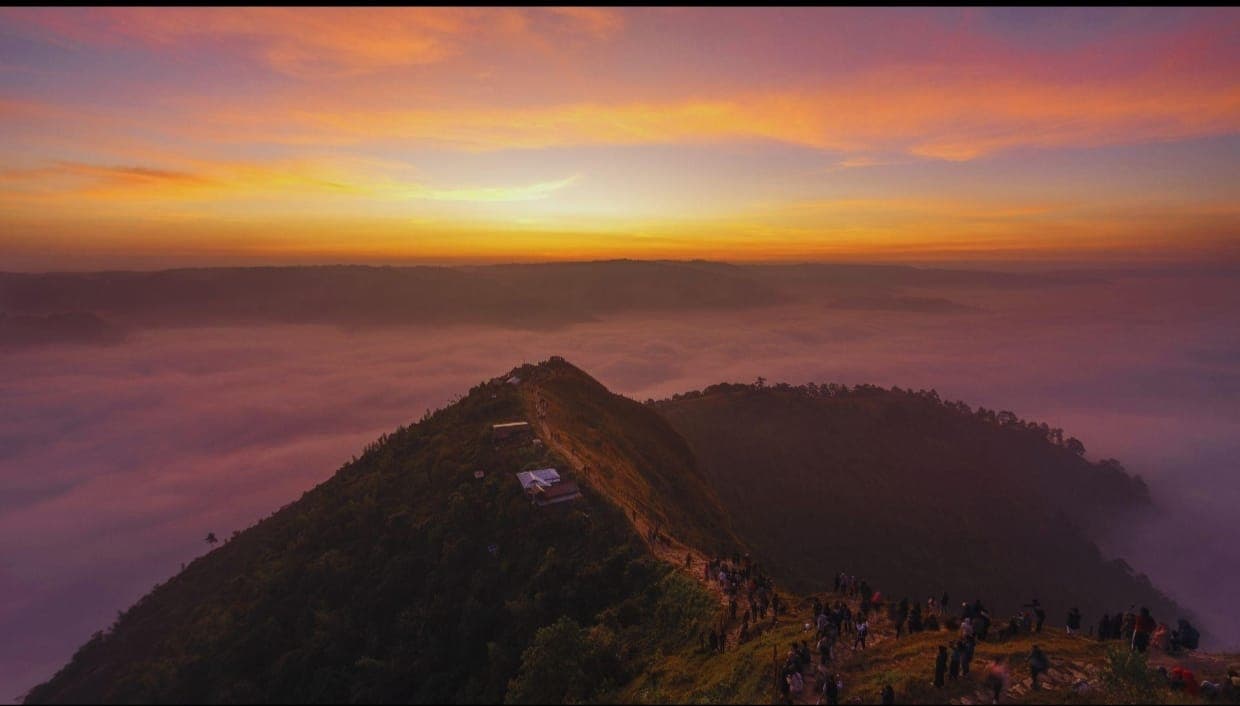
Travellers interested in Meghalaya's dramatic landscapes can also explore destinations such as Nongjrong, another East Khasi Hills experience known for its spectacular mountain and cloud views. The destination is included in NEexplore NOW's Hidden Meghalaya Travel Guide 2026.
5. Photograph the Village Responsibly
Kongthong can be an excellent destination for photographers.
The surrounding hills provide beautiful landscape opportunities, while village life creates opportunities for cultural photography.
However, responsible photography is essential.
Before photographing people: ask for permission.
Before entering private property: ask first.
Before recording traditional melodies: respect the wishes of the community.
The goal should be to capture the beauty of Kongthong without turning local people into subjects without consent.
For photographers interested in more remote Meghalaya landscapes, the Offbeat Meghalaya: Beyond the Tourist Trail collection offers inspiration for planning a wider route.
6. Enjoy a Local Village Experience
If your travel dates and arrangements allow, spending time with a local host can make the experience more meaningful.
A village-based stay or locally guided experience gives you the opportunity to understand the destination at a slower pace.
Instead of seeing Kongthong only between two long drives, you can experience the village when it is quiet—early in the morning or later in the afternoon.
For travellers who prefer meaningful experiences over luxury sightseeing, this can be one of the strongest reasons to include Kongthong in a Meghalaya itinerary.
7. Try Local Khasi Food
Food is another way to understand a destination.
If a local meal or homestay experience is available, consider trying traditional Khasi dishes prepared with locally available ingredients.
Do not expect a standard restaurant menu.
The experience is about simplicity, freshness and understanding how food fits into local life.
Travellers with specific dietary requirements should communicate their preferences in advance, especially when staying in remote villages.
8. Explore Meghalaya's Hidden Side
Kongthong becomes even more interesting when it is included in a wider offbeat Meghalaya itinerary.
Instead of spending your entire holiday around the most famous tourist attractions, you can combine Kongthong with lesser-known villages, viewpoints, waterfalls and adventure destinations.
For travellers interested in a more adventurous route, Krem Chympe Cave and Khaddum Falls offer a completely different experience involving remote roads, forest landscapes, cave exploration and waterfall scenery. You can read the detailed Krem Chympe Cave & Khaddum Falls Travel Guide 2026 before planning that experience.
The important thing is to avoid putting too many destinations into one day.
9. Spend Time Listening
This may sound simple, but it is one of the most meaningful things you can do in Kongthong.
Listen to the village.
Listen to the wind moving through the trees.
Listen to everyday conversations.
And, if you are fortunate enough to experience the traditional calling melodies respectfully, listen to those too.
The soundscape is part of what makes Kongthong unique.
In a world where travellers often move quickly from one attraction to another, simply listening can become a memorable travel experience.
10. Enjoy a Quiet Sunrise or Evening
If you are staying nearby or your itinerary allows enough time, try to experience Kongthong during the softer hours of the day.
Early morning can bring peaceful village surroundings, while late afternoon creates beautiful light across the hills.
There may be no grand attraction involved.
Sometimes the best memory is simply sitting somewhere quiet and watching the landscape change.
This is one reason Kongthong works particularly well for couples, photographers and travellers who enjoy slow, meaningful journeys.
11. Combine Kongthong with Other Meghalaya Experiences
Kongthong does not have to be your only offbeat destination.
Depending on your route and available days, you can combine it with:
- Nongjrong - Mawlyngbna - Wari Chora - Phe Phe Falls - Shnongpdeng - Dawki - Cherrapunji - Living Root Bridge destinations - Krem Chympe - Khaddum
The key is route planning. A good itinerary should group destinations logically rather than sending travellers back and forth across Meghalaya.
12. Experience Kongthong as Part of a Cultural Meghalaya Trip
If culture is your main interest, Kongthong can become one of the highlights of your trip.
You can combine it with other experiences involving Khasi villages, traditional food, living-root bridges, local communities and rural landscapes.
NEexplore NOW's website describes its Meghalaya journeys as focused on offbeat destinations, remote villages, local homestays and experiences beyond the usual tourist trail.
This makes Kongthong a natural fit for travellers who want something more personal than a standard sightseeing package.
13. Visit Nearby Destinations Without Rushing
One mistake travellers often make in Meghalaya is trying to see everything.
They may start the morning in Shillong, visit a remote village, drive to a waterfall, cross to another district and still expect to reach their hotel early.
That approach can turn a beautiful journey into a tiring one.
Instead, choose a few experiences and give them enough time.
For example: Kongthong + one nearby cultural or nature experience can often be more rewarding than Kongthong + five rushed sightseeing points.
14. Extend Your Journey into Assam
If you have additional days, Kongthong can become part of a larger Assam–Meghalaya itinerary.
After exploring Meghalaya, you can travel towards Assam for wildlife and cultural experiences.
Kaziranga National Park is an excellent option for travellers interested in wildlife, especially the famous one-horned rhinoceros.
NEexplore NOW currently offers a Guwahati & Kaziranga Wildlife Getaway as well as longer Assam–Meghalaya combinations.
This allows you to experience two very different sides of Northeast India: Meghalaya's mountains and Khasi culture + Assam's grasslands and wildlife.
15. Continue Towards Arunachal Pradesh
For travellers with more time, the journey does not have to end in Meghalaya.
You can continue towards Arunachal Pradesh, where the landscape changes from green Khasi hills to high Himalayan mountains.
Tawang is particularly popular for travellers looking for monasteries, mountain passes, valleys and dramatic Himalayan scenery.
NEexplore NOW's Budget Tawang Tour Package from Guwahati includes destinations such as Tawang Monastery, Sela Pass, Madhuri Lake, Bumla Pass, Jang Waterfall and Sangti Valley.
For travellers planning an extended Northeast India road trip, this creates an impressive combination of Meghalaya + Assam + Arunachal Pradesh.
How Many Days Do You Need for Kongthong?
For a basic visit, you do not necessarily need several days inside Kongthong.
However, if your goal is to experience the village rather than simply photograph it, allow enough time for travel, village exploration, cultural interaction, photography, relaxation and unexpected delays.
A slower itinerary is especially valuable when travelling to remote areas.
Ready to Experience the Hidden Side of Meghalaya & Northeast India?
Turn your travel dreams into reality with NEexplore NOW. Explore Meghalaya's hidden waterfalls, offbeat trails, ancient caves, and authentic local experiences through carefully crafted tour packages across Northeast India.
Where to Stay, Eat & Experience Village Life
A visit to Kongthong Village is not only about reaching the famous Whistling Village, taking a few photographs and leaving. If you want to understand why this destination feels different, spending enough time around the village can make the experience much more meaningful.
Kongthong is a rural destination, and travellers should approach accommodation here differently from a conventional Meghalaya holiday. You should not expect a large selection of luxury hotels, branded resorts or busy commercial areas. Instead, the appeal lies in simple stays, local hospitality and the opportunity to experience village life more closely.
For travellers planning a wider Meghalaya journey, our Meghalaya Tour Packages can help you build an itinerary around your preferred travel style, whether you are travelling as a couple, family or small private group.
Is There Accommodation in Kongthong?
Kongthong is a relatively remote village, so accommodation options are much more limited than in Shillong or Cherrapunji.
The experience is therefore more suitable for travellers who value authenticity over hotel facilities.
Depending on availability, visitors may find village-based stays or homestay-style accommodation in and around the region.
Before travelling, confirm the availability of your stay rather than assuming that a room will be available after reaching the village.
This is especially important during busy travel periods such as Christmas, New Year and long weekends.
If you prefer more accommodation choices and want to explore Kongthong as a day excursion, staying in a better-connected Meghalaya destination can also be a practical alternative.
What Is a Kongthong Homestay Like?
A homestay experience in a rural Meghalaya village is generally very different from staying in a conventional hotel.
The atmosphere is usually simpler and more personal.
You may stay in a family-run property where the hosts are also part of the local community.
Instead of a formal hotel reception, room service and multiple facilities, the focus is often on:
- Local hospitality - Home-style food - Village surroundings - Personal interaction - Cultural understanding - A peaceful atmosphere
For many travellers, this simplicity is actually the highlight.
A Kongthong homestay is not necessarily about luxury. It is about being closer to the place you came to experience.
Should You Stay Overnight in Kongthong?
It depends on your travel style.
If your main goal is simply to see the village and learn about its famous calling tradition, a well-planned day visit may be enough.
However, staying overnight can offer a slower experience.
You can arrive without rushing, spend more time walking around the village and enjoy the quieter atmosphere in the evening.
Early morning can also feel very different from daytime when there are fewer visitors around.
For travellers interested in cultural tourism and slow travel, an overnight stay can therefore be worthwhile.
Alternative: Stay in Shillong
If you prefer more comfortable hotels, restaurants and easy access to transport, Shillong can be a better accommodation base.
You can travel to Kongthong during the day and return to Shillong according to your itinerary.
This option works particularly well for:
- Families - First-time Meghalaya visitors - Travellers who prefer hotels - Short Meghalaya trips - Visitors who want more restaurant choices
It also allows you to combine Kongthong with other Shillong-area attractions.
Before finalising your stay, you can use our Shillong Travel Guide to understand the city and its surrounding routes.
What About Staying in Cherrapunji?
Cherrapunji can also work as an accommodation base depending on your overall route, although the geography should be considered carefully.
If Kongthong is your main priority, adding a long detour simply to stay in another destination may not make sense.
A good itinerary should reduce unnecessary backtracking.
This is why customized planning can be more useful than simply following a fixed list of popular destinations.
If you are comparing different Meghalaya routes, explore our Cherrapunji Travel Guide before deciding where to spend your nights.
What Food Can You Expect?
Food is one of the easiest ways to connect with a local culture.
In Kongthong and surrounding Khasi communities, visitors may get the opportunity to experience simple home-style meals prepared with locally available ingredients.
Traditional Khasi cuisine is known for its relatively straightforward preparation and use of fresh ingredients.
Depending on the host and availability, meals may include rice, vegetables, meat or other locally prepared dishes.
Vegetarian travellers should communicate their dietary requirements in advance.
The same applies to travellers with allergies or specific food restrictions.
In a remote village, food options may not be as extensive as they are in Shillong, so expectations should remain realistic.
Trying Local Khasi Cuisine
If you are interested in food experiences, do not judge a local meal by the standards of a city restaurant.
A village meal is about understanding what local families eat and how food is prepared within the community.
You may find dishes that are simple, comforting and very different from the restaurant-style versions of Northeast Indian cuisine available elsewhere.
This is one reason a homestay can be more interesting than simply eating at a commercial restaurant.
You are not only tasting food—you are learning something about the local lifestyle.
What Should Vegetarians Know?
Vegetarian travellers can visit Kongthong, but it is better to communicate their preferences before arrival.
Because the village is remote, there may not be a large selection of dedicated vegetarian restaurants.
If you are booking a homestay, tell the host in advance that you need vegetarian meals.
For families travelling with children, carrying a few familiar snacks can also be helpful.
Planning ahead makes the experience much more comfortable.
What About Children?
Kongthong can be an interesting destination for families because it offers something educational as well as scenic.
Children can learn about:
- Khasi culture - Village life - Traditional communication - Nature - Rural communities - Responsible tourism
However, parents should avoid expecting the destination to offer the same facilities as a major tourist town.
Keep children comfortable, carry snacks and water, and supervise them during village walks.
For a more relaxed family journey, you can explore our Meghalaya Family Tour Experiences and build Kongthong into a suitable route.
What About Couples?
For couples, Kongthong can be an appealing alternative to crowded tourist destinations.
The village does not offer the typical honeymoon-resort experience.
Instead, it provides quiet roads, green landscapes, cultural experiences and time away from busy tourist centres.
Couples who enjoy photography, nature and slow travel may find the experience especially rewarding.
If you want to combine Kongthong with a broader romantic trip, our Meghalaya Couple Tour Packages can be useful for planning a private itinerary.
Is Kongthong Suitable for Solo Travellers?
Yes, particularly for travellers who enjoy cultural experiences.
Solo visitors should simply plan transport and accommodation in advance because the destination is remote.
Having a local guide or driver can make the experience easier and also help you understand local customs.
Solo travellers should avoid treating the village as a place for unrestricted exploration. Respect local homes, private areas and community rules.
The more respectfully you travel, the more meaningful the experience becomes.
What Should You Pack for a Village Stay?
If you decide to stay overnight or spend an extended period around Kongthong, pack thoughtfully:
- Comfortable walking shoes - Light warm clothing - Rain jacket or umbrella - Reusable water bottle - Power bank - Personal medicines - Small torch - Basic toiletries - Cash - Snacks - Camera or phone
During the monsoon, waterproof bags for electronics are especially useful.
The goal is to pack light but remain prepared for changing mountain weather.
The Perfect Itinerary for an Unforgettable Village Experience
Kongthong is best experienced slowly. You do not need to spend every hour visiting attractions. Instead, the ideal Kongthong Village itinerary should leave enough time for the road journey, village exploration, cultural interaction and the surrounding landscape.
For travellers who want to include Kongthong in a larger Meghalaya holiday, the destination can fit naturally into a route covering Shillong, Cherrapunji, Dawki and several offbeat locations.
If you are still deciding how many days to spend in Meghalaya, our How Many Days Are Enough for Shillong & Meghalaya? guide can help you choose a suitable trip length.
A Relaxed Kongthong Day Trip
If you have limited time, Kongthong can be planned as a dedicated day experience.
A comfortable day could look like this:
- Morning: Start from your accommodation early and begin the drive towards Kongthong. - Late morning: Arrive in the village and take time to explore the surroundings. - Afternoon: Learn about the traditional calling melodies, interact respectfully with local residents and enjoy a village walk. - Late afternoon: Spend some quiet time enjoying the surrounding hills before beginning the return journey.
The exact timing should remain flexible because mountain-road conditions can change.
A private vehicle is particularly useful for this type of itinerary because you are not dependent on fixed transport schedules.
Kongthong as Part of a 5-Day Meghalaya Trip
If you have around five days, it is possible to include Kongthong while still experiencing some of Meghalaya's famous attractions.
- Day 1 — Guwahati to Shillong: Arrive in Guwahati and travel towards Shillong. Stop at Umiam Lake before checking into your Shillong accommodation. Spend the evening exploring Shillong at a relaxed pace. (Check our Guwahati Travel Guide 2026). - Day 2 — Shillong to Cherrapunji: Travel towards Cherrapunji and explore waterfalls, viewpoints and caves. (Check our Cherrapunji Travel Guide). - Day 3 — Cherrapunji to Dawki/Shnongpdeng: Continue towards Dawki and Shnongpdeng. Explore boating, kayaking or a riverside experience. (Check our Shnongpdeng Travel Experience). - Day 4 — Kongthong Experience: Start early and travel towards Kongthong. Spend the day exploring the village and learning about the famous Khasi calling tradition. - Day 5 — Shillong to Guwahati: Return towards Guwahati for your departure.
Kongthong in a 7-Day Meghalaya Itinerary
Seven days gives you much more flexibility. You can include Kongthong without sacrificing the major highlights.
- Day 1: Guwahati → Shillong - Day 2: Shillong sightseeing - Day 3: Shillong → Cherrapunji - Day 4: Cherrapunji waterfalls, caves and viewpoints - Day 5: Cherrapunji → Dawki → Shnongpdeng - Day 6: Shnongpdeng → Mawlynnong → Kongthong → Shillong - Day 7: Shillong → Guwahati
This kind of route combines famous Meghalaya attractions with a more cultural and offbeat experience. Check our Meghalaya Offbeat Tour Package.
Kongthong in an 8-Day Offbeat Meghalaya Journey
If you have eight days, you can slow the itinerary down considerably.
- Day 1: Guwahati → Shillong - Day 2: Shillong local exploration - Day 3: Shillong → Sohra - Day 4: Sohra waterfalls, caves and viewpoints - Day 5: Living Root Bridge experience - Day 6: Sohra → Dawki/Shnongpdeng - Day 7: Mawlynnong → Kongthong → Shillong - Day 8: Shillong → Guwahati
For a more adventurous version, check our Offbeat Meghalaya: Beyond the Tourist Trail style itinerary.
A 10-Day Meghalaya Itinerary With Kongthong
With ten days, you can give Kongthong more breathing space and include some of Meghalaya's remote experiences:
- Day 1: Guwahati → Shillong - Day 2: Shillong sightseeing - Day 3: Shillong → Sohra - Day 4: Sohra waterfalls and caves - Day 5: Living Root Bridge trek - Day 6: Sohra → Dawki → Shnongpdeng - Day 7: Shnongpdeng → Mawlynnong → Kongthong - Day 8: Kongthong cultural experience → Shillong - Day 9: Offbeat Meghalaya destination - Day 10: Shillong → Guwahati
Can You Add Krem Chympe to the Itinerary?
Yes, but it should be planned carefully. Krem Chympe Cave is a very different experience from Kongthong, involving remote travel, local guiding and cave exploration. Dedicated time is needed. Check the detailed Krem Chympe Cave & Khaddum Falls Travel Guide.
Can You Add Nongjrong?
Yes, particularly if you enjoy sunrise photography. Nongjrong offers spectacular sunrise and sea-of-clouds views. Check our Nongjrong Sunrise Viewpoint Guide 2026.
Can Kongthong Be Combined With Wari Chora?
Wari Chora is in South Garo Hills and requires a dedicated section of the itinerary. Check our Meghalaya Hidden Gems & Offbeat Escape package.
A Couple's Kongthong Itinerary
Focus on privacy, comfortable stays, and fewer long drives. Check our Meghalaya Honeymoon Tour Package.
A Family-Friendly Kongthong Itinerary
Prioritise comfort and rest. Check our Ultimate Meghalaya Family Tour Package.
Multi-State Extensions: Assam & Arunachal Pradesh
- Assam: Combine with Kaziranga and Majuli. Check our Assam Wildlife, Culture & Heritage Tour. - Arunachal Pradesh: Extend to Tawang via Sela Pass. Check our Kaziranga–Meghalaya–Tawang Grand Road Trip.
The Story Behind Kongthong’s Whistling Tradition
Kongthong is often called Meghalaya’s Whistling Village. But when you actually hear the story behind it, you realise that the village is not famous simply because people can whistle.
Here, certain melodic sounds have traditionally been used to call people. A person can have their usual name, but they may also be recognised by a special tune. It is a simple idea, but when you think about it, it feels quite unusual in today's world.
Imagine walking through the green hills of Kongthong and suddenly hearing a short melody coming from somewhere nearby. Someone may be calling a family member from a distance. There is no loud shouting—just a familiar tune travelling through the village.
For the people of Kongthong, this is not something created for tourists. It is connected with their everyday life and local culture. That is what makes the tradition interesting.
The surrounding landscape also makes the practice easier to understand. Kongthong is a quiet hill village, with homes, paths and open spaces spread across a green landscape. A distinctive sound can carry across these surroundings in a way that an ordinary voice may not.
Over time, this unusual tradition became closely associated with Kongthong, and visitors began to know it as the Whistling Village of Meghalaya.
But there is something important travellers should remember. The calling melodies are part of a living culture, not a tourist show. If you visit Kongthong, don't treat someone's personal tune as a performance that you can demand whenever you want.
Instead, listen. Ask questions respectfully. If someone is willing to explain the tradition, take the opportunity to learn from them.
That is perhaps the best way to experience Kongthong.
You come here expecting to see a beautiful Meghalaya village. But after spending some time here, you may realise that Kongthong is a place you experience with your ears as much as with your eyes.
And that is what makes the Whistling Village so special.
Frequently Asked Questions
What is Kongthong Village famous for?
Kongthong Village in Meghalaya is famous as the Whistling Village because of its unique traditional calling melodies used by local Khasi people.
Where is Kongthong Village located?
Kongthong is located in the East Khasi Hills of Meghalaya, surrounded by green hills and peaceful rural landscapes.
How do I reach Kongthong Village from Shillong?
The most convenient way to reach Kongthong from Shillong is by private car or taxi. A local driver is recommended because the destination is relatively remote.
What is the best time to visit Kongthong Village?
The best time to visit Kongthong is generally October to April. November to February is particularly comfortable for sightseeing and village walks.
Can I visit Kongthong Village during the monsoon?
Yes. Monsoon makes Kongthong exceptionally green and scenic, but heavy rainfall can affect road conditions and travel time. Keep your itinerary flexible.
Is Kongthong suitable for a family trip?
Yes, Kongthong can be included in a Meghalaya family tour, especially when the itinerary is planned at a relaxed pace with comfortable transportation.
Can couples visit Kongthong Village?
Yes. Kongthong is suitable for couples who enjoy peaceful villages, nature, culture and offbeat Meghalaya experiences away from crowded tourist areas.
Is a guide required in Kongthong?
A guide is not necessarily required for simply reaching the village, but a local guide can greatly improve the cultural experience by explaining the Khasi traditions and whistling-calling system.
Where can I stay near Kongthong Village?
Accommodation around Kongthong is more limited than in Shillong or Cherrapunji. Travellers can consider a local homestay where available or stay in a nearby major destination and visit Kongthong as a day trip.
How much does a Kongthong Village trip cost?
The total Kongthong Village travel cost depends on the number of travellers, vehicle, accommodation, food, trip duration and other destinations included in the itinerary.
Can Kongthong be combined with Cherrapunji and Dawki?
Yes. Kongthong can be included in a longer Meghalaya itinerary covering Shillong, Cherrapunji, Dawki, Shnongpdeng and other offbeat destinations.
Is Kongthong Village safe for tourists?
Kongthong is generally suitable for tourists, but visitors should respect local customs, avoid entering private areas without permission and follow the advice of local guides and drivers.
Why should I visit Kongthong Village Meghalaya?
You should visit Kongthong if you want to experience Khasi culture, traditional whistling melodies, peaceful village life and an authentic offbeat Meghalaya experience beyond the usual tourist circuit.
How far is Kongthong Village from Shillong?
Kongthong is located in the East Khasi Hills, and the journey from Shillong takes several hours depending on the route, weather and road conditions.
How far is Kongthong Village from Guwahati?
Travellers arriving from Guwahati generally travel through Shillong before continuing towards Kongthong. Total travel time depends on traffic, weather and stops.
Can I visit Kongthong Village in one day?
Yes, Kongthong can be visited as a day trip with proper planning. However, travellers who want a relaxed cultural experience may prefer spending more time in the area.
What is special about the Kongthong Whistling Village?
The village is particularly famous for its traditional melodic calling system, which is closely connected with Khasi community and cultural identity.
What should I carry for a Kongthong Village trip?
Carry comfortable shoes, rain protection, drinking water, a power bank, basic medicines, warm clothing and some cash, especially when travelling to remote areas.
Is mobile network available in Kongthong Village?
Mobile connectivity can be less reliable than in Shillong. It is advisable to download important maps and travel information before travelling.
Can I stay overnight in Kongthong Village?
Depending on availability, travellers may find local homestay-style accommodation. Booking in advance is recommended, particularly during peak travel periods.
Is Kongthong Village worth visiting in Meghalaya?
Yes. Kongthong is worth visiting for travellers interested in Khasi culture, village life, traditional melodies, nature and offbeat Meghalaya travel.
Ready to Explore the Hidden Side of Meghalaya?
Reading about Meghalaya's hidden gems is just the beginning. Experience these breathtaking destinations with NEexplore NOW through carefully curated offbeat journeys designed by local travel experts.
Whether you're planning a family holiday, honeymoon, adventure trip, or a customized itinerary, we'll help you discover the real Meghalaya beyond the tourist trail.