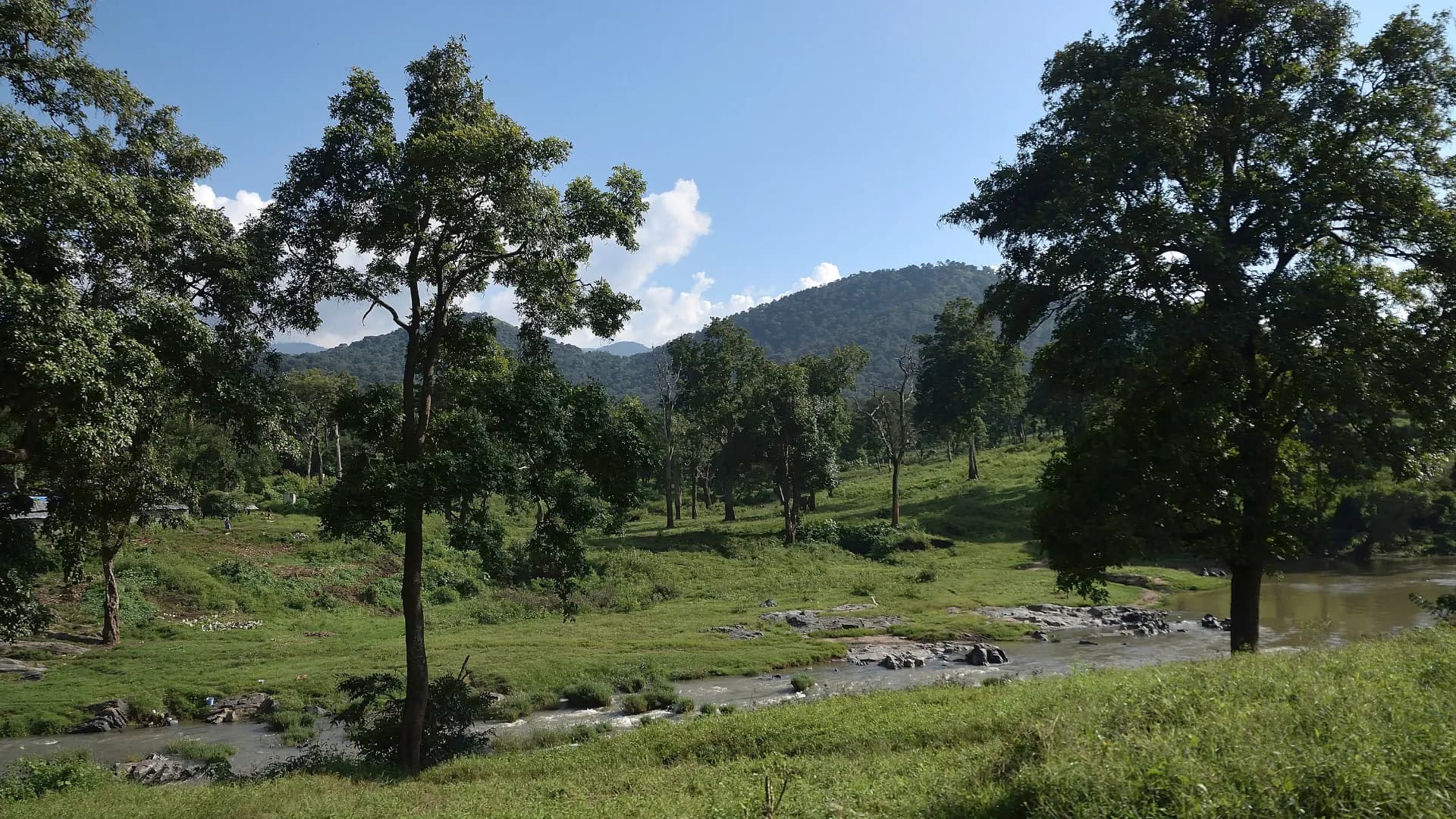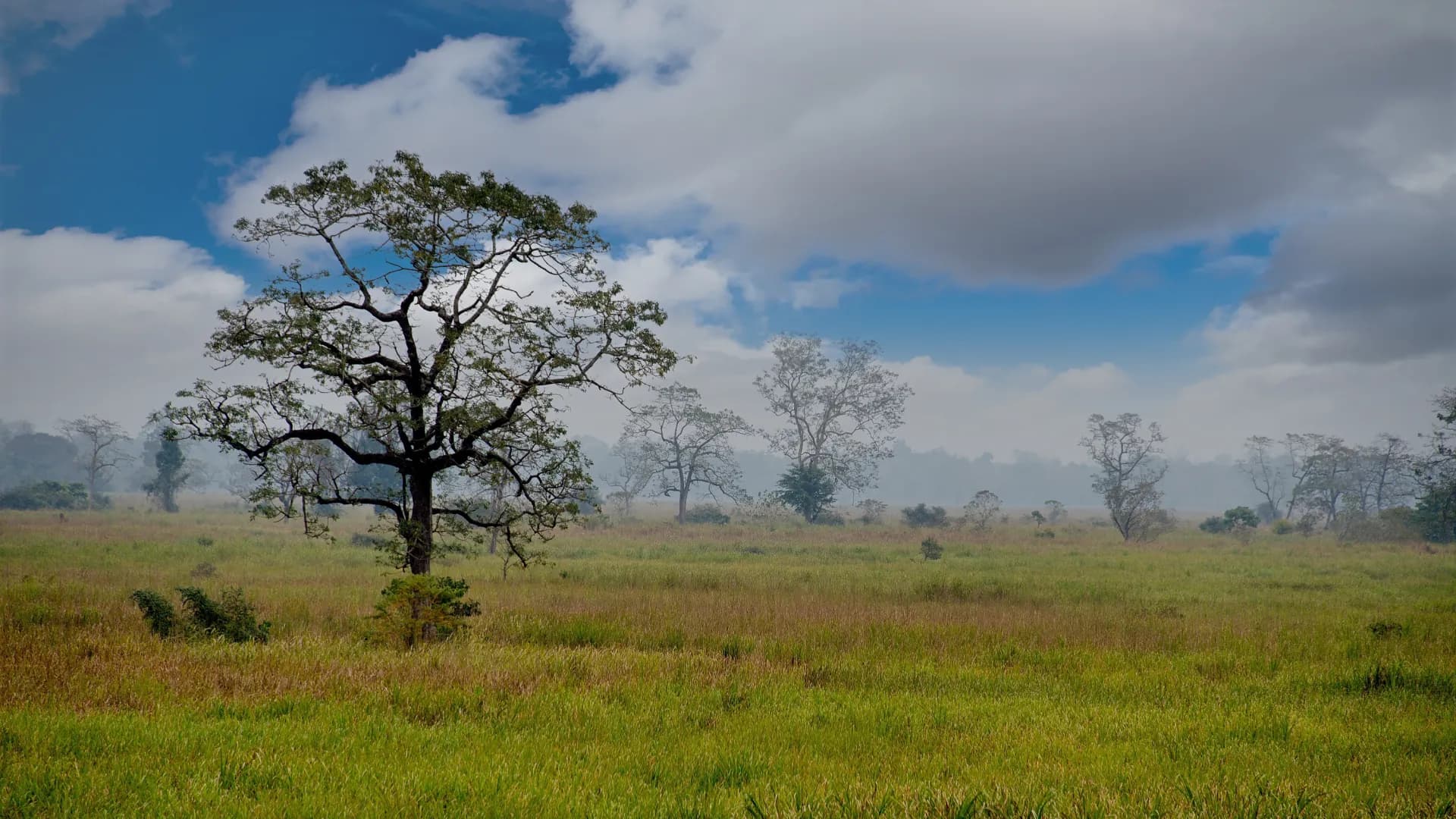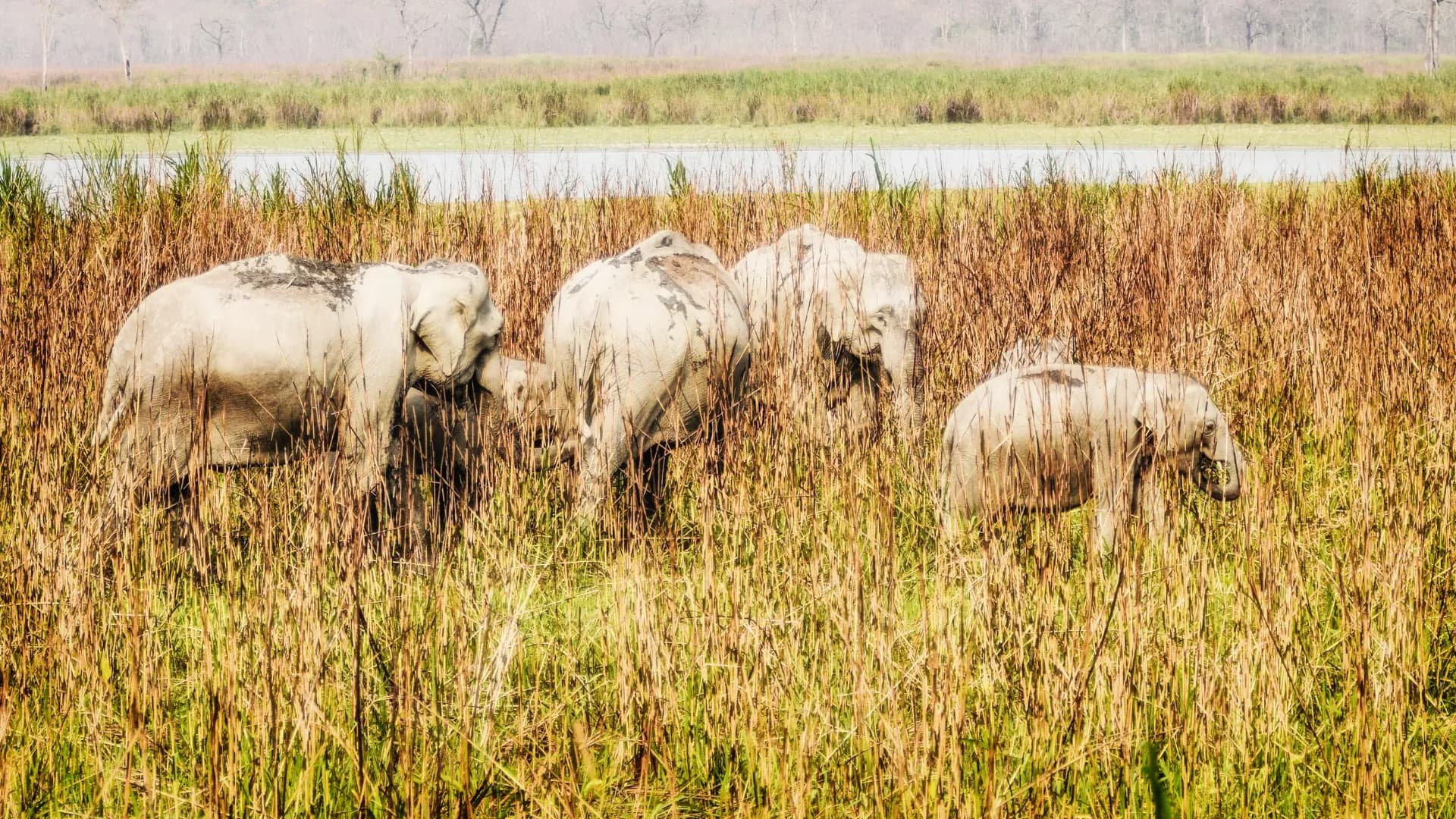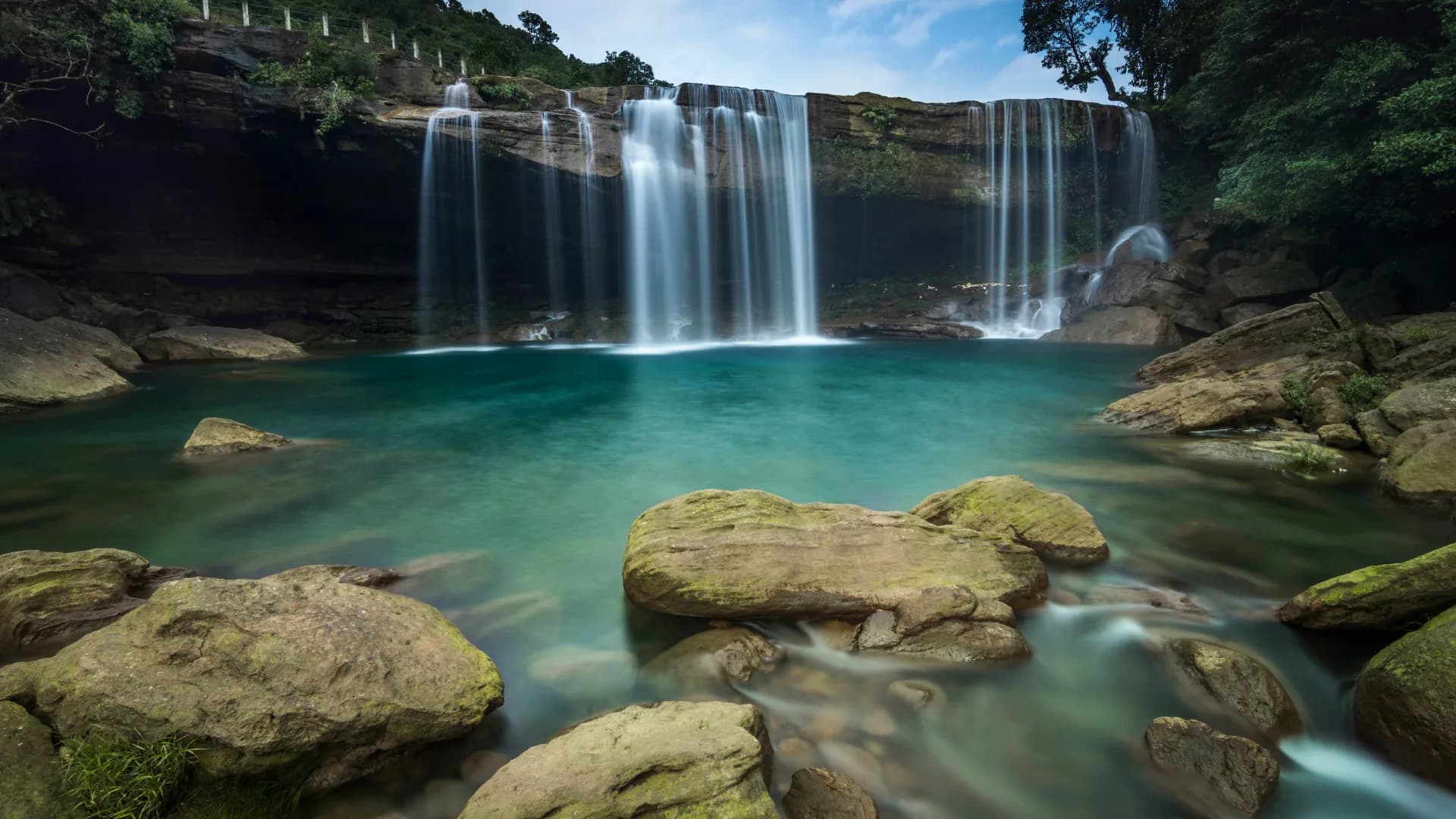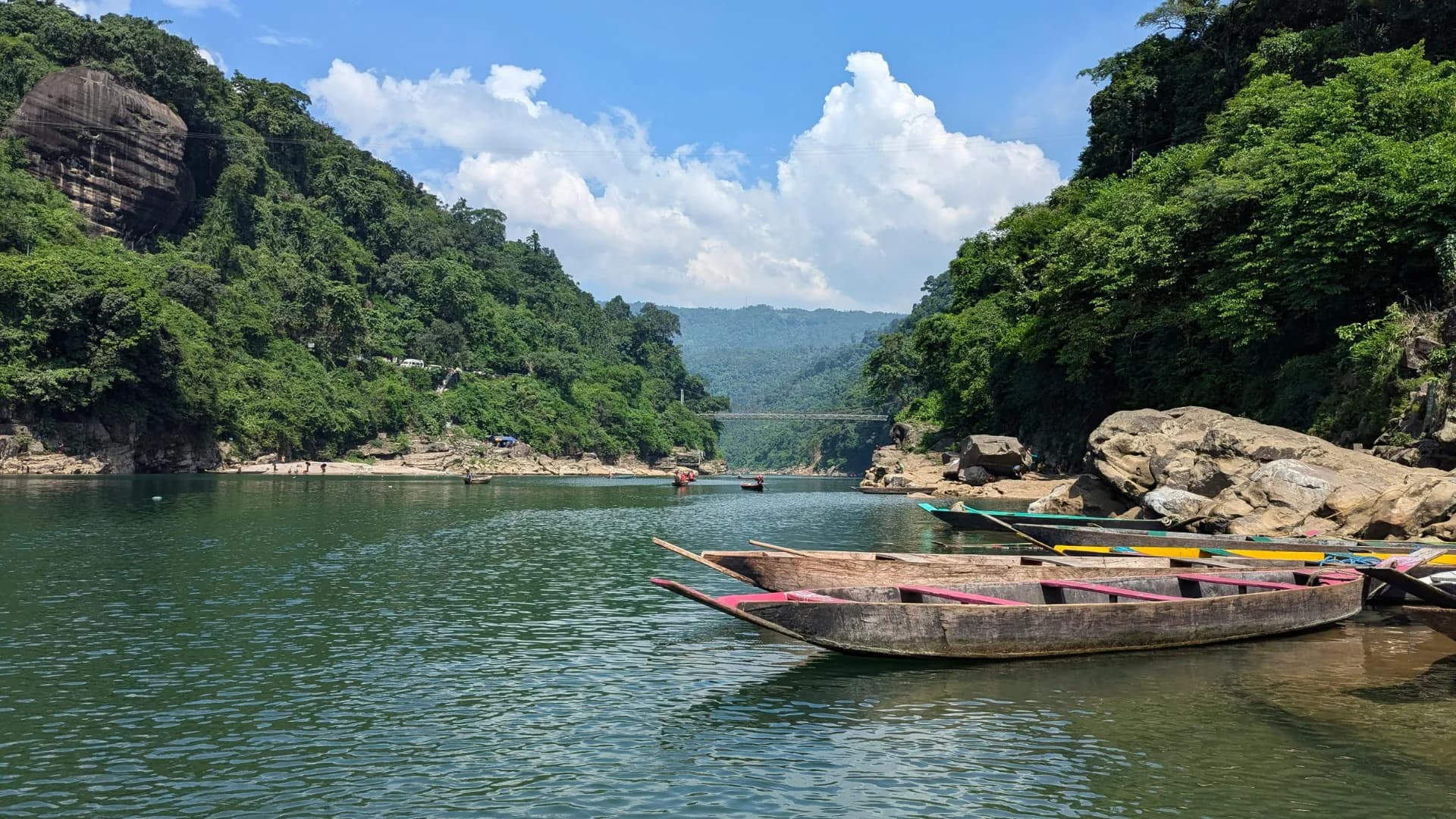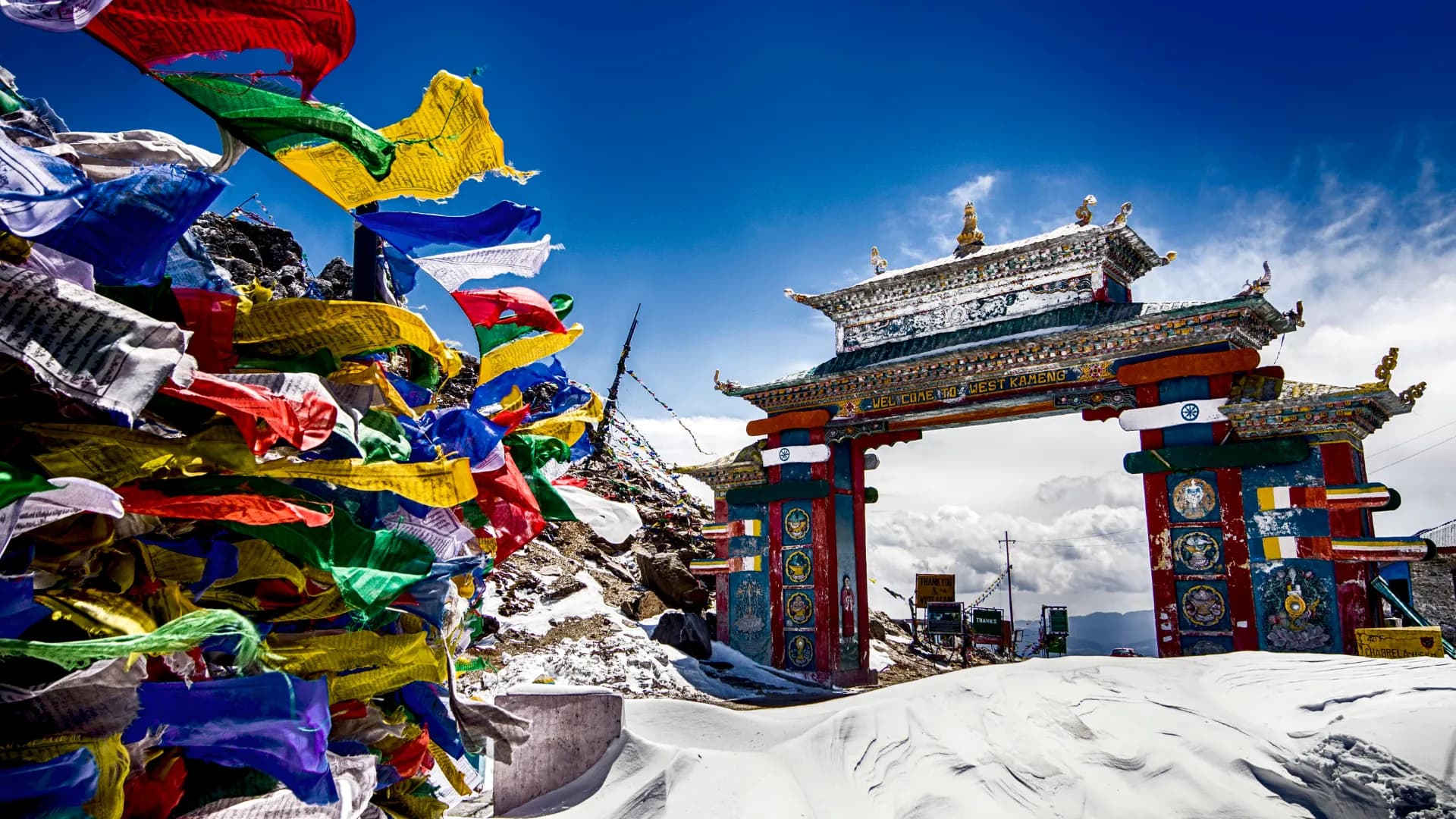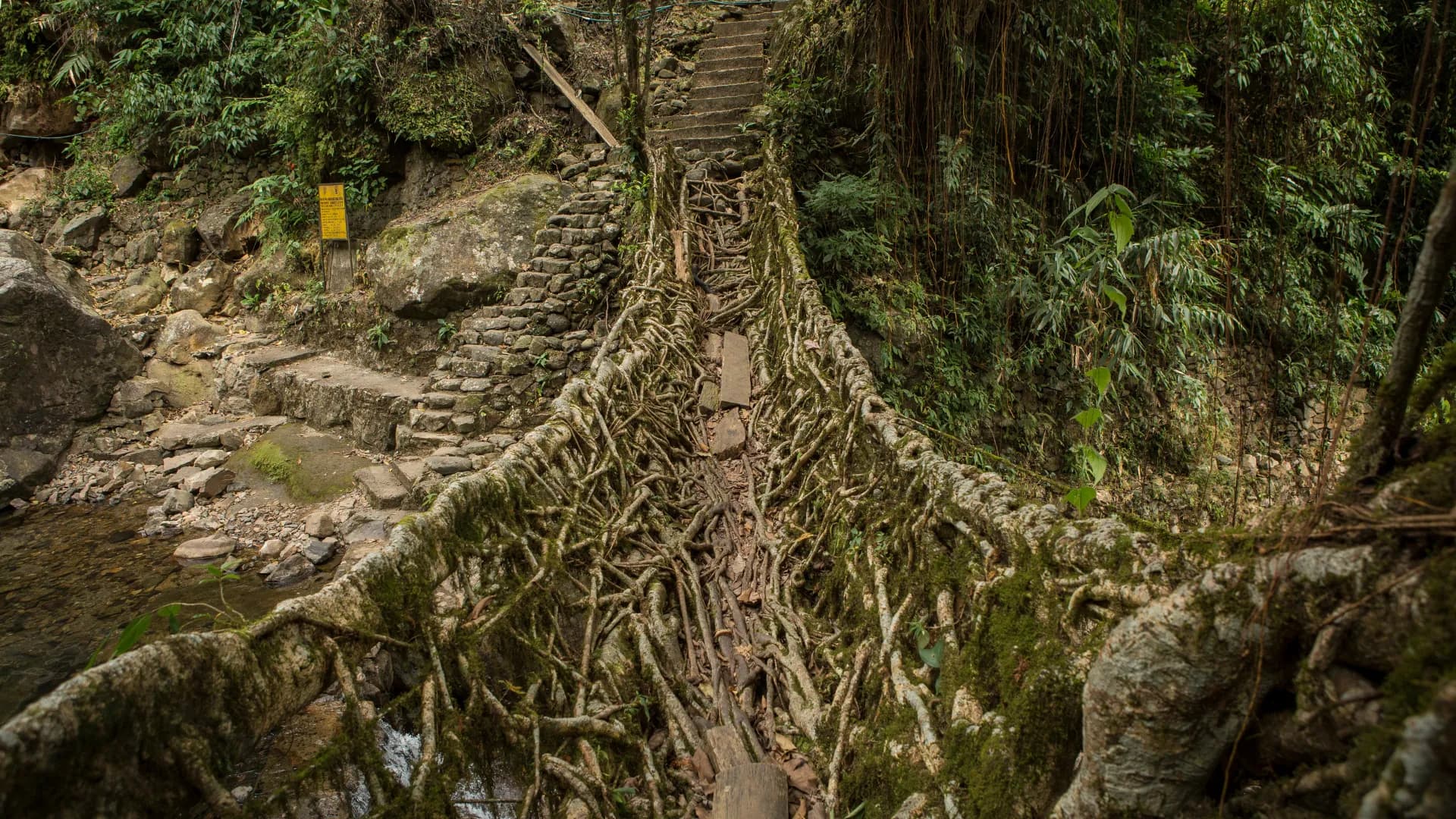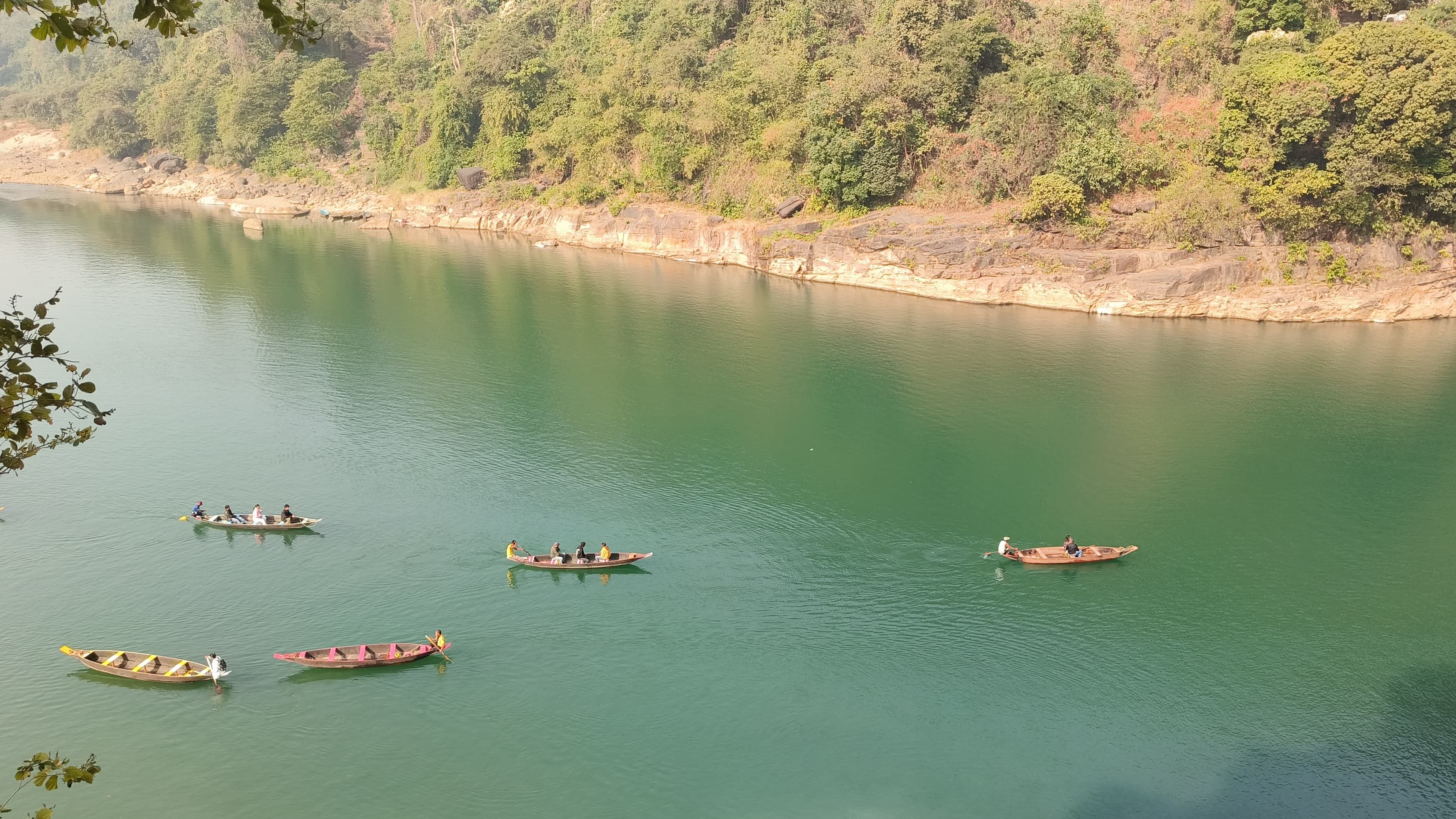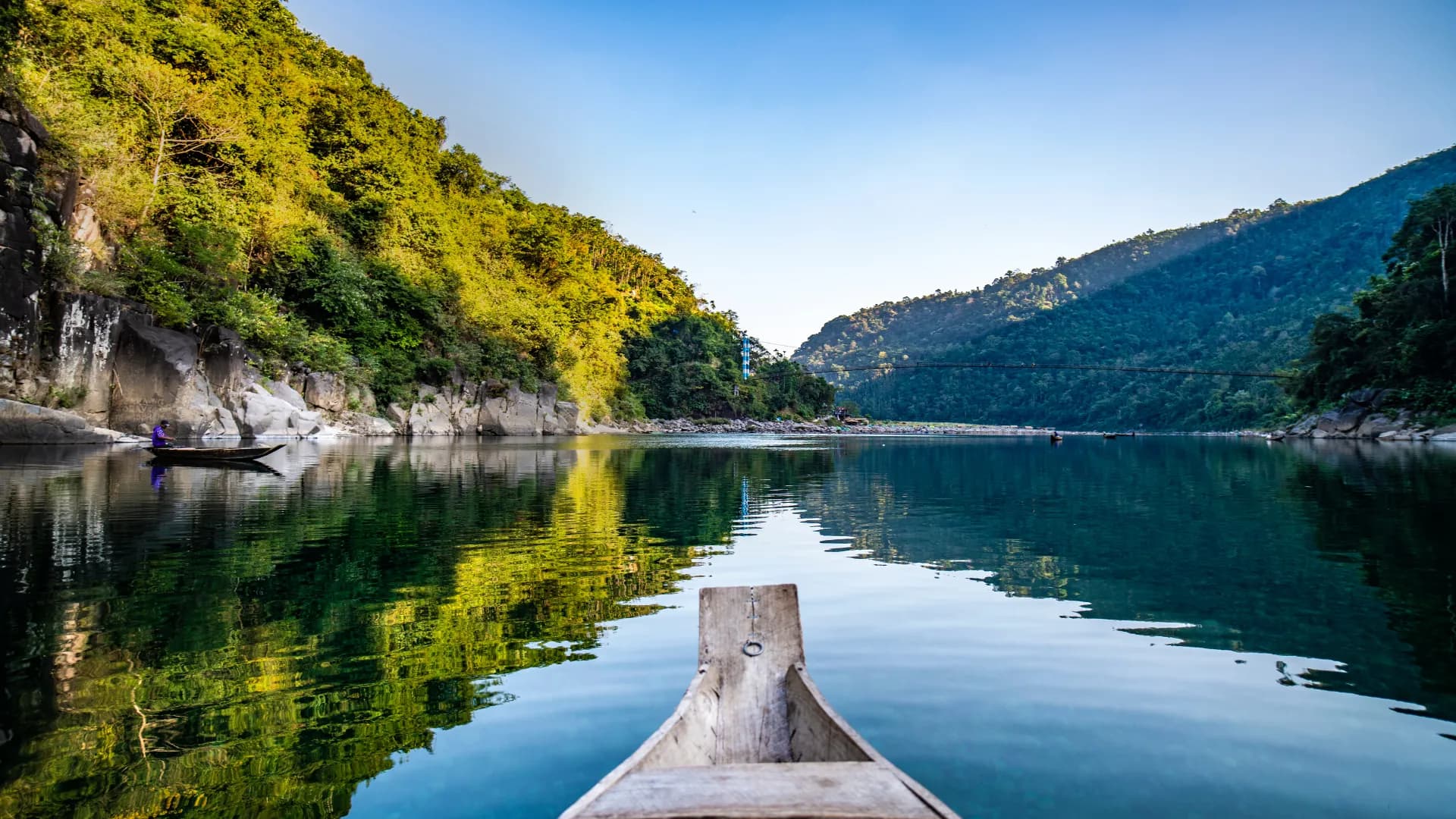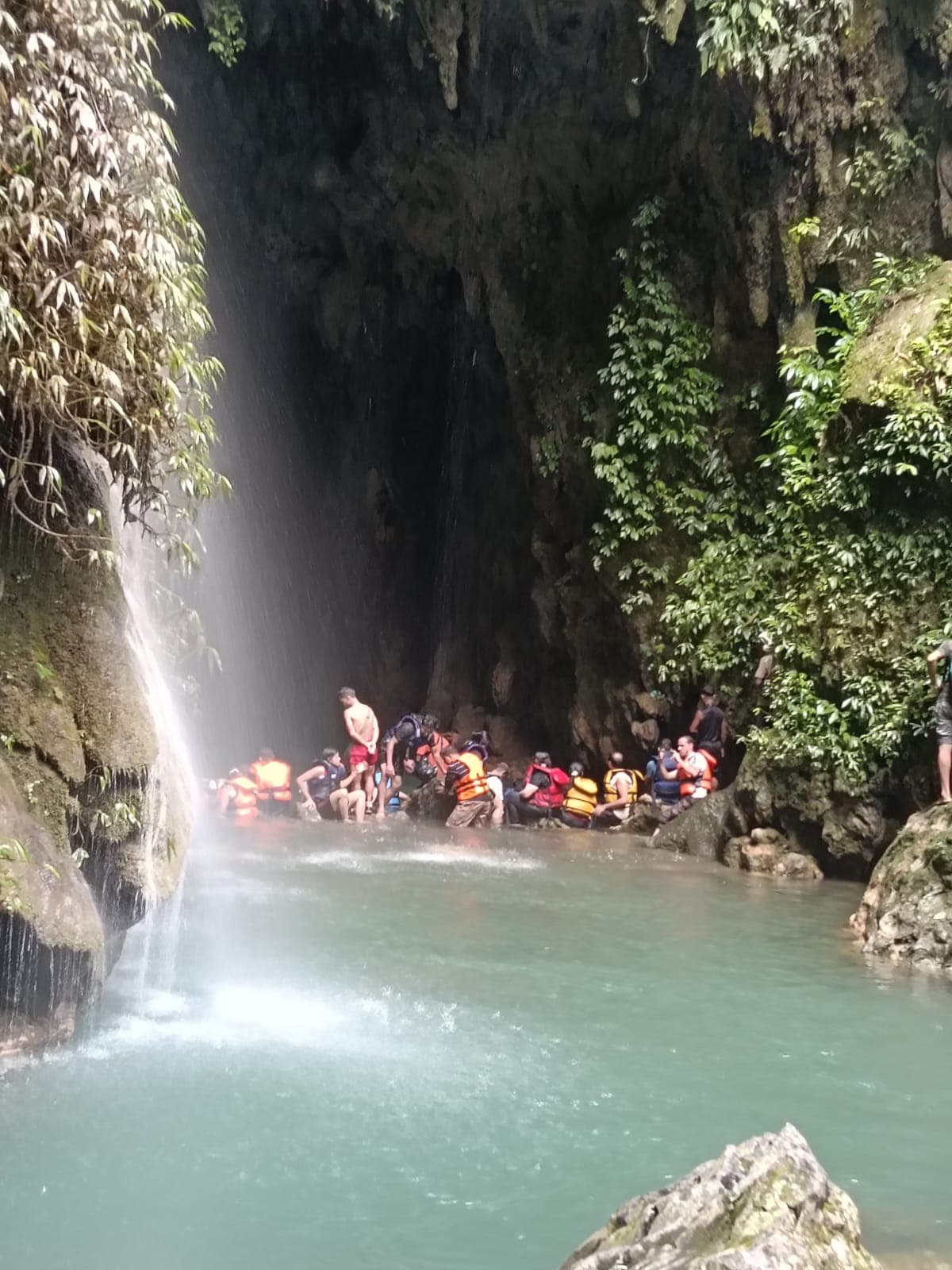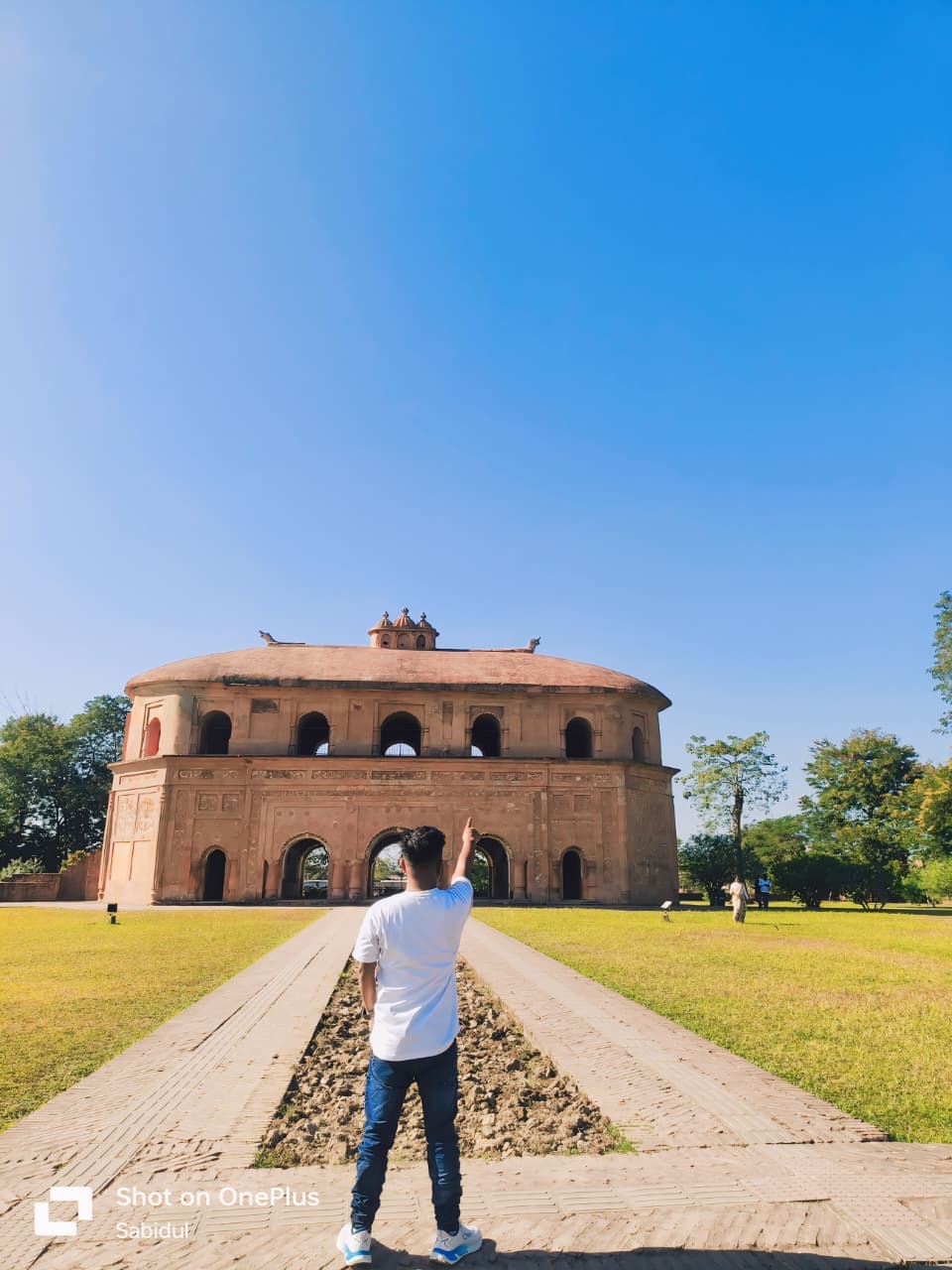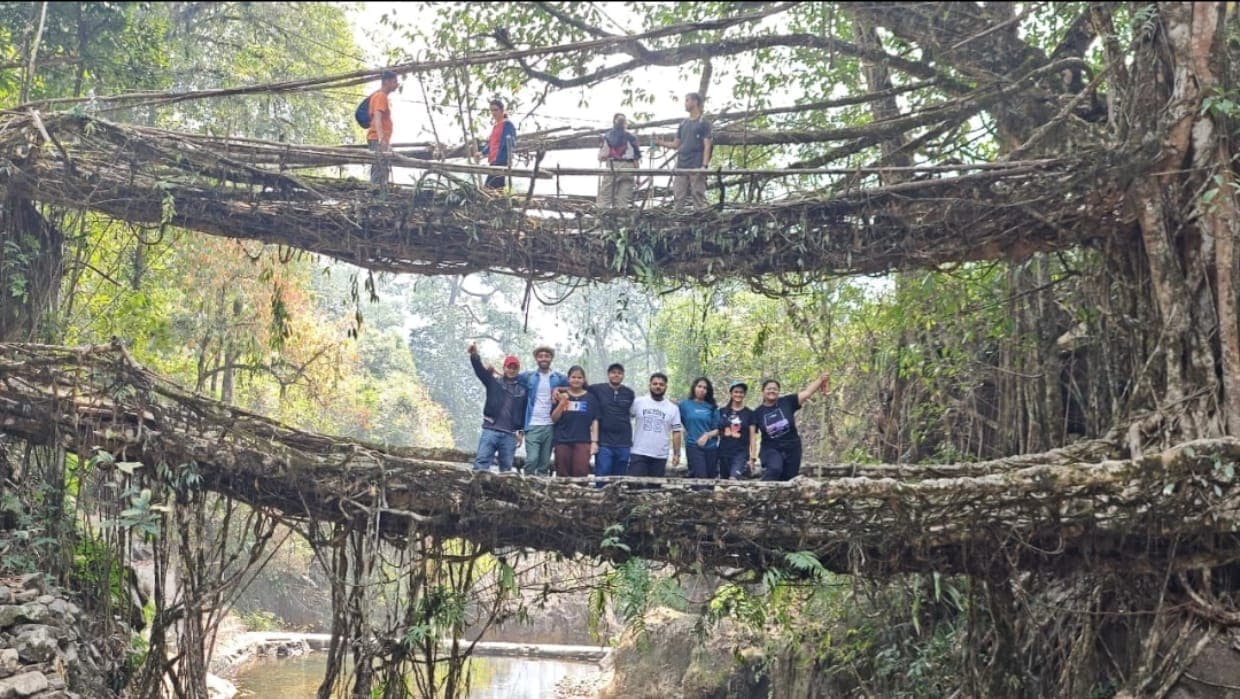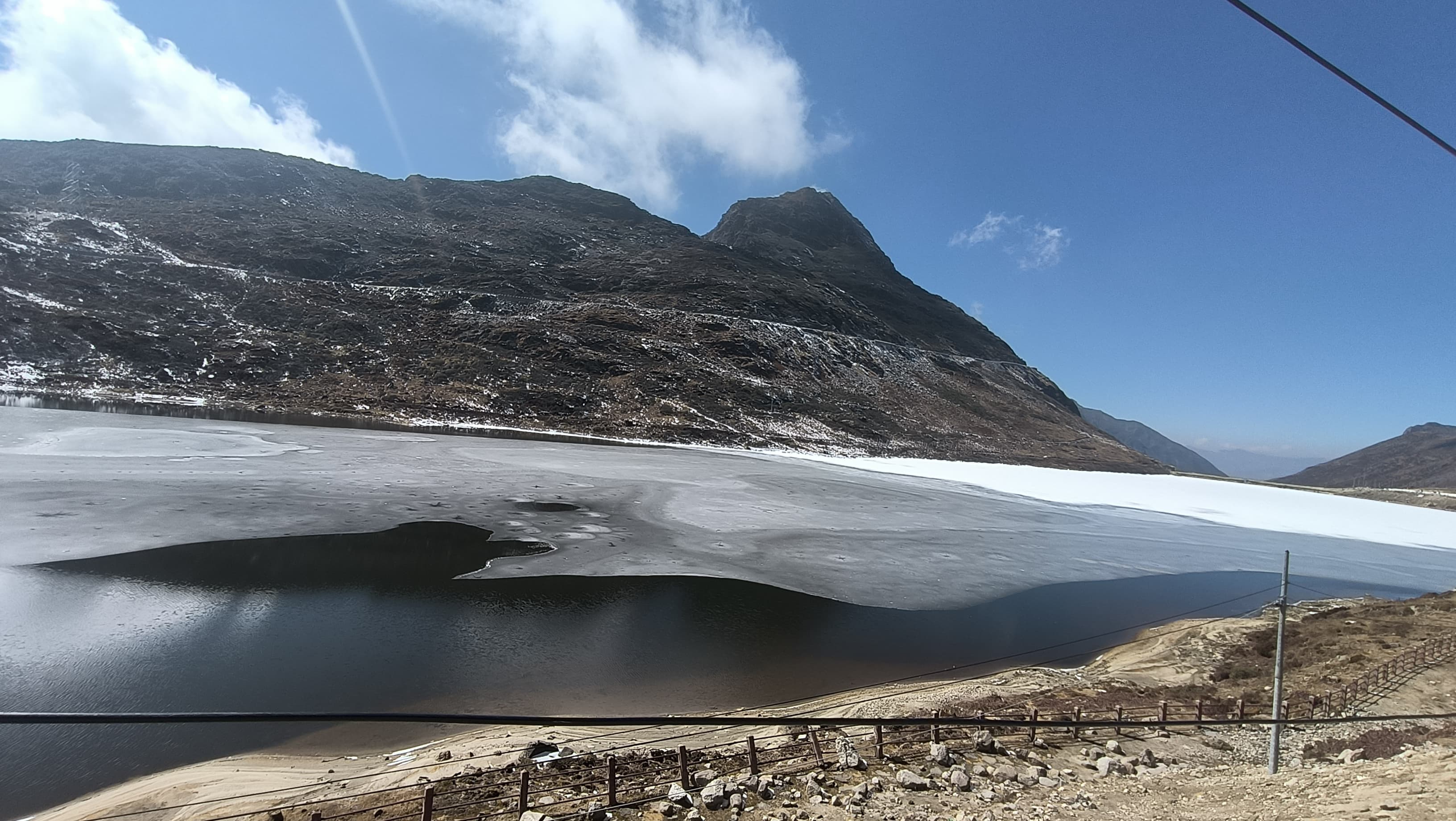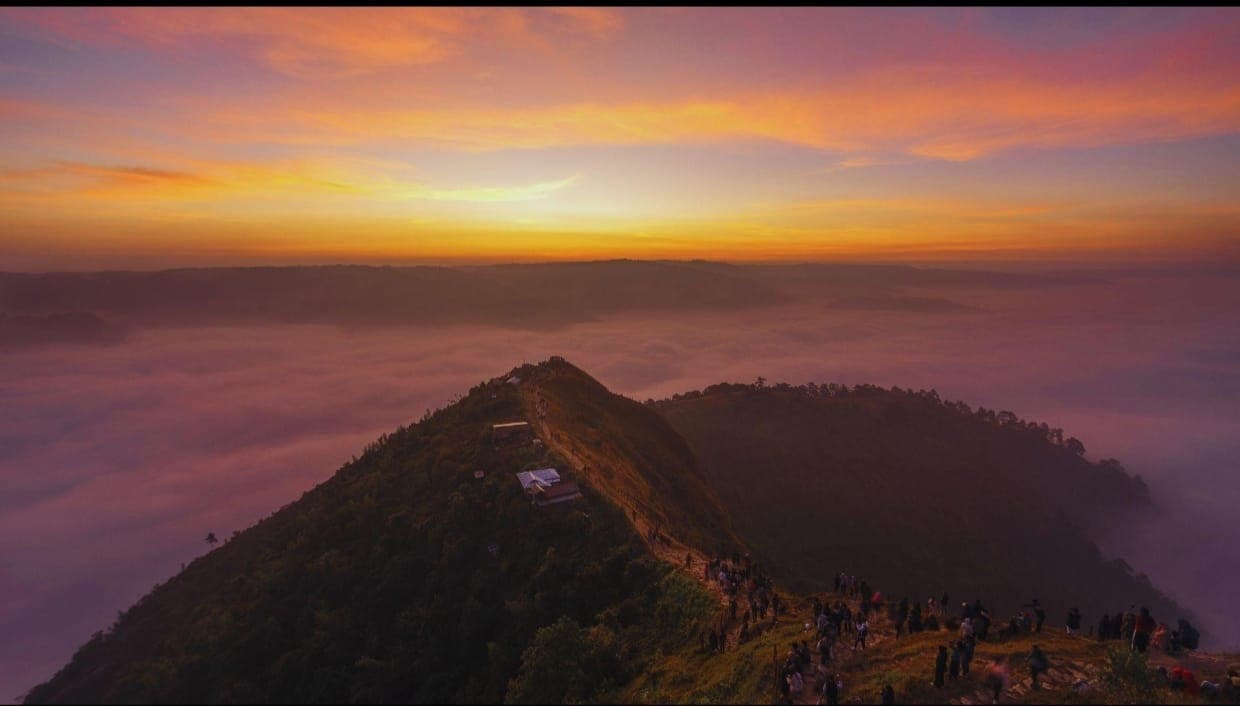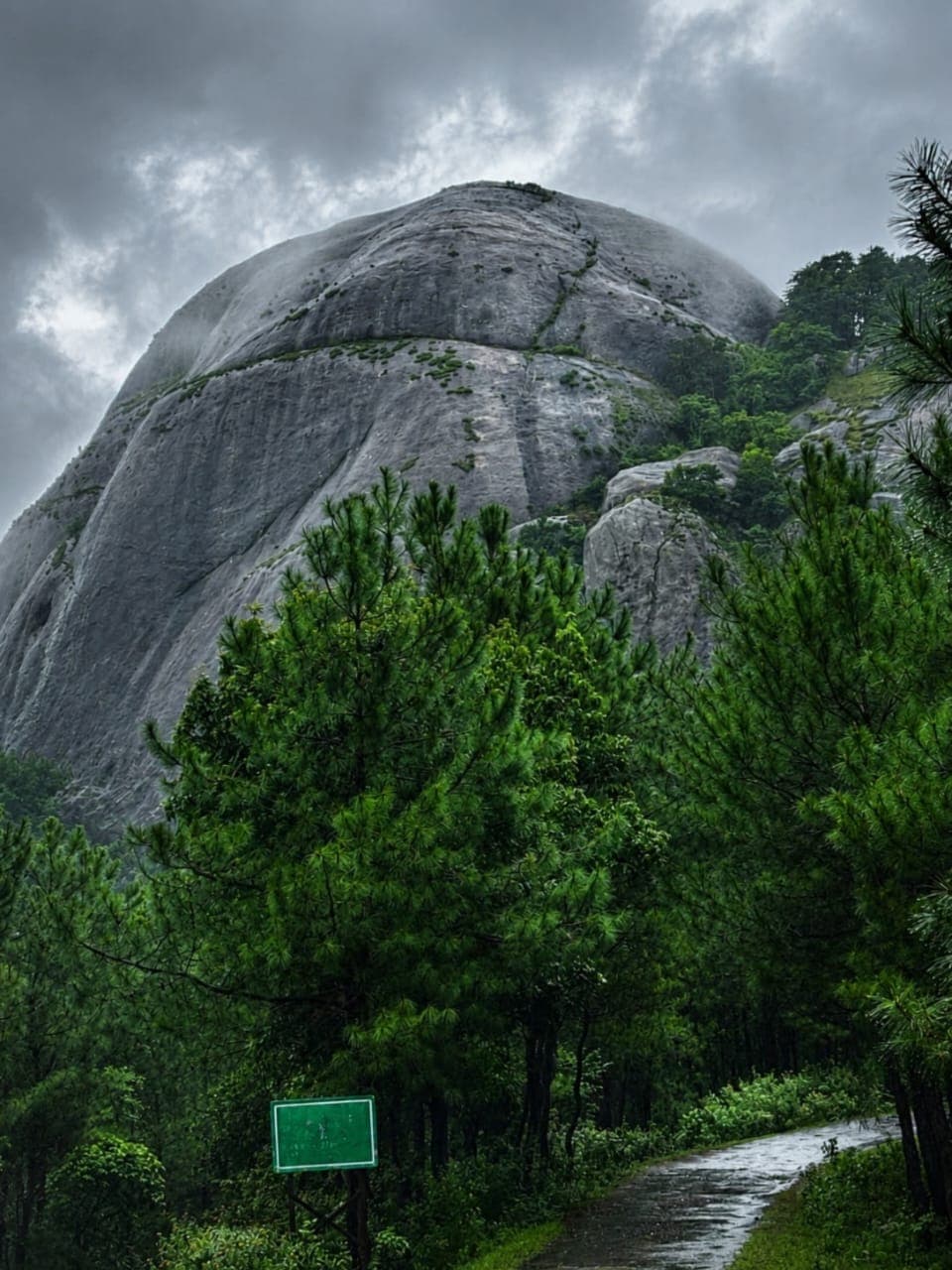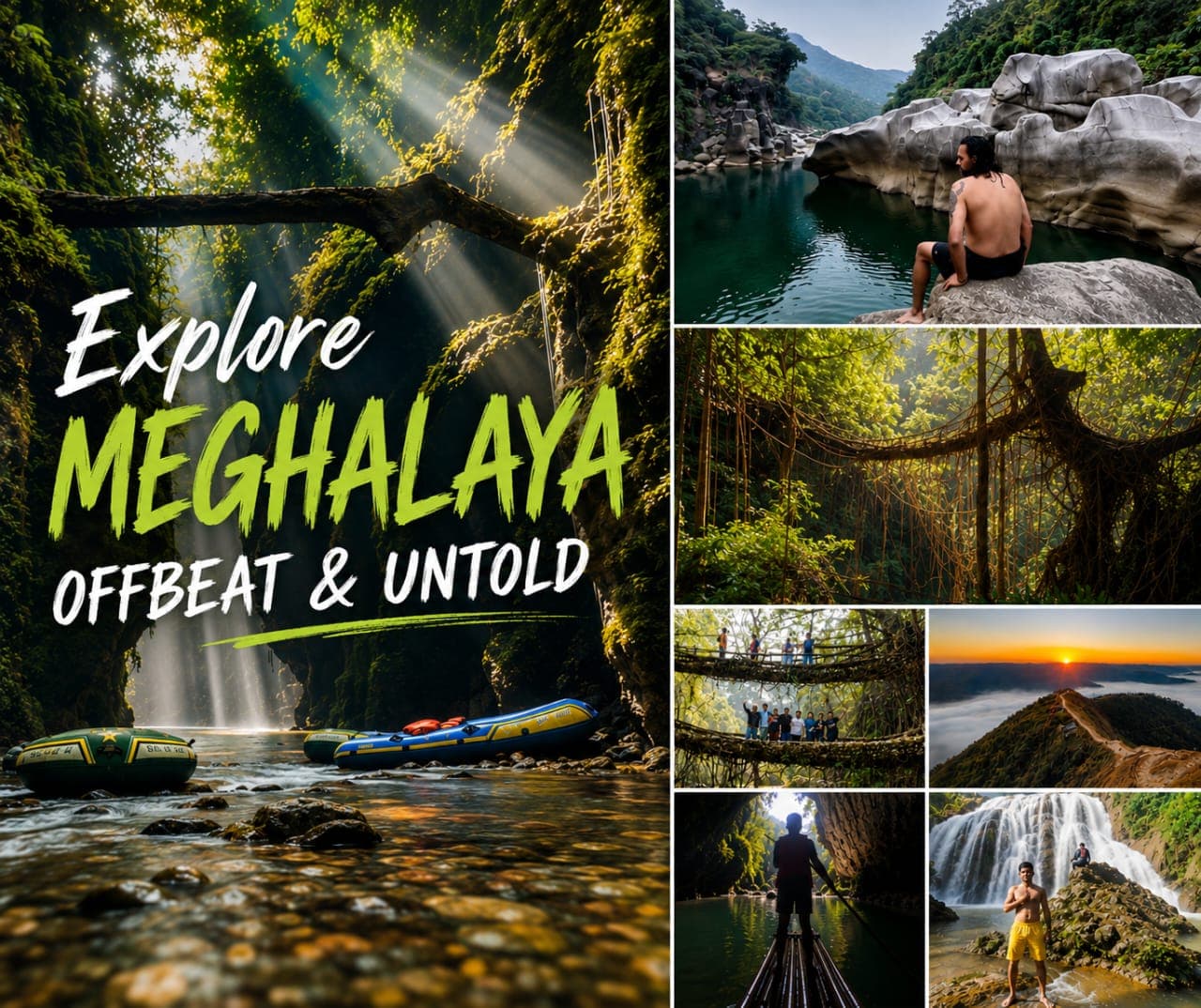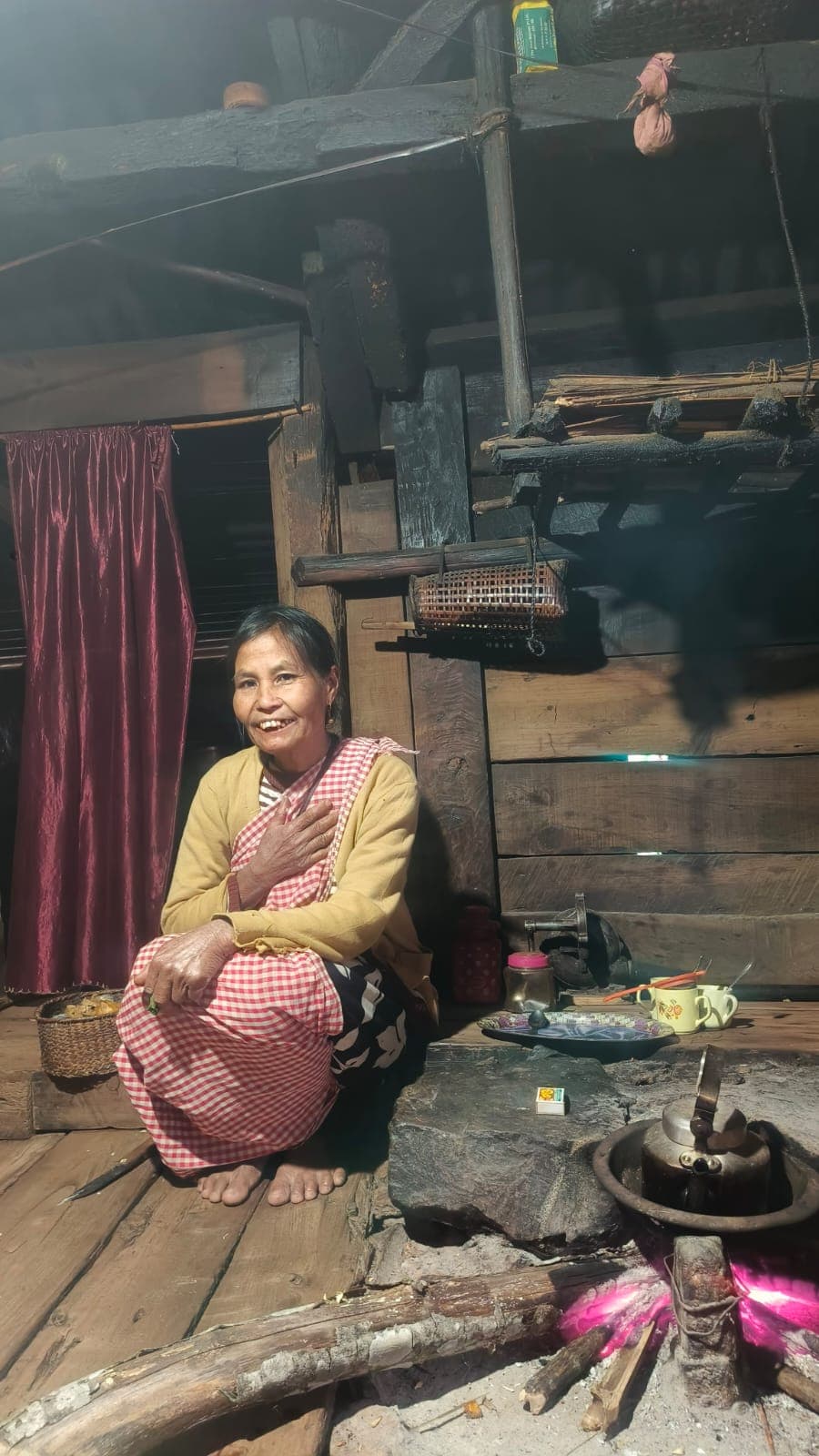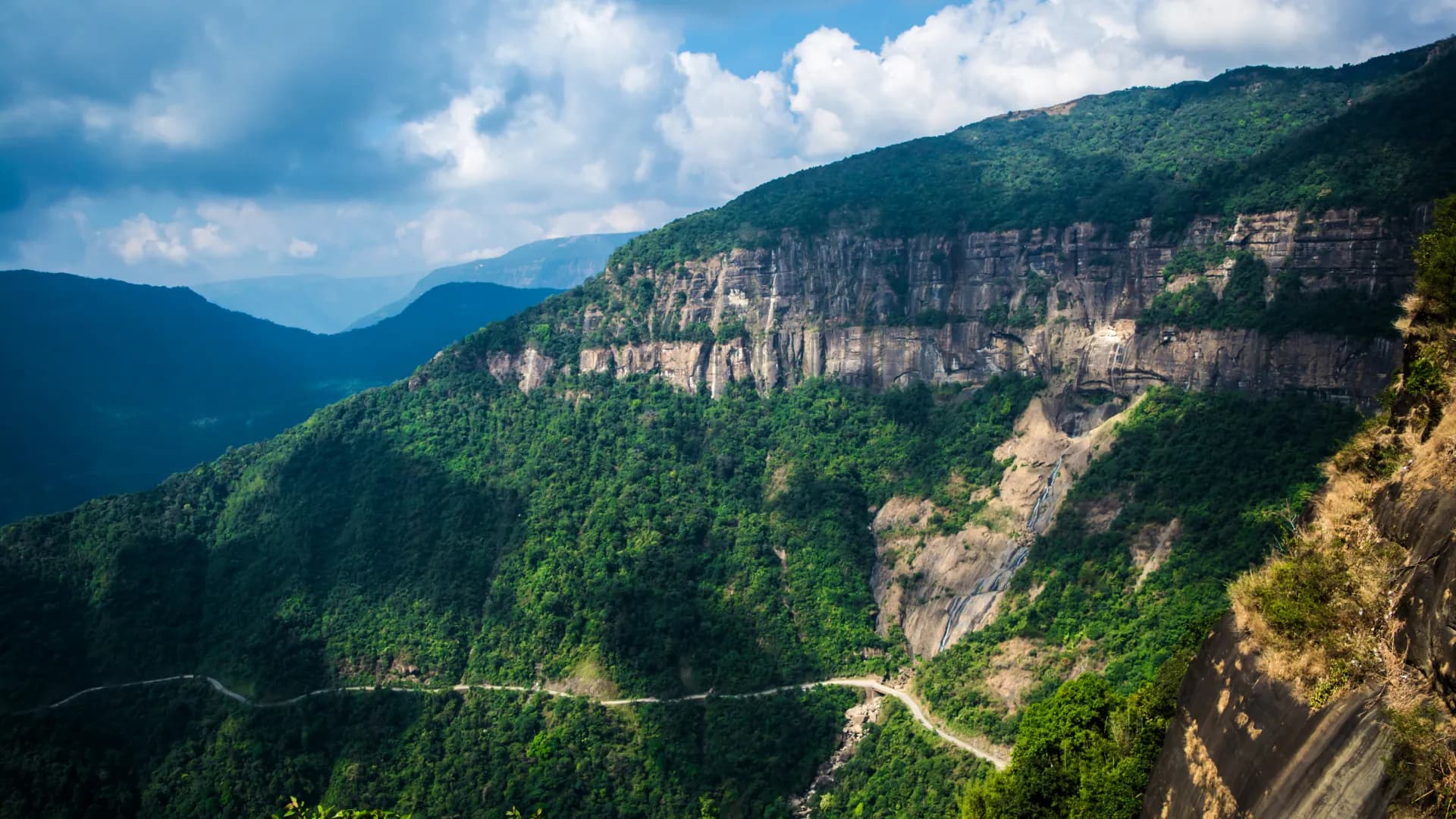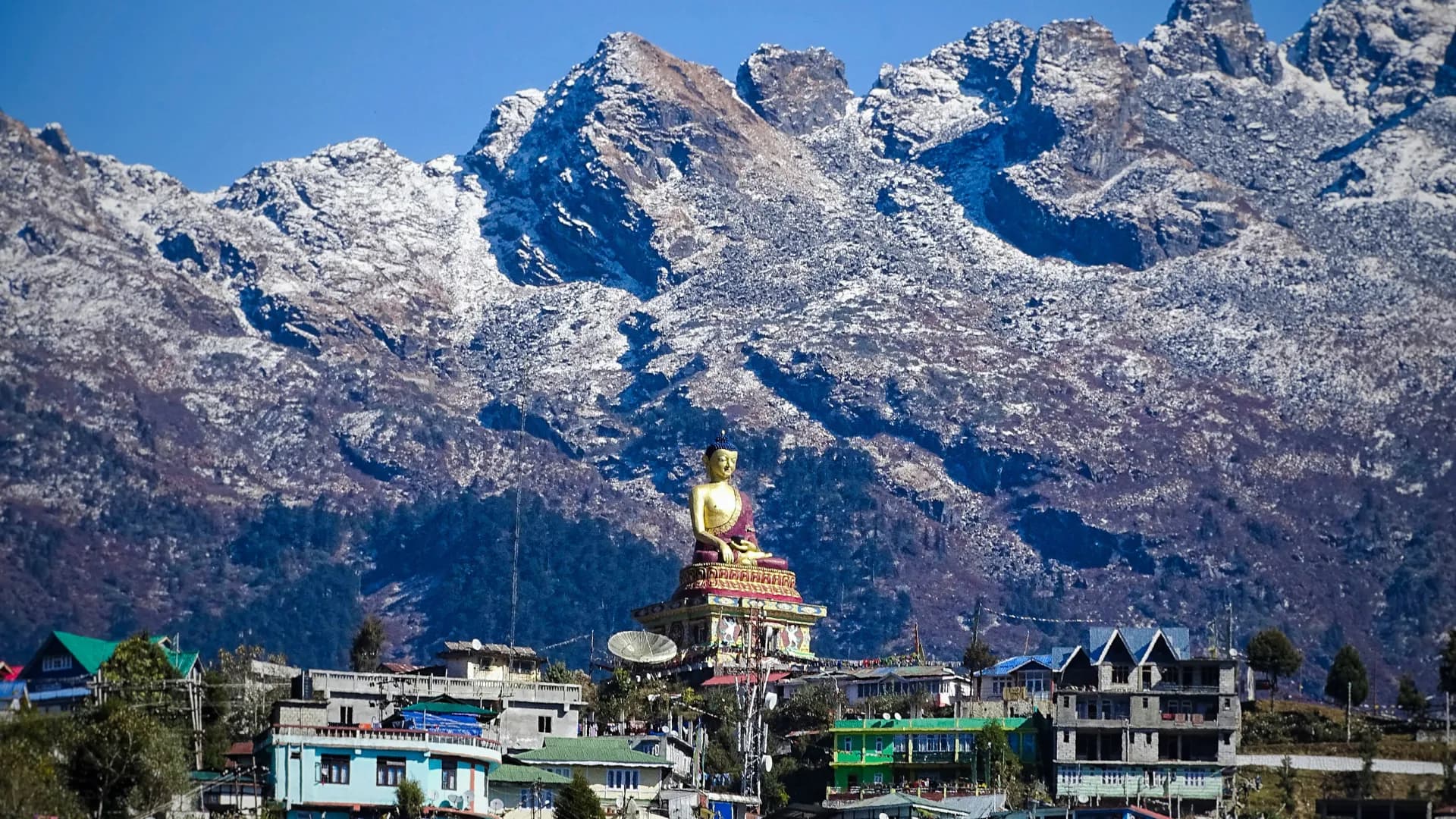
Meghalaya is known for its dramatic waterfalls, mist-covered hills, living root bridges and beautiful Khasi villages. But beyond the popular destinations lies another side of Meghalaya—quieter, less crowded and deeply connected with local culture.
Introduction to Wakhen & The Mawryngkhang Bamboo Trail
Wakhen Village, located in the East Khasi Hills of Meghalaya, is one of these remarkable offbeat destinations. The village is particularly known for its traditional Khasi musical heritage, bamboo craftsmanship, the Mawryngkhang Bamboo Trail, and its connection to the surrounding mountain landscape. Meghalaya Tourism describes Wakhen as a cultural destination where visitors can experience traditional music, bamboo trails, living root bridges and the trek towards Mawryngkhang, the “King of Rocks.”
For travellers who want to explore Offbeat Meghalaya beyond the usual Shillong–Cherrapunji–Dawki circuit, Wakhen offers a completely different experience. Here, the journey is not only about reaching a viewpoint. It is about walking through a traditional village, experiencing locally built bamboo structures, learning about Khasi culture and exploring a dramatic mountain landscape.
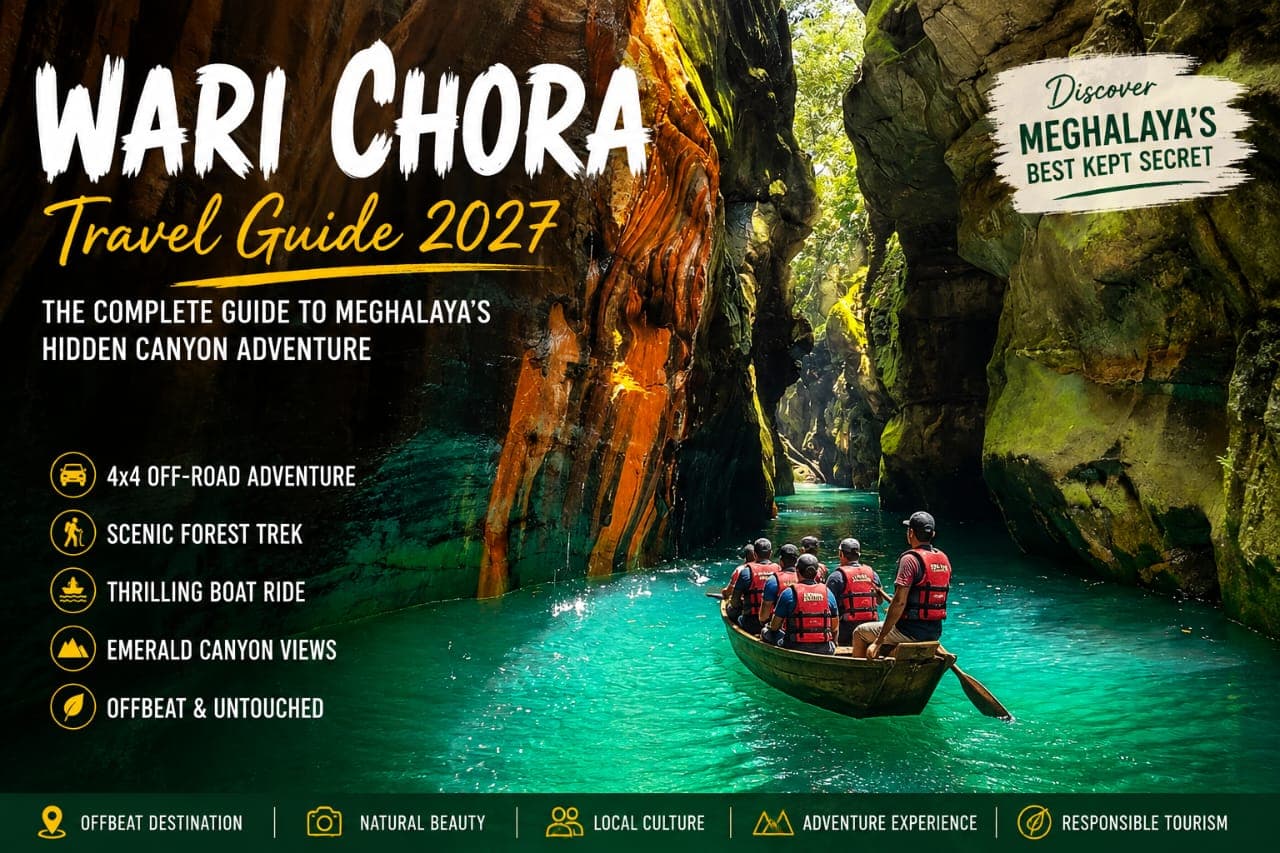
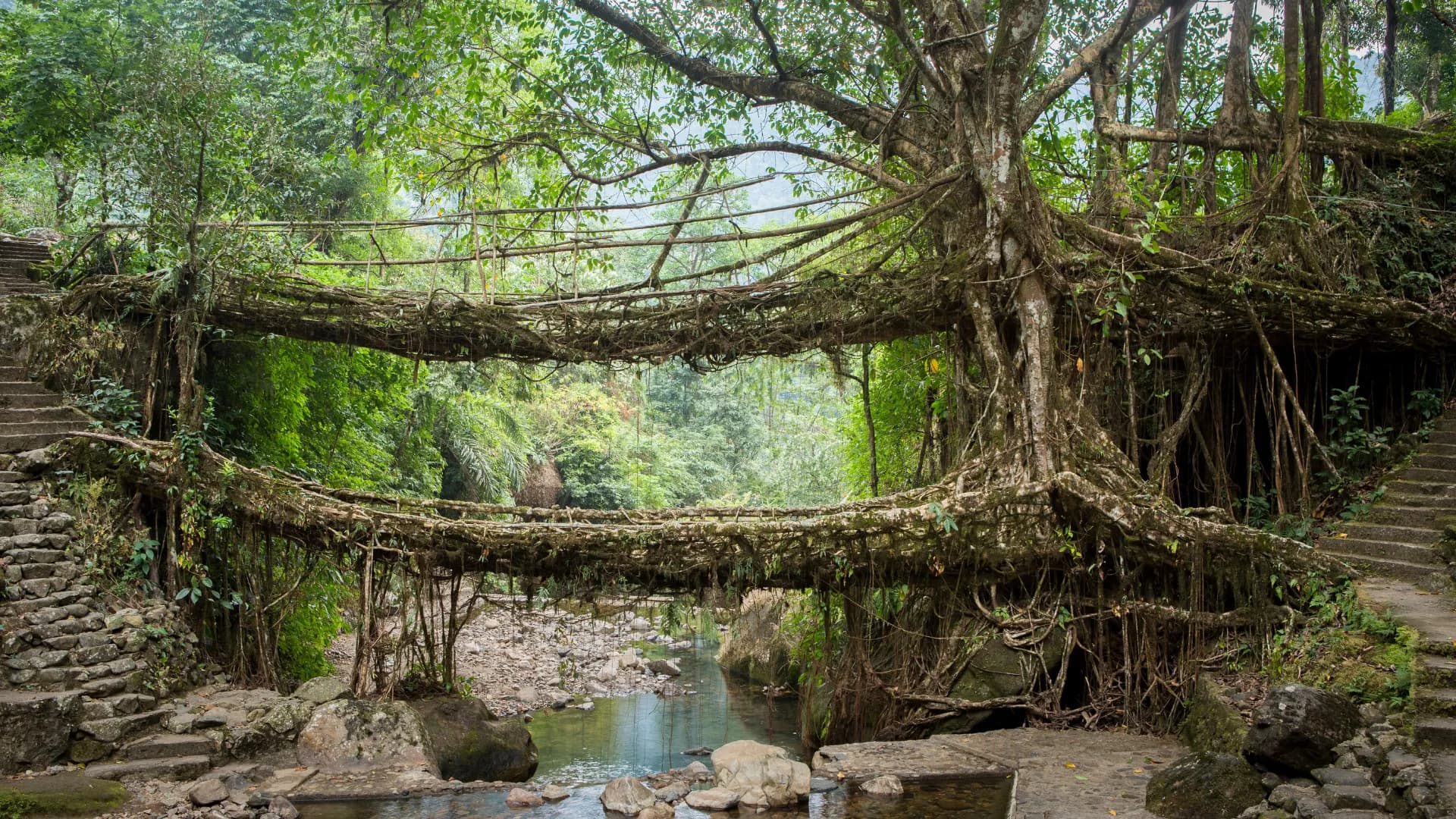
If you are planning a wider Meghalaya adventure, Wakhen can also be considered alongside other experiences such as the Double Decker Living Root Bridge, Shnongpdeng, Wari Chora and Krem Chympe Cave.
History of Wakhen Village
Wakhen is not simply a starting point for a trek. The village has its own cultural identity, traditions and stories that make it an important part of the journey.
According to Meghalaya’s Arts & Crafts Village information, Wakhen is a village in Pynursla, East Khasi Hills, with a history described as extending for more than a century. Local folklore connects the origins of the settlement with stories involving people fleeing conflict and the role of a Lyngdoh, a traditional Khasi title associated with community leadership. The same source records traditions of rituals, weaving, craftsmanship and the preservation of cultural practices in the village.
Because some parts of Wakhen’s early history are preserved through oral traditions and local folklore rather than conventional written historical records, travellers should understand the village history through both documented information and the stories passed down within the community.
This makes Wakhen particularly interesting for travellers who enjoy destinations where history, folklore, culture and nature are closely connected.
Wakhen and Its Khasi Cultural Heritage
One of Wakhen’s most distinctive features is its musical heritage.
The village is recognised for its indigenous expertise in traditional musical instruments and musicians. The Sieng Riti Institute has also played an important role in preserving and passing on Khasi musical traditions to younger generations. The Government of Meghalaya has specifically recognised Wakhen for its traditional musical instruments, musicians and bamboo craftsmanship.
Meghalaya Tourism also identifies Wakhen as the Khasi Musical Heritage Village, highlighting the Sieng Riti Institute and its work in preserving traditional Khasi instruments and music.
For a visitor, this means that Wakhen offers more than a trekking experience. The village provides an opportunity to understand how music, traditional knowledge and community identity remain connected.
If you are interested in exploring Meghalaya through its local culture, you can also explore our Meghalaya Travel Guide and Offbeat Meghalaya experiences for more destination ideas.
The Bamboo Heritage of Wakhen
Bamboo has an important place in Meghalaya’s traditional culture. Across the state, bamboo and cane have historically been used for household items, construction, baskets, mats, tools and other practical purposes. The Khasi communities have developed distinctive skills in working with bamboo and cane.
Wakhen is particularly notable for its bamboo craftsmanship. The village has been recognised for its indigenous bamboo skills, and traditional bamboo work remains part of its cultural identity.
This connection between people and bamboo becomes especially visible when visitors experience the Bamboo Trail.
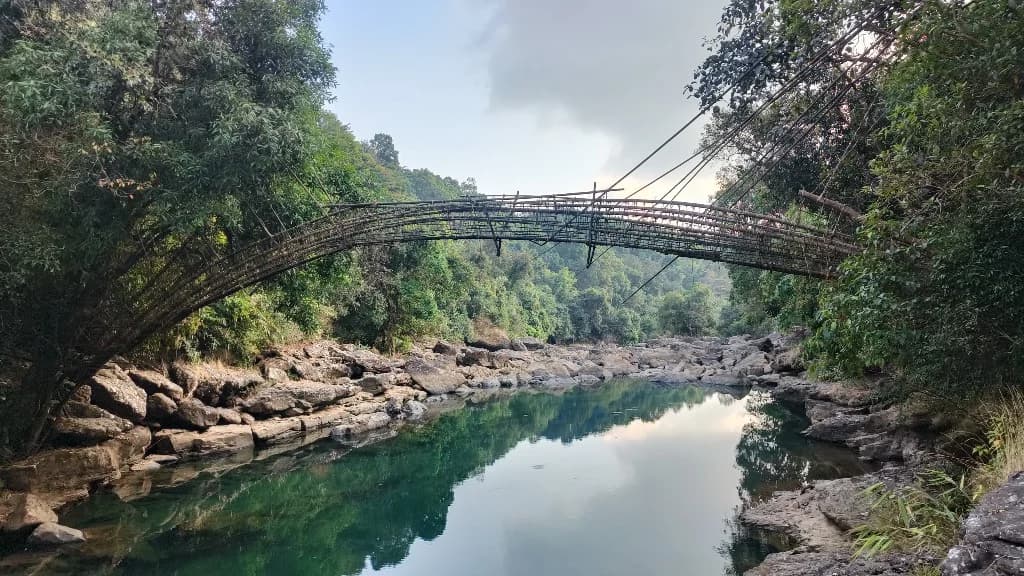
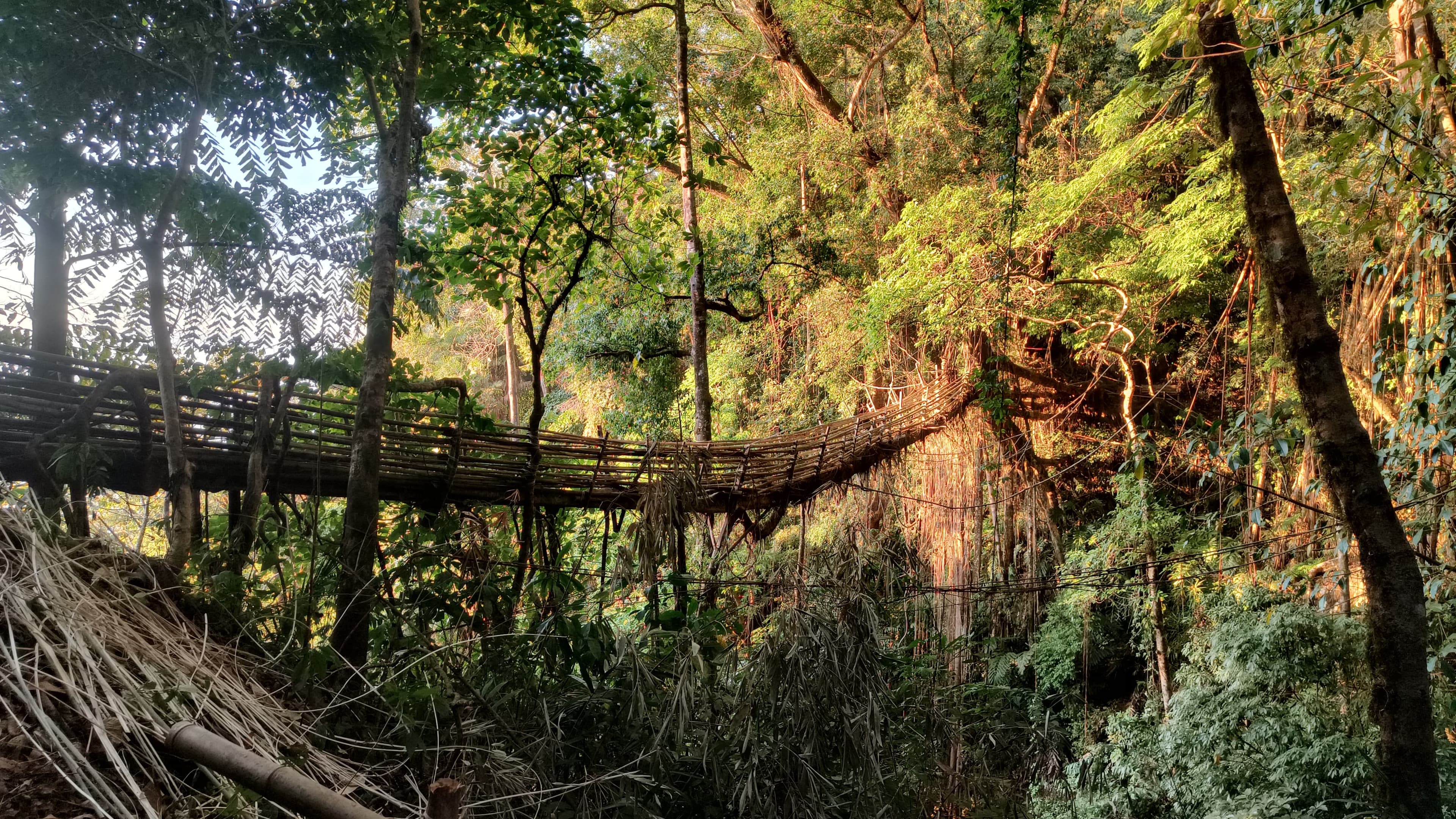
The trail uses bamboo bridges, ladders and walkways to navigate sections of the rugged landscape towards Mawryngkhang. Meghalaya Tourism notes that the village council regularly inspects and maintains the trail, demonstrating the continuing role of the local community in managing this trekking experience.
So, the bamboo structures are not merely decorative attractions created for tourists. They are an expression of local knowledge, craftsmanship and adaptation to the difficult terrain.
The Story Behind the Bamboo Trail
The Mawryngkhang Bamboo Trail has become one of Meghalaya’s most distinctive adventure experiences.
From Wakhen, trekkers can take the Bamboo Trail towards Mawryngkhang, famously known as the “King of Rocks.” The route combines bamboo bridges and ladders with forest paths, steep sections and dramatic views over the surrounding hills and valleys.
The experience becomes even more interesting because the trail is closely linked to the local landscape and Khasi folklore.
Mawryngkhang itself is associated with traditional stories and legends, giving the destination a cultural dimension beyond its natural beauty.
For travellers, the combination is rare:
Village → Culture → Bamboo Craft → Forest Trail → Adventure → Khasi Folklore → Mountain Views
That combination is what makes Wakhen stand apart from many conventional Meghalaya sightseeing destinations.
Why Wakhen Is an Offbeat Meghalaya Hidden Gem
Wakhen is ideal for travellers who want to experience a less conventional side of Meghalaya.
Instead of spending the entire trip visiting crowded viewpoints, travellers can explore a destination where the village itself becomes part of the travel experience.
The highlights include:
- Traditional Khasi village life - Khasi musical heritage - Bamboo craftsmanship - The Sieng Riti Institute - Bamboo bridges and ladders - Forest trekking - Dramatic mountain landscapes - Mawryngkhang, the “King of Rocks” - Local stories and folklore - Community-maintained trekking infrastructure
The wider Meghalaya Hidden Gems circuit can also include destinations such as Wari Chora, Krem Chympe Cave, Shnongpdeng and other lesser-known places depending on your itinerary.
A Destination Where Culture and Adventure Meet
The real charm of Wakhen lies in the fact that culture and adventure cannot easily be separated.
You arrive in a traditional Khasi village. You see bamboo craftsmanship. You learn about local music. You walk through landscapes shaped by generations of community knowledge. And then you begin a trek where bamboo bridges and ladders take you towards one of the most dramatic rock formations in Meghalaya.
That is why Wakhen should not be treated simply as another trekking point on a Meghalaya itinerary. It is a village experience, cultural journey and mountain adventure combined into one destination.
What Makes Wakhen Worth Visiting in 2026?
For travellers planning Meghalaya in 2026, Wakhen offers an opportunity to experience a side of the state that is increasingly being appreciated by adventure and offbeat-travel enthusiasts.
The official Meghalaya Tourism guide places Wakhen around 48 km from Shillong by road and recommends engaging a local guide for navigation and cultural insights. It also highlights October to April as a recommended period for visiting the destination.
However, the exact trekking conditions can vary with weather, trail maintenance and local conditions, so checking with local guides before starting the trek is always advisable.
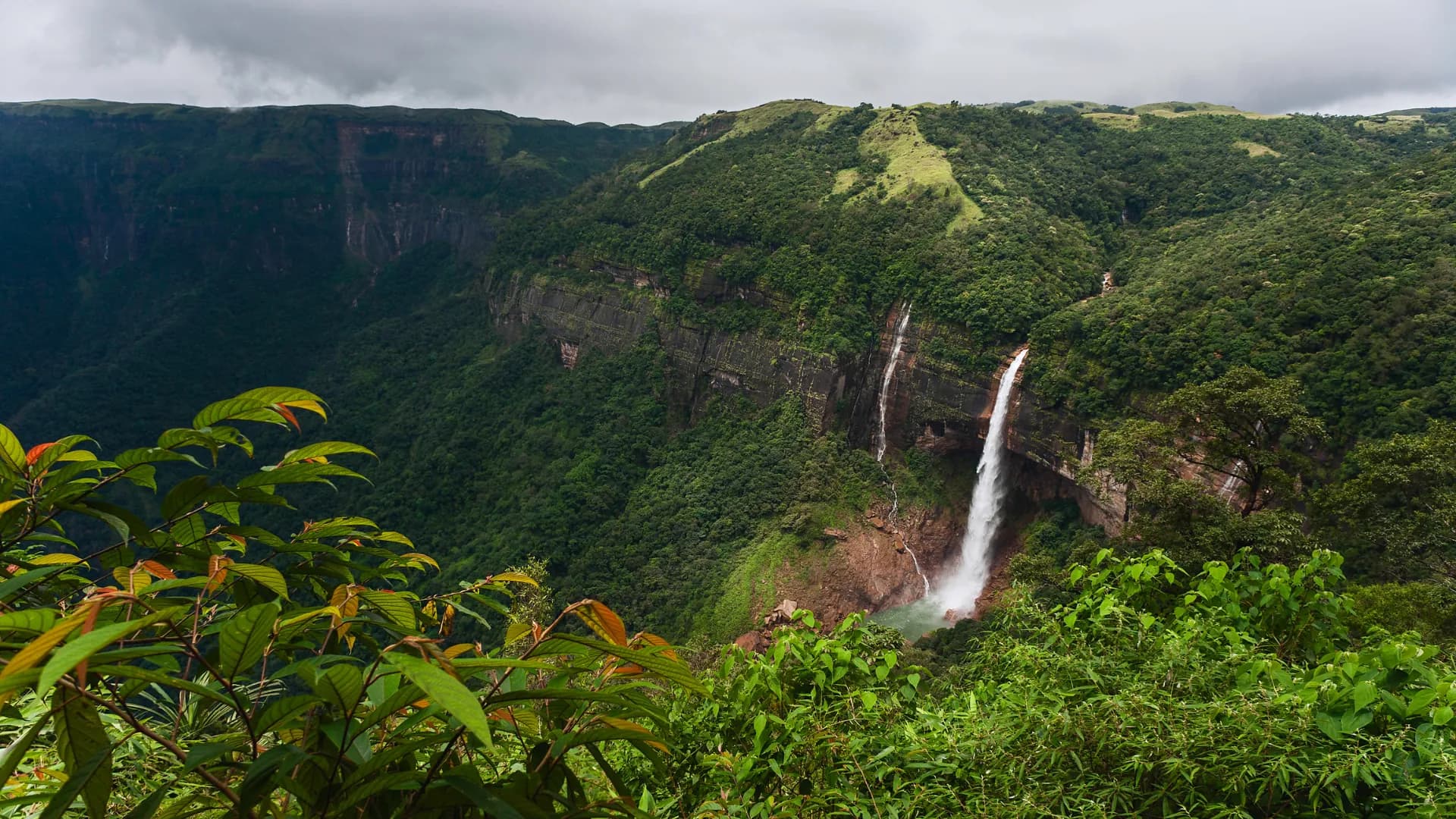
Wakhen Bamboo Trek 2026: Complete Trek Guide
After exploring the history and cultural identity of Wakhen, it is time to look at the practical side of the journey.
The Wakhen Bamboo Trek is one of Meghalaya’s most distinctive adventure experiences, taking travellers through bamboo structures, forest paths, steep sections and dramatic mountain landscapes towards Mawryngkhang, the legendary “King of Rocks.”
For travellers planning an Offbeat Meghalaya itinerary, this trek can be one of the most memorable experiences of the trip.
Where Is Wakhen Bamboo Trek Located?
Wakhen is a village in the East Khasi Hills of Meghalaya. The Bamboo Trail towards Mawryngkhang begins from the Wakhen area and takes trekkers into a rugged landscape surrounded by forests, hills and valleys.
The destination is particularly interesting because the trail is closely connected with the local village and community. Rather than being an isolated tourist attraction, the trek forms part of a broader cultural and natural experience.
According to Meghalaya Tourism, Wakhen is approximately 48 km from Shillong by road. However, actual travel time can vary depending on road conditions, weather and traffic. Explore our Shillong Travel Guide for transport context.
How to Reach Wakhen
From Shillong Shillong is the most convenient major base for travellers visiting Wakhen. From Shillong, travellers can travel towards the Wakhen area by road. The journey takes you through the scenic Khasi Hills, with changing landscapes and rural settlements along the way.
A private vehicle or hired taxi is generally the most convenient option, especially for travellers planning to return to Shillong or continue towards another Meghalaya destination.
If you are planning a multi-day Meghalaya itinerary, Wakhen can be combined with other destinations depending on your route and available time. Explore our Meghalaya Tour Packages to plan your journey.
Best Way to Travel to Wakhen For a comfortable journey, a private vehicle with a local driver is generally the most practical choice.
This is particularly useful because:
- You can start early in the morning. - You can stop at scenic locations. - You are not dependent on limited public transport. - You can keep your luggage safely inside the vehicle. - You can combine Wakhen with other destinations. - The driver can help coordinate with the local guide.
For travellers booking a Customized Meghalaya Tour, the route can be planned around the rest of the itinerary.
Wakhen Bamboo Trek Starting Point
The trek towards Mawryngkhang begins from the Wakhen area. Before starting, travellers should meet the local guide, understand the trail conditions and confirm the route for the day.
The trail includes natural forest sections as well as bamboo-built bridges, ladders and walkways. Because the route involves uneven terrain and elevated bamboo structures, it is important not to rush. The trek should be treated as a mountain trail rather than an ordinary sightseeing walk.
Wakhen Bamboo Trek Distance
The commonly quoted trekking distance to Mawryngkhang is approximately 3–4 km one way, although the exact distance experienced by travellers can vary depending on the starting point and route conditions.
Instead of focusing only on kilometres, it is better to consider the terrain, elevation changes and trekking duration. Some sections are relatively easy, while others require careful footing, especially around bamboo bridges, ladders and steep sections.
How Difficult Is the Wakhen Bamboo Trek?
The Wakhen Bamboo Trek is generally considered a moderate trek, but the experience can feel more challenging for people who are not accustomed to hiking.
The main challenges include:
- Uneven forest paths - Steep sections - Bamboo bridges - Bamboo ladders - Narrow sections - Slippery surfaces during wet weather - Continuous walking for several hours - Exposure to heights in certain sections
You do not need advanced mountaineering skills for the usual route, but you should have reasonable fitness and confidence while walking on uneven terrain. If you are a beginner, take your time and follow the instructions of your local guide.
How Long Does the Trek Take?
The trekking duration depends on your pace, weather, trail conditions, photography stops and the amount of time you spend at the viewpoint. For most travellers, it is better to keep several hours available rather than trying to complete the trek quickly.
A relaxed pace allows you to enjoy the forest, photograph the bamboo structures, take breaks, appreciate the mountain views, listen to local stories, and explore the viewpoint without rushing.
Ready to Experience the Hidden Side of Meghalaya & Northeast India?
Turn your travel dreams into reality with NEexplore NOW. Explore Meghalaya's hidden waterfalls, offbeat trails, ancient caves, and authentic local experiences through carefully crafted tour packages across Northeast India.
Why a Local Guide Is Important
Local Guide — A Must for a Better Trekking Experience A local guide is one of the most important parts of the Wakhen Bamboo Trek experience. Meghalaya Tourism recommends engaging a local guide for navigation and cultural insights. Check our Meghalaya Trekking Guide for more insights.
A local guide can help with finding the correct trail, understanding difficult sections, crossing bamboo bridges safely, navigating changing trail conditions, identifying viewpoints, explaining local stories, and understanding Khasi culture.
Why You Should Support Local Guides Hiring a local guide also means contributing directly to the local community. Instead of treating Wakhen simply as an adventure attraction, travellers can support the people who maintain, understand and live alongside the landscape.
The Bamboo Bridges & Ladders
The bamboo structures are the defining feature of this trek. As you move along the trail, bamboo bridges and ladders help trekkers navigate sections that would otherwise be difficult to cross.
These structures create a completely different trekking experience from conventional stone or concrete trails. You may find yourself walking above steep slopes, crossing narrow bamboo sections or climbing bamboo ladders while surrounded by dense greenery. This is why Wakhen has become popular among travellers searching for Meghalaya Hidden Gems.
Reaching Mawryngkhang — The King of Rocks
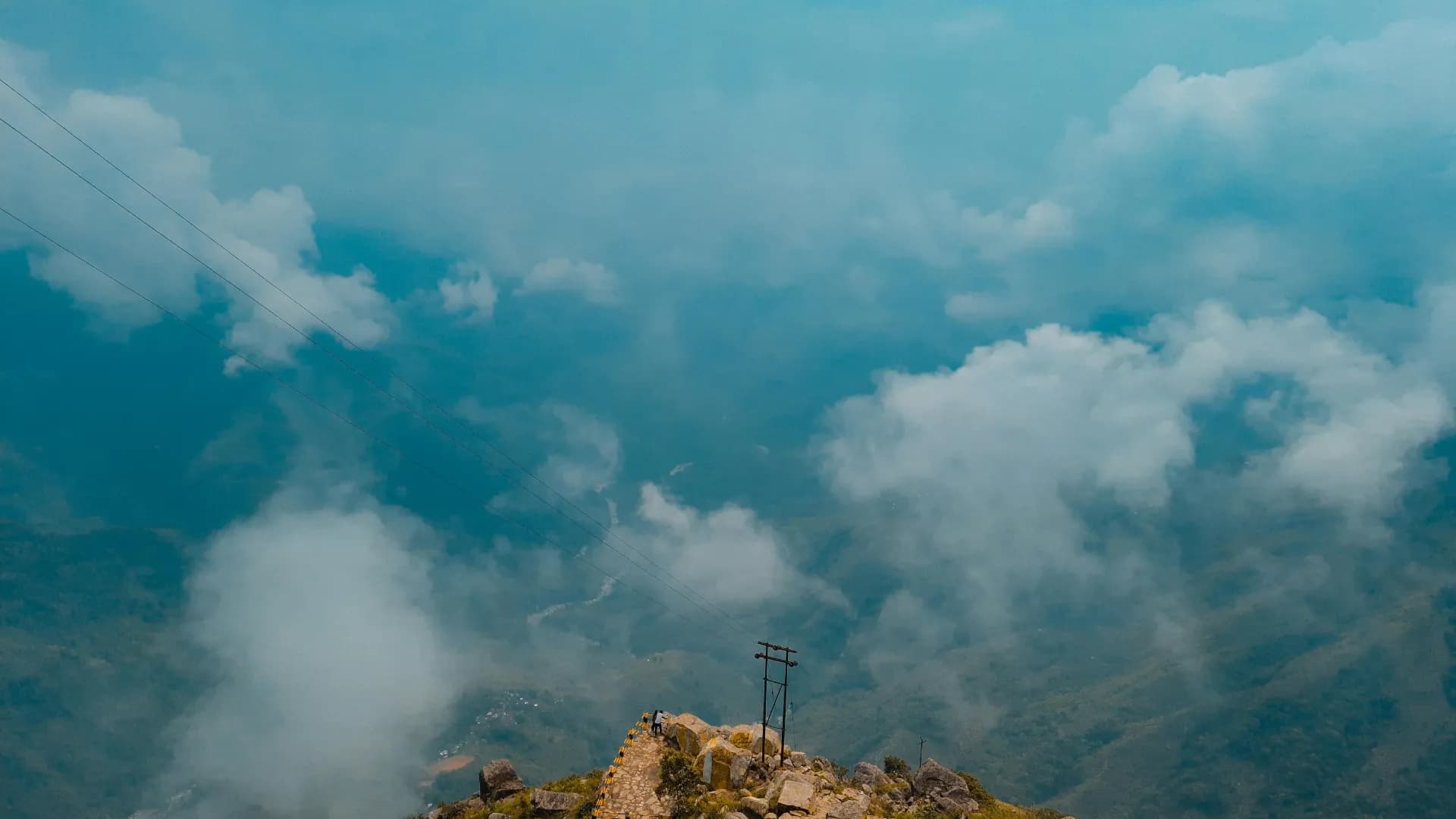
The ultimate attraction of the trek is Mawryngkhang, popularly known as the “King of Rocks.” The massive rock formation rises dramatically above the surrounding landscape, offering sweeping views of the Khasi Hills and surrounding valleys.
The dramatic setting also connects the trek with Khasi folklore, giving the destination a cultural story alongside its natural beauty.
Who Can Do the Wakhen Bamboo Trek?
The trek can be suitable for adventure travellers, couples, friends, small groups, experienced hikers, fit beginners, photography enthusiasts, and travellers looking for offbeat destinations. However, families travelling with young children or elderly travellers should evaluate the trail conditions carefully before deciding to undertake the complete trek.
Essential Tips Before Starting
- Start Early: Gives you more time to complete the trek comfortably. - Wear Proper Shoes: Choose trekking shoes with good grip. Avoid smooth-soled footwear. - Carry Drinking Water: Bring enough water for the trek. - Keep Your Backpack Light: Only carry essential items. - Follow Your Guide: Do not leave the marked route or attempt shortcuts. - Be Careful on Bamboo Structures: Walk slowly and maintain proper spacing. - Respect the Village: Wakhen is a living community; respect local customs and homes. - Leave No Waste: Carry your waste back with you and avoid single-use plastic.
Wakhen Bamboo Trek: Quick Facts
| Information | Details | |---|---| | Destination | Wakhen, Meghalaya | | Main Attraction | Mawryngkhang Bamboo Trail | | Region | East Khasi Hills | | Nearest Major City | Shillong | | Trek Difficulty | Moderate | | Approx. Trek Distance | Around 3–4 km one way (6.5 km round trip) | | Main Experience | Bamboo bridges, ladders, forest trail & mountain views | | Guide | Local guide strongly recommended | | Best Approach | Start early and trek at a comfortable pace | | Main Viewpoint | Mawryngkhang — “King of Rocks” |
Wakhen as Part of a Larger Meghalaya Itinerary
Wakhen works particularly well for travellers who want to move beyond the standard Meghalaya route. You can combine Wakhen with destinations such as Shnongpdeng, Wari Chora, Krem Chympe Cave and the Double Decker Living Root Bridge.
Exploring the Trail Beyond the Trek
The Wakhen Bamboo Trek is not simply a route from one point to another. The experience begins from the village itself and gradually changes as you move through forests, bamboo structures, mountain slopes and dramatic viewpoints.
For travellers interested in Offbeat Meghalaya, this is where Wakhen becomes especially interesting: the trail combines adventure with local craftsmanship, landscape and Khasi cultural identity.
The First Experience: Wakhen Village
Before beginning the trek, take some time to experience Wakhen itself. The village has a peaceful atmosphere, traditional surroundings and a strong connection with Khasi cultural heritage. Unlike major tourist centres, the pace here is slower and the experience feels more community-oriented.
You may notice traditional village houses, bamboo craftsmanship, local agricultural surroundings, mountain landscapes, community spaces, and traditional cultural influences. This village experience is one of the reasons Wakhen deserves to be included in a Meghalaya Hidden Gems itinerary.
Walking Through the Bamboo Trail
Once you begin the trek, the landscape gradually changes. The road disappears behind you and the trail enters a greener, more rugged environment.
Depending on the section, you may walk across bamboo bridges, bamboo walkways, bamboo ladders, forest paths, steep natural sections, and narrow elevated sections.
The Bamboo Bridges & Ladders
The bamboo bridges are built to help people navigate the difficult terrain and reflect the practical knowledge of the local community. Walking across these structures gives the trek a completely different character from ordinary hiking trails. However, bamboo structures can become slippery in wet weather—always follow your local guide's instructions.
Some portions of the route involve climbing bamboo ladders or negotiating steep sections. Take one step at a time and maintain a safe distance from the person ahead of you.
Forest Experience & Photography Opportunities
The route passes through green forest landscapes where the sounds of traffic are replaced by birds, wind and the natural atmosphere of the hills.
Wakhen is an excellent destination for photography lovers.
Best Photography Subjects - Bamboo bridges and ladders - Forest pathways and mountain valleys - Wakhen village and Mawryngkhang - Local landscapes and group trekking moments
Photography Tips for the Bamboo Trail - Use the Natural Landscape: Include the surrounding forest and hills to show the scale. - Take Wide Shots: Capture the relationship between bamboo structures and surrounding mountains. - Photograph Early: Starting early provides softer natural light and a quieter trail. - Be Careful Near Edges: Never step onto unsafe areas simply to capture a photo. - Respect Local People: Always ask permission before taking close-up photographs.
Mawryngkhang: The Highlight & The Legend
After walking through the bamboo sections and forest, the landscape gradually opens up towards the dramatic rock formations of Mawryngkhang. Known as the “King of Rocks,” Mawryngkhang is the main attraction associated with the Bamboo Trail.
Khasi folklore connects the rock with stories of love, rivalry and conflict between legendary rock formations. When visiting, listening to the story from a local guide makes the viewpoint much more meaningful.
Local Culture & Community Support
Wakhen's identity is closely connected with Khasi cultural traditions. The village has been recognised for its traditional musical heritage and bamboo craftsmanship. The Sieng Riti Institute is associated with the preservation and teaching of traditional Khasi music and instruments.
Travellers can support the village by hiring local guides, using local services, buying authentic local crafts, avoiding littering, respecting private property, and following local instructions.
Things to Do Around Wakhen
1. Explore the Village: Spend time walking through Wakhen and observing the local environment. 2. Experience Khasi Culture: Learn about traditional music, bamboo craftsmanship and village life. 3. Trek to Mawryngkhang: The main adventure experience of the destination. 4. Photography: Capture bamboo structures, forests, valleys and rock formations. 5. Explore Other Hidden Destinations: Combine Wakhen with Wari Chora, Krem Chympe Cave, Shnongpdeng and the Double Decker Living Root Bridge.
Wakhen for Different Types of Travellers
- For Couples: Quiet village atmosphere and dramatic landscapes. - For Adventure Travellers: Bamboo bridges, ladders and steep sections. - For Photographers: Strong visual contrast of bamboo, forest, and rock. - For Families: Assess individual fitness levels and comfort with heights. - For Solo Travellers: Connect with a local guide and avoid trekking alone.
When to Visit, Where to Stay & What to Prepare
Planning the Wakhen Bamboo Trek is not only about choosing a date and reaching the village. Weather, trail conditions, transportation, accommodation and preparation can significantly affect the overall experience.
If you are building a wider Offbeat Meghalaya itinerary, Wakhen is best planned with enough time to enjoy the village and trek without rushing.
Best Time to Visit Wakhen Bamboo Trek
October to April — Generally the Most Comfortable Period For travellers who prefer relatively clearer weather and more comfortable trekking conditions, October to April is generally a favourable period. Meghalaya Tourism also recommends October to April for visiting Wakhen. Explore our Meghalaya Travel Guide for details.
Wakhen During Monsoon Meghalaya receives heavy rainfall, and the landscape becomes exceptionally green. But heavy rain can create wet bamboo structures, slippery paths, muddy sections, and reduced visibility. Check with local guides before starting.
Wakhen in Winter Winter brings cooler weather and clearer skies, creating excellent views across the Khasi Hills. It is ideal for combining Wakhen with Shillong, Cherrapunji and Shnongpdeng.
Wakhen in Spring Spring brings fresh vegetation, comfortable temperatures, and vibrant natural colours for outdoor photography.
How Many Days Do You Need for Wakhen?
Wakhen can be experienced as a day excursion from Shillong or Sohra, but staying nearby or incorporating it into a slow travel Meghalaya itinerary gives you a much richer experience.
Where to Stay Near Wakhen
- Shillong: Offers a wide choice of hotels and guesthouses (approx. 48 km / 2 hours away). - Nearby Homestays: Homestays in rural East Khasi Hills offer a authentic village connection. - Cherrapunji / Sohra: Can be incorporated if your route continues towards Sohra waterfalls and caves.
What to Carry for Wakhen Bamboo Trek
Essential Items - Comfortable trekking shoes with good grip - Sufficient drinking water & energy snacks - Small backpack & light rain jacket / poncho - Extra socks & personal medical kit - Power bank & phone/camera waterproof protection
Footwear & Clothing Advice Choose trekking shoes or trail shoes with strong grip. Avoid slippers, flip-flops, or smooth-soled sandals. Wear lightweight, quick-dry clothing and carry a light jacket.
Fitness Requirements & Suitability
You do not need to be an experienced mountaineer, but reasonable fitness is important for walking 3–4 hours, climbing stairs, and navigating steep bamboo ladders.
- Children: Assess individual age and confidence around heights. Keep children close at all times. - Senior Travellers: Assess balance, knee strength, and comfort with heights before undertaking the trek. - Solo Travellers: Hiring a local guide is strongly recommended for safety and navigation. Explore our Meghalaya Solo Travel Guide. - Couples: Combine Wakhen with Shnongpdeng and Dawki for an adventurous break.
Wakhen Travel Preparation Checklist
| Item | Recommended | |---|---| | Trekking shoes | Essential | | Drinking water | Essential | | Rain protection | Strongly recommended | | Light backpack | Recommended | | Extra socks | Recommended | | First-aid kit | Recommended | | Power bank | Recommended | | Energy snacks | Recommended | | Local guide | Strongly recommended |
Complete Price Guide, Guide Cost & Practical Budget
A good travel guide should tell you not only what to see, but also how much to budget.
For the Wakhen Bamboo Trek, the main expenses include the trek entry fee, local guide, transportation, food and accommodation. Meghalaya Tourism describes the Mawryngkhang Bamboo Trail as an optional excursion from Wahkhen, with a 6.5 km round-trip route taking around 5–6 hours.
Wakhen Bamboo Trek Price 2026
| Expense | Approx. 2026 Price | |---|---| | Trek Entry Fee – Adult | ₹50–₹100/person | | Child Entry Fee | ₹20–₹50/person | | Local Guide | Confirm current local rate (highly recommended) | | Parking | Confirm locally | | Food/Snacks | ₹100–₹300/person approx. | | Transportation | Depends on vehicle & route (from Shillong) |
Important: These are approximate planning figures. Local village arrangements and charges may change.
Transportation & Accommodation Breakdown
Transportation Wahkhen is around 48 km from Shillong by road (approx. 2 hours by car). Hiring a private taxi or cab is the most practical choice. Sharing a vehicle among 4–6 travellers significantly reduces per-person costs.
Food & Snacks Budget around ₹100–₹300 per person for snacks, tea, and basic meals during the trek day.
Accommodation Options range from Shillong hotels to rural homestays. Check our Customized Meghalaya Tour options for curated stay recommendations.
Nearby Offbeat Destinations to Combine
1. Shnongpdeng: Clear waters of the Umngot River, boating, kayaking, and camping. 2. Dawki: India–Bangladesh border and crystal-clear river views. 3. Double Decker Living Root Bridge: Ancient living root architecture in Nongriat. 4. Wari Chora: Deep canyon boat ride in Garo Hills. 5. Krem Chympe Cave: Massive cave and waterfall adventure in Jaintia Hills. 6. Laitlum Canyon: Sweeping panoramic valley views near Shillong. 7. Cherrapunji / Sohra: Waterfalls, caves, and dramatic cliffs.
Sample 5-Day Offbeat Meghalaya Route
- Day 1: Guwahati → Shillong (Umiam Lake stop, stay in Shillong) - Day 2: Shillong → Wakhen (Mawryngkhang Bamboo Trek, return or stay near Pynursla) - Day 3: Wakhen → Dawki → Shnongpdeng (Umngot River boating & riverside stay) - Day 4: Shnongpdeng → Sohra (Cherrapunji waterfalls & caves) - Day 5: Sohra → Guwahati departure
Trekking Safety, Guide Tips, Monsoon Precautions & Do’s and Don’ts
The Wakhen Bamboo Trek is an exciting adventure, but it should not be treated like an ordinary sightseeing walk. The route includes forest paths, uneven terrain, bamboo bridges, ladders and steep sections.
For travellers exploring Offbeat Meghalaya, preparation and responsible trekking are essential to enjoying the trail safely.
Is the Wakhen Bamboo Trek Safe?
The trek can be enjoyed safely when travellers follow the marked route, listen to their guide and respect the terrain. Main challenges include uneven ground, steep climbs/descents, elevated bamboo bridges and ladders, slippery surfaces, and rain.
Bamboo Structure Safety Rules
- Walk Slowly: Do not rush across bamboo bridges. - Maintain Distance: Allow the person ahead to move forward before entering a narrow section. - Do Not Jump: Never jump or shake the bamboo structure. - Use Both Hands: Hold handrails securely where available. - Climbing Ladders: Maintain three points of contact, hold bamboo securely, and move one step at a time.
Monsoon Precautions
Meghalaya rain can make bamboo slippery and paths muddy. If weather conditions become unsafe, postpone the trek. Explore our Meghalaya Monsoon Travel Guide for seasonal advice.
Respect Local Culture & Responsible Travel
Wakhen is a living Khasi village with its own traditions.
- Follow Leave-No-Trace: Take nothing except memories; leave nothing except footprints. Carry all waste back. - Protect Bamboo Structures: Never cut, break, or carve names into bamboo. - Photography Etiquette: Always ask permission before photographing local residents or private homes. - Drone Restrictions: Check aviation rules and local community permissions before flying drones.
Trekking Do's and Don'ts
Trekking Do's - [x] Hire a local guide. - [x] Start early in the morning. - [x] Wear proper trekking shoes with grip. - [x] Carry sufficient drinking water and rain protection. - [x] Follow marked trails and respect local instructions. - [x] Carry all plastic and waste back with you.
Trekking Don'ts - [ ] Do not rush or jump on bamboo bridges. - [ ] Do not take dangerous photos near cliff edges. - [ ] Do not leave marked routes or attempt shortcuts. - [ ] Do not litter or damage bamboo structures. - [ ] Do not enter private village properties without permission.
A Simple Safety Formula
Good Shoes + Water + Weather Check + Local Guide + Early Start + Responsible Behaviour = Better Wakhen Experience
Plan Your Wakhen Bamboo Trek With NEexplore NOW
NEexplore NOW focuses on carefully planned journeys across Assam, Meghalaya and Arunachal Pradesh.
Explore our curated offerings: - Meghalaya Tour Packages - Customized Meghalaya Tours - Offbeat Meghalaya Tours
Wakhen Bamboo Trek 2026 — At a Glance
- Destination: Wakhen, East Khasi Hills, Meghalaya - Main Attraction: Mawryngkhang Bamboo Trail (“King of Rocks”) - Trail Distance: Approximately 6.5 km round trip (3–4 km one way) - Estimated Trek Time: 5–6 hours round trip - Difficulty: Moderate - Entry Fee: Approx. ₹50–₹100 per adult (subject to local change) - Guide: Strongly recommended - Best Time: October–April - Nearest Major City: Shillong (48 km / ~2 hours drive)
Frequently Asked Questions
Where is Wakhen Bamboo Trek located?
Wakhen Bamboo Trek is located at Wakhen Village in the East Khasi Hills of Meghalaya, approximately 48 km from Shillong.
What is Wakhen Bamboo Trek famous for?
It is famous for its bamboo bridges, bamboo ladders, forest trail and the spectacular Mawryngkhang rock formation, known as the 'King of Rocks'.
How long is the Wakhen Bamboo Trek?
The trail is approximately 6.5 km round trip and generally takes around 5–6 hours, depending on pace, breaks and weather.
Is Wakhen Bamboo Trek difficult?
It is generally considered a moderate trek. Steep sections, uneven paths, bamboo structures and slippery surfaces can make it physically challenging.
Is a guide compulsory for Wakhen Bamboo Trek?
A local guide is strongly recommended. They can help with navigation, difficult sections, local stories and cultural understanding.
What is the entry fee for Wakhen Bamboo Trek?
The approximate entry fee is ₹50–₹100 per adult, but the local rate can change. Carry cash and confirm the current fee before starting.
What is the best time to visit Wakhen?
October to April is generally considered a comfortable period for trekking. Weather conditions should still be checked before travelling.
Can I visit Wakhen during monsoon?
Yes, but extra caution is necessary. Rain can make bamboo bridges, ladders and forest paths slippery. Always check the latest trail conditions locally.
What should I wear for the trek?
Wear comfortable trekking clothes and proper trekking shoes with good grip. Carry a rain jacket and an extra pair of socks.
What should I carry to Wakhen Bamboo Trek?
Carry drinking water, snacks, rain protection, personal medicines, a first-aid kit, phone, power bank and waterproof protection for electronics.
How far is Wakhen from Shillong?
Wakhen is approximately 48 km from Shillong by road, and the journey can take around 2 hours by car, depending on road conditions.
Can families visit Wakhen Bamboo Trek?
Yes, but families should consider the fitness and age of every traveller. Children should remain close to their parents or guardian, particularly around elevated bamboo sections.
Is Wakhen suitable for solo travellers?
Yes. However, solo travellers are advised to hire a local guide, start early and avoid trekking alone in poor weather or after dark.
Can Wakhen be combined with other Meghalaya destinations?
Yes. Wakhen can be combined with destinations such as Shnongpdeng, Dawki, Sohra, Laitlum Canyon, Krem Chympe and other offbeat Meghalaya experiences, depending on your route and available days.
Is Wakhen Bamboo Trek worth visiting?
Absolutely. If you enjoy offbeat destinations, trekking, local culture, bamboo craftsmanship and quieter mountain landscapes, Wakhen is a memorable Meghalaya experience.
Ready to Explore the Hidden Side of Meghalaya?
Reading about Meghalaya's hidden gems is just the beginning. Experience these breathtaking destinations with NEexplore NOW through carefully curated offbeat journeys designed by local travel experts.
Whether you're planning a family holiday, honeymoon, adventure trip, or a customized itinerary, we'll help you discover the real Meghalaya beyond the tourist trail.