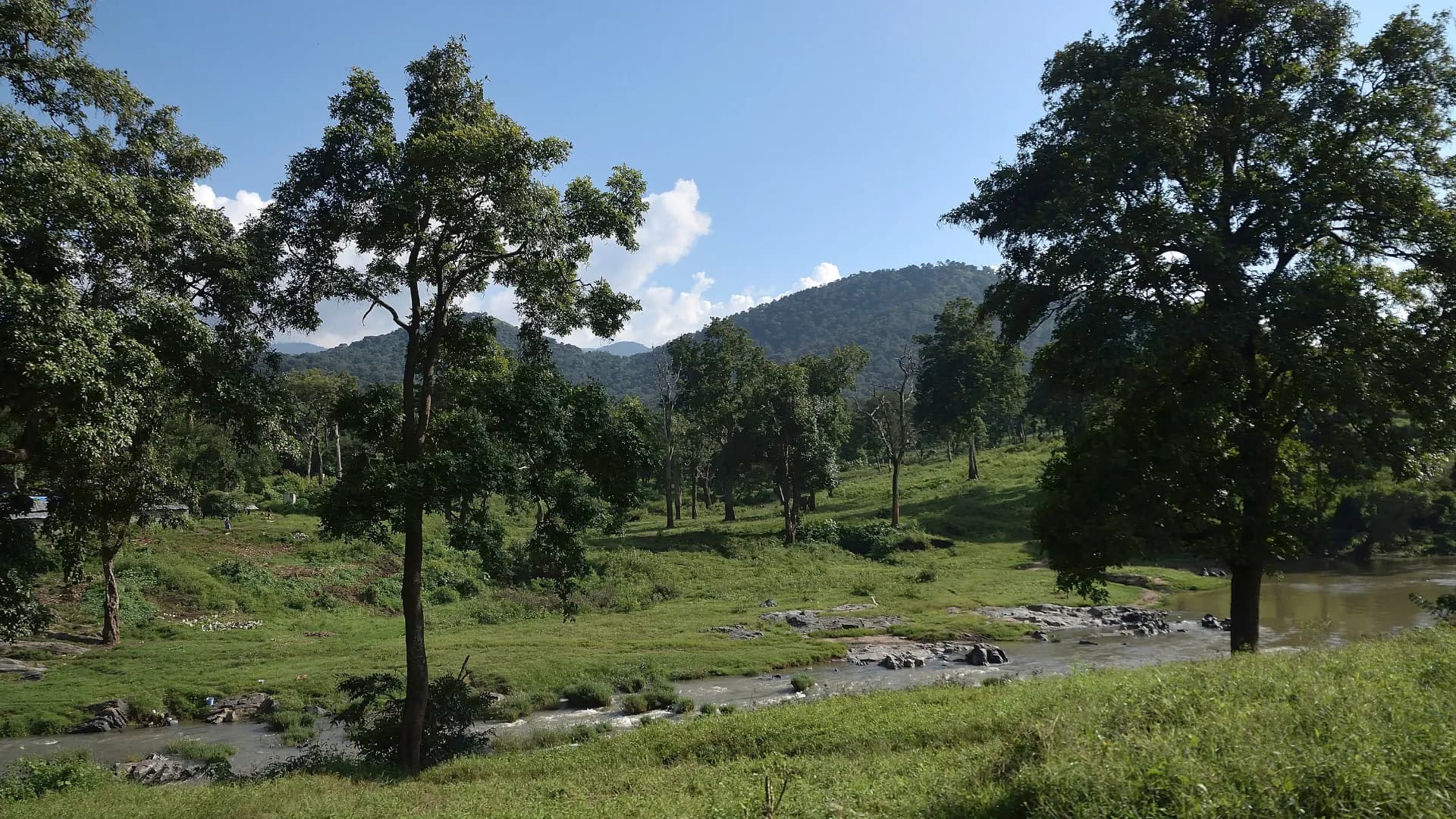
Planning a journey to Kaziranga National Park requires understanding its unique seasons and weather patterns. Located in the floodplains of the Brahmaputra River, the park experiences distinct climate phases that directly impact safari availability and wildlife sightings. In this detailed guide, we provide a month-by-month weather matrix, seasonal travel advice, and route planning tips for 2026.
Detailed Month-by-Month Weather & Sightings Matrix (November to April)
Kaziranga is open to tourists only from November to April. Here is what to expect each month:
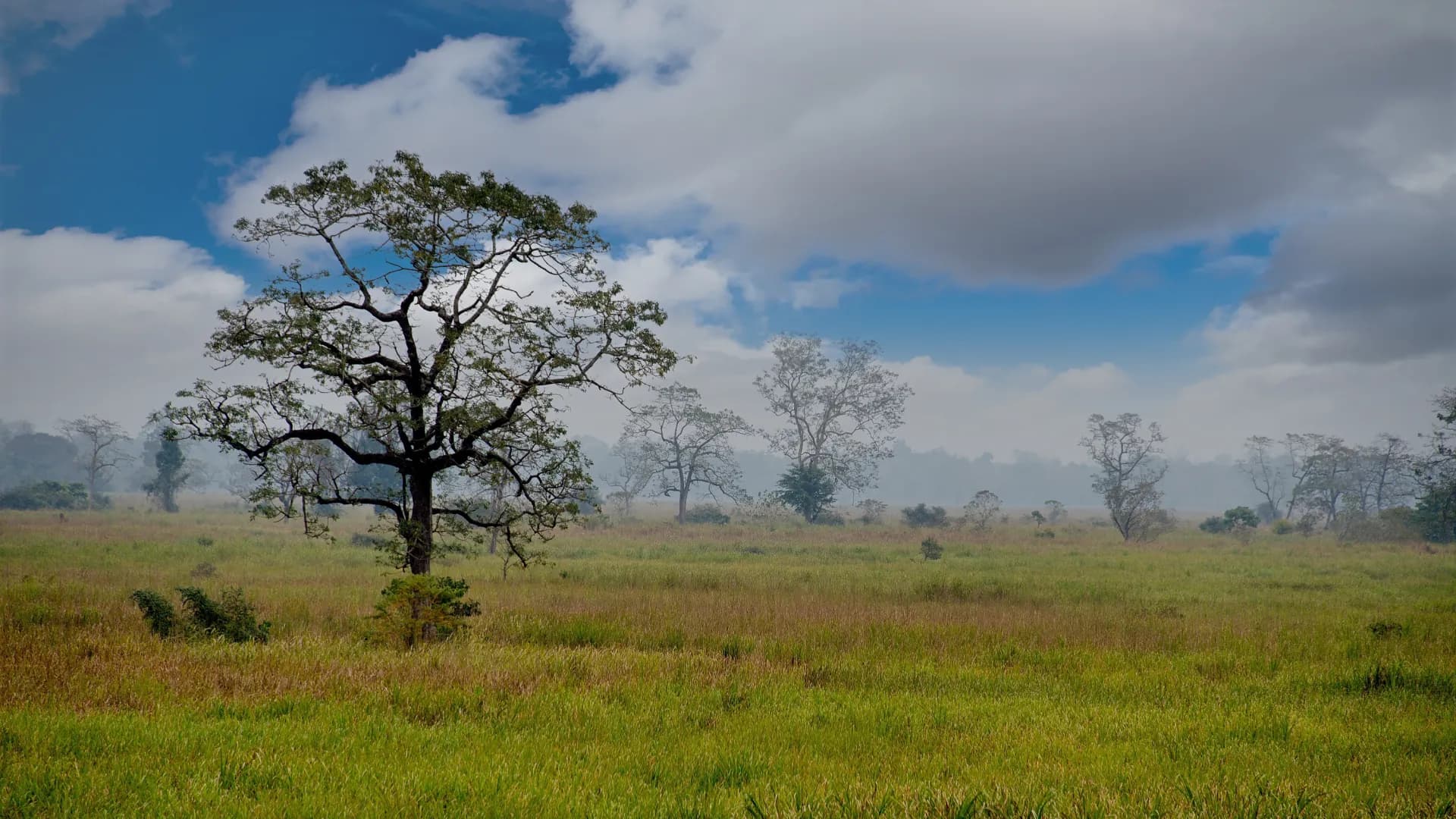
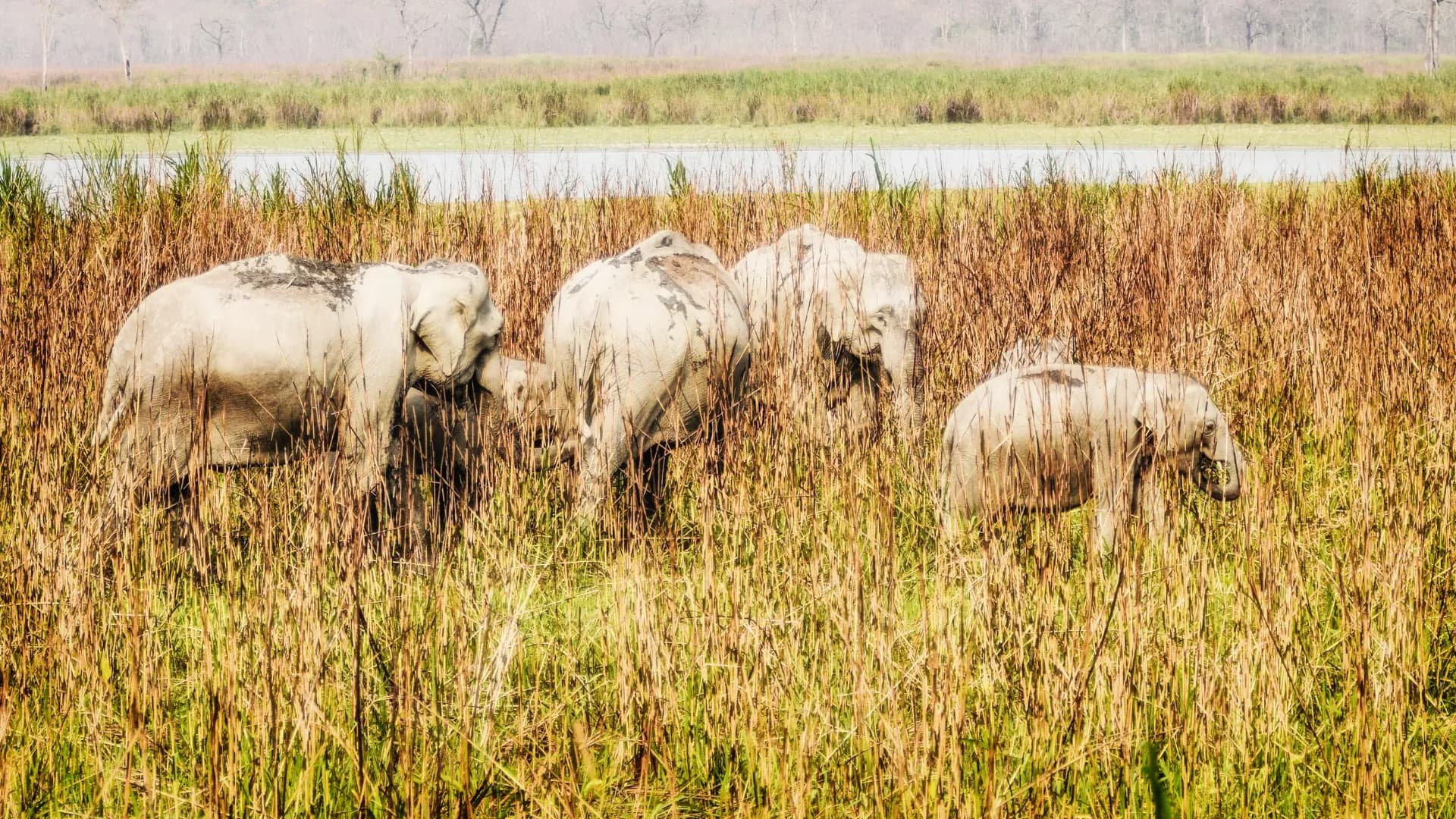
• November: The park reopens. The grasslands are lush, green, and tall. Water bodies are full, and the air is fresh. Sightings can be slightly challenging due to the tall grass, but the scenery is beautiful. Temperatures range from 18°C to 26°C. • December & January: Peak winter. Morning temperatures can drop to 10°C, and heavy fog is common until 8:30 AM. Excellent for birdwatching as migratory species arrive. Warm clothing is mandatory for early morning elephant safaris. • February: The weather becomes pleasant (15°C to 28°C). The forest department starts controlled burning of dry grass, which significantly increases wildlife visibility. Sightings of rhinos, buffaloes, and tigers improve. • March & April: Spring season. The grass is short, and temperatures rise (20°C to 34°C). Animals frequently visit the remaining water pools to drink and cool off, making this the absolute best time for tiger and elephant sightings.
Winter Season: November to February Travel Guide
Winter is the most popular time to visit Kaziranga. The cool weather is perfect for day-long safaris and sightseeing. Key tips for winter travelers:
• Pack heavy woolens, gloves, and a woolen cap for the morning elephant safaris (which start in the dark at 5:15 AM). • Expect crowds at the ticket counters and safari points; ensure all bookings are done in advance. • Combine your wildlife safari with a visit to the nearby tea gardens and local villages to experience Assamese rural life. • Enjoy evening bonfires and traditional music performances at your resort.
Spring & Dry Season: March to April Travel Guide
If your primary goal is wildlife photography and spotting rare species like the Royal Bengal Tiger, spring is the ideal season:
• The dry heat causes the tall grass to wither and dry up, leaving wide open fields with clear visibility. • Focus your safaris around the afternoon shift (1:30 PM to 4:00 PM), when animals are drawn to the major water bodies (beels) to escape the heat. • Pack light cotton clothing, a wide-brimmed sun hat, sunglasses, and plenty of water. • Note that the park can get dusty; bring protective wraps for your camera gear.
Monsoon Season Closure & Reopening Logistics (May to October)
Kaziranga experiences heavy monsoon rains from May to October, during which the park remains closed to tourists:
• The Brahmaputra River overflows, flooding up to 80% of the park's low-lying areas. This flooding is crucial for replenishing the wetlands and maintaining the ecosystem. • Wildlife migrates southwards to the safety of the Karbi Anglong hills, crossing the national highway. Forest guards are deployed along the highway to ensure safe passage for the animals. • Safari tracks are washed away or covered in mud, requiring extensive restoration before the park can reopen in November. • Travel to the region during this time is not recommended for wildlife safaris, though the surrounding hills are beautiful.
Wildlife & Safari Inclusions: What Your Package Covers
When planning your tour package, ensure it includes the correct safari permits and fees:
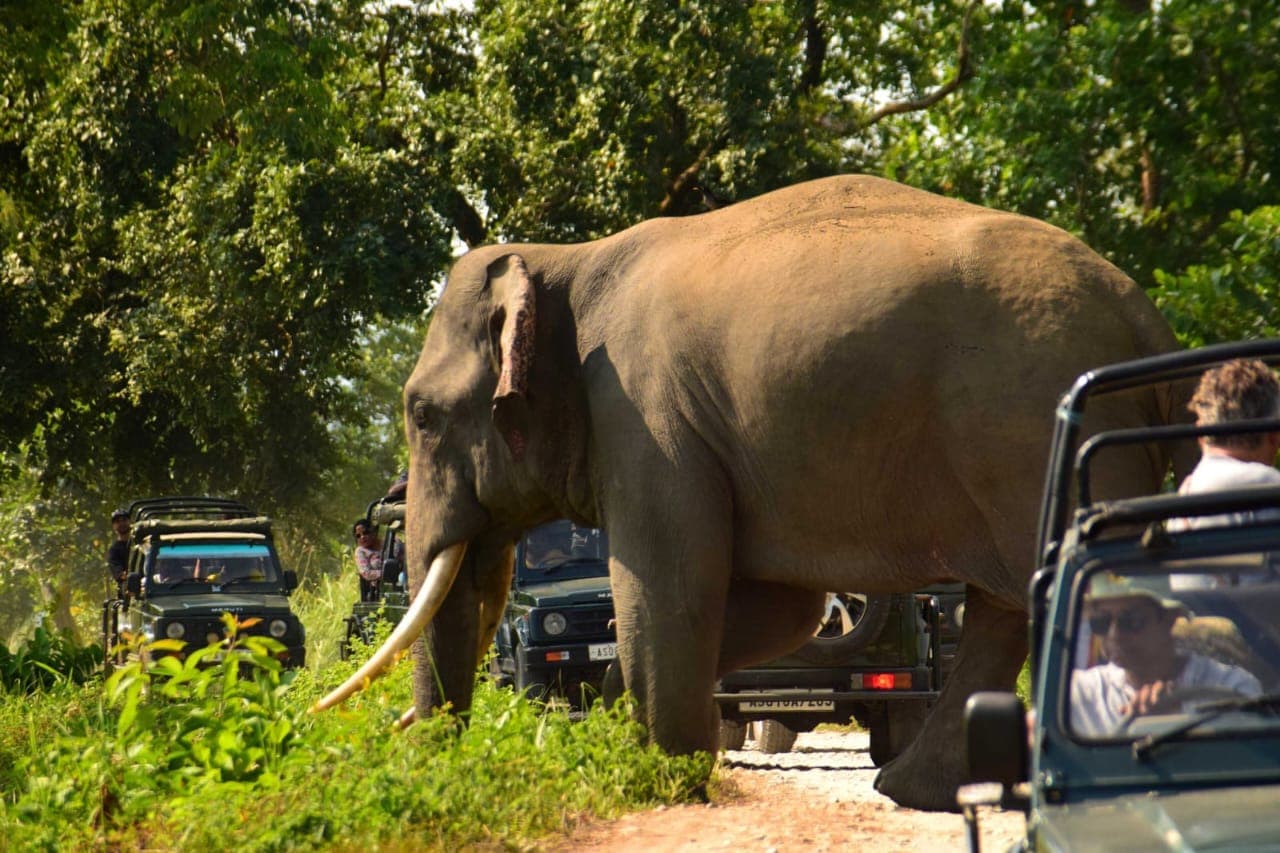
• A standard package should cover vehicle permits, driver allowance, forest department entry fees, and local guide charges. • Check whether you have booked a Jeep Safari (which covers larger distances) or an Elephant Safari (best for close-up sightings in the morning). • Keep separate cash handy for camera fees, which are collected at the range entry gates by the forest guards.
Guwahati to Kaziranga Road Route Guide (220 km / 5 Hours)
Kaziranga is easily accessible from Guwahati, the main transit hub of the Northeast:
• The distance is approximately 220 km via the National Highway 27 (NH27) and National Highway 127A (NH127A). The road is a well-maintained 4-lane highway for most of the journey. • Travel time is around 4.5 to 5 hours by private taxi or self-drive vehicle. • Scenic Stops: On the way, stop at Nagaon for refreshments, and visit the Maha Mrityunjay Temple (featuring one of the tallest Shiva statues in the world). Drive through the beautiful tea gardens of Jakhalabandha as you approach the park boundary.
Assamese Culture, Traditional Cuisine, and Biodiversity Park Sights
A trip to Kaziranga is incomplete without experiencing the rich culture of Assam:
• Visit the Kaziranga Orchid and Biodiversity Park to see a vast collection of native orchids, medicinal plants, and traditional bamboo products. • Enjoy the evening cultural program featuring Bihu (the folk dance of Assam) and Jhumur (performed by the tea tribe community). • Try an authentic Assamese Thali dinner, featuring Khar (a traditional starter), Tenga (sour fish curry), local greens, duck meat curry, and Joha rice.
Frequently Asked Questions
What is the best month to visit Kaziranga National Park?
February to April is widely considered the best time to visit Kaziranga. February offers pleasant weather and increased visibility as the forest department burns dry grass. March–April is peak season for tiger sightings as animals crowd remaining water pools. November and December are excellent for birding and lush post-monsoon scenery, though morning fog can limit visibility until 8:30 AM.
Is Kaziranga National Park open in May?
No. Kaziranga National Park closes to tourists from May to October during the monsoon season. The Brahmaputra River floods up to 80% of the park, and safari tracks become inaccessible. The park officially reopens in November every year. If you plan to visit Northeast India in the monsoon months, consider Meghalaya or Arunachal Pradesh instead.
How far is Kaziranga from Guwahati?
Kaziranga National Park is approximately 220 km from Guwahati, taking 4.5 to 5 hours by private vehicle via NH27 and NH127A — a well-maintained 4-lane highway for most of the route. Scenic stops on the way include the Nagaon area for refreshments and Jakhalabandha tea gardens as you approach the park boundary.
Is Kaziranga worth visiting in November when it first reopens?
Yes, November is a beautiful time to visit Kaziranga. The grasslands are lush and green, water bodies are full from monsoon rains, and the air is clean and fresh. The one challenge is tall grass, which can make spotting wildlife slightly harder compared to February–April. However, the scenic beauty is at its peak, and birdlife is spectacular as migratory species begin arriving.
What should I pack for a Kaziranga safari tour?
Essential packing for Kaziranga: warm woolens and a jacket for early morning elephant safaris (temperatures drop to 8–10°C in December–January), muted colours like olive green, khaki, and brown, binoculars for wildlife spotting, sunscreen and dust protection for afternoon jeep safaris, a telephoto camera lens (300mm+ recommended), and cash for camera fees and local purchases, as digital payments can be unreliable at the range gates.
"With NEexplore NOW, plan your Kaziranga tour with complete peace of mind. We coordinate transport, accommodation, safaris, and cultural guides for a seamless experience."